For the last three years, “ChatGPT” was the proprietary eponym for AI – like Xerox is for photocopy. If you were doing AI, you were using OpenAI. But as we set into 2026, the narrative hasn’t just shifted; it has completely flipped.
While OpenAI was busy building a destination app, Google was executing a masterclass in infrastructure. They didn’t just build a chatbot; they built an ecosystem. The result is a shift in dominance that feels permanent. OpenAI may have started the race, but Google is winning the marathon.
Here are the five ways Google Gemini has effectively ended ChatGPT’s reign.
Also read: CES 2026: Convenience tech gadgets that spoils you to a whole new level
The biggest friction point for ChatGPT has always been that it lives on an island. You have to stop what you are doing, open the app, and paste in your problem.
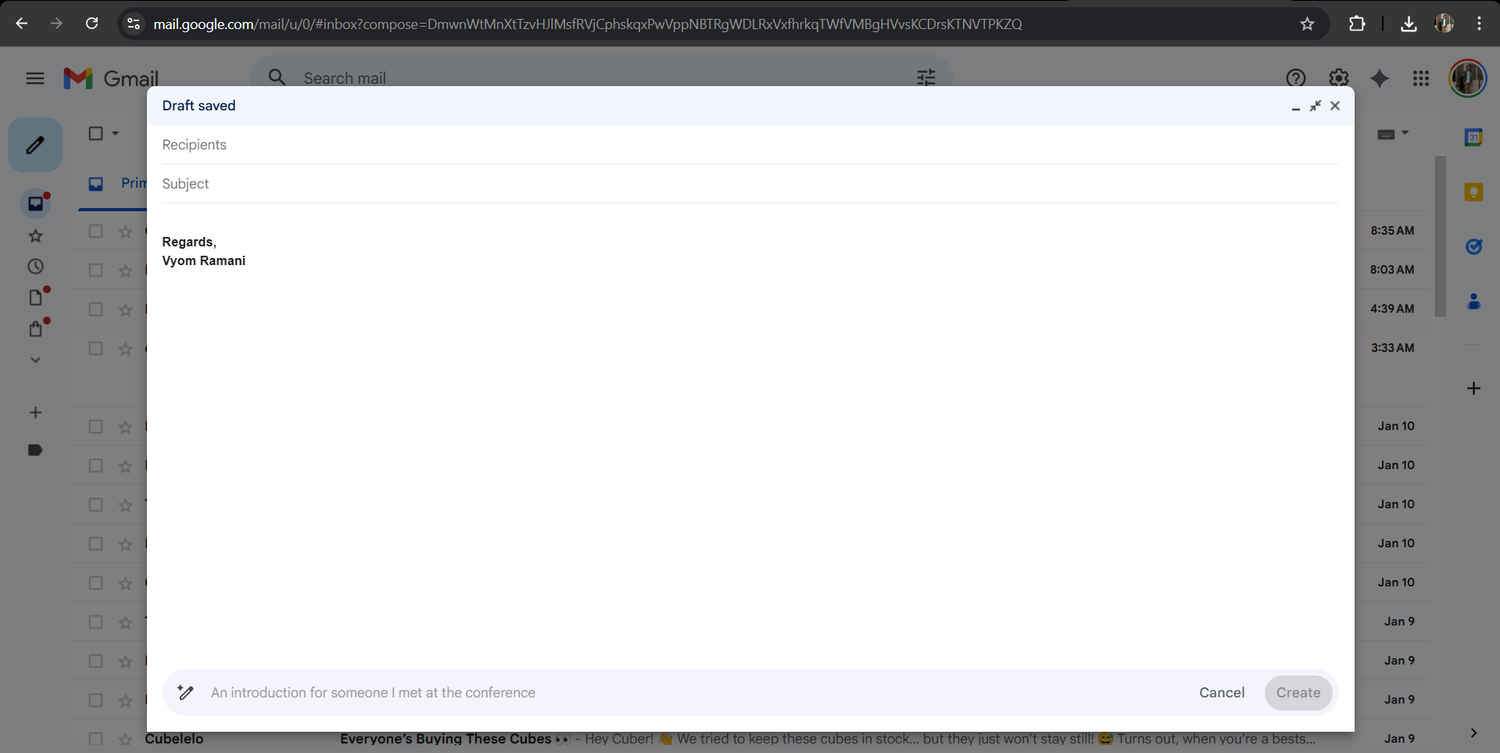
Gemini has dissolved that barrier. Because Google owns the operating system (Android) and the utility layer (Workspace), Gemini is “ambient.” It lives inside your Gmail, sits in your Google Docs, and operates at the system level on Pixel and Samsung devices. It can see what is on your screen, be it an email or a recipe, and act on it instantly. ChatGPT is an app you visit; Gemini is an assistant that lives with you.
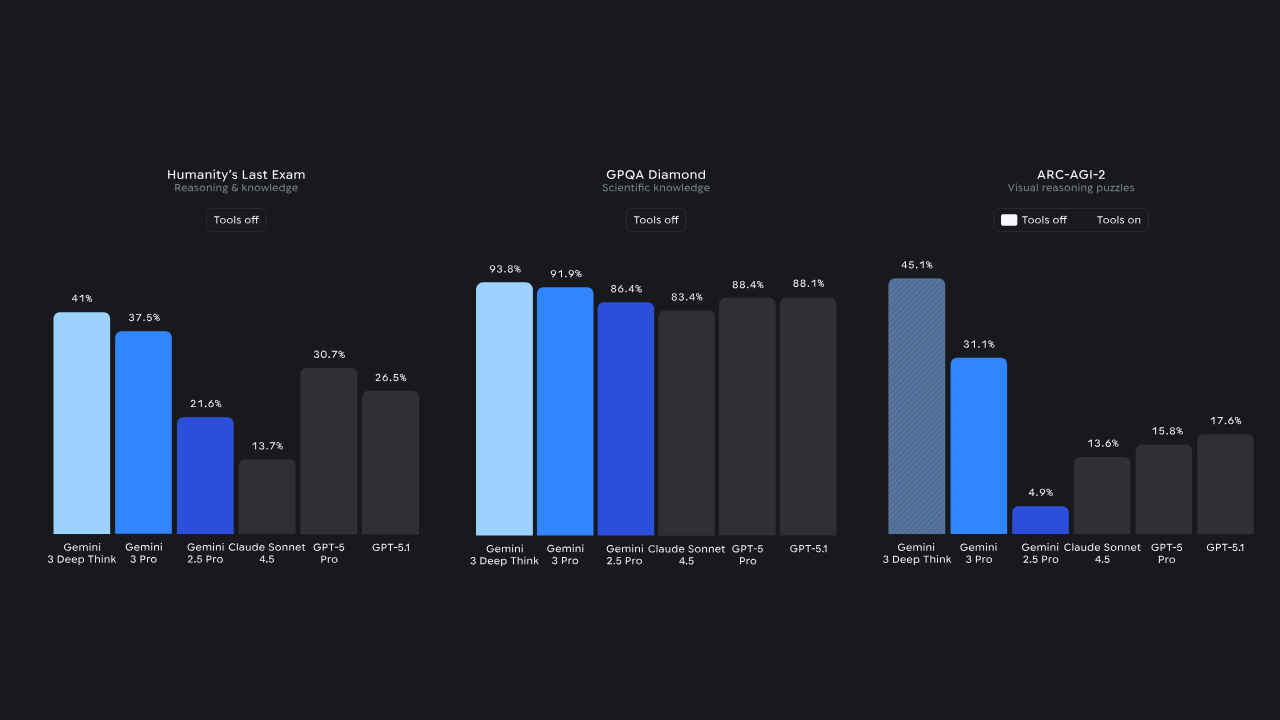
For a long time, the defense for ChatGPT was, “Sure, Google has reach, but GPT-4 is smarter.” That defense is dead. With the release of Gemini 3, Google has finally overtaken OpenAI in core reasoning capabilities. Benchmark tests and real-world usage show that Gemini 3 is faster and more structured when handling complex tasks like debugging code or project planning. It has shed the “slow and academic” feel of previous Google models, offering responses that aren’t just creative, but logically superior to OpenAI’s current offerings.
Also read: ChatGPT Health and your medical data: How safe will it really be?
“Memory” in AI used to be a marketing buzzword, but Gemini has turned it into a utility. While ChatGPT still struggles to remember the beginning of a long conversation, Gemini boasts a multimillion-token context window.
This isn’t just a spec sheet victory; it’s a workflow revolution. You can feed Gemini an entire book, a massive codebase, or hours of meeting transcripts in a single prompt, and it digests it all. For developers and researchers, this sheer capacity makes ChatGPT feel claustrophobic by comparison.
OpenAI’s business model relies heavily on the $20/month subscription to get the “good stuff.” Google, leveraging its massive ad and cloud revenue, has taken a different approach: aggressive democratization.
Google has woven its most powerful models directly into the free versions of Google Docs, Sheets, and Slides. These aren’t clunky add-ons; they are native features that help you draft, summarize, and edit without costing anything. By putting enterprise-grade AI in the hands of free users, Google has made the concept of paying for a standalone chatbot subscription feel more or less obsolete.
While ChatGPT is great at text, Gemini has mastered reality. Google’s multimodal capabilities – specifically vision and voice – have moved beyond gimmickry into essential tools.
You can point your camera at a broken router, a menu in a foreign language, or a confusing document, and Gemini processes the visual data instantly to guide you. It doesn’t just “read” the world; it understands it. By combining this “vision” with the vast data of Google Search and Maps, Gemini offers a hands-on utility that a text-box interface simply cannot match.
In 2026, the era of the standalone chatbot is ending. We don’t want to “chat” with AI anymore; we want AI to do things for us. By integrating Gemini into the phones, browsers, and documents we use for hours every day, Google has made its AI inevitable. ChatGPT is still a great product, but Gemini has become more of a lifestyle.
Also read: Grok generated over 6000 sexualised pics per hour on X, says research