Nestled in the pristine, frozen wilderness of northern Sweden, 200 kilometers north of the Arctic Circle, lies a remarkable facility that has quietly become a cornerstone of global space research and development: Esrange Space Center. Far from the bustling launchpads of Cape Canaveral or Baikonur, Esrange offers a unique blend of capabilities, making it arguably the most flexible space center in the world. From stratospheric balloons carrying scientific instruments to the launch and control of cutting-edge satellites, Esrange is a testament to Swedish innovation and a vital asset for the international space community.
Esrange’s story began in the 1960s, driven by the need for a European facility capable of launching sounding rockets to study the upper atmosphere and aurora borealis. Its remote location, with vast uninhabited areas, made it ideal for safely launching and recovering payloads. Over the decades, its capabilities expanded dramatically, evolving from a sounding rocket base into a multi-faceted space center managed by the Swedish Space Corporation (SSC).
Also read: 5 crazy facts about Chile’s Vera Rubin telescope: It has world’s largest digital camera
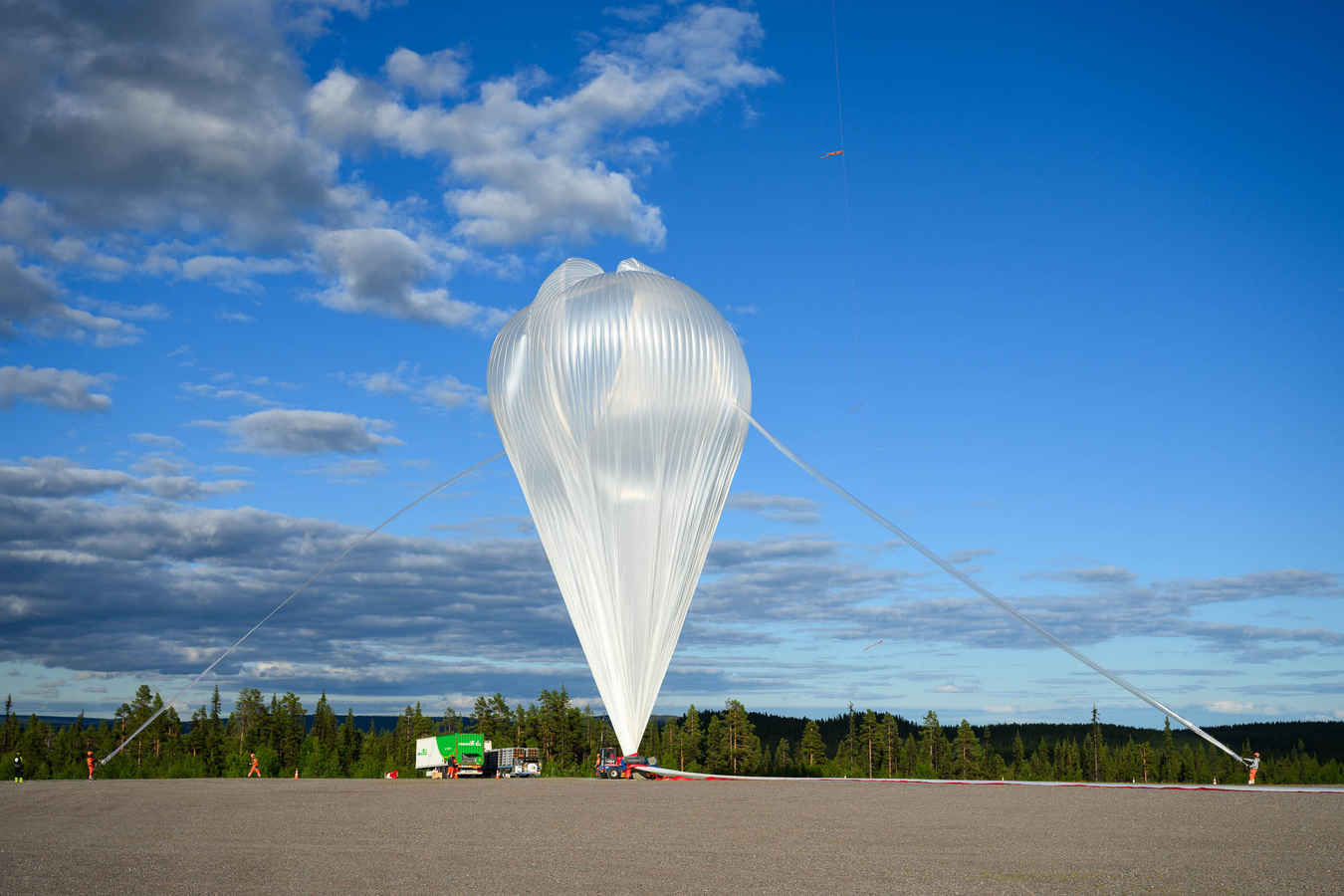
One of Esrange’s earliest and most enduring strengths lies in its balloon launch capabilities. Giant stratospheric balloons, some as large as football stadiums when fully inflated, are launched from Esrange, carrying scientific payloads to altitudes exceeding 40 kilometers.
These missions are crucial for a variety of research areas:
The unique weather patterns and low population density in the area allow for long-duration flights and safe recovery of these valuable payloads, offering a cost-effective alternative to satellite missions for certain types of research.
Also read: Interstellar Visitor Spotted by Astronomers: What Is It?
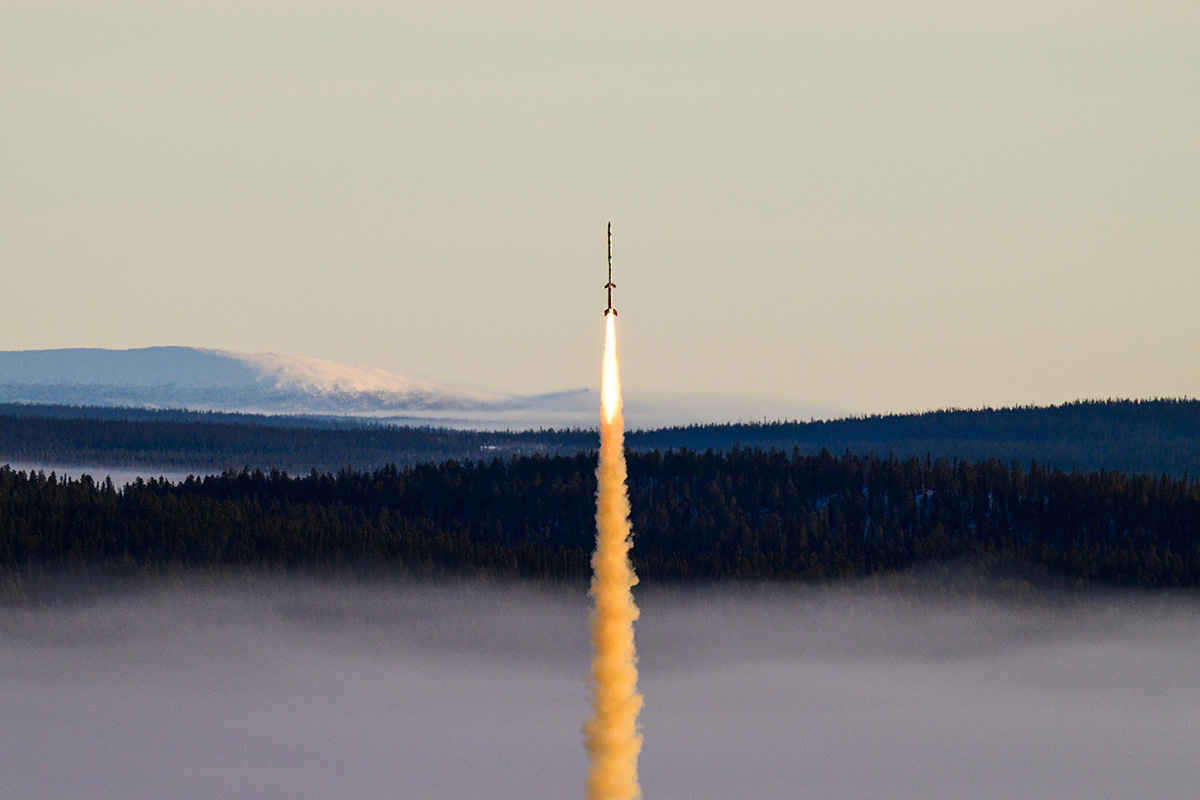
While balloons offer extended flight times, Esrange’s sounding rocket program provides short bursts of microgravity and access to the mesosphere and lower thermosphere.
These powerful rockets, often reaching altitudes of hundreds of kilometers, are used for:
Esrange’s ability to precisely track and recover these rocket payloads, often by helicopter in the vast wilderness, is a critical component of its flexibility, allowing researchers to retrieve their experiments for post-flight analysis.
The most significant recent expansion of Esrange’s capabilities has been its transformation into a satellite launch and control center. In 2023, Esrange achieved a historic milestone by becoming the first mainland European facility to launch satellites into orbit.
This new capability, known as “Spaceport Esrange,” positions Sweden as a key player in the rapidly growing global space industry, particularly for:
Beyond launching, Esrange also plays a vital role in satellite operations. Its ground station is equipped with a vast array of antennas that communicate with satellites orbiting Earth, receiving critical data and sending commands. This ground segment is an indispensable part of countless international space missions, providing robust and reliable connectivity.
Esrange’s unparalleled flexibility stems from several key factors:
From fundamental scientific research to commercial satellite deployments, Esrange Space Center truly offers a complete spectrum of services. It is a place where scientific curiosity meets engineering prowess, where balloons gently ascend to the edge of space, and rockets roar into orbit, all from the same remarkable, flexible, and increasingly vital hub in the Arctic.
Also read: NISAR Earth observation satellite: 5 key features explained