If 2025 was the year we asked, “Can they walk?”, 2026 is the year we are asking, “Can they do the dishes?” The Consumer Electronics Show in Las Vegas has always been a circus of gadgets, but this year, the floor belonged to the androids. We didn’t just see stiff prototypes shuffling across stages; we saw a clear, aggressive evolution. The narrative has shifted from pure industrial labor to “Physical AI” – robots that don’t just follow scripts but understand domestic chaos.
From high-torque factory workers to soft-touch home butlers, here are the 6 humanoid robots from CES 2026 that prove the sci-fi future isn’t coming, it’s already here.
Also read: Physical AI chips: Arm’s role in powering this next shift in robotics computing
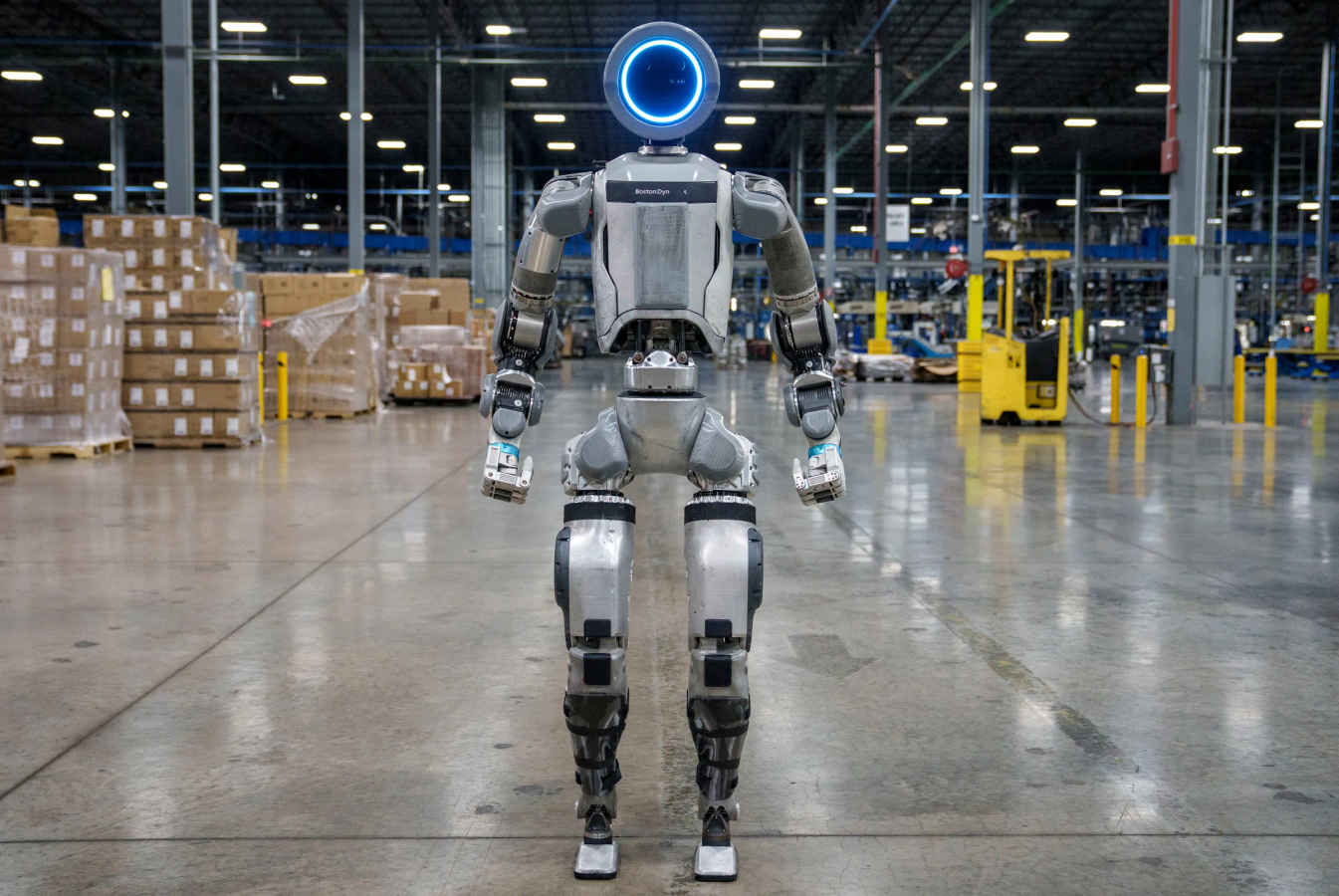
RIP, hydraulics. The fully electric Atlas, showcased at the Hyundai booth, is leaner, quieter, and somehow even more unnerving than its predecessor. While it lacks the “human” constraints of joint limits – witness the “Exorcist-style” head and torso spins – that’s exactly the point. It doesn’t need to move like a human to work like one. Hyundai confirmed these units are deploying to their Georgia manufacturing plant this year to handle heavy strut assembly. It’s not a robot you’d want in your kitchen, but it’s the one you want building your car.
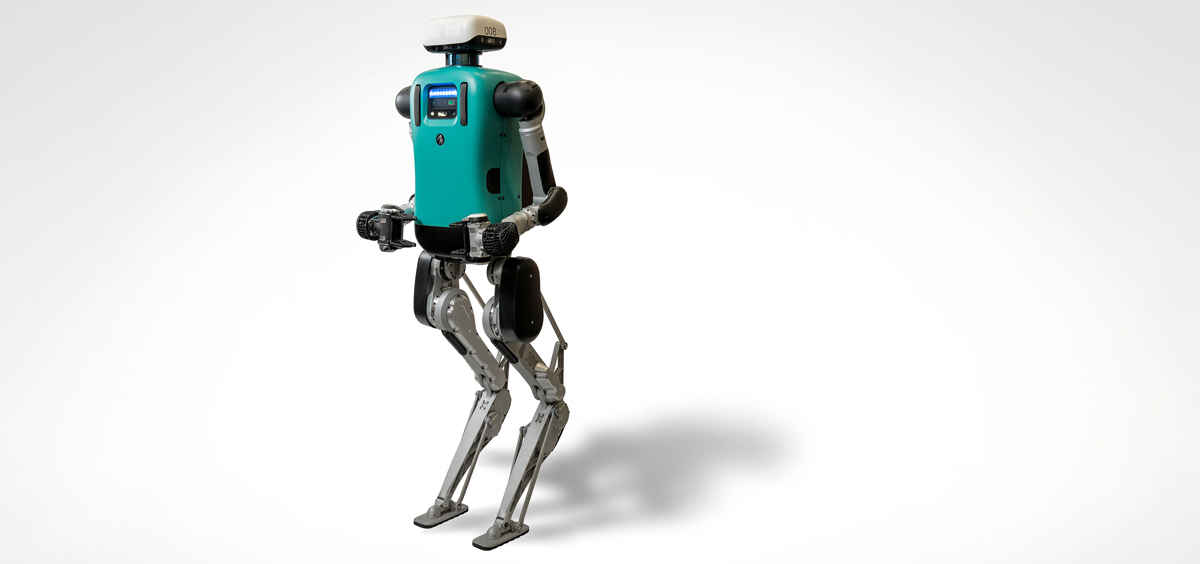
Digit (not to be confused with Digit.in) isn’t trying to be your friend; it’s trying to move 100,000 totes a day. Backed by Amazon and GXO Logistics, the new Digit focused less on flashy acrobatics and more on boring, beautiful reliability. The big reveal at CES was Agility Arc, a cloud-based fleet management system that lets warehouse managers treat Digits like software assets rather than hardware oddities. With squarish pads for feet and backward-bending knees, it’s still the king of the logistics cage.
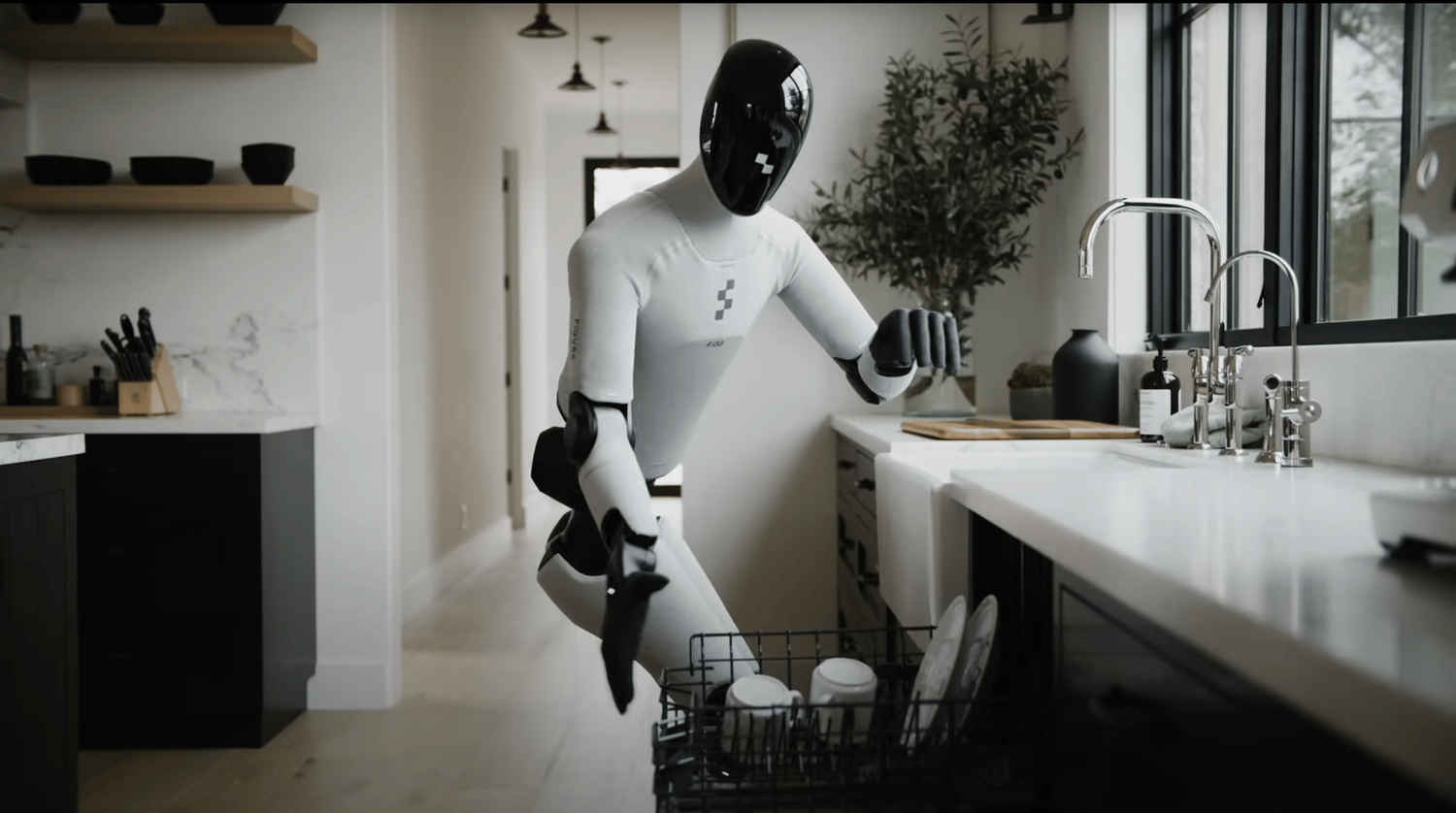
Figure AI has moved frighteningly fast. The Figure 03 sheds the “machined metal” look of the 02 for a softer, textile-covered exterior, signaling a shift toward human-proximity work. But the jaw-dropping moment was the integration of Helix, their new VLA (Vision-Language-Action) model. In demos, the Figure 03 didn’t just pick up an apple; it reasoned why it was picking it up (“The user looks hungry”). It also introduced wireless induction charging so it just walks onto a pad to juice up, like a giant Roomba.
Also read: Meta Ray-Ban Display glasses: How its new EMG handwriting turns any surface into a keyboard
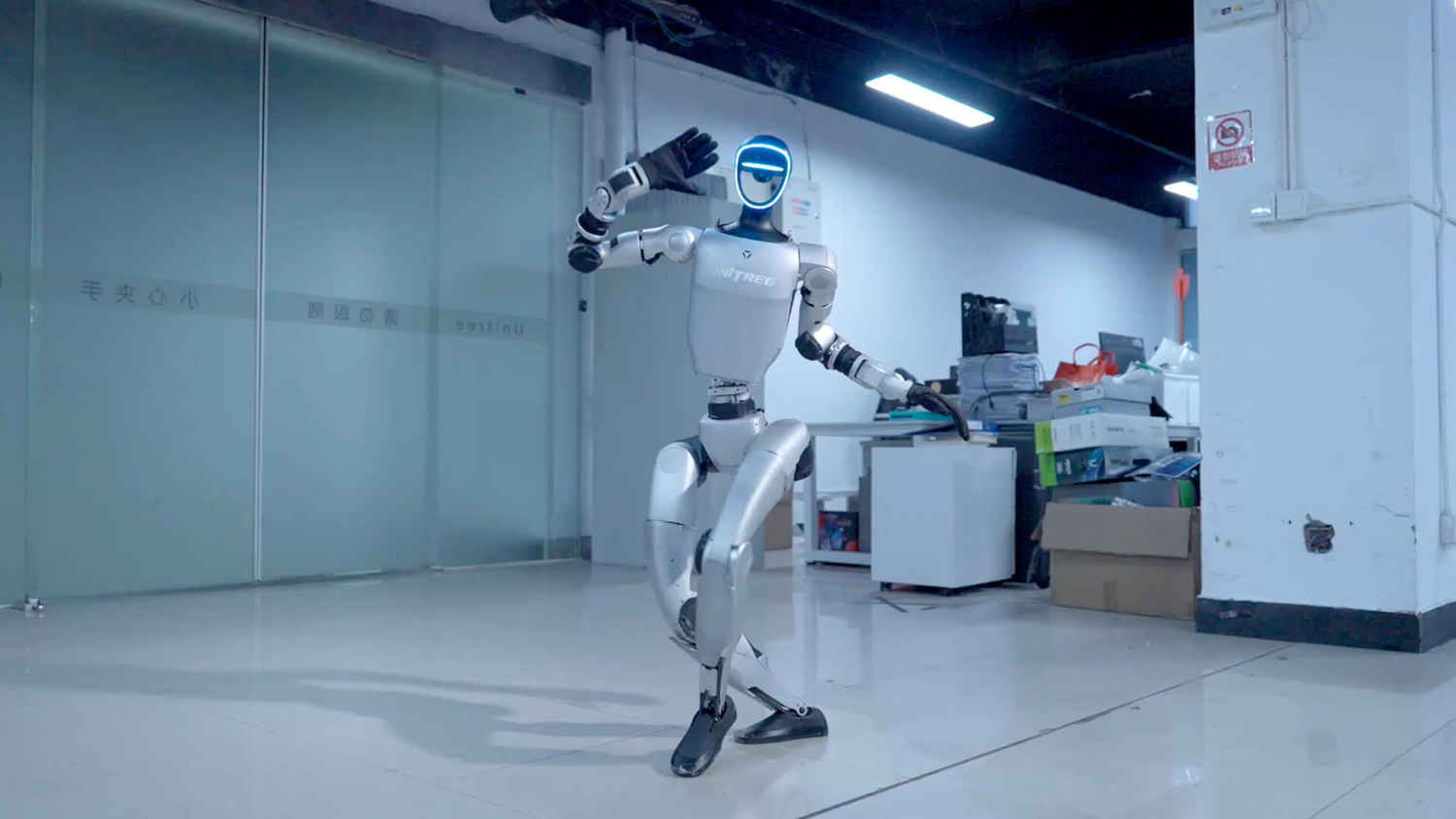
While American robots are chasing enterprise contracts, China’s Unitree is chasing volume. The G1 was the crowd favorite simply because it performed a perfect Michael Jackson Moonwalk on the show floor. But look past the dance moves, and you see a 35kg robot with 43 degrees of freedom and a price tag that costs less than a Honda Civic. It’s the first “high-performance” humanoid that feels attainable for university labs and wealthy hobbyists.
If you’re going to let a robot hold your baby, let it be this one. The 1X NEO is covered in a soft, “muscle-like” textile rather than hard plastic, making it safe to bump into. It uses tendon-driven actuation rather than gears, which gives it a natural, compliant movement style. At CES, 1X opened pre-orders ($20k range) and focused entirely on safety and silence. It doesn’t clank; it glides. This is the android designed specifically to fold laundry while you sleep.
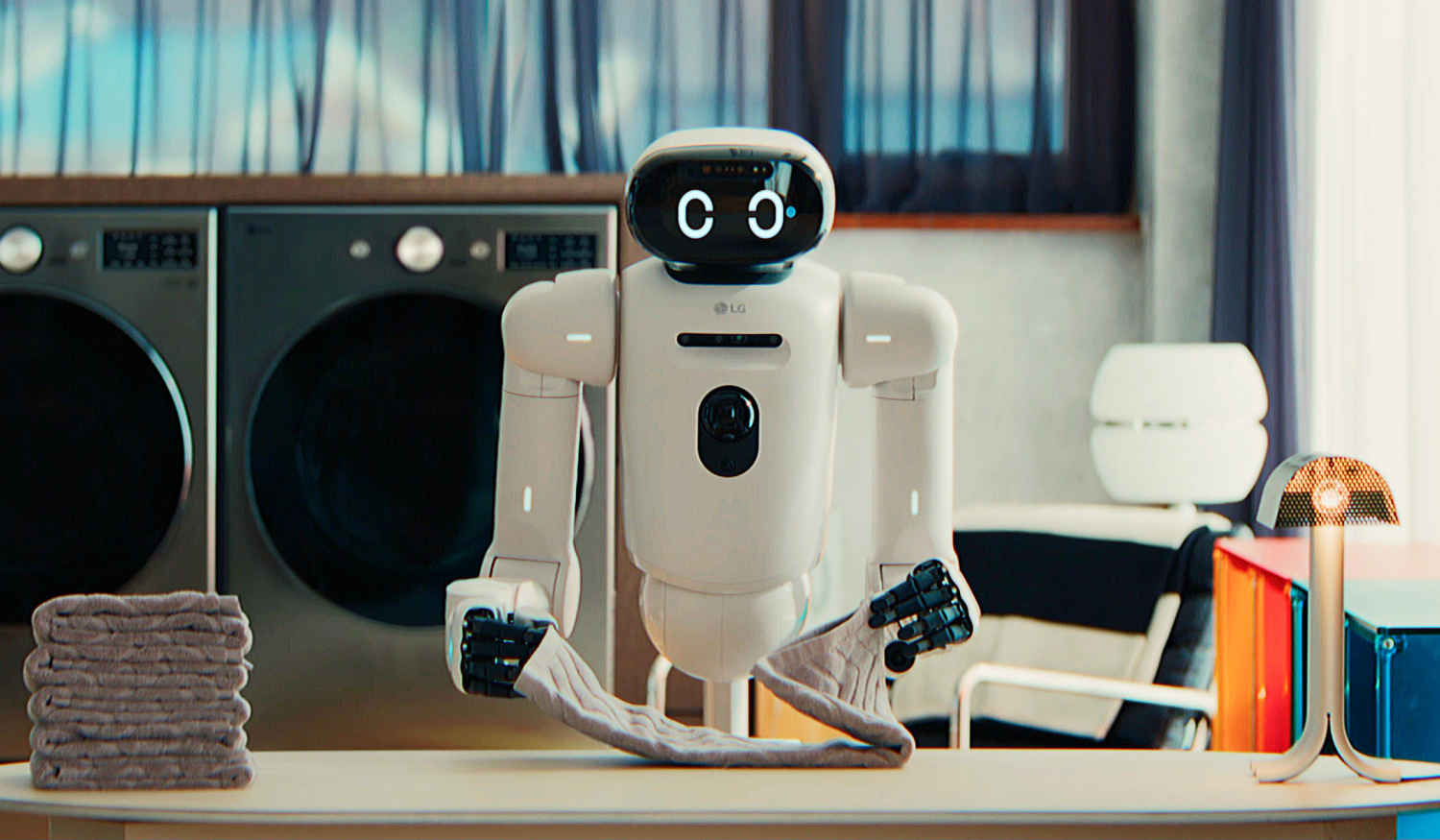
LG stole the show for the “normal” consumer. The CLOiD isn’t a bipedal walker (it rolls on a stable wheeled base), but it has a humanoid torso and two 7-degree-of-freedom arms with five-fingered hands.
Why is it on this list? Because it actually integrates. Using LG’s ThinQ ecosystem, the CLOiD was shown opening a smart fridge, retrieving ingredients, and setting an oven. It’s not trying to simulate a human; it’s trying to be the ultimate interface for your smart home. It’s the most grounded, realistic vision of domestic robotics we saw all week.
Also read: From vibrating knives to exoskeletons: 7 of the craziest gadgets at CES 2026