Anthropic has officially launched Claude Opus 4.6, marking a pivotal shift in the intelligence landscape. This model isn’t just a slight improvement over its predecessor; it represents a fundamental change in how AI processes complex information, works within professional ecosystems, and even secures the software that runs our world. For tech enthusiasts and developers alike, these five upgrades define the new frontier of what an AI assistant can achieve.
Also read: OpenAI brings GPT 5.3 Codex model and Frontier platform: What it means for AI users
The headline feature of Claude Opus 4.6 is its massive 1 million token context window, a first for an Opus-class model. This upgrade effectively gives the AI a “photographic memory” for massive amounts of data, allowing it to ingest entire technical libraries, several long novels, or sprawling codebases without losing its place. Beyond just the size, the reliability is unprecedented. Testing shows a 76% success rate in retrieving specific “hidden” information within that 1 million token span, which is a qualitative leap over previous models that often suffered from “context rot” as conversations grew longer.
Also read: Meta memo claims Avocado AI better performing than Llama 4 models
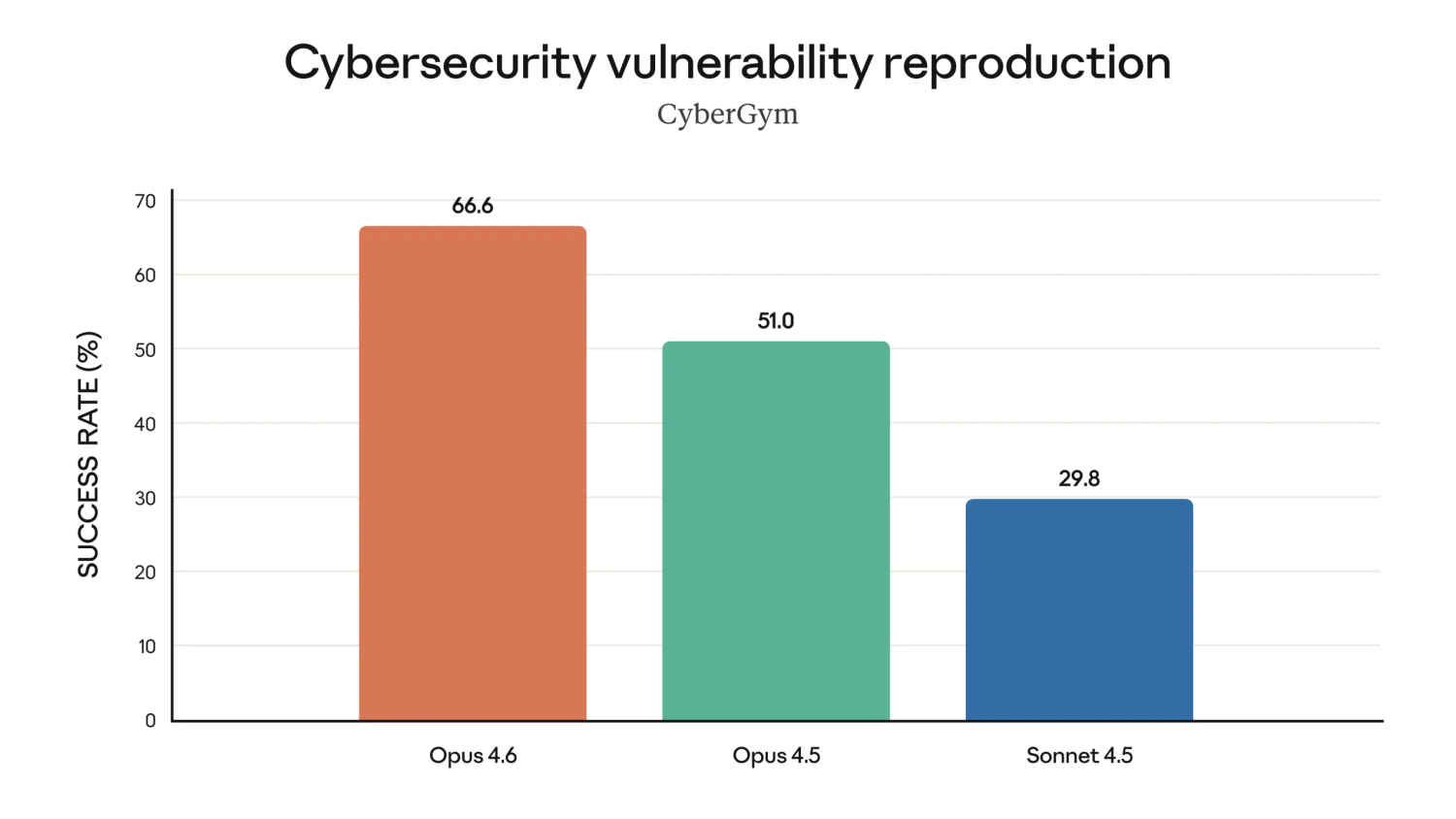
In a move that could redefine digital safety, Opus 4.6 has demonstrated an extraordinary ability to find high-severity vulnerabilities in well-tested codebases. Unlike traditional security tools that use brute force to break software, Claude reasons through code like a human researcher, often identifying bugs that have gone undetected for decades. Anthropic’s red team has already used the model to validate over 500 zero-day vulnerabilities in open-source projects. This upgrade also includes new “cyber-specific probes” that monitor the model’s internal reasoning to prevent malicious misuse while accelerating defensive patching at scale.
Opus 4.6 introduces a more efficient way to process tasks called Adaptive Thinking. The model can now sense when a query is simple and move quickly, or when it requires deep, multi-step reasoning and pause to “think” before responding. To give users even more control, Anthropic has introduced a four-tier effort slider—Low, Medium, High, and Max. This allows developers to prioritize speed and cost for routine work or maximize the model’s reasoning power for high-stakes projects like legal analysis or complex engineering problems.
The release introduces a research preview for Agent Teams within Claude Code, transforming the AI from a solo performer into a conductor. Users can now spin up multiple autonomous agents that work in parallel on the same project. For instance, while one sub-agent is reviewing a repository for bugs, another can be writing documentation, with a lead agent coordinating the entire workflow. This ability to multitask across different repositories and domains allows the model to manage organizational-level tasks that were previously too complex for a single AI instance.
Anthropic is moving Claude beyond the chat box and directly into the apps where work happens. The model now features significant upgrades for Claude in Excel, where it can ingest unstructured data and infer the correct structure without human guidance. Furthermore, the new research preview of Claude in PowerPoint allows the model to generate entire presentations from a simple description. It doesn’t just put text on slides; it reads your existing layouts, fonts, and brand assets to ensure the final output looks like it was created by your internal design team.
Also read: Sam Altman defends ChatGPT ads, calls Anthropic dishonest: Here’s what happened