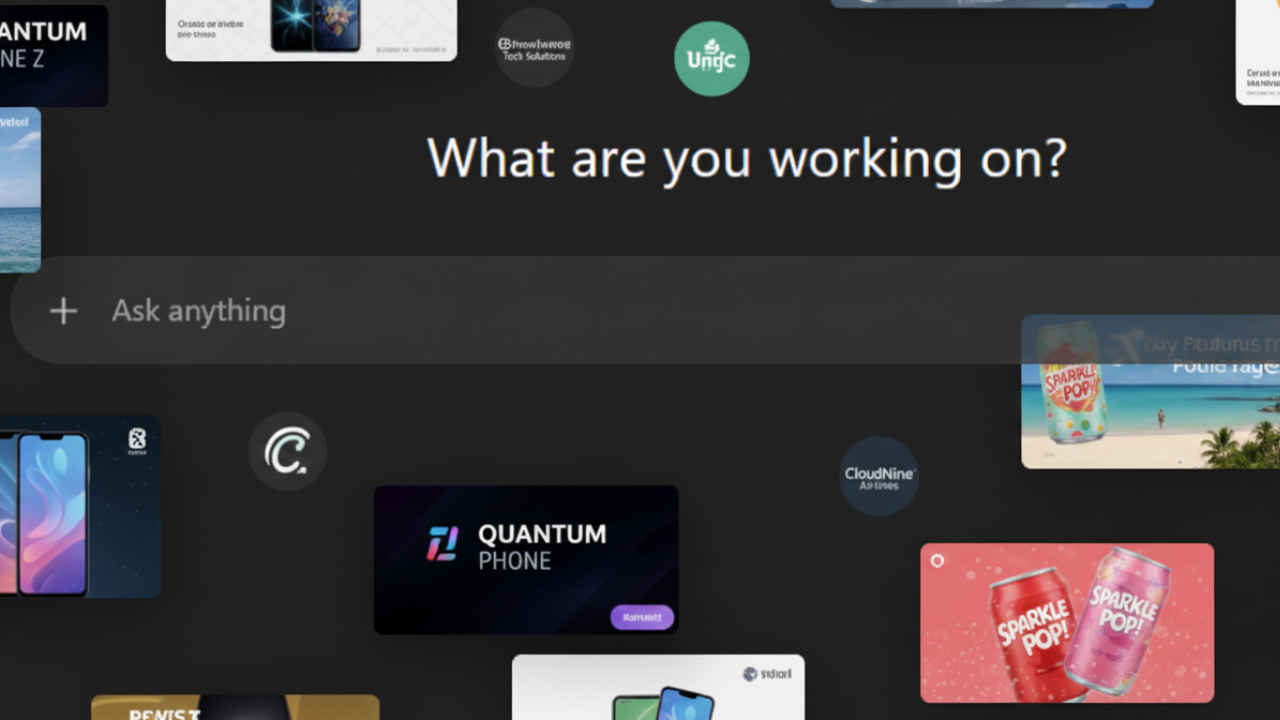
For the past two years, OpenAI has operated on a relatively straightforward business model: a “freemium” tier for the masses and a $20-monthly subscription for power users. But as the company’s valuation climbs toward $150 billion and its compute costs soar into the billions, the limits of the subscription model are becoming clear. To become a generational tech giant on the scale of Meta or Google, OpenAI is preparing for its most controversial pivot yet – into the world of digital advertising.
Also read: Zenith H1 robot is already working in hotels: Specs, features, price revealed
The shift is born of necessity. While ChatGPT Plus has been a runaway success, subscriptions alone rarely support the infrastructure required for hundreds of millions of daily active users. Training “Frontier” models and running real-time inference across the globe is an unprecedented drain on capital. To reach the revenue targets demanded by investors, OpenAI must unlock the “free” user base.
However, OpenAI isn’t looking to clone the cluttered, SEO-driven landscape of Google Search. Instead, internal plans suggest a more sophisticated approach: monetizing the flow of the conversation itself.
The core of OpenAI’s ad strategy lies in “intent-based” monetization. In a traditional search engine, you type “best running shoes” and are hit with a wall of sponsored links. In the OpenAI vision, the experience is more conversational. If a user asks for advice on training for a marathon, the AI might naturally suggest a specific brand of hydration packs or a local running clinic.
Also read: Sam Altman in 2025: 5 unforgettable quotes on AI and future
This moves the needle from “advertising” toward “affiliate recommendations.” By integrating commerce directly into the chat, OpenAI can take a cut of transactions or charge brands for “preferred placement” within the AI’s decision-making logic. The goal is a seamless experience where the line between a helpful suggestion and a paid promotion is blurred – not to deceive the user, but to remain useful.
The “Ad Push” is no longer a rumor; it is visible in the company’s payroll. OpenAI has been aggressively poaching ad-tech veterans from Meta, Google, and Amazon. These hires are tasked with building the “plumbing” of an ad platform – bidding engines, attribution tracking, and brand safety tools – that can operate within the unique constraints of a Large Language Model.
Unlike the static banners of the 2010s, these ads will likely be generative. We may see “sponsored personas” or brands that “sponsor” specific capabilities within the GPT store. For example, a culinary brand could sponsor a specialized “Sous-Chef GPT,” providing expert recipes while subtly favoring their own ingredients.
The greatest risk to this plan is user trust. The magic of ChatGPT has always been its perceived objectivity; users treat it as a neutral oracle. If users begin to suspect that their digital assistant is a “shill” for the highest bidder, the platform’s utility collapses.
To mitigate this, CEO Sam Altman has hinted at a “net win” philosophy. The ads must be as helpful as the organic content. If OpenAI can pull this off, they won’t just be adding a revenue stream – they will be redefining the trillion-dollar advertising industry by replacing “clicks” with “conversations.”
As SearchGPT rolls out to the public, the era of the “clean” AI interface is ending. OpenAI is betting that if the AI is smart enough, you won’t even mind being sold to.
Also read: One week, 700 compounds: How a lab robot discovered new antibiotic