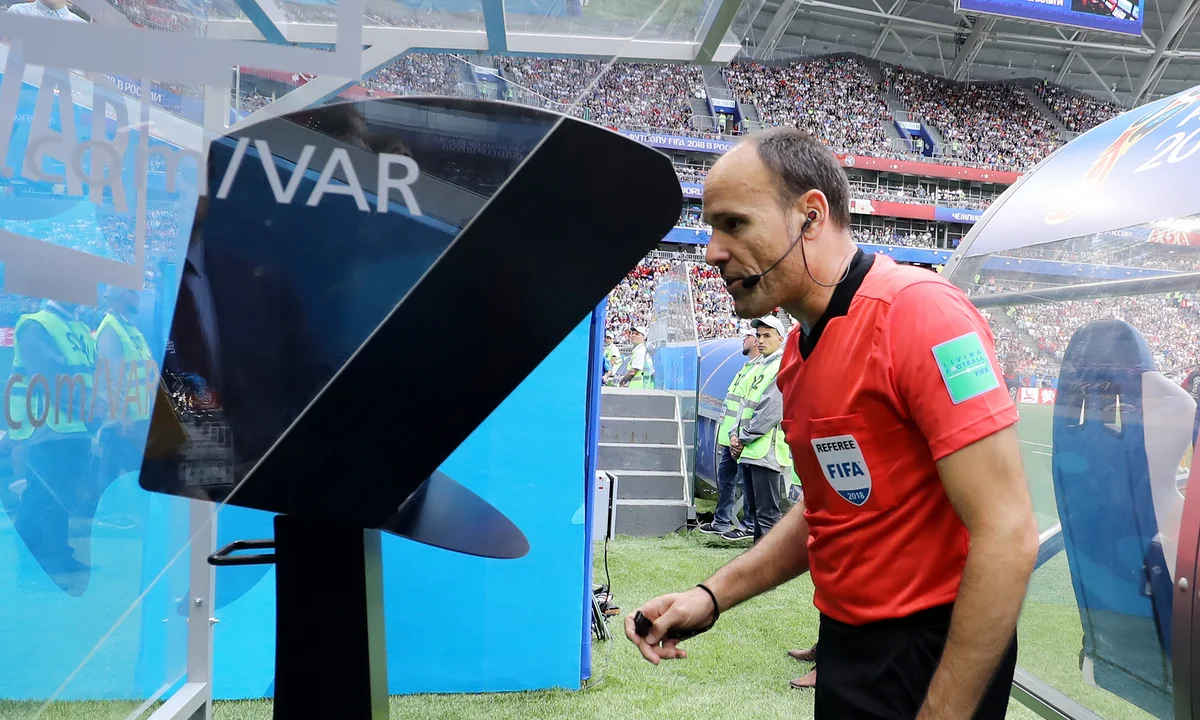
You know the feeling. The ball rockets into the back of the net. The stadium explodes. Your arms are in the air. And then – whistle. The referee taps their earpiece with that look. That “sorry folks, we’re checking something” look. Suddenly, 80,000 people are frozen mid-celebration, staring at a giant screen that shows absolutely nothing, while some VAR official in a basement somewhere squints at a freeze-frame that looks like it was rendered on a Nintendo 64. Welcome to modern football: where the beautiful game meets the excruciating wait.
But the 2026 FIFA World Cup – sprawling across Canada, Mexico, and the United States – is preparing to kill that awkward silence for good. With Lenovo coming in as the Official Technology Partner, the tournament isn’t just getting bigger. It’s getting smarter. And faster. The mission? Make the technology so seamless that you forget it’s even there.
Also read: ChatGPT becoming less popular? Users chat more with Gemini and Claude, says report
Let’s talk about the most revolutionary fan upgrade: the Personal Match Console. Right now, if you’re sitting in the nosebleeds and a controversial call happens, you’re screwed. You crane your neck at the jumbotron. Maybe they show a replay. Maybe they don’t. You’re at the mercy of the broadcast director’s mood. Not anymore.
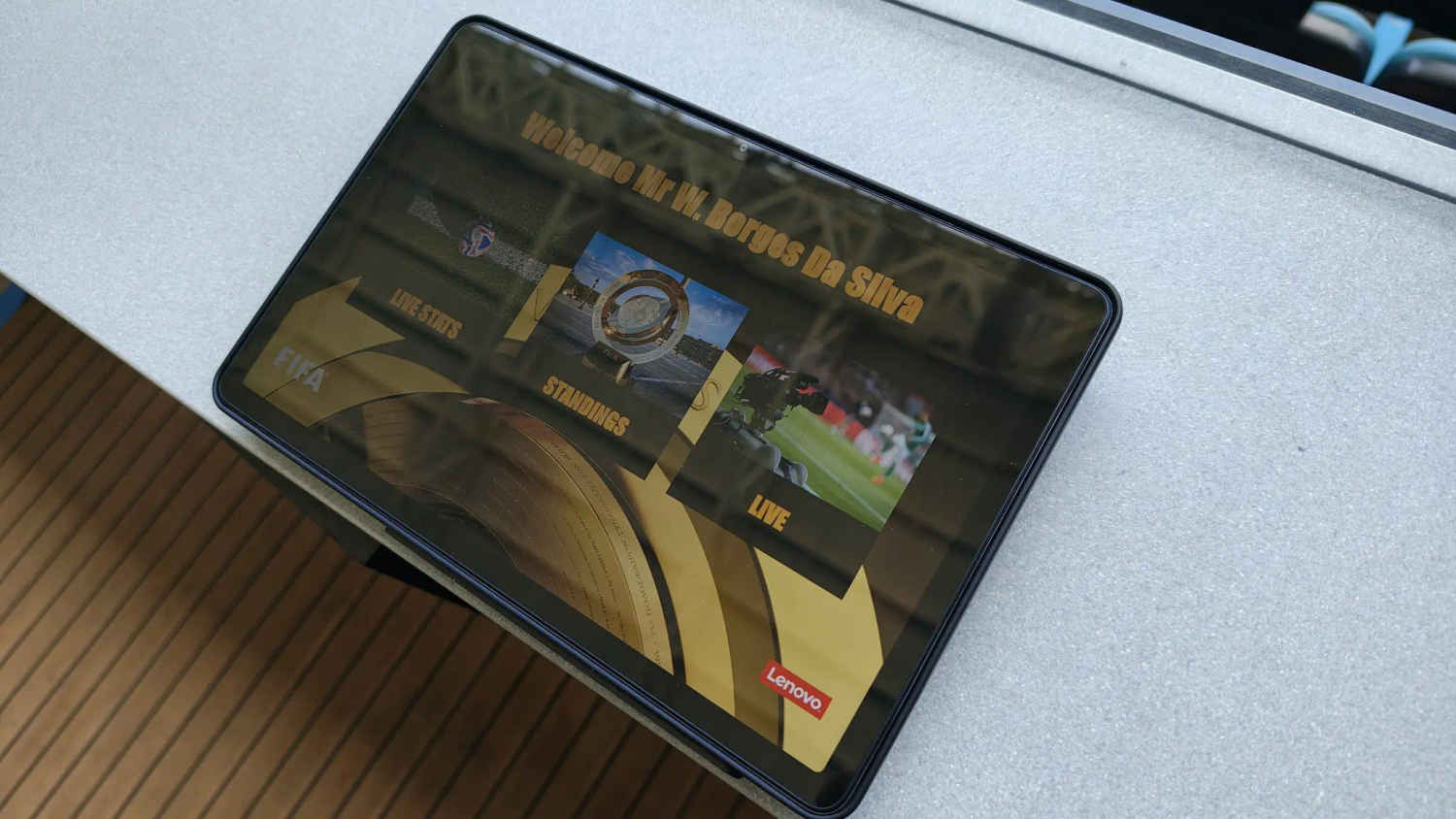
Lenovo’s new system puts VAR-level access directly in your hands. Using high-performance Motorola displays and Lenovo tablets docked at premium seats, fans get what you could call the “Director Mode.” Think of it as the NFL’s Red Zone for soccer, except you control it.
Offside call looks sketchy? Pull up the volumetric tracking data yourself. Want to see that tackle from the tactical camera angle? Go for it. You’re not just watching the game, you’re investigating it in real time, with the same feeds the officials see. Before the ref even makes the announcement, you’ve already seen the evidence. It’s the end of the passive spectator era.
Here’s the technical nightmare they’re solving: latency. In previous tournaments, when you pulled up stats or replays on your phone, that data had to travel from the stadium to some data center in another country, get processed, and bounce back. This creates what’s known as “stadium lag” where the guy next to you streaming on his phone sees the goal 30 seconds after you just watched it happen live. Infuriating.
Also read: Elon Musk on Google, Nvidia, AI and danger to humanity
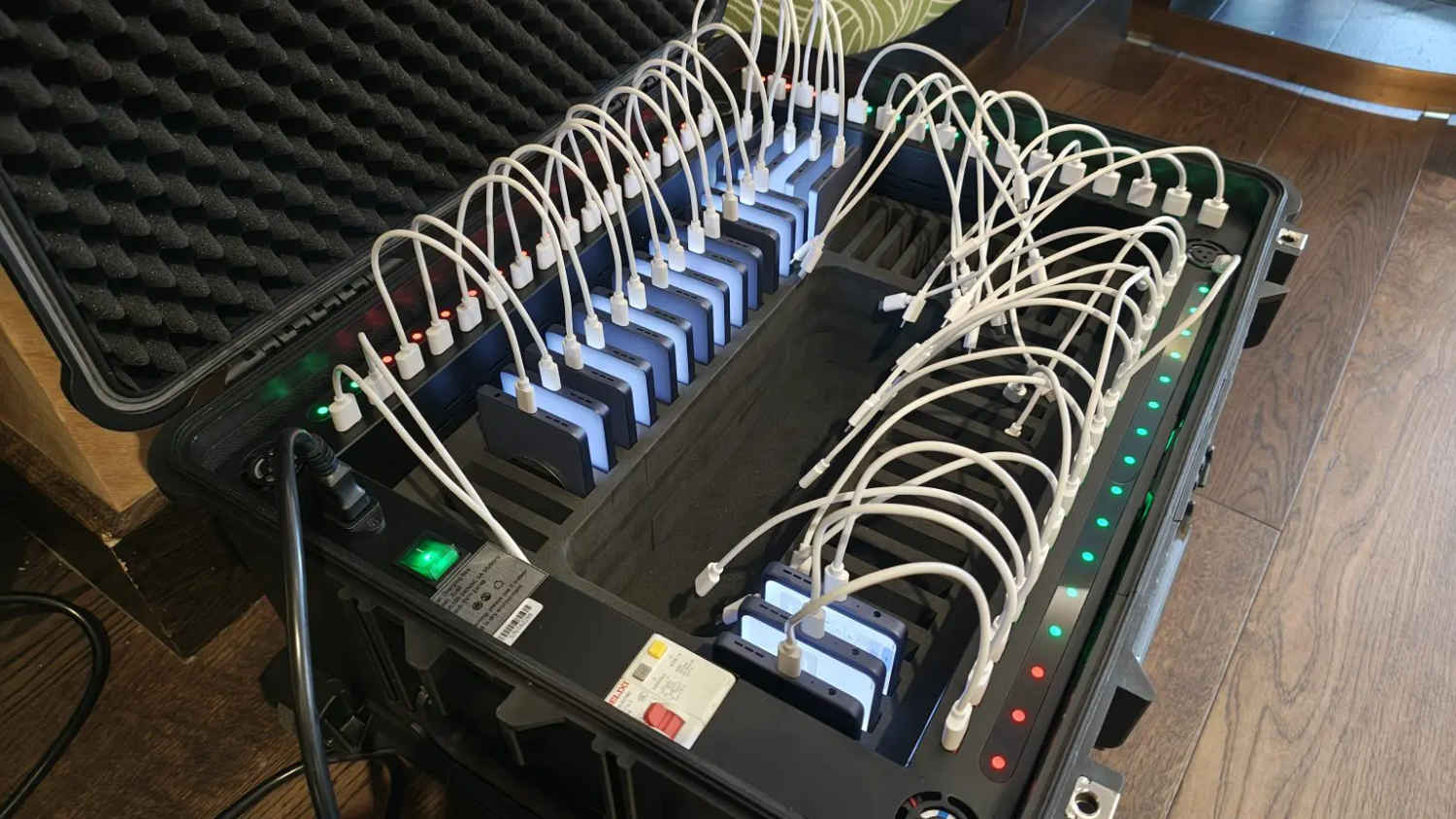
The 2026 fix? Bring the servers into the stadium. Lenovo is deploying what they call “Stadium Edge Terminals” – basically massive computing muscle physically installed on-site. These edge servers process the tsunami of data coming from optical tracking cameras and ball sensors right there, inside the venue. No transatlantic fiber optic journey. No waiting.
The result? Latency drops from seconds to milliseconds. Your tablet feed and the actual game on the pitch are perfectly synced. You see the goal. The data updates. The crowd roars. All at the same moment. Magic.
Now let’s talk about something that rarely gets attention: tactical inequality. For years, elite European clubs have hoarded proprietary analytics systems that cost millions. Smaller national teams? They show up with a clipboard and vibes. It’s not exactly fair.
The 2026 World Cup is flipping the script with a standardized AI-powered tech stack for every team. Powered by Lenovo’s AI-optimized servers, raw tracking data gets converted into actionable intelligence instantly.
That means a coach from a smaller federation can sit on the bench with a tablet and get real-time predictive analytics, alerts about player fatigue, warnings about gaps in the opponent’s defense, suggestions for tactical adjustments. It’s like having a team of analysts whispering in your ear. Suddenly, the underdog isn’t just hoping for a miracle. They’re armed with the same digital weapons as the giants.
The 2026 World Cup won’t just be the largest tournament in history. It’ll be the most computed. By moving processing power to the edge and putting data directly into the hands of fans and coaches, FIFA is finally solving football’s biggest tech problem: making the technology as fast as the game itself.
No more awkward silences. No more blind waiting. Just football, enhanced, accelerated, and finally in sync with the speed at which it’s actually played. The future of the sport isn’t just about better calls. It’s about making sure everyone, from the VAR booth to the nosebleeds, sees the same game at the same time.
Also read: Google Aluminium OS explained: What it is and everything we know so far