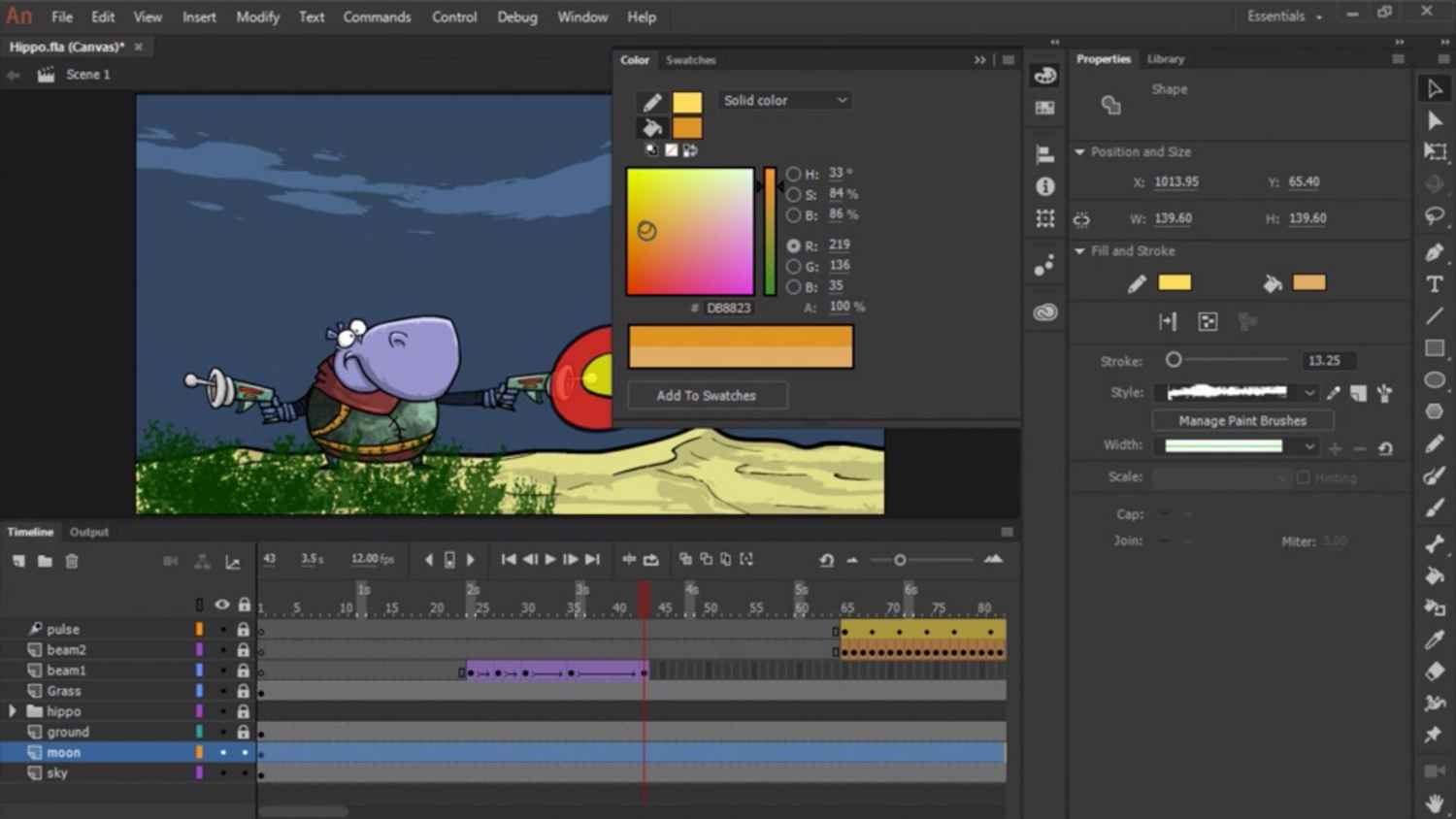
For 48 hours, the animation world felt like it was watching a classic cartoon character run off a cliff, only to realize there was no ground beneath its feet. On February 2, 2026, Adobe pulled the plug on Adobe Animate, sending a “death notice” to millions of subscribers. By February 3, in a move as surreal as a Looney Tunes physics-defying recovery, Adobe reached out, grabbed the character by the collar, and pulled it back to safety. The “Flash-heir” isn’t going anywhere – at least not yet. Here is how the community forced a tech titan to blink.
The initial announcement was cold and corporate. Adobe claimed Animate had “served its purpose,” suggesting users migrate to After Effects or the lightweight Adobe Express. It felt like a strategic move to trim the “legacy fat” and push everyone toward the shiny, new world of Generative AI. But Adobe underestimated one thing: the workflow.
Also read: OpenAI ignoring research, Sora and DALL-E, suggest people leaving ChatGPT maker
Within hours, the internet didn’t just complain; it revolted. Professional animators, indie developers, and studios behind hits like The Cuphead Show and BoJack Horseman pointed out a glaring reality: You cannot “just use After Effects.” Animate occupies a unique “Goldilocks zone” in the creative suite:
Unlike After Effects (which is built for compositing), Animate is built for drawing. Its vector brushes and frame-by-frame timeline are irreplaceable for hand-drawn 2D animation. From “The Jackbox Games” to educational web tools, Animate remains the engine for interactive content that After Effects simply wasn’t designed to handle.
By the time the sun rose on February 4, Adobe had issued a rare, humbling apology. They didn’t just walk back the discontinuation; they moved Animate into a state of Indefinite Maintenance Mode.
Also read: Next-gen Xbox with AMD graphics: Key features to expect
This means the software has effectively become a “protected heritage site.” While it won’t be receiving the flashy AI features of the Firefly era, it will receive critical security patches and OS compatibility updates. For creators, this is a bittersweet victory. The tool is safe, but its evolution has essentially stopped.
This wasn’t just about sentimentality; it was about subscription retention. Adobe realized that killing Animate would drive a massive chunk of their “All Apps” subscribers straight into the arms of competitors like Toon Boom Harmony or Clip Studio Paint.
In the age of AI, where every tech company is obsessed with what’s “next,” the Animate saga is a stark reminder that the tools of the “now” still pay the bills. Adobe tried to kill the past, but the creators who build the future wouldn’t let them.
Also read: Indians get 13 scam messages daily, AI and deepfake boosting scams