Telescope Chile
High in the Andes Mountains of northern Chile, something extraordinary is happening. Perched on the peak of Cerro Pachón at an altitude of 2,682 meters, the Vera C. Rubin Observatory is set to change the way we explore the night sky. Built for one of the most ambitious astronomy projects ever, the Legacy Survey of Space and Time (LSST) is more than just a powerful telescope. It’s a game-changer for science.
Here are five incredible facts that show just how groundbreaking this facility really is.
Also read: Interstellar Visitor Spotted by Astronomers: What Is It?
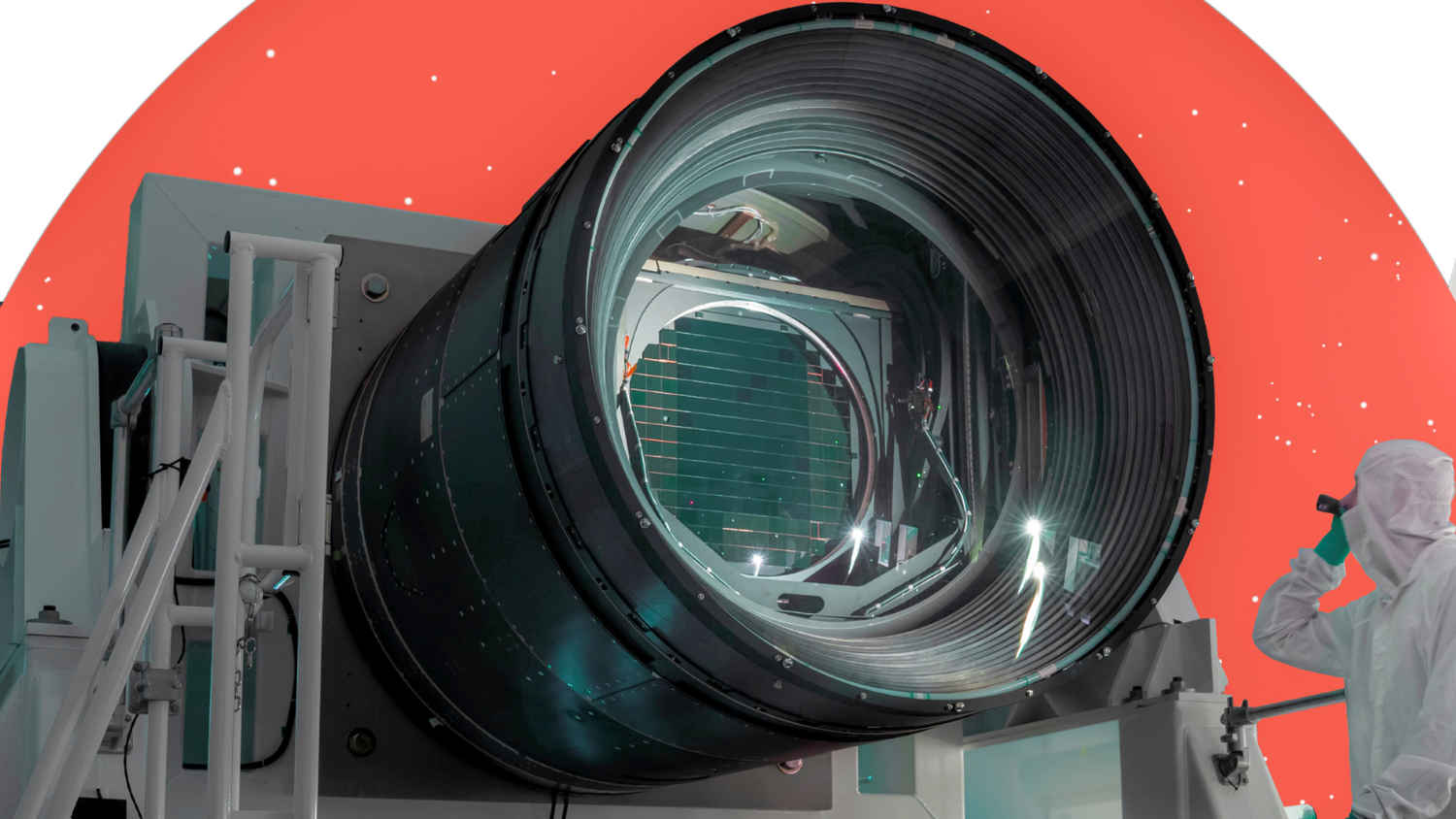
At the core of the Rubin Observatory is a technological giant: the largest digital camera in the history of astronomy. It weighs almost three tons and is about the size of a small car. With a 3.2-gigapixel resolution (that’s 3,200 megapixels), this camera can capture incredibly sharp images. Its sensor is 5.5 feet wide and made up of 189 CCD detectors.
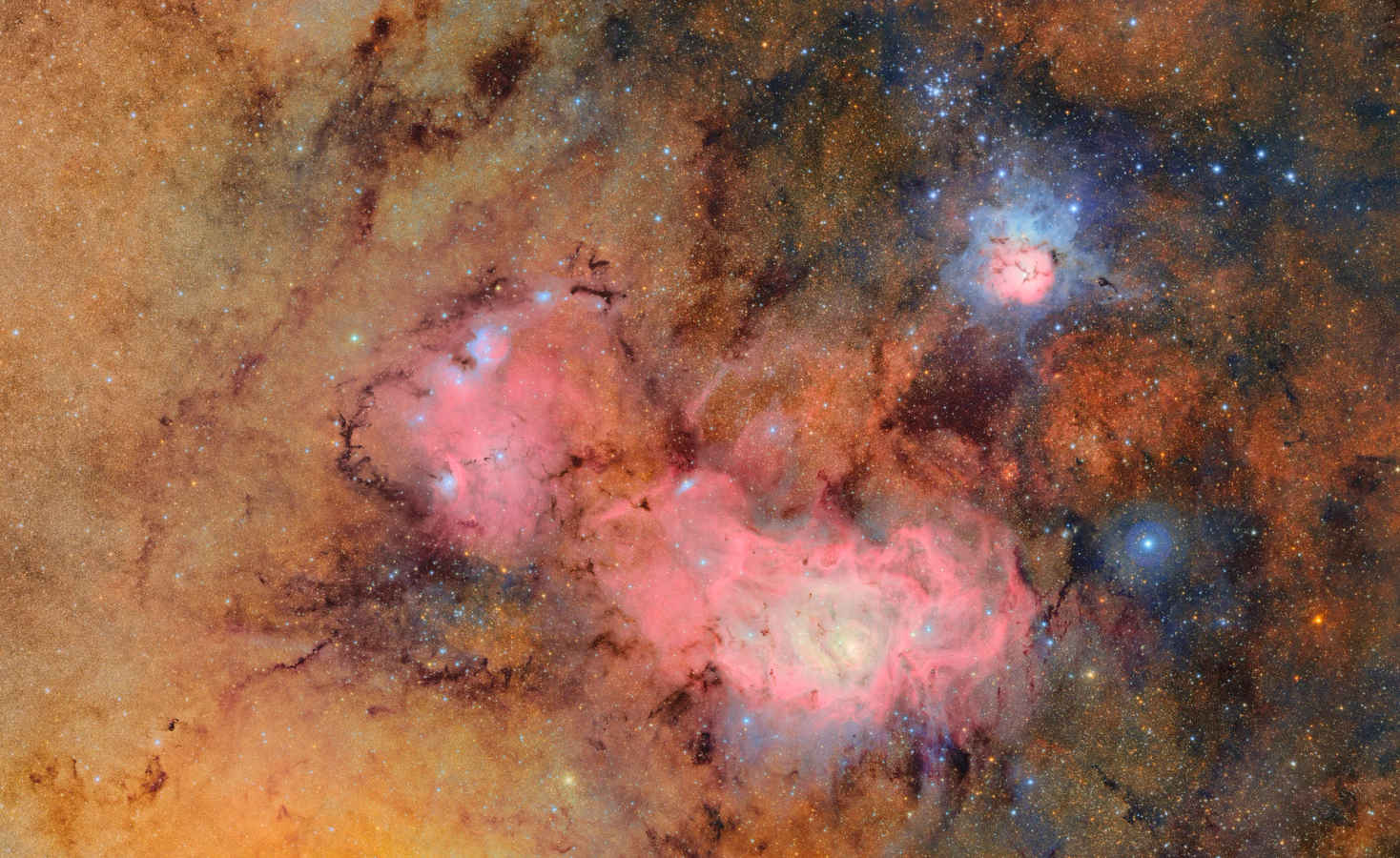
The camera’s wide field of view, 3.5 degrees, or about seven times the size of the full moon, means it can photograph huge areas of the sky at once. In April 2025, it took its first official images, revealing breathtaking details of nebulae and distant galaxies.
Every night the observatory is active, it collects 20 terabytes of data, about the same as taking 5 million smartphone photos every single night. Over the course of 10 years, it will gather around 500 petabytes, which is enough to store the entire content of Wikipedia a 1,000 times over.
Also read: Oldest galaxy in universe: James Webb Space Telescope discovery to rewrite cosmic history?
All this data will be used to build a detailed map of the universe, including stars, galaxies, and objects in our solar system. The observatory has advanced systems in place to process and share this information in real time with scientists around the world.
The Rubin Observatory doesn’t just take pictures, it watches the sky for changes. Its telescope will scan the entire southern sky every few nights and can spot things like supernovae, gamma-ray bursts, and other fast-changing events within 60 seconds of them appearing.
This quick reaction time means astronomers around the world can immediately jump in to study these rare and important events. It’s expected to detect thousands of such events each night, offering a real-time look at a constantly changing universe.
One of the observatory’s standout achievements came during early testing in April 2025, when it discovered 2,104 new asteroids in just 10 hours. That kind of speed and accuracy makes it a powerful tool for tracking near-Earth objects that could potentially threaten our planet.
Over time, Rubin will help scientists map millions of small bodies in our solar system, and maybe even spot clues pointing to the mysterious Planet Nine, a yet-undiscovered giant planet believed to exist far beyond Pluto.
What makes Rubin truly special is its ability to show how the universe changes over time. By photographing the same areas of the sky again and again for 10 years, the observatory is creating a massive time-lapse of the cosmos.
This will help scientists study how galaxies grow and change, how stars are born and die, and how dark matter and dark energy shape everything we see. Fittingly, the observatory is named after Vera Rubin, the astronomer who helped prove dark matter exists.
In short, the Vera Rubin Observatory is more than just a telescope, it’s a new way of looking at the universe. With its powerful camera, fast response time, and massive data output, it’s set to deliver discoveries that will shape our understanding of space for decades to come.
Also read: NASA unveils full-scale prototype telescope that aims to detect gravitational waves