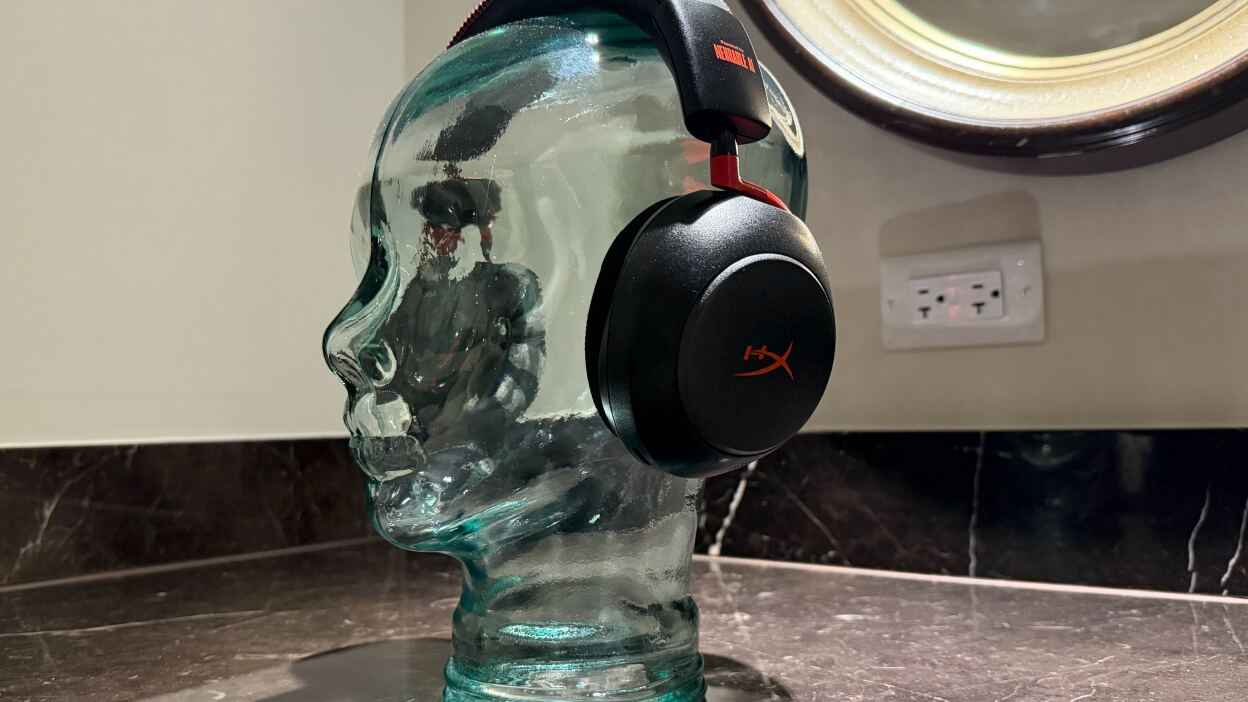
At Consumer Electronics Show, the conversation around gaming hardware has shifted from faster refresh rates to deeper human understanding. One of the most striking demonstrations this year was a gaming headset that claims it can measure a player’s focus directly from their brain. Developed by HyperX in partnership with Neurable, the prototype pushes gaming into territory that once belonged strictly to research labs.
Also read: CES 2026: Zenbook Duo, ProArt PX13 and more, Asus showcases new AI-powered laptops
The technology at the heart of the headset is electroencephalography, more commonly known as EEG. Instead of tracking physical signals like heart rate or eye movement, EEG measures the tiny electrical signals produced by neurons in the brain. Neurable’s approach places these sensors inside the earcups, where they lightly touch the skin around the ears, allowing the system to collect brain signals without requiring intrusive headgear.
Those raw signals are processed in real time by software models trained to identify patterns linked to focus, mental fatigue, and cognitive readiness. The goal is not to read thoughts, but to understand how engaged or distracted the player is at any given moment.
During live demos at CES 2026, players could watch their focus levels fluctuate on screen while playing fast-paced aim training games. When attention dropped, the interface reflected it immediately. When concentration peaked, the system highlighted those moments. One feature demonstrated on the show floor focused on cognitive priming, which attempts to get players into an optimal mental state before gameplay begins rather than relying on trial-and-error warmups.
Also read: CES 2026: Gamesir and Hyperkin show off the world’s first fully modular gaming controller
This turns focus into a visible performance metric, much like frame rate or ping, giving players insight into something that has traditionally been invisible.
In competitive gaming, sustained concentration is often more important than raw mechanical skill. A tool that tells players when their mental performance is slipping could help prevent burnout, improve practice efficiency, and reduce overtraining. Instead of guessing when to stop or push on, players receive direct feedback from their own cognitive state.
For professional esports teams, this kind of data could eventually become as valuable as physical training metrics are in traditional sports.
Importantly, the headset shown at CES 2026 is not a finished consumer device. There is no confirmed price, release date, or supported game list. Comfort, accuracy over long sessions, and real-world reliability still need to be proven.
What CES 2026 ultimately shows is that gaming hardware is no longer content with responding to hands and voices. It is beginning to listen to the mind itself, whether players are ready for that or not.