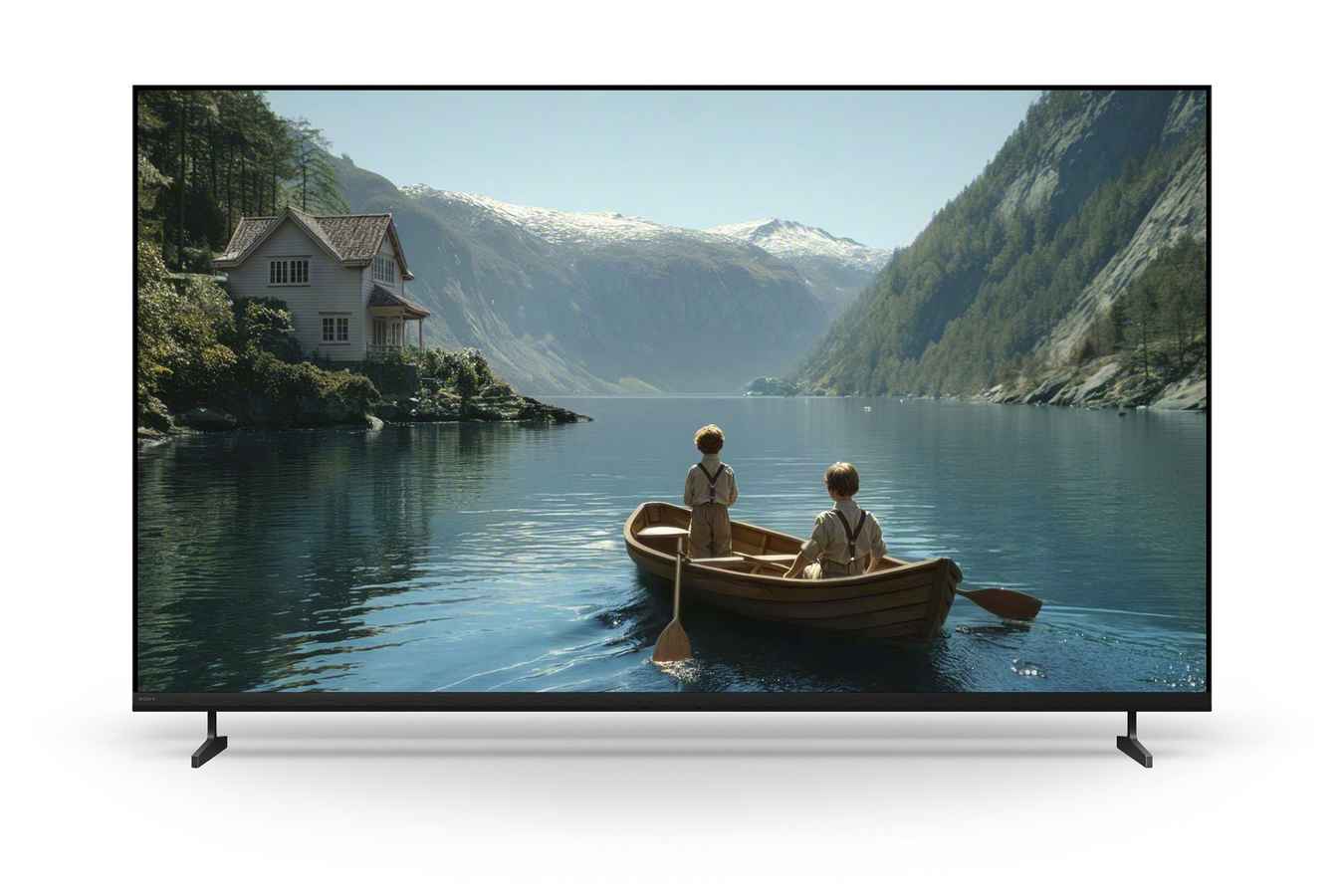
The TV sports native 4K 120Hz support with four HDMI 2.1 ports.
The sizes range from 43-inch up to 100-inch.
Sony Bravia 3 II runs on Google TV with Gemini AI integration.
Sony has introduced the Bravia 3 II globally as part of its 2026 TV lineup. It comes with a big screen up to 100 inches and selected features from the brand’s premium Bravia TVs at a relatively accessible price point. The key highlights include Sony’s XR Processor, 4K 120Hz gaming support with full HDMI 2.1 bandwidth across all ports. It slots in above the Bravia 2 II, and here is why that positioning matters.
Sony Bravia 3 II specs and features: What’s interesting
The Bravia 3 II has a native 120Hz 4K DLED panel combined with four full-bandwidth HDMI 2.1 ports. This means you can connect and use multiple devices like consoles, soundbars, etc., simultaneously. You can pick the screen up to 100 inches, and Sony’s clearly pushing towards large-screen adoption in the mid-range segment.
Another notable addition is the XR Processor, which is a 4K picture processor usually found in Sony’s premium TVs. This one is capable of scene-based optimisation, rather than applying uniform adjustments across the screen.
Also Read: Sony and TCL sign MoU to form global joint venture for TVs and home audio
There are software features like XR Triluminos Pro and AI upscaling that aim to improve colour accuracy and clarity. This should aid in lower-resolution streaming content.
Additionally, there is ALLM (auto low latency), VRR (variable refresh rate to reduce screen tearing) and Auto HDR Tone Mapping for optimal details in highlights and shadows, considering the TV’s peak brightness.
There is no local dimming as it is a Direct LED panel. You get support for standards like Dolby Vision, HDR10 and HLG in visuals, and Dolby Atmos and DTS:X support for audio.
Among other things, the TV also features 2 USB ports, Wi-Fi 6E, Apple AirPlay, Apple HomeKit, Bluetooth 5.3, a LAN port, X-Balanced speakers, Netflix Calibrated Mode, and eARC support. The operating system is Google TV with Gemini AI.
Price and availability
The Bravia 3 II has launched globally and is expected to roll out across markets in 2026.
Global pricing starts at:
- 43-inch: $599 (approx Rs 57,000)
- 55-inch: $799 (approx Rs 76,000)
- 65-inch: $899 (approx Rs 85,000)
- 100-inch: $3,099 (approx Rs 3 lakh)
India pricing and availability are yet to be announced.
Many of these features are not entirely new to the segment, but their implementation, especially with Sony’s focus on image processing, will be worth observing. We will be keeping an eye on its India launch.
Keep reading Digit.in for similar stories.
Also Read: Dolby Vision 2 promises brighter and more precise HDR, but what does it mean for Indian TV market?