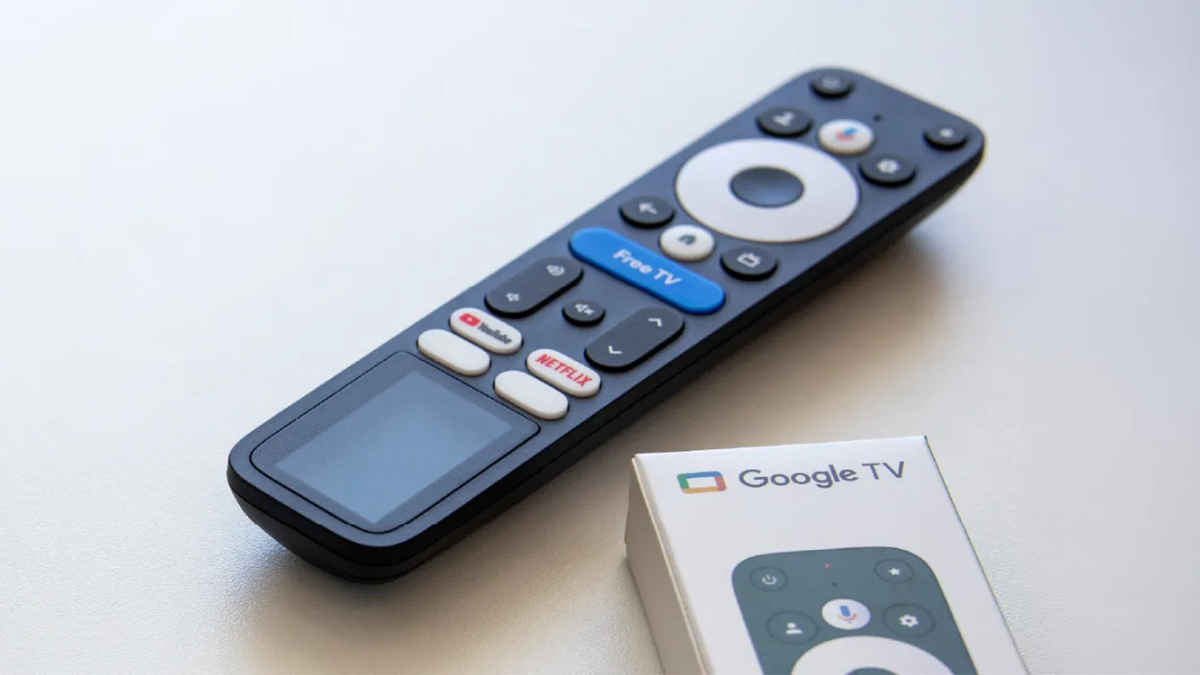
Google’s new G32 reference remote for Google TV uses Epishine’s indoor-optimised solar cells with rechargeable batteries.
The design comes from Ohsung Electronics, giving smaller brands an easy path to adopt solar-powered remotes.
Wider use could cut battery waste and bring Samsung-style solar charging to affordable streaming devices.
Google TV devices could sport solar-powered remotes in the future, hinting at a shift away from disposable batteries. Epishine, a Swedish company that builds solar cells for indoor lighting, says its technology is now part of a new reference remote for Google TV platforms, as first reported by 9to5Google. The remote is produced by Ohsung Electronics, Google’s official reference remote supplier, and is designed to run on rechargeable batteries supported by solar cells placed on both sides.
How Google’s solar-powered TV remotes work
The idea is simple. As long as the remote gets some indoor light, it should keep topping up its charge. It would only run out of power if it disappeared into a dark sofa gap for days. This addresses a common issue with TV accessories that depend on AA or AAA cells, which users replace and throw away over and over.
Epishine’s solar cells are built for indoor conditions. Instead of requiring direct sunlight, they produce power from low-level household lighting. This matters because most TV remotes spend their time indoors, often far from windows. Using panels on both sides increases the surface area for harvesting, improving charge consistency even when the remote is flipped.
Solar-powered remotes are not new, but they’re becoming more practical. Hama launched a universal remote using Exeger’s Powerfoyle tech last year. Samsung’s Eco Remote has matured over multiple TV generations, proving that light-powered charging can work for mainstream households. With Google enabling solar-ready reference hardware, more third-party streaming devices could adopt the feature without high development costs.
Companies building Google TV dongles or streaming boxes can create their own controllers, but many take the faster route and use Google’s reference remotes. Walmart’s Onn streaming boxes, for example, ship with modified versions of these designs.
The new solar-powered option is known as the G32 reference remote. It isn’t shipping with any retail products yet, and you can’t buy it separately. Existing versions include the G10 with 22 buttons and the G20 with 38 buttons. Brands often adjust shortcuts for apps like Netflix, YouTube, Prime Video or regional platforms.
Why this tech matters
Battery waste is a growing issue. Many consumers still cycle through disposable batteries for TV remotes, set-top boxes and soundbars. Each swap generates e-waste. Solar-assisted remotes shift that pattern.
Samsung already uses a similar approach for its TV lineup. Its Eco Remote uses indoor light, outdoor light, and even RF harvesting in some generations to reduce or eliminate battery swaps.
In everyday use, the remote charges passively. You don’t need to plug it in, and the battery inside degrades more slowly because it’s never fully drained. If Google’s ecosystem adopts something similar, it sets a standard for smaller brands that rely on Google reference designs.
For most people, this is about convenience. You buy a streaming stick and do not need to worry about its remote dying after a few months. It also reduces one more household task: keeping spare batteries. Over time, it cuts down on battery waste, which is often overlooked compared to phone or laptop e-waste. For smaller brands, it’s a way to offer a more premium experience without reinventing the wheel.
The big question is when manufacturers start shipping devices with the G32 remote. If Google’s partners and the competition choose to adopt this tech, solar charging could become standard in the budget streaming category. For now, it stays a reference design, but its presence in Google’s catalogue shows where the ecosystem could be heading.
Keep reading Digit.in for similar news.