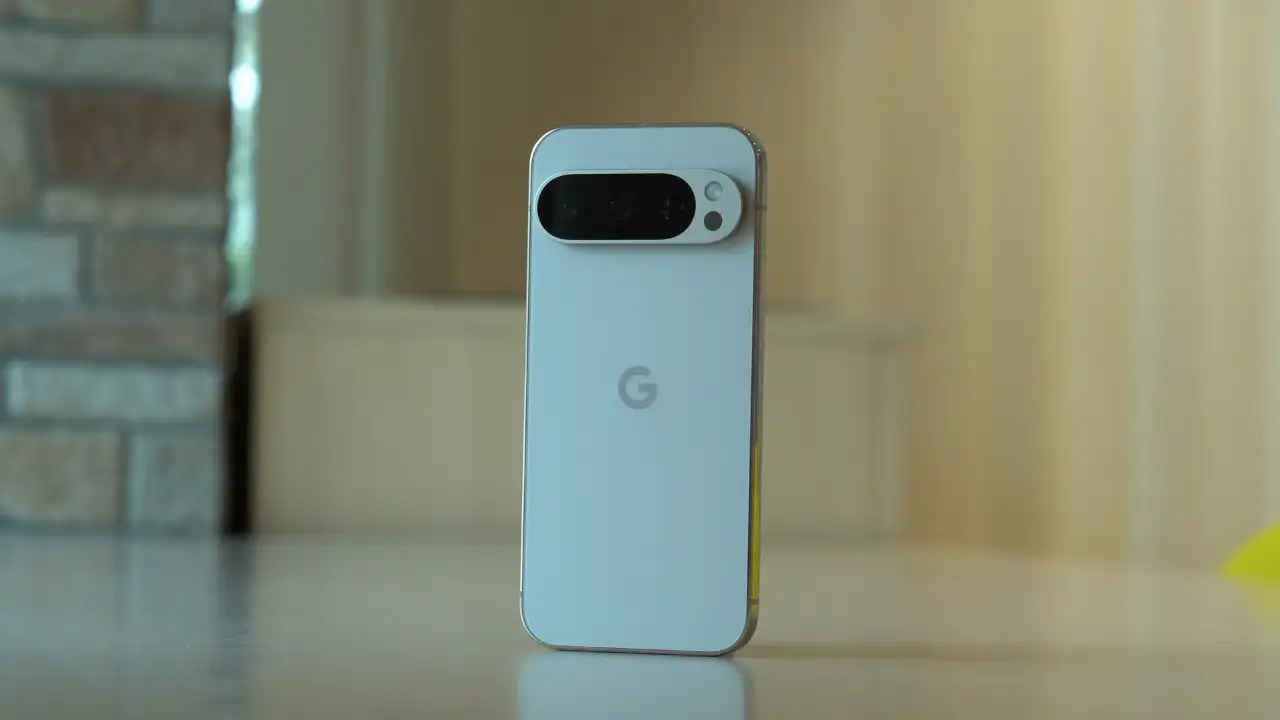
iPhone 17 Air vs Samsung Galaxy S25 Edge: Camera, battery, display and all other differences we can expect
iPhone 17 Air is rumoured to be slimmer at 5.5mm compared to Galaxy S25 Edge's 5.8mm.
iPhone 17 Air may get a 120Hz M14 OLED panel and A19 chip.
Galaxy S25 Edge offers a larger 3,900mAh battery and dual rear cameras.
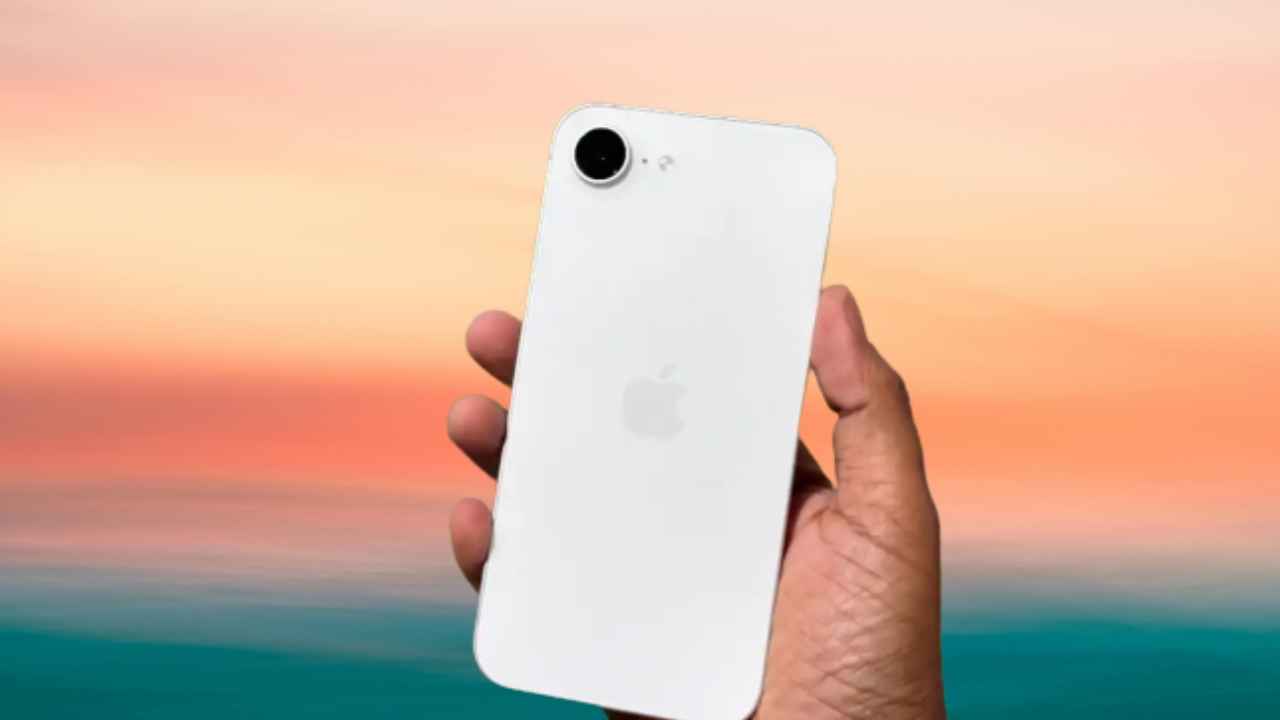
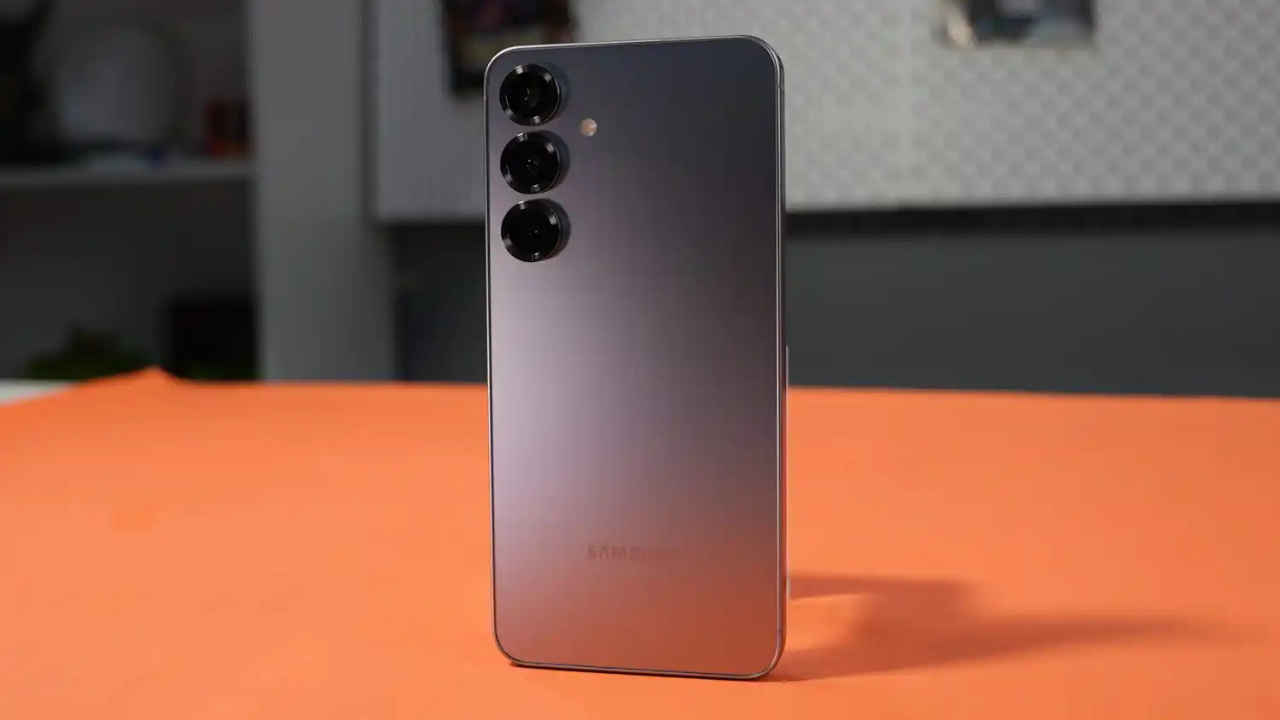
With the popular smartphone brands moving towards slimmer devices, the rumoured Apple iPhone 17 Air and the new Galaxy S25 Edge will likely be in a face-off. While we have already seen Samsung’s newly launched Galaxy S25 Edge, the iPhone 17 Air will reportedly debut in September, and we have to rely on rumours and reports for now. Based on the speculations, the iPhone 17 Air is likely to have an edge over the Galaxy S25 Edge in terms of thickness, but what about other aspects?
Here are five major changes we expect to see on the rumoured iPhone 17 Air.
iPhone 17 Air vs Galaxy S25 Edge: Design and thickness
Starting with the Galaxy S25 Edge, it doesn’t compromise on a premium feel. The device has an edge-to-edge display, a Titanium frame with Victus 2 coating, and a Gorilla Glass Ceramic 2-protected 6.7-inch display on the front. Plus, the device has a thickness of 5.8mm.
On the other hand, the iPhone 17 Air is rumoured to ship with a 5.5mm thickness. However, it is likely to be similar to the Galaxy S25 Edge in terms of an edge-to-edge 6.6-inch display and a titanium alloy frame.
iPhone 17 Air vs Galaxy S25 Edge: Display
Galaxy S25 Edge features an AMOLED 2X display with a QHD+ resolution, and a variable refresh rate of 120Hz. Similarly, iPhone 17 Air too is expected to get Samsung’s M14 OLED panels, and offer a 2,740 by 1,260, according to analyst Ming-Chi Kuo. Additionally, Apple is also likely to upgrade the 60Hz refresh rate to 120Hz refresh rate on standard iPhones as well.
Also read: Apple iPhone 17 Air may launch this year and here are 5 things we might see
iPhone 17 Air vs Galaxy S25 Edge: Cameras
While Samsung has sacrificed a camera sensor on the Galaxy S25 Edge, it still ships with a dual rear camera sensor comprising a 200 MP primary sensor and a 12MP ultrawide sensor. However, the iPhone 17 Air is tipped to have a single 48MP rear camera. On the front, the Galaxy S25 Edge houses a 12MP hole-punch camera, whereas the latter may come with a 24MP sensor.
iPhone 17 Air vs Galaxy S25 Edge: Processor
Apple will likely power the iPhone 17 Air with the A19 chip using a 2-nanometer process from TSMC. While it is said to be more powerful than last year’s A18 chipset, its sleek design could temper its thermal management capacity. On the other hand, the Galaxy S25 Edge is backed by the Snapdragon 8 Elite Mobile Platform for Galaxy, along with a vapour chamber cooling system to manage heat dissipation. It is yet to be known whether Apple, too, will opt for an alternative thermal management method.
iPhone 17 Air vs Galaxy S25 Edge: Battery
Battery is where the Galaxy S25 Edge has an edge over the iPhone 17 Air, as suggested by reports. Despite its ultra-thin frame, the smartphone packs a 3,900mAh battery. However, the iPhone 17 Air is believed to have a 2,800mAh battery. Apple is expected to use high-density silicon-anode cells to improve the actual battery capacity by 15 to 20 per cent.