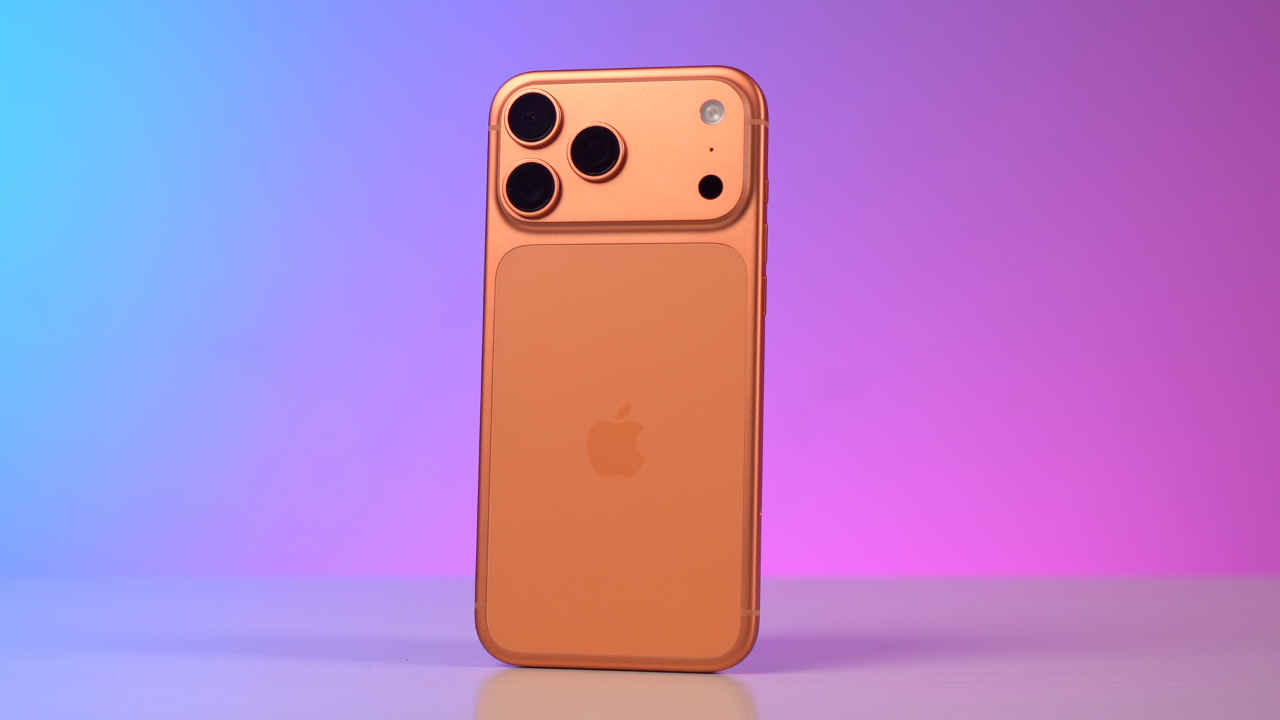
There are many social media posts claiming that several apps show increased price if you are buying something using an iPhone.
But, is the iPhone tax real or the noise is limited to just social media posts?
To find out, I decided to compare prices on Android and iPhone across seven commonly used apps: Uber, Ola, Myntra, Zomato, Swiggy, Blinkit, and Amazon.
The debate between Android and iPhone users has always centered on features, performance, and brand loyalty. But, there seems to be a change. There are question marks over how the app aggregators are charging different sets of users. There are many social media posts claiming that several apps show increased price if you are buying something using an iPhone.
But, is the iPhone tax real or the noise is limited to just social media posts? To find out, I decided to compare prices on Android and iPhone across seven commonly used apps: Uber, Ola, Myntra, Zomato, Swiggy, Blinkit, and Amazon.
How the comparison was conducted
To ensure a fair evaluation, I used one Android phone and one iPhone. For each app, I selected the same item or service, noting the prices displayed on both devices. The comparisons included:
- Uber and Ola: Ride prices for the same route at the same time.
- Myntra: The price of clothing items.
- Zomato and Swiggy: The cost of the same food items from the same restaurants.
- Blinkit: The price of grocery items.
- Amazon: The price of home essentials.
Android vs iPhone prices compared
Uber and Ola
For ride-hailing apps, I checked the price of a ride from Times Now’s office to Spectrum Metro Mall:
- On Uber, the price was Rs 229.99 on Android and Rs 229.94 on iPhone.
- On Ola, the same route cost Rs 156 on Android and Rs 157 on iPhone.
Clearly, the margin in this case is negligible.
Myntra
- H&M Men’s T-shirt: Rs 799 on both Android and iPhone.
- A dress by Uptownie: Rs 2,449 on both Android and iPhone.
Again, we didn’t see any difference in price on either platforms.
Zomato and Swiggy
- Veg Kurkure Momos by Chanda Food: Rs 190 on both food apps across devices.
- Butter Jain Pav Bhaji by Rajendra Bombay Pav Bhaji: Rs 160 on both platforms across devices.
Blinkit
On Blinkit, I selected grocery items:
- Red Potato (Aloo) 1kg: Rs 55 on both Android and iPhone.
- India Gate Mogra Basmati Rice (Broken) 5kg: Rs 357 on both Android and iPhone.
Amazon
- Foldable cloth drying stand by Synergy: Rs 2,352 on both Android and iPhone.
- Metal wall decor wall hanging by DSH Crafting Your Curiosity: Rs 1,799 on both Android and iPhone.
Conclusion: Is your device influencing prices?
From the comparisons, it’s evident that there is no price difference for most products and services on Android and iPhone. While apps like Uber and Ola showed minor variations in ride prices, these differences were marginal and likely due to real-time factors rather than device bias.
For now, it seems that whether you’re team Android or team iPhone, the price you pay on these apps is the same. So, the next time someone debates Android vs iPhone, you can confidently tell them: when it comes to app pricing, it’s a draw!