Uber teams are using an internal AI tool called Dara AI to practice presentations and prepare for the CEO’s feedback.
The AI clone helps employees improve slides, answer tough questions, and get ready for important meetings.
Uber CEO says AI boosts productivity but still cannot fully replace human judgement and decision-making.
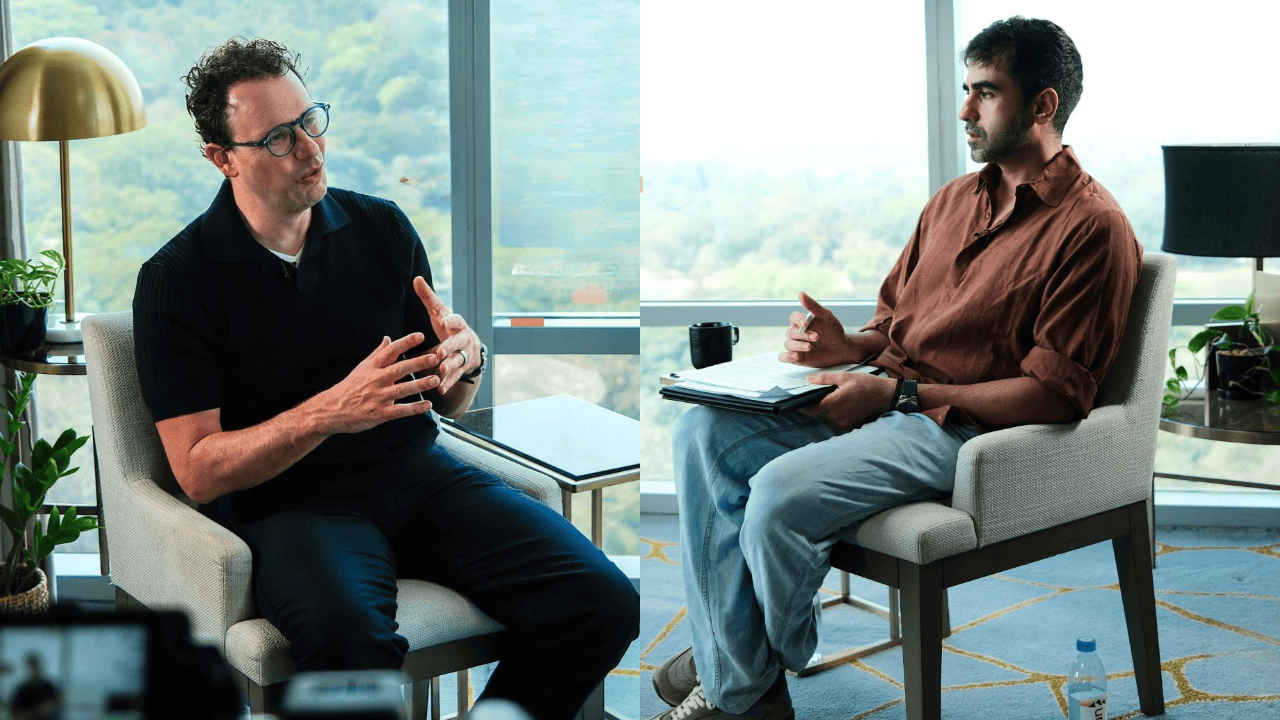
Many experts believe that artificial intelligence (AI) will replace blue-collar jobs. However, in a recent interview, Uber CEO Dara Khosrowshahi stated that the company’s employees are using artificial intelligence to prepare for meetings with him, developing an internal AI tool to simulate his feedback style. Speaking on Steven Bartlett’s show The Diary of a CEO, Khosrowshahi stated that certain teams have created what they call Dara AI.
The tool serves as a rehearsal mechanism, allowing employees to run through presentations and refine their arguments before confronting the actual CEO. Teams can prepare for objections and questions by adjusting slides and strengthening proposals ahead of time.
Also read: Google Pixel 9a price drops by over Rs 13,100 on this platform
It must be noted that it is still unclear how widely the company uses the AI clone within its surroundings. The reports suggest that the development is consistent with broader workplace trends of using AI to navigate high-stakes professional scenarios.
Khosrowshahi also suggested that while AI can analyse the big datasets better, it still struggles with the real-time judgements and nuanced decision making, which he believes are still necessary in execution roles. However, he acknowledged that if AI systems evolve to continuously learn and adapt instantly, even top leadership positions may be at risk.
Also read: From MoodXVIP to Jugunu, Indian govt blocks 5 OTT platforms: Here’s why
The report mentioned that Uber already uses AI to power its ride-hailing algorithms as well as newer initiatives like AI-focused services. According to Khosrowshahi, some of Uber’s engineers actively use AI tools to improve productivity. He noted that increased efficiency could either accelerate hiring to expand innovation or reduce the need for additional headcount, depending on strategic priorities.
While the current scenario appears to be harmless, it can be interpreted as an indication that AI will change the way corporations operate. Companies are already rushing towards automation to increase productivity, raising concerns that many people will lose their jobs.