OpenAI launches ChatGPT backed Atlas browser to rival Google Chrome: Features, how to use and more
OpenAI has introduced a new web browser called Atlas, marking the company’s most significant step yet toward becoming a broader computing platform rather than just a chatbot service. With Atlas, OpenAI now enters direct competition with browsers such as Google Chrome, Microsoft Edge, and Perplexity’s AI-driven Comet.
Announced on Tuesday, Atlas integrates ChatGPT directly into the browsing experience, allowing users to interact with the AI model as they navigate the web. This suggests that the company envisions AI assistants, not users, navigating the complexities of the internet in the near future. The launch is part of OpenAI’s ongoing effort to expand its ecosystem of products, including ChatGPT Pulse, the Sora video creation app, and new developer tools, into what seems like a full operating system built around AI.
A browser built around ChatGPT
OpenAI CEO Sam Altman described Atlas as “a rare once-a-decade opportunity to rethink what a browser can be.” Speaking during a livestream, Altman said that while browser tabs revolutionised web navigation decades ago, innovation since then has been minimal. Atlas, he added, aims to combine the flexibility of a traditional browser with the intelligence of an integrated AI assistant.
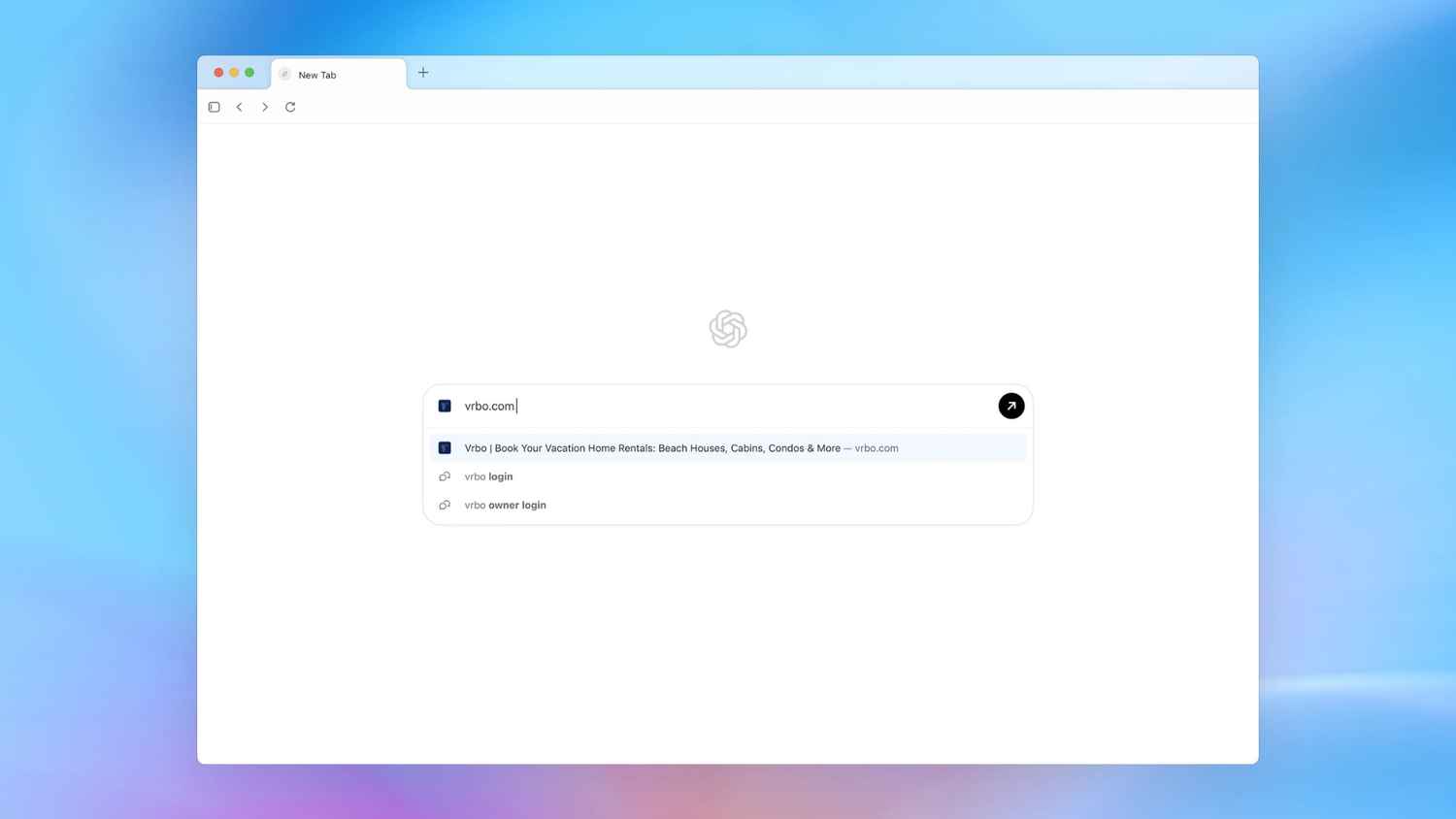
At launch, Atlas offers three key features: Chat, Memory, and Agent. Instead of using Google or Bing, searches are handled through ChatGPT. Users can invoke ChatGPT from any webpage using an “Ask ChatGPT” sidebar, enabling context-aware assistance for tasks like drafting emails, researching topics, or summarising long articles.
The browser also supports Memory, which lets ChatGPT recall information from previous chats and browsing sessions to provide continuity. Users can manage or delete these memories at any time, and an incognito mode disables data collection. OpenAI has stated that browsing content will not be used for model training unless users explicitly opt in.
What is Agent mode?
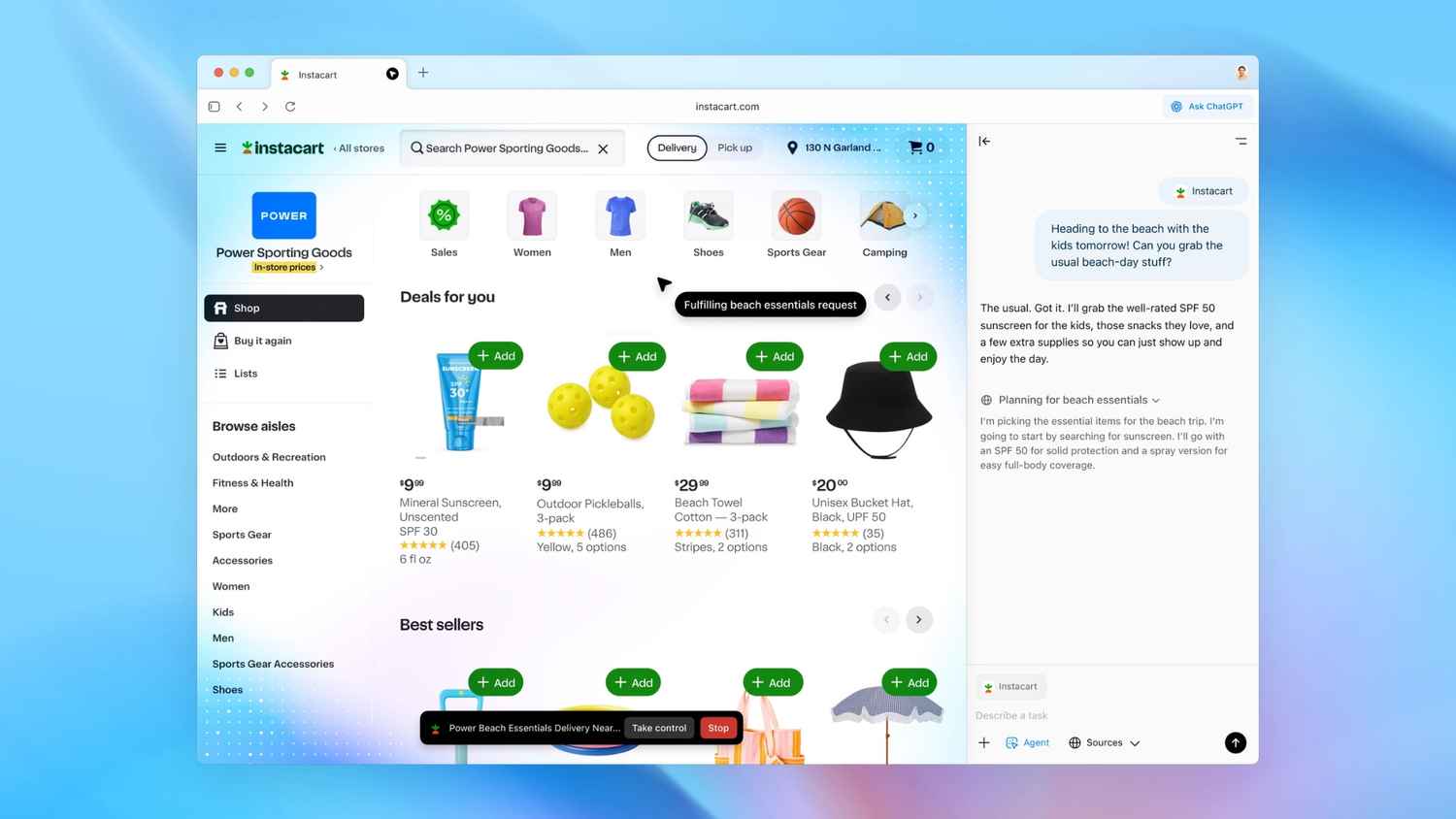
A new Agent mode allows ChatGPT to perform certain online actions on the user’s behalf, such as filling out forms, organising research, or making online purchases. During the demo, OpenAI showed that users can monitor or halt these actions at any time using “take control” or red “stop” buttons.
The company has implemented safeguards to prevent misuse. The agent cannot execute code, install extensions, or access local files, and it pauses automatically on sensitive websites like banks. OpenAI acknowledged potential risks, such as malicious instructions embedded in webpages, and said it is conducting ongoing security testing and red-teaming to mitigate these threats.
ChatGPT Atlas availability and rollout
Atlas is launching worldwide for macOS users starting Tuesday. Agent mode will be available initially to ChatGPT Plus, Pro, and Business subscribers, while free-tier users will have access to the standard browsing experience. OpenAI said Windows, iOS, and Android versions are in development and will be released soon.
To encourage adoption, OpenAI is offering an incentive: users who set Atlas as their default browser will receive a temporary increase in ChatGPT data limits for seven days.
Earlier this month, the company opened ChatGPT to third-party developers, enabling integrations with apps such as Spotify. It has also begun testing in-chat purchasing through partners like Etsy, Shopify, and Walmart.
As Altman put it, Atlas is “a step toward a world where most web use happens through agentic systems where you can delegate the routine and stay focused on what matters most.”