Google Android Show 2025: Android 16 and Wear OS 6 unveiled with improved design, security and new Find Hub
Android 16 and Wear OS 6 introduce "Material 3 Expressive" for more dynamic, user-friendly designs.
Enhanced security includes AI-powered scam detection and Advanced Protection for high-risk users.
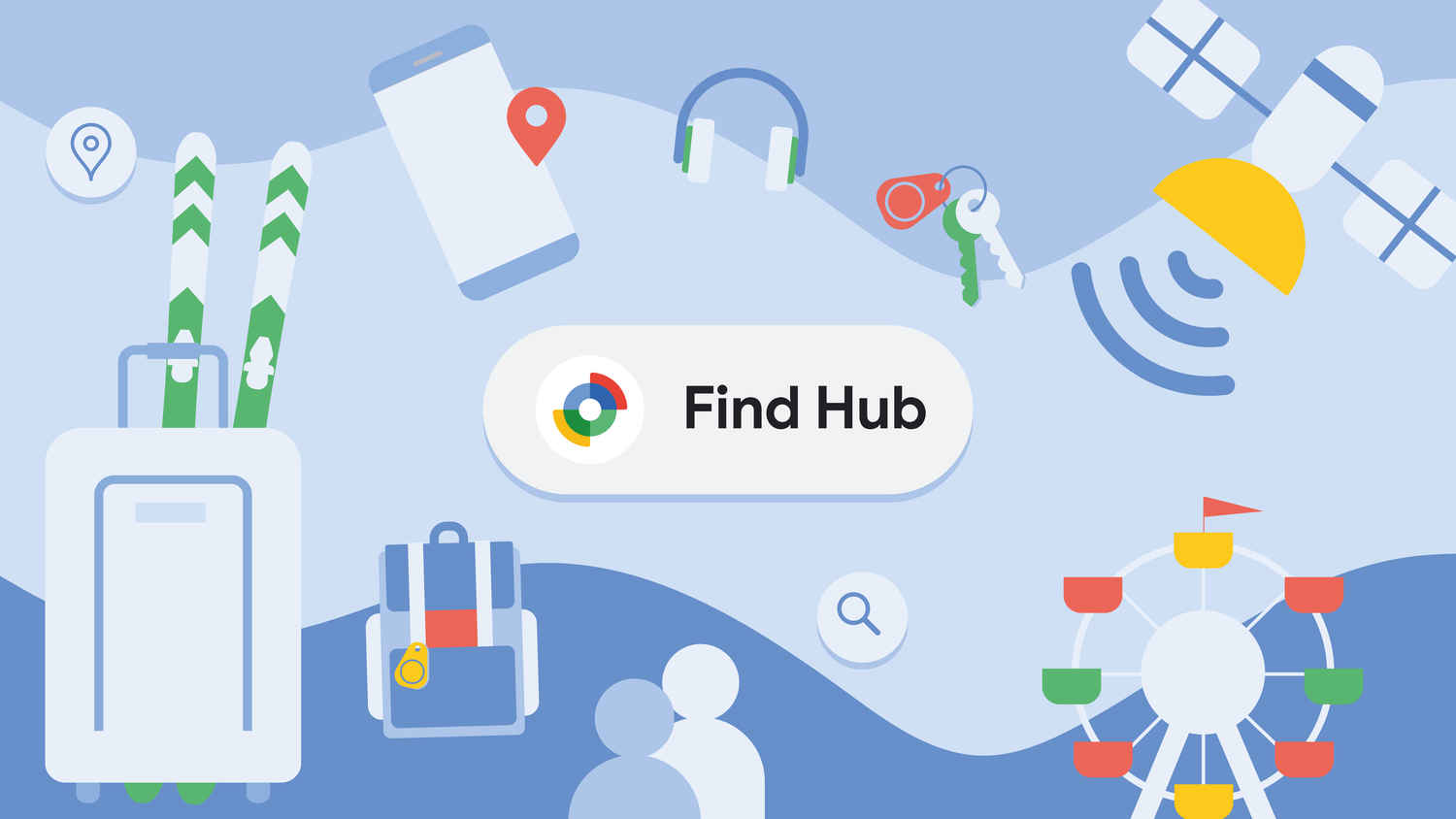
Find Hub replaces Find My Device, adding satellite support and Bluetooth tag tracking for enhanced location services.
Google has lifted the veil on significant updates coming to the Android ecosystem later this year, marking the beginning of its I/O 2025 season. Android, the world’s most popular operating system powering over three billion devices across more than 190 countries, is set to receive a major refresh with announcements centred around a design refresh for Android 16 and Wear OS 6, expanded AI capabilities with Gemini, and comprehensive security enhancements.
Material 3 Expressive: A New Design Language
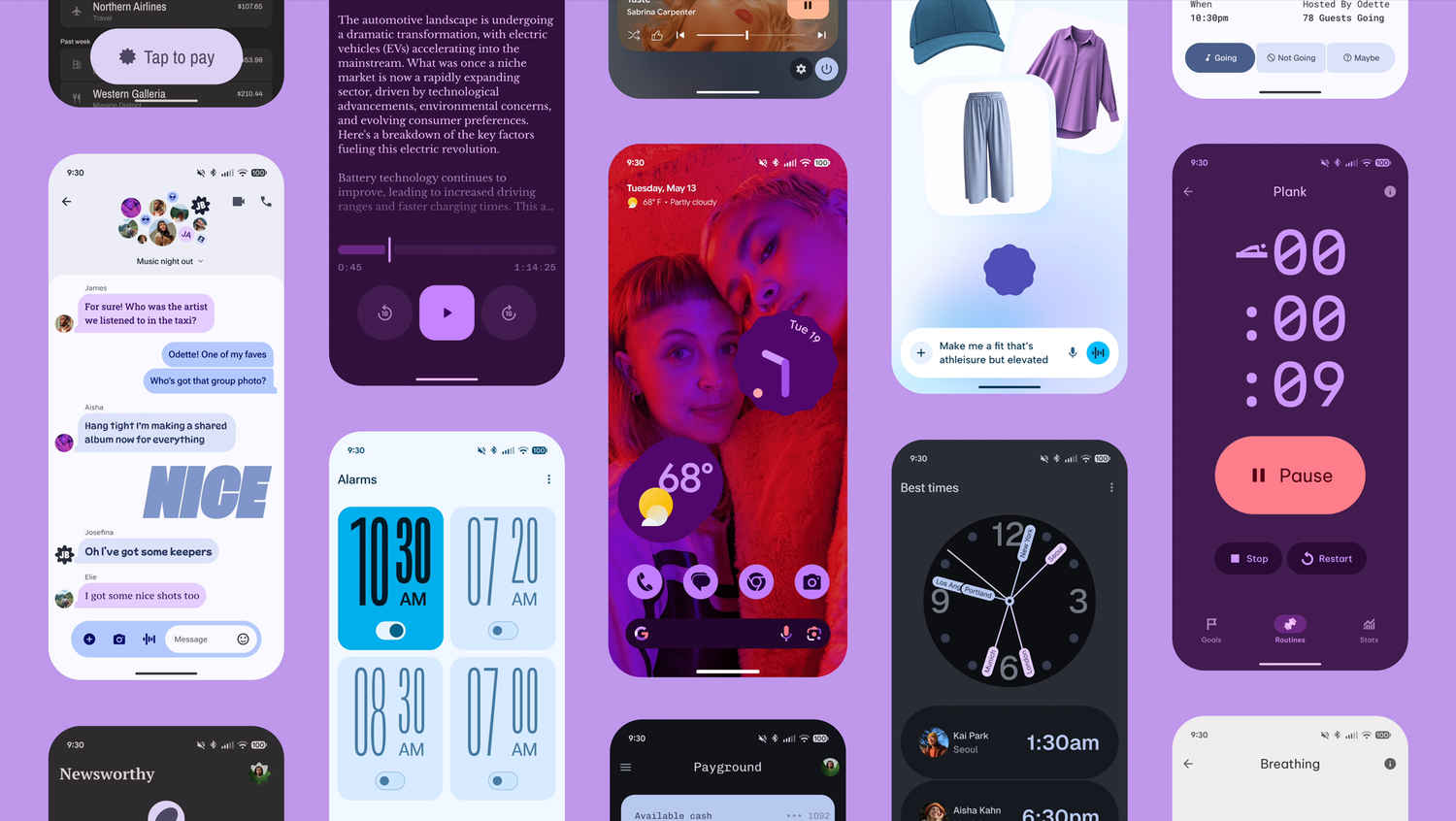
A central theme of the upcoming updates is a major design refresh for both Android 16 and Wear OS 6, dubbed “Material 3 Expressive,” which builds upon the Material You principles introduced in 2021. Google aims to make interfaces more engaging, intuitive, and emotionally resonant through strategic use of motion, colour, and shape.
“Material 3 Expressive is an expansion of new components and capabilities designed to add motion to product UIs,” explained Mindy Brooks, Senior Director of Product and User Experience on the Android team. “The goal is to provide a more premium and engaging experience that’s easier to use, creating a little more joy in those key interactions.”
This design philosophy is backed by extensive research, 46 studies involving over 18,000 participants, making it Google’s most researched design system update to date. The research revealed that users strongly prefer these expressive designs, finding interfaces easier to navigate and spotting key UI elements up to four times faster. Notably, the design helps older users locate elements as quickly as younger users.
For Android 16, key design features include:
- Fluid, natural animations with springy effects when dismissing notifications or apps
- Haptic feedback paired with interactions for a more tactile experience
- A subtle background blur in areas like the notification shade provides depth.
- Updated colour themes, responsive components, and emphasised typography to better reflect the user’s style.
- Improvements are also coming to the home screen grid for better alignment of widgets and icons, and Quick Settings will become more customisable.
- A new Live Updates feature that presents glanceable information from apps like delivery, ride share, and navigation services front and centre. This helps users track real-time progress without getting distracted, allowing them to stay focused.
Wear OS 6 receives similar treatment with design elements specifically crafted for round watch displays, including fluid scrolling animations that trace the display’s curvature, space-efficient buttons that hug the screen’s edge, and dynamic colour theming that extends across the entire system.
“Every motion detail has been thoughtfully crafted,” said Brooks, adding that these updates would “arrive later this year on Pixel devices first.”
The new Wear OS also promises improved performance and power optimisation, delivering up to 10% more battery life.
Enhanced Safety and Security
Android is significantly strengthening its safety and security features to protect users from increasingly sophisticated threats. Stella Lo, Senior Product Manager on the Android platform team, emphasised that Android is “constantly evolving to help keep you safe from the unexpected.”
Key security enhancements include:
- Expanded AI-powered Scam Detection that now protects Google Messages users on all Android devices, blocking “billions of suspicious messages each month”
- New in-call protections that prevent users from taking risky security actions during conversations with non-contacts
- Key Verifier tool for Google Messages that allows users to verify contact identities using public encryption keys
- Enhanced theft protection features, including improved safeguards for one-time passwords and hardened factory reset protections
- Advanced Protection, a device-level security setting aimed at high-risk users that activates “a suite of robust device security features against sophisticated threats”
- Improved Google Play Protect using on-device AI to detect malicious app behaviour
Find Hub: A Unified Location Platform
Google is evolving its Find My Device feature into Find Hub, designed as a comprehensive solution for tracking devices, tags, and sharing locations with loved ones.
“You can check if loved ones got home safely or share your location during a night out,” said Lo.
Ed Fernandez, Google spokesperson for Find Hub, confirmed it will roll out to “all Android devices simultaneously,” rather than being a Pixel-first release. The platform supports a growing list of Bluetooth tag partners, including July, Mokobara, Peak, and Pixbee, with UWB-enabled tags like the Moto Tag.
The Find Hub will gain satellite connectivity later this year, enabling users to stay connected even without cellular service. Early next year, partnerships with airlines including British Airways, Cathay Pacific, and Singapore Airlines will help travellers recover lost luggage through shared Bluetooth tag locations.
“We want Android to respond to you—visually, functionally, and emotionally,” Brooks said. “This is just the beginning.”
These announcements represent Google’s continued commitment to enhancing the Android experience through design, AI integration across various devices, and strengthening user safety and security. More details and demos are anticipated at Google I/O next week.
Read More: Google expands Gemini beyond smartphones to watches, cars, TVs and XR devices