The product could launch as early as September, according to a tipster on X.
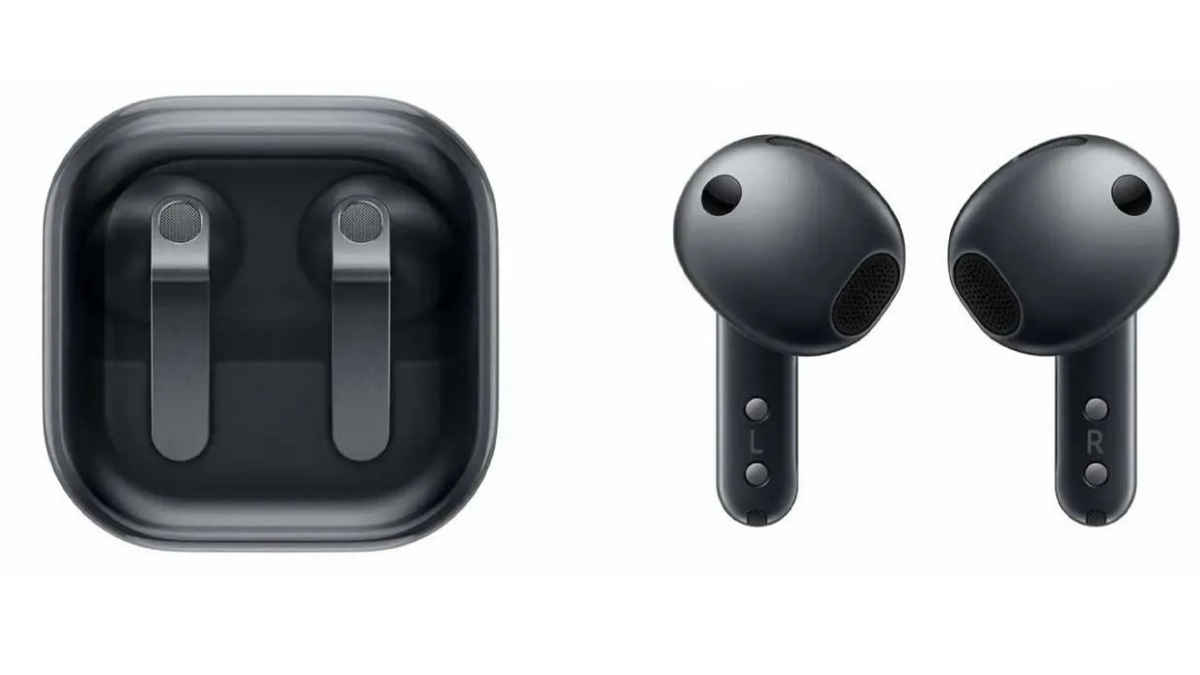
A metal 'eggstone' case and behind-the-ear earbuds are said to be highlights of this design.
High costs and a custom chip suggest a premium price positioning.
OpenAI could launch its first consumer audio hardware later this year, marking a significant shift beyond software, if a new leak is accurate. According to tipster Smart Pikachu, who shared details on X, the company is working on wireless earbuds aimed at competing with Apple AirPods. This could be one of the many products it is working on, and signals the company’s intent to enter the premium wearables segment and build deeper, AI-driven user interactions beyond smartphones.
OpenAI earbuds’ leaked design
Smart Pikachu says the earbuds are codenamed ‘Sweetpea’ and are designed around a metal main unit described as an ‘eggstone.’ Inside this enclosure are two pill-shaped modules that reportedly sit behind the ear rather than inside the ear canal, a departure from most true wireless earbuds on the market.
The tipster also claims OpenAI is planning to use a ‘2nm smartphone-style chip,’ with Samsung’s Exynos platform said to be the preferred option. A custom chip is reportedly being developed to enable voice-based actions that could reduce reliance on phone-based assistants such as Siri.
Also Read: Meta plans to lay off hundreds of employees in Reality Labs division: Report
Cost and launch expectations
According to the leak, the bill of materials for the earbuds could be extremely high, potentially comparable to that of a smartphone. If true, this strongly suggests premium pricing, likely placing the product well above mass-market earbuds.
The same source claims OpenAI is targeting a September release and a first-year production volume of 40 to 50 million units, an ambitious figure for a first-generation hardware product.
The earbuds are reportedly one of five hardware products under development at OpenAI. The leak claims Foxconn has been tasked with preparing all five devices for production by Q4 2028. Among them, the earbuds are said to be prioritised due to involvement from Jony Ive‘s design team. Other products mentioned include a home-focused device and a pen-like accessory, though no further details are available.
Why this matters
If accurate, this would be OpenAI’s clearest move yet into consumer hardware with AI as a big play. For users, where premium earbuds are increasingly popular, this could introduce a new category of AI-first wearables that compete not just on sound quality, but on how naturally users can interact with services such as ChatGPT on the go.
But there are no regulatory filings, certification listings, or supply-chain confirmations to support the claims so far. Details such as a 2nm chip inside earbuds, smartphone-level BOM costs, and high shipment targets are unusually aggressive and may change, or may not materialise at all. As with most early-stage leaks, the final product, if it launches, could look very different.
Those interested in next-generation earbuds may want to wait for more concrete evidence. If OpenAI is indeed planning a September launch, trademark filings, component leaks, or certification approvals should surface in the coming months. Until then, this remains an intriguing but unverified look at how OpenAI might extend its AI ambitions into everyday consumer hardware.
Keep reading Digit.in to stay updated with such news.
Also Read: UK moves to criminalise deepfake explicit images after AI tool Grok triggers alarm