The race to blend music streaming with artificial intelligence has entered a new phase. Spotify’s AI DJ has been shaping playlists with human-like narration since 2023, and now YouTube is testing its own version of AI-powered music hosts. Both features promise to make listening more engaging by adding personality, commentary, and context – but they work in very different ways.
Also read: Eleven Music: AI music generator for all, with no fear of copyright strikes
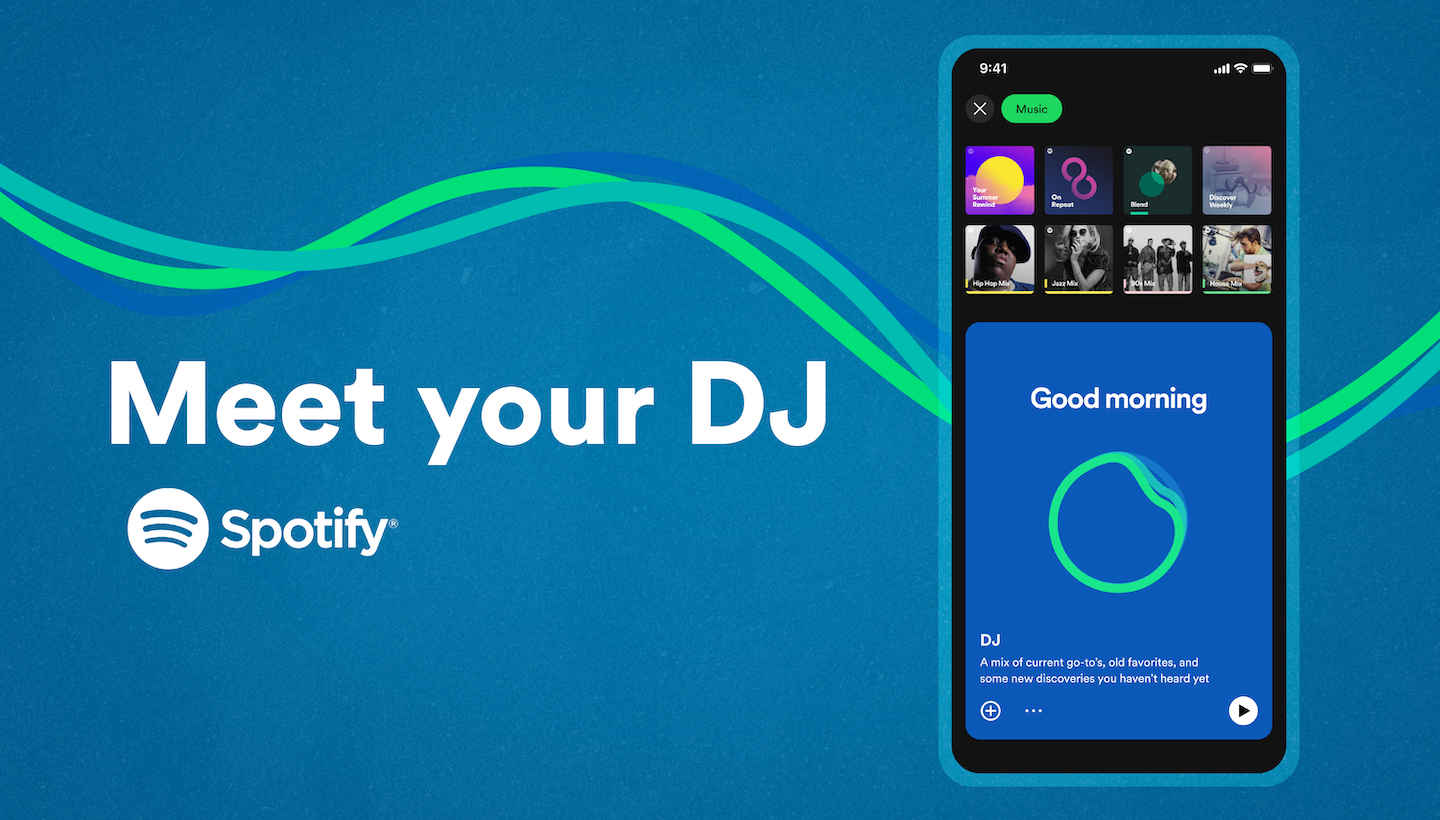
Spotify’s AI DJ has been one of the most prominent experiments in merging machine learning with music curation. Instead of simply generating playlists, the DJ introduces songs in a smooth synthetic voice, drawing on your listening history to shape the flow.
The system learns from your habits – favorite artists, skipped tracks, time of day – and adapts its commentary to feel like a familiar radio companion. In recent updates, Spotify even added voice requests, allowing listeners to ask for moods, genres, or activities (“play some 2000s rock for my drive home”), making the AI DJ feel interactive.
The key is personalization. For Spotify, the AI DJ isn’t just about novelty; it’s a deeper extension of its recommendation engine, narrating why a certain track plays next and weaving your history into a curated listening journey.
Also read: Meet Velvet Sundown: The AI music band with over 10 lakh Spotify listeners
YouTube Music is taking a different path. Through YouTube Labs, the company has begun testing AI hosts that appear in radio-style mixes. Instead of focusing on deeply personalized recommendations, the YouTube hosts add layers of trivia, stories, and fun commentary about the songs or artists in the mix.
Think of it less as a DJ carefully guiding your music and more like a radio presenter who drops in between tracks with anecdotes. For example, a host might share a quick fact about the band you’re listening to or contextualize a hit song with a bit of fan lore.
But this comes with a tradeoff: YouTube warns that the hosts will “interrupt your tunes.” That phrasing hints at the delicate balance YouTube must strike – making sure the commentary feels enriching rather than disruptive. Unlike Spotify, there’s no clear sign yet of interactive controls or voice requests. For now, it’s more about lightweight entertainment layered on top of existing streams.
The contrast between Spotify and YouTube comes down to philosophy.
Both approaches carry risks. Spotify must avoid over-curation that feels stale or repetitive. YouTube, meanwhile, faces the danger of its hosts becoming intrusive, if trivia starts breaking the flow of music, users may switch them off entirely. Accuracy and relevance of AI-generated commentary is another shared challenge.
For now, Spotify holds the advantage in maturity. Its AI DJ is available in multiple countries and has already evolved with voice interaction. YouTube’s experiment is limited to a small group of users in the U.S. via YouTube Labs, and it’s still unclear how deeply the hosts will integrate with personalization.
But YouTube has a unique opportunity: by tying AI hosts to its vast video ecosystem, it could connect trivia with music videos, live performances, or creator content, something Spotify cannot easily replicate. If executed well, YouTube’s AI hosts could feel like a bridge between streaming and old-school radio storytelling.
The bigger picture is that both platforms are converging on the same idea – music streaming with personality. In a world where algorithms have already taken over curation, the next step is giving those algorithms a voice. Whether listeners embrace these digital hosts or prefer uninterrupted music will decide how far this trend goes.
Also read: OpenAI and AI filmmaking: Why Critterz could change animation forever