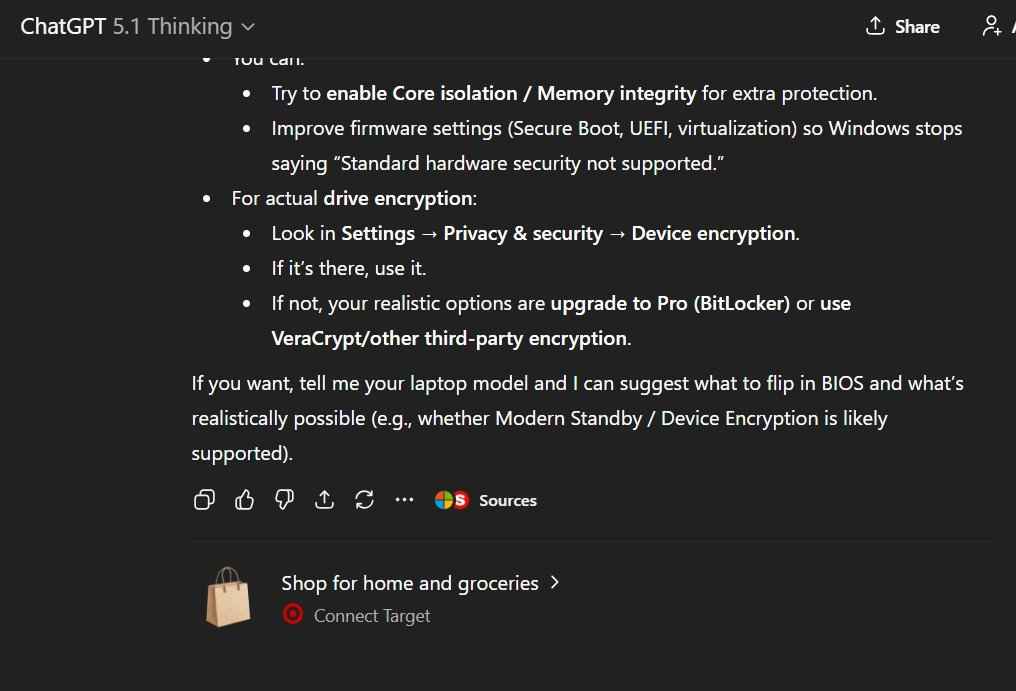
For the past week, ChatGPT users have been puzzled by a new kind of prompt appearing inside their conversations. Seemingly out of nowhere, the chatbot began offering “suggestions” that looked suspiciously like product or app recommendations. Some saw promos nudging them to connect retail partners. Others reported suggestions that seemed entirely unrelated to their ongoing chats. For many, especially paid subscribers, the conclusion was obvious: OpenAI had started showing ads. OpenAI insists that’s not the case.
The company has repeatedly denied rolling out any form of advertising inside ChatGPT. Instead, it describes these placements as experimental “app suggestions” tied to the platform’s growing ecosystem of third party tools, not monetised promotions. After backlash intensified, OpenAI turned the feature off entirely, promising to rethink how such recommendations appear. So what exactly happened, and why is OpenAI so adamant that these suggestions weren’t ads?
Also read: Who is Johny Srouji, Apple’s chip chief and architect of the M-series silicon
The trouble began when users shared screenshots showing prompts like “Shop at Target” or recommendations for apps they hadn’t asked for. Conversations about travel triggered fitness suggestions. A recipe prompt surfaced a shopping tool. The tone and placement of these suggestions felt identical to in-app ads seen across mobile apps.
For a growing number of users, especially those paying monthly fees for Plus or Pro, the reaction was swift. They felt blindsided by what looked like commercial placement creeping into a service they believed was neutral and ad free.
OpenAI’s response, though, was unequivocal: the suggestions were part of a platform experiment designed to surface relevant tools, not a monetisation play. There was, the company stressed, no financial exchange behind the scenes.
Also read: EMotorad Doodle Pro Review: A foldable fat-tyre E-bike that’s fun, flawed but hard to ignore
OpenAI’s argument relies on two key points. First, the suggestions were not paid for by any brand or partner, so they don’t fit the conventional definition of advertising. Second, the company says the placements were meant to demonstrate integrations available inside ChatGPT, similar to how plugins or apps are surfaced on other platforms.
However, intent matters less to users than design. The suggestions looked like ads. They appeared like ads. They intruded like ads. And that, for many, erased the distinction OpenAI was trying to draw.
A senior researcher acknowledged that the rollout “fell short” in execution. The company admitted users should have had clearer control and clearer explanations about what they were seeing.
Facing a wave of criticism, OpenAI pulled the feature entirely. The company now says it will redesign how suggestions appear and will allow users to manage or disable them when the feature returns. Transparency and precision, it claims, will guide the next iteration.
Yet the incident raises bigger questions. If these weren’t ads, could ads still come later? Recent discoveries of ad related code in beta builds of the ChatGPT app suggest OpenAI is at least preparing the infrastructure. At the same time, internal priorities reportedly shifted after leadership called for renewed focus on product quality rather than monetisation experiments.
The result is a moment of uncertainty. Users feel rattled by the idea of a conversational AI shifting into a promotional surface, while OpenAI is trying to balance platform growth, revenue pressures, and user trust.
OpenAI may be correct on the technical definition: no money changed hands, and no true ads were served. But the episode reveals how sensitive users are to any hint of commercial influence in AI systems they rely on.
As AI assistants evolve into multifunction platforms, the line between suggestions, integrations, and advertisements will only get blurrier. This controversy is likely an early preview of much larger debates to come, where design, intention, and transparency matter just as much as the underlying business model.
Also read: Keyboard macros explained: How to setup macros for PC gaming