It’s one thing when a developer on Reddit says AI is taking the fun out of coding. It’s another thing entirely when the person running the company says it.
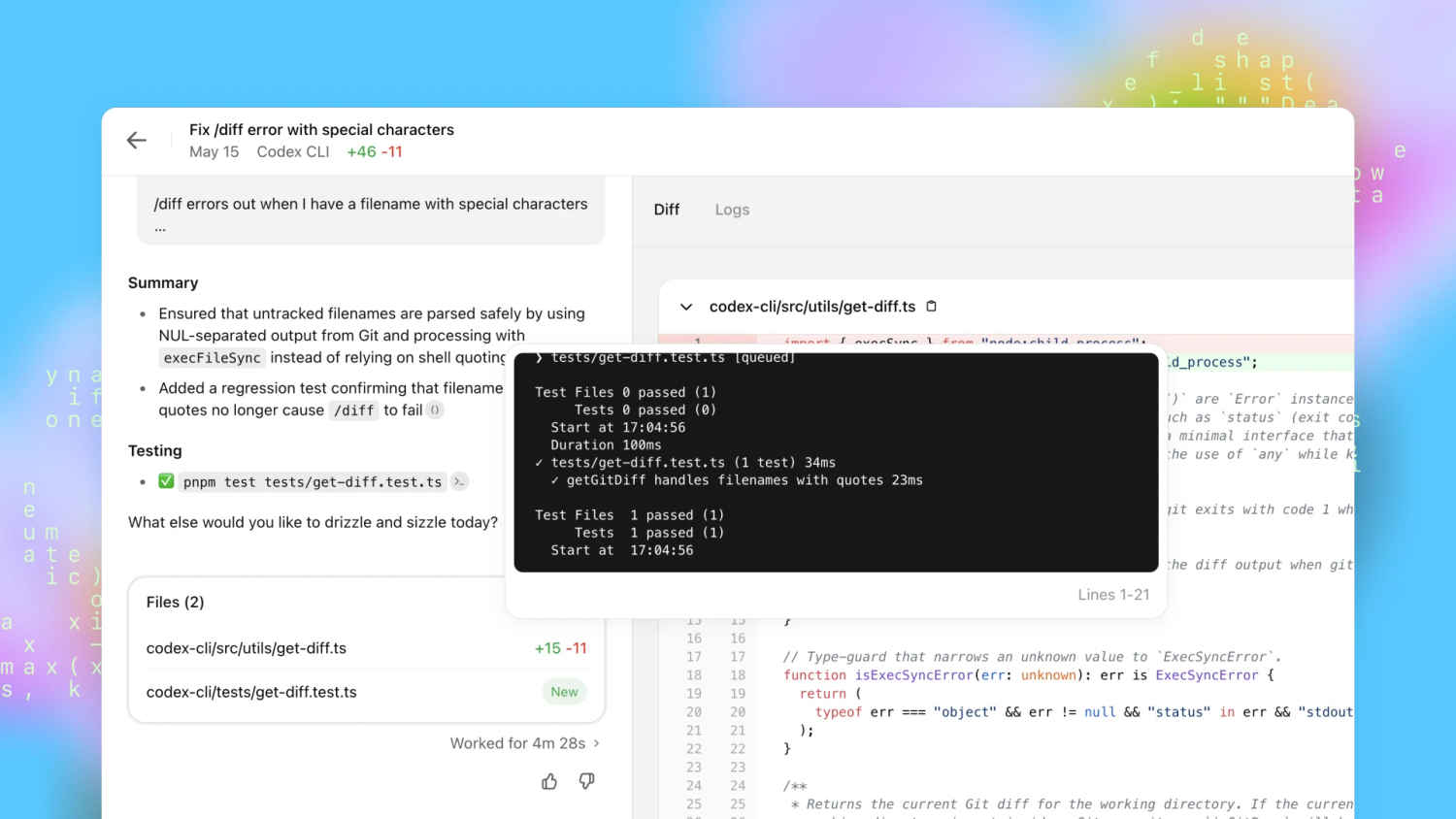
Earlier today, Sam Altman shared a candid moment on X which is most likely . He’d been using the new Codex Mac app, which OpenAI officially launched this morning, to build an application. He said the process was initially fun, but the mood shifted when he started asking the model for feature ideas.
The AI didn’t just help; it out-thought him. Altman noted that several of the suggestions were better than anything he had in mind. “I felt a little useless,” he admitted, “and it was sad.”
Also read: An RTX 5070 Ti GPU with a hole in it set a new world record: Here’s how
For a long time, the narrative has been that AI is a “copilot.” It handles the boring stuff – the boilerplate, the debugging, the documentation – while we provide the creative spark. But Altman’s experience hits a raw nerve for anyone in a creative or technical field: what happens when the copilot is a better navigator than the captain?
When you’re a builder, your value is often tied to that “Aha!” moment, the specific second you think of a solution or a feature no one else did. If a model serves that to you on a silver platter, the project might be better, but the process can feel hollow. You aren’t really building; you’re just approving.
Also read: Inside Snowflake and OpenAI’s $200 million plan for enterprise AI
Altman described this feeling as “nostalgia for the present.” It’s a bit of a mind-bender, but it captures the grief for a version of work that still feels “human” before it’s fully automated.
Even for the person leading the charge toward AGI, there’s a clear sense of loss for the days when human intuition was the only game in town. We are in a weird transition where the tech is incredible, but the psychological side effect, that creeping feeling of being secondary to the tool, is starting to set in.
Altman ended his thoughts by saying we’ll eventually find “better and more interesting ways to spend our time” and “new ways to be useful to each other.”
It’s a hopeful sentiment, but a tough one to process in real-time. If your current way of being useful (coding, designing, or strategizing) is being outperformed by a prompt, “rethinking your purpose” feels less like an opportunity and more like a necessity. For now, it seems even the architects of the future are looking at their creations and feeling a little smaller.
Also read: MoltMatch is a dating platform for AI agents, no we are not kidding