India Quantum Computing
In the tech haven that is Bangalore, a quiet revolution is underway. At the heart of it stands QpiAI, a homegrown quantum computing startup that is fast becoming a symbol of India’s ambition to lead the next technological frontier. Founded in 2019 by quantum physicist Dr. Nagendra Nagaraja, QpiAI blends quantum computing, artificial intelligence (AI), and high-performance computing (HPC) into a formidable engine of innovation. In July 2025, it secured a landmark $32 million Series A funding round, co-led by the Indian government’s National Quantum Mission (NQM) and Avataar Ventures, valuing the company at $162 million and cementing its role as India’s quantum vanguard.
Also read: Building Starling: IBM’s fault-tolerant quantum computer coming in 2029
From the outset, QpiAI pursued a full-stack approach, developing everything from superconducting qubit hardware to hybrid quantum-AI software. Its mission: to build machines capable of solving real-world problems beyond the reach of classical computers. The early years were a flurry of research, partnerships with IBM and TCS, and small but strategic victories in supply chain optimization, pharma R&D, and materials design.
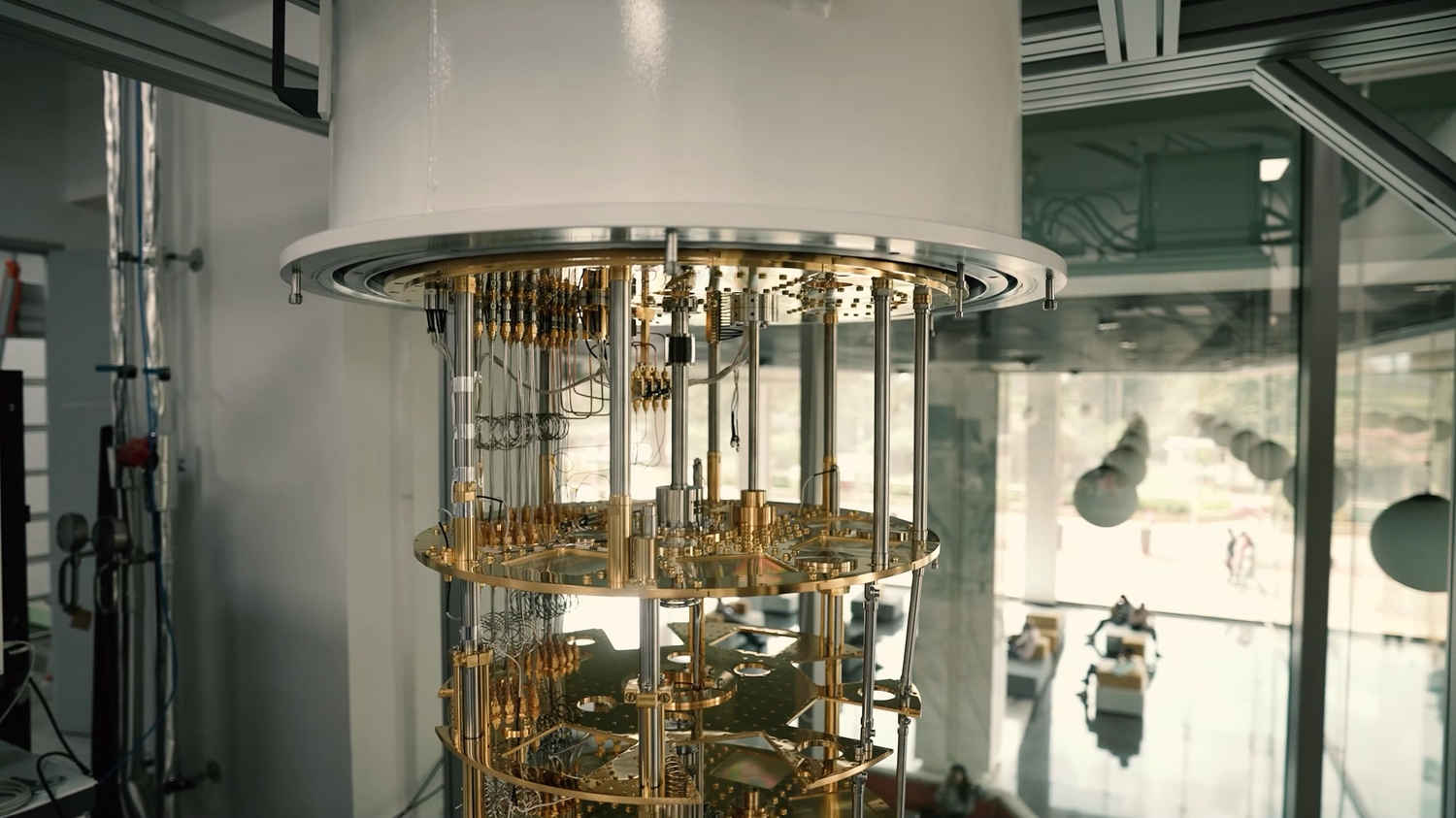
The defining moment came on World Quantum Day 2025, when QpiAI unveiled QpiAI-Indus, India’s first full-stack quantum computer. Featuring 25 superconducting qubits with gate fidelities nearing global benchmarks, the system marked India’s formal entry into the global quantum elite. It wasn’t just a prototype, it was a working machine aimed at applications in drug discovery, logistics, materials science, and climate modeling.
Yet, QpiAI isn’t stopping there. Its roadmap includes a 64-qubit system (Kaveri) in 2026, followed by Ganges (128 qubits) and Everest (1,000 qubits) by 2028. The goal? To reach 100 logical qubits, the foundation for fault-tolerant quantum computing by 2030. If achieved, it would put India on par with the world’s most advanced quantum nations.
Also read: Quantum computing’s next leap: How distributed systems are breaking scalability barriers
This meteoric rise is intertwined with India’s National Quantum Mission, launched in 2023 with a budget of $750 million. The mission envisions not just scalable quantum processors but also quantum communication satellites, quantum key distribution networks, sensors, and new-age materials. As one of eight startups selected under the mission, QpiAI received a $3.5 million grant and a mandate to help realize India’s technological self-reliance.
What sets QpiAI apart globally is its seamless integration of AI and quantum computing. Its proprietary QpiAI Qubits architecture currently boasts coherence times of 30 μs (T1) and 25 μs (T2), with plans to hit 100 μs in 2026. Its software suite, ranging from QpiAI-Pharma to QpiAI-Matter, uses hybrid algorithms to deliver practical quantum solutions, while the QpiAI-SaaS platform makes this power accessible to enterprises. With 11 patents and consistent gross margins of 60%, the company has built not just intellectual capital but financial muscle, with an IPO planned for 2026 or 2027.
Still, the path is anything but easy. India’s dependence on imported cryogenic components poses supply chain challenges. QpiAI has responded by assembling 80% of its systems in-house and planning local manufacturing by 2026. The shortage of quantum talent is another roadblock. Of its 100 employees, only 25 hold PhDs. To address this, QpiAI launched a Quantum Academy, training India’s next generation of quantum engineers, part of its broader effort to build a homegrown talent pipeline.
Looking ahead, the $32 million raised in 2025 will help QpiAI expand into Singapore and the Middle East, scale operations, and accelerate its march toward fault-tolerant computing. In an era where the global quantum market is projected to surpass $7 billion by 2030, QpiAI is well positioned to make India a key player.
“QpiAI is a shining example of India’s potential to lead in quantum technologies,” said Ajai Chowdhry, chairman of the NQM. “Their work is not just about building machines, it’s about building a future.”
As QpiAI takes bold strides into the future, it is proving that India’s aspirations in quantum computing are no longer distant dreams, they’re qubits coming to life, from Bangalore to the world.
Also read: UBC’s Quantum “Translator” Chips: Explained