By now we are all aware of how Indian Armed Forces launched Operation Sindoor, a meticulously coordinated offensive against precisely targeted terrorist infrastructure deep inside Pakistan and Pakistan-Occupied Jammu and Kashmir (PoJK).
Purely from a technology perspective, Operation Sindoor marked a significant evolution in India’s military technology and strategic posture, showcasing cutting-edge weaponry and integrated strike capabilities unlike any seen since the 1971 war, according to reports.
The operation leveraged an advanced suite of precision-guided munitions and platforms, combining air, land, and unmanned systems for a synchronized, high-impact strike. Key parts of the tech-fuelled offensive in Operation Sindoor were as follows:
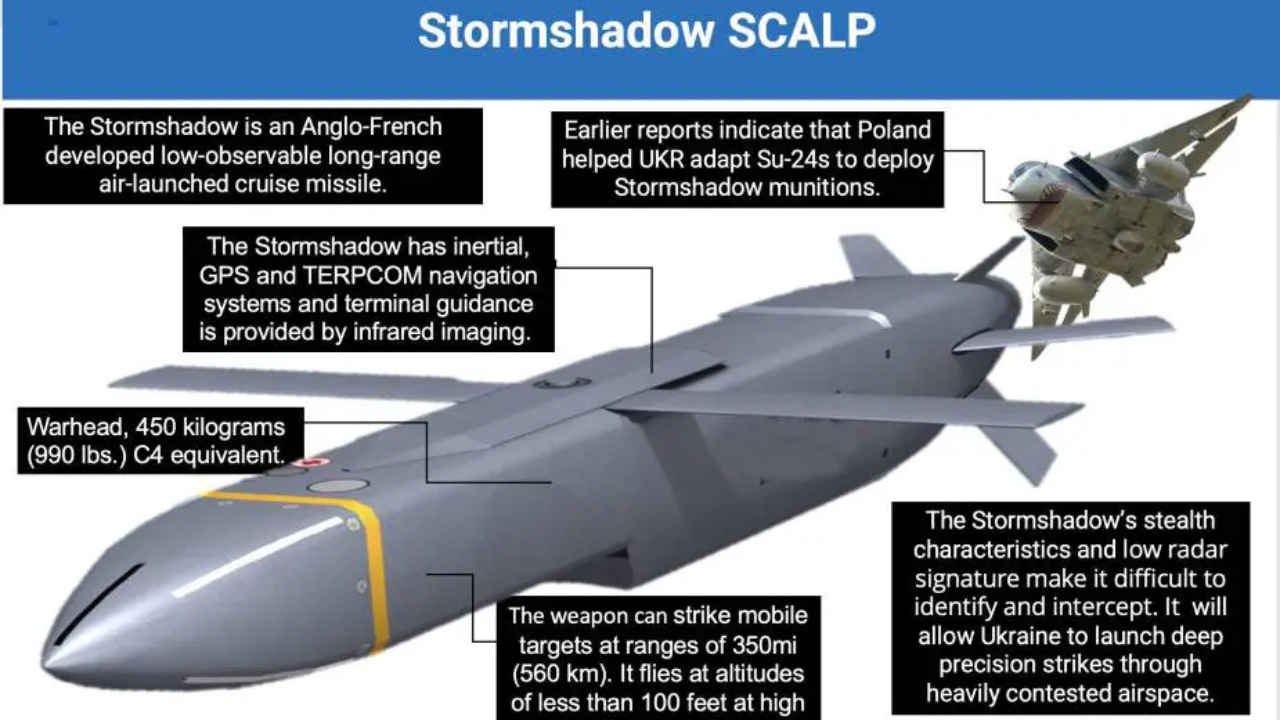
Also known as Storm Shadow, these long-range, air-launched cruise missiles were deployed from Rafale fighter jets. With a range exceeding 500 km and a 450 kg warhead, SCALP missiles fly low to evade radar detection and use infrared seekers for surgical precision, minimizing collateral damage. Similar precision-guided SCALP missiles have also been used in the ongoing Russia-Ukraine war.
Also read: India-Pak conflict: 5 examples of rise in cyber warfare threats
They struck hardened targets such as reinforced bunkers and command centers, including the strategic Pakistan Army’s 31 Corps Headquarters in Bahawalpur, according to reports.
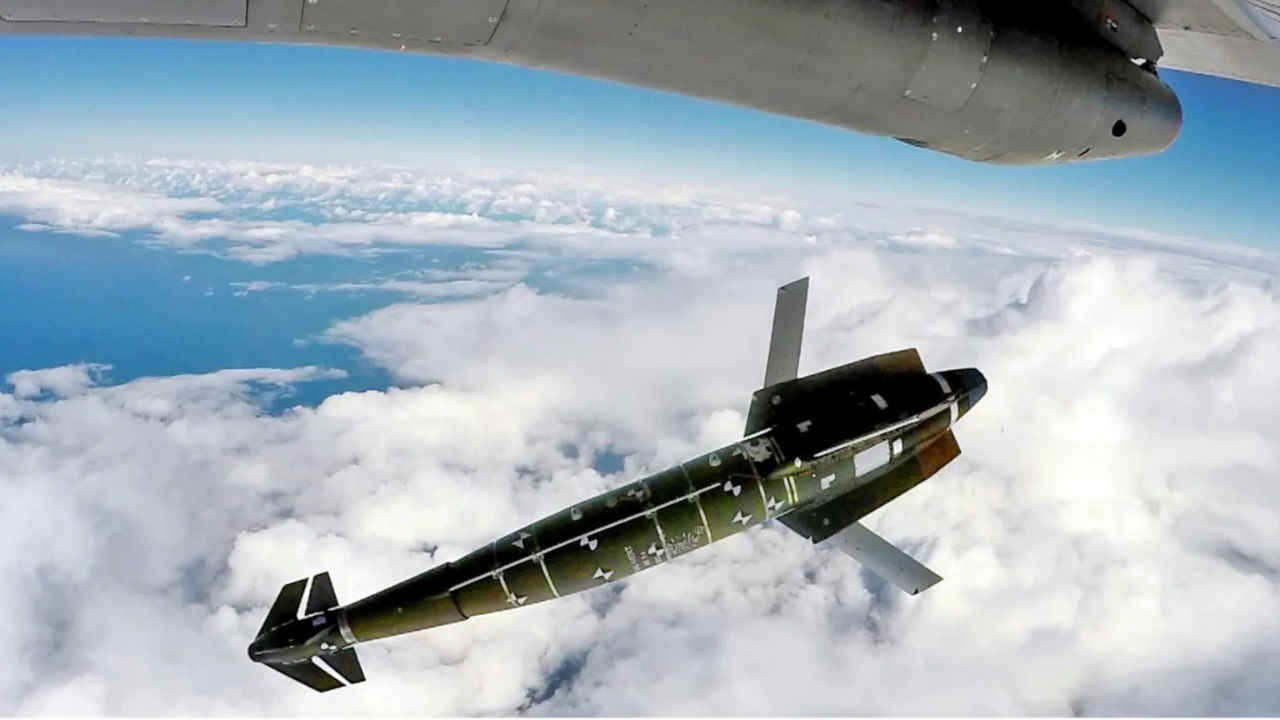
Developed by the French company Safran, HAMMER bombs combine GPS, inertial navigation, and laser guidance to destroy fortified structures and moving targets up to 70 km away. These bombs were used to neutralize multi-storey buildings housing terrorist training and leadership.
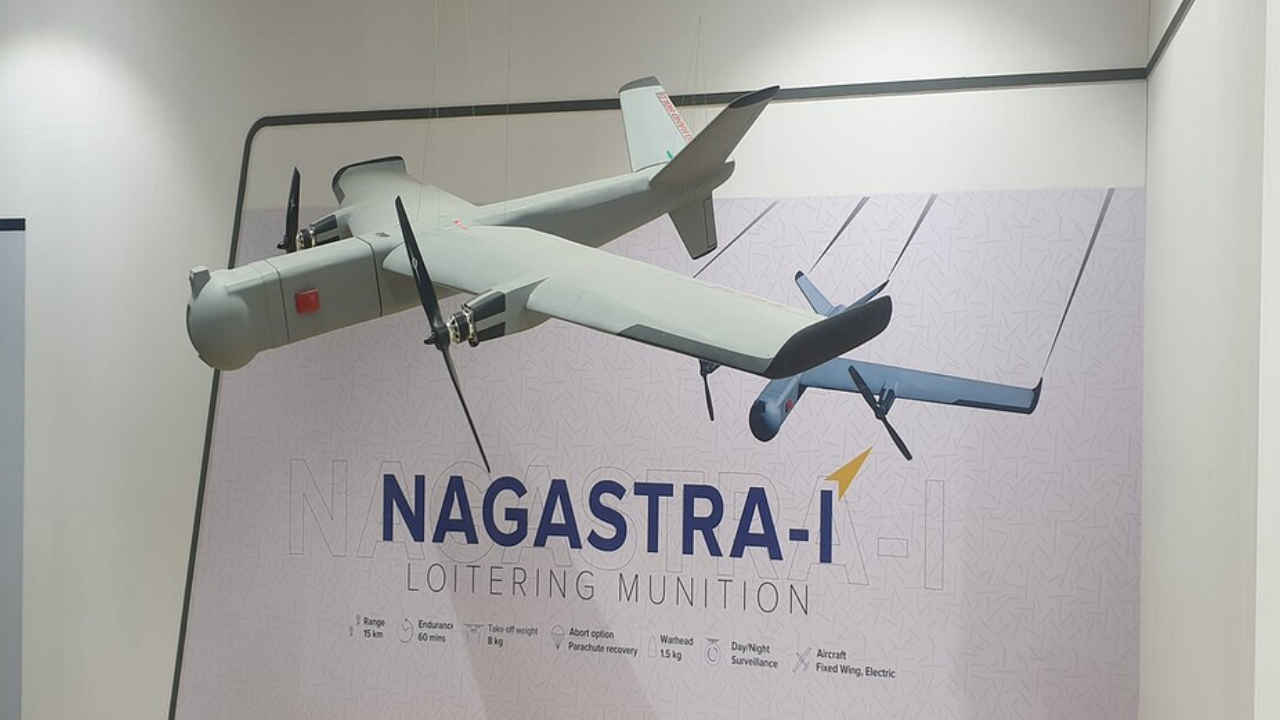
Suicide drones capable of hovering over targets before striking were employed to enhance precision and flexibility, allowing simultaneous multi-vector attacks across various sectors.
The Indian Army also contributed with M777 lightweight howitzers firing Excalibur 155mm precision-guided shells, integrating real-time GPS and drone-based targeting for surgical strikes carried out in Operation Sindoor so far.
Also read: India-Pak Conflict: List of Top Safety Apps and Websites in India You Should Know
This mission showcased the Indian Air Force’s deployment of their premier Rafale fighter aircraft armed with sophisticated SCALP cruise missiles and HAMMER precision-guided munitions, demonstrating a significant evolution in India’s capability to project force at considerable depth. Notably, these strikes penetrated substantially further into adversary territory than the 2019 Balakot operation, representing a quantifiable advancement in India’s counter-terrorism strategic doctrine.
From a comparative military capability perspective, Operation Sindoor has underscored India’s technological superiority relative to regional competitors, particularly in aerial combat capabilities. The Rafale platform’s superior avionics suite, enhanced stealth characteristics, and diverse weapons payload capabilities demonstrated clear advantages over Pakistan’s F-16 Fighting Falcon fleet, showcasing India’s increasingly dominant position in the realm of aerial warfare within the South Asian theater.
Also read: India-Pak conflict: Govt reportedly orders telcos to ensure connectivity, secure border networks