While Neuralink has dominated headlines with its brain-computer interface, Science Corporation, a California-based company founded by Max Hodak, the former president of Neuralink, is quietly making waves in the world of vision restoration. Science Corporation recently acquired Pixium Vision, the French medical technology company behind the innovative PRIMA retinal implant, and has been advancing its development in clinical trials. The results are remarkable: patients who had long struggled with central vision loss are now able to read letters, identify shapes, and even complete crossword puzzles, tasks that were impossible for years.
Also read: What is Compound AI: 5 key features of the finance spreadsheet tool
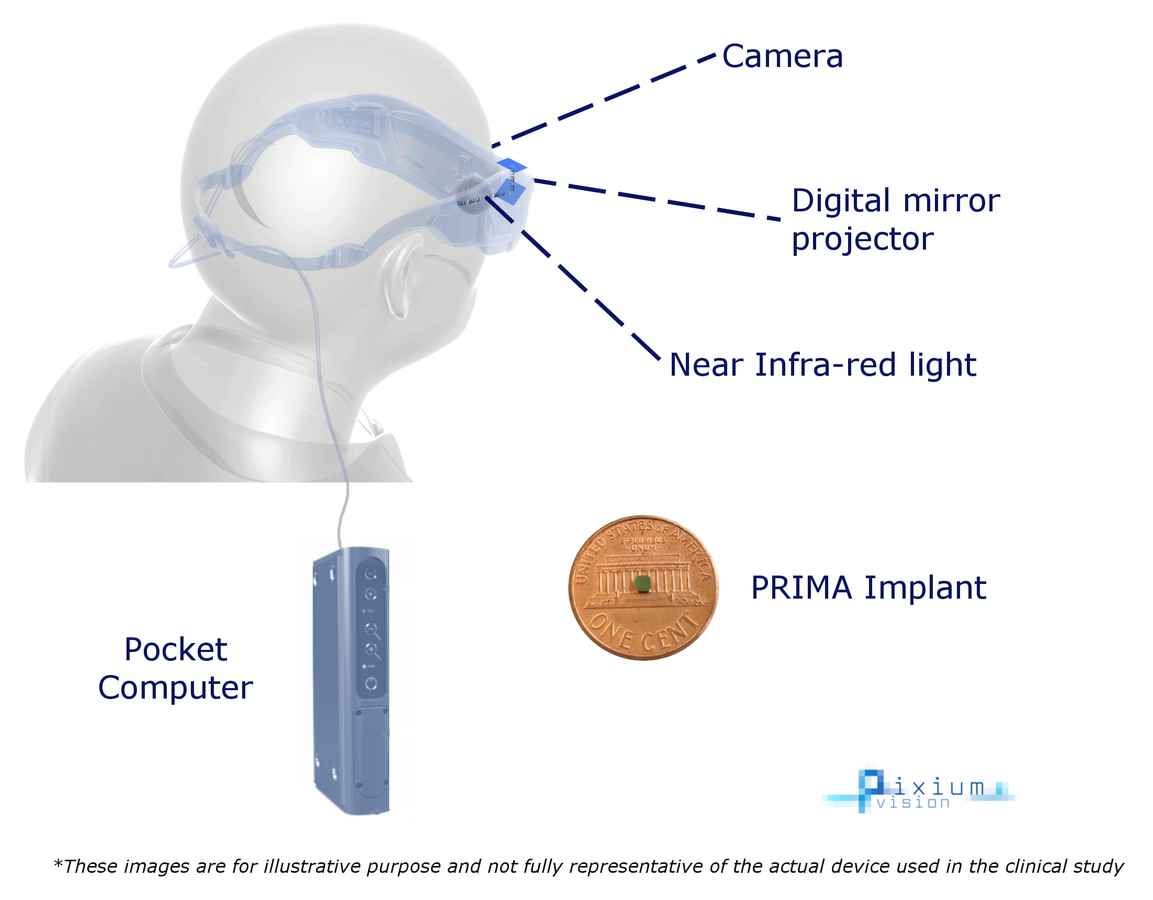
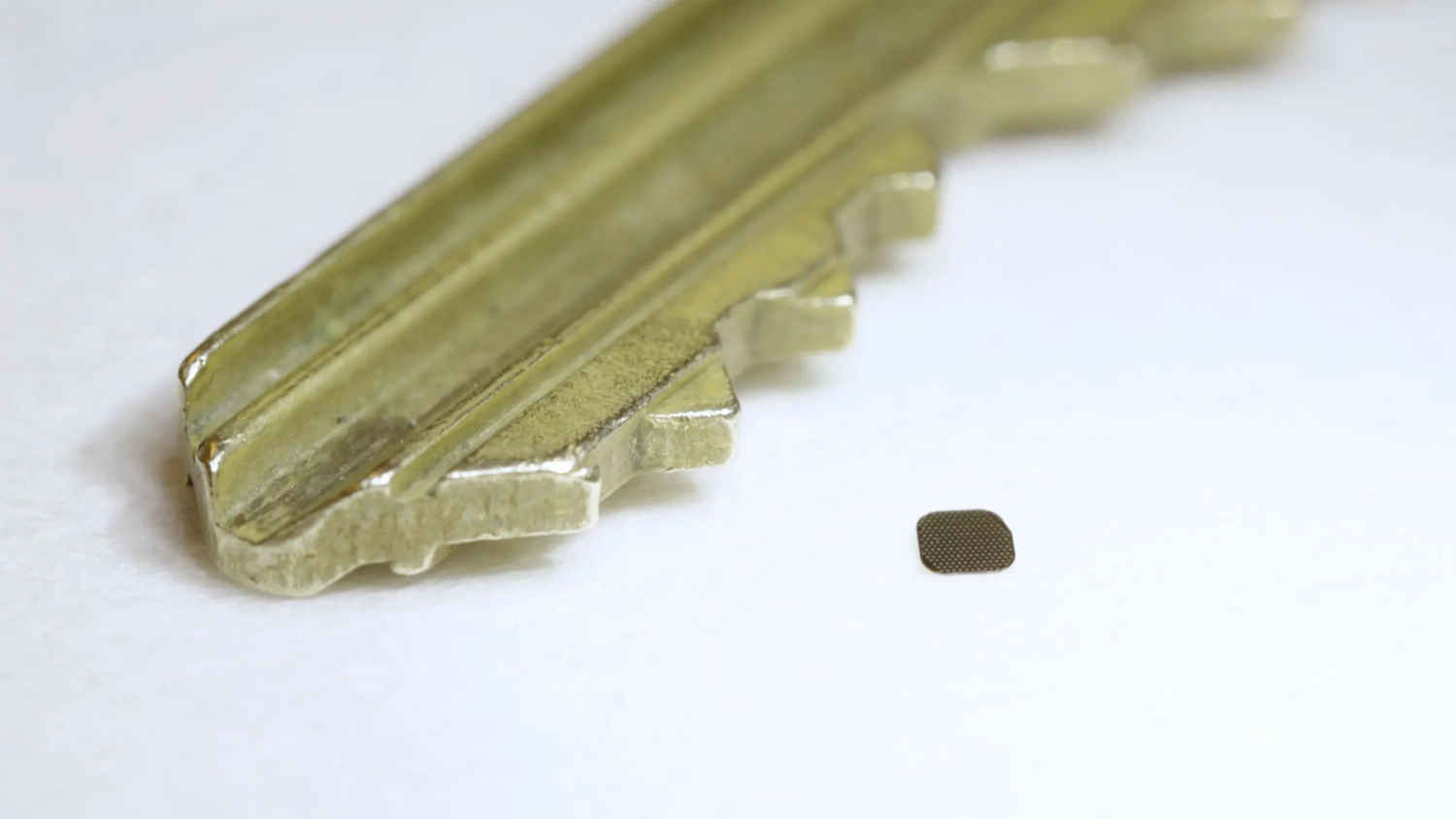
The innovation comes from PRIMA, a wireless retinal implant roughly 2×2 mm in size, designed to be placed under the retina. It works alongside smart glasses equipped with a camera that captures real-world visual information. The glasses project near-infrared light onto the implant, where tiny photovoltaic micro-pixels convert it into electrical pulses. These pulses stimulate surviving retinal cells, which then send signals to the brain via the optic nerve. While the implant does not replicate normal vision, it provides functional vision sufficient for tasks like reading short words or identifying objects.
This approach is different from traditional vision-restoration methods. Instead of replacing the entire eye or relying solely on external devices, PRIMA interacts directly with the retina’s existing neural pathways. The brain learns to interpret these new signals over time, a process that requires rehabilitation but ultimately allows patients to regain meaningful visual experiences.
PRIMA is targeted at patients with central vision loss, particularly those with advanced age-related macular degeneration (AMD). Central vision is crucial for detail-oriented activities such as reading, recognizing faces, or working with fine objects. Peripheral vision often remains intact in these patients but cannot compensate for the loss of central sight.
In trials, over 80% of participants reported clinically significant improvements in vision. One participant explained, “Before the implant, it was like having two black discs in my eyes. Now, I can read letters again, and I even completed a crossword puzzle for the first time in years.” Such improvements, while modest compared to full natural vision, represent life-changing outcomes for patients who had lost hope of ever seeing again.
Also read: Google Veo 3.1 out: Five key AI video advancements it sports
The success of PRIMA highlights how bionic implants can directly improve quality of life. For patients, regaining functional vision isn’t just about reading, it’s about independence. Daily activities like cooking, navigating a familiar environment, or recognizing friends and family become possible once more. The psychological impact is profound; patients often report a renewed sense of confidence and engagement with the world around them.
Smart glasses play a critical role in this process. They not only capture images but also process them in real time, projecting patterns onto the retina that the implant converts into usable visual information. Patients require training and rehabilitation to interpret the signals accurately, but the process is showing encouraging results across multiple trial sites.
Despite the success, PRIMA is not a complete solution. Vision remains limited in resolution and contrast, and the field of view is narrower than natural sight. Light conditions, moving objects, and complex scenes can still pose challenges. Long-term durability, real-world reliability, and access outside specialized medical centers are ongoing concerns. Additionally, costs and surgical risks will play a role in determining who can benefit from this technology in the near future.
The PRIMA implant demonstrates that bionic vision is no longer theoretical. By restoring functional central vision, it opens the door for further innovations: higher-resolution implants, improved image processing algorithms, and more compact or even fully implantable systems could follow. Companies competing with Neuralink and other pioneers are now actively exploring retinal prosthetics as a viable pathway to restore sight in patients with degenerative eye diseases.
For now, PRIMA is giving hope to patients worldwide. It is proving that with the right combination of technology, neuroscience, and rehabilitation, even those who have lost vision for years can regain a measure of independence, productivity, and joy. From reading text to completing a crossword puzzle, small victories like these highlight the enormous potential of retinal implants.
Also read: Sam Altman defends adult version of ChatGPT for X-rated chats: Here’s why