Varun Gupta GoBoult Interview
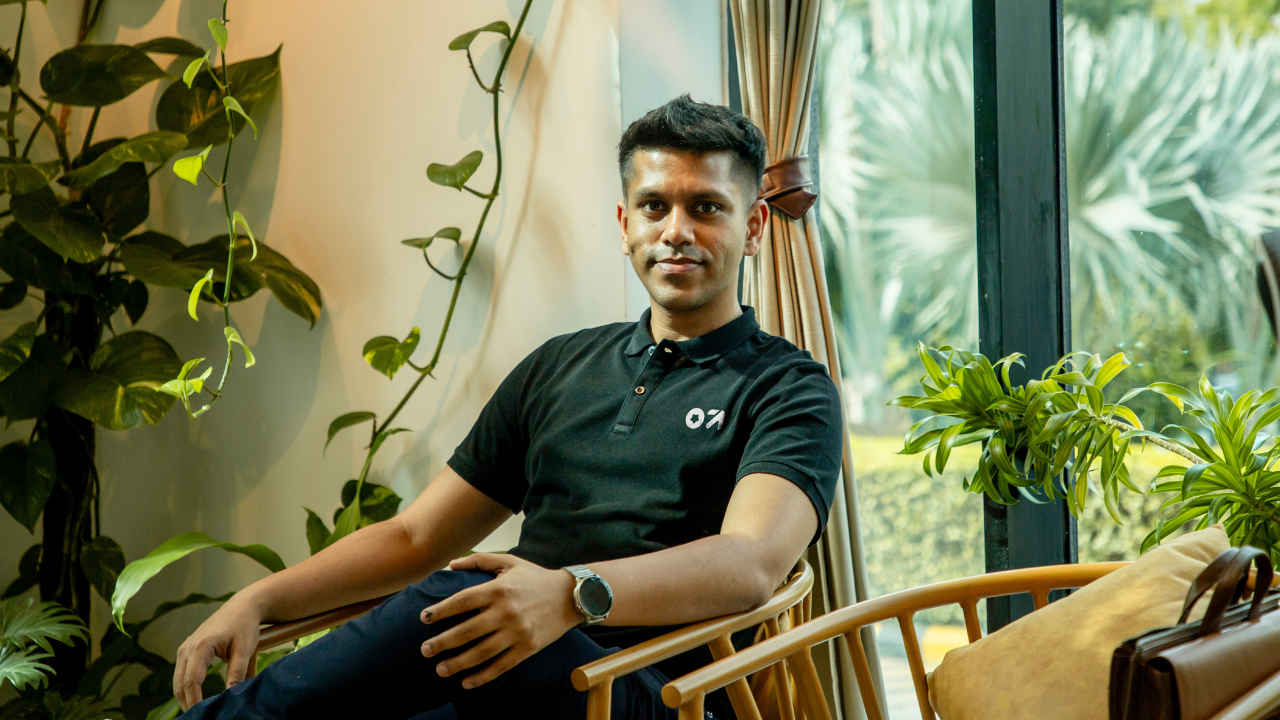
“GoBoult represents our transformation from today to tomorrow,” declares Varun Gupta, co-founder and CEO of India’s home-grown audio and wearables powerhouse. On August 4, 2025, after eight years of making “neckbands and TWS earphones” and scaling from an online disruptor to a ₹750 crore brand in FY24, Gupta unveiled a strategic rebirth. Boult Audio is gone, GoBoult is here with a new name, logo, and identity destined for higher-end horizons.
“Go is one of the shortest yet most powerful words in the English dictionary,” Gupta explains, “It showcases speed, energy, momentum, and for us it means transformation.” The arrow signifies the company’s leap forward, the screw head – a nod to the product-first DNA that underpinned every successful launch since 2017, according to Varun Gupta. In an exclusive interview with Digit, he goes beyond the rebrand, delving deep into the next strategic moves GoBoult’s making to maximise its success.
Gupta’s tale reads like a founder’s manifesto. He and his co-founder bootstrapped Boult in 2017, initially selling exclusively on Myntra before conquering Amazon and Flipkart. In 2022, they expanded into smartwatches, and 2024 marked the first foray into offline retail.
Also read: India’s Tech Manufacturing Landscape: Past, present and future of Indian tech manufacturing
Today, “GoBoult is the only profitable – and fastest-growing – audio-wearables player in India, commanding the No. 2 market share in audio and No. 3 in smartwatches,” emphasises Gupta, a fact validated by 2024’s CMR study. “We sell a product every three seconds, we sold products in the last eight years to 3 crore plus customers, last year we clocked ₹750 plus crores in revenue, this year we’re trending to ₹1000 crores,” he adds.
Yet, resting on current or past laurels is the last thing on GoBoult’s mind, as Gupta is candid about the plateauing consumer perception of the brand as a value-for-money stalwart. “When we entered smartwatches three years ago, consumers looked at us as an audio-only player because of the Boult Audio name,” he admits. To premiumize – and to “have a deeper emotional connect and not be seen as a value-only functional player” – a brand overhaul was essential.
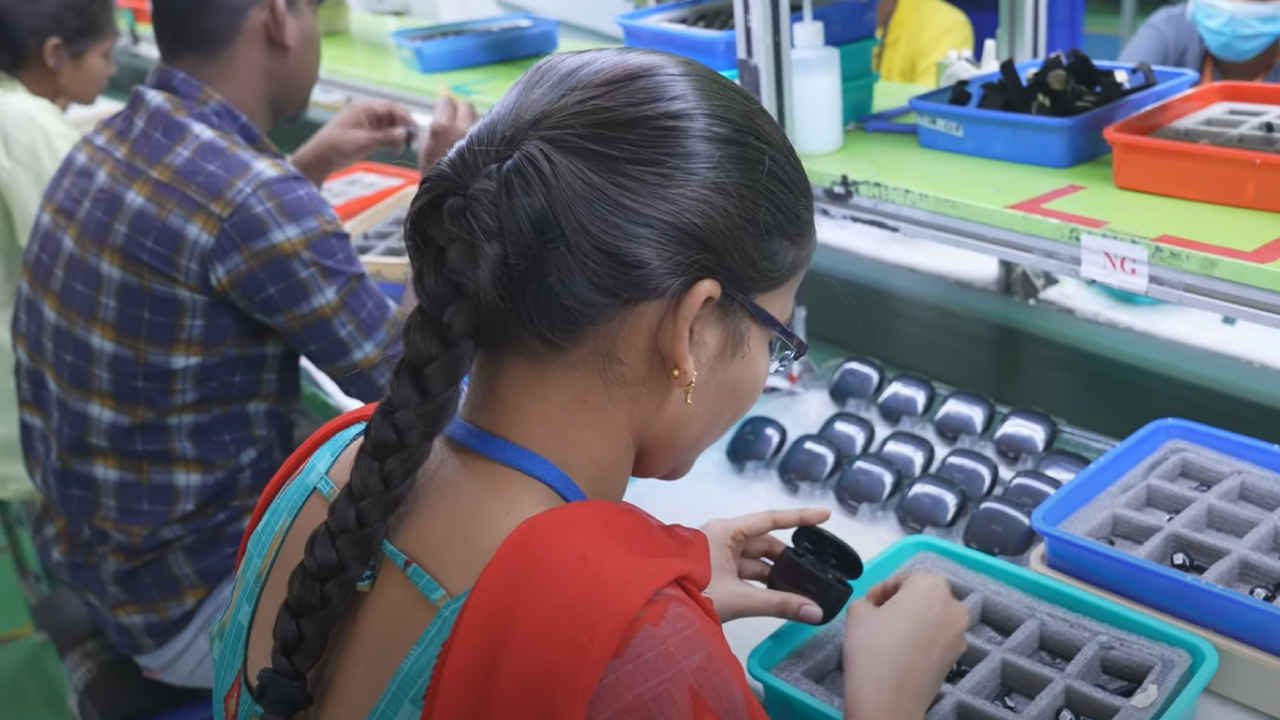
At the heart of GoBoult’s new chapter is an unflinching commitment to India-first manufacturing. “Since 2022, we have ventured into Make in India,” Gupta notes, recounting early pains of shifting from China imports to domestic production. He details how “more than 99% of the stock that we produce or sell is made in India – 25% in our own Delhi facility, employing over 500 people, and the rest through three local contract manufacturers.”
Also read: “Mivi AI is not just an assistant” – Vision behind India’s first human-like AI
This move, he says, granted “control, speed, and ability to do research and development.” In a market where “Indian consumers have grown towards Make in India products,” the shift became a point of pride and a marketing differentiator, highlights Gupta. “They believe Made in India is better than Made in China,” Gupta observes, citing glowing retailer feedback on the “Make in India” tag’s direct boost to conversions.
Indeed, local R&D will receive a ₹25 crore injection this year. Gupta lays out four pillars:
“Building a large-scale factory isn’t up our sleeve,” Gupta clarifies. GoBoult remains “a design-first, research-first, and marketing-first company,” leveraging in-house production for quality control and knowledge transfer rather than mass manufacturing.
Despite robust functional prowess, GoBoult recognized a gap in emotional engagement. Gupta recounts experiments with Ford Mustang–branded TWS at ₹1,800–2,500 that grossed over ₹100 crore, and a Dolby-partnered series that “performed phenomenally well.” Yet consumer psychology resisted paying steep premiums for the same Boult moniker.
“Premiumization is the buzzword in the industry,” he asserts, describing how GoBoult’s fresh identity and bold design language aim to kindle aspiration and “nudge into the aspirations of consumers.” By transforming Boult – a static noun – into GoBoult – a dynamic verb – they hope customers will see “energy, power, momentum” and justify premium price tags.
The audio-wearables sector is fiercely contested. Yet domestic players – GoBoult included – now control over 70% of market share, sidelining Chinese brands to a 15–20% slice and Western incumbents to under 8%. According to Gupta, “all my competition is bleeding money,” with many burning cash to chase volumes. In contrast, GoBoult’s profitable, bootstrapped model enables sustainable growth.
He observes signs of market stabilization and warns that price wars alone won’t win hearts. “When any company starts flattening brands, it is because of a lack of new acquisition of customers,” Gupta explains. GoBoult’s answer: emotional resonance, premium lines, and collaborations that elevate brand stature.
Also read: India’s AI focus: IBM’s Amith Singhee on building trust into future of AI
GoBoult’s vision extends well beyond India’s borders. With “10 million-plus customers’ first-party data” fueling insights, Gupta plans “global expansion & IPO readiness” as future growth levers. The company is charting entry strategies in Southeast Asia and the Middle East, where Make in India credentials and price-to-performance ratios may resonate strongly.
“We don’t want to be complacent,” he stresses. “We’re planning to premiumize, go global, and plan for an IPO.” This bold playbook under an emboldened brand hints at GoBoult’s aim to join the league of publicly traded consumer-tech champions.
To India’s burgeoning class of young entrepreneurs, Gupta offers this rallying cry: “Change is necessary for evolution. To grow and become better, you need to be uncomfortable.” His own journey – from rooftop packing units to boardrooms – exemplifies the grit and adaptability required to defy entrenched global players.
“Starting small is very important. And focusing on unit economics is also very important,” asserts Gupta, emphasising how he doesn’t believe in just raising funds and then trading it for customer acquisition. “Because sooner or later this customer will not be loyal to you, and will not come back to you in the hardware ecosystem. He will move to another player which is offering them a better discount or a better product.
Focusing on your strength and ability to dig deep is also crucial, according to Gupta. “Just importing or buying products and labeling them will not help. Build a product differentiator, even though that’s not very massy. And start small and start at one place. Test the market and not wait for the perfect product,” he sums up.
For young consumers, GoBoult’s aspirational intent signals, in Gupta’s own words, that “Indian companies can make great products” with global appeal. As Gupta reflects on the nationalistic surge favouring Make in India, his parting shot resonates as both challenge and invitation: “We’ve built credibility and legacy. Now, let’s be youthful, cooler, sexier, aspirational. GoBoult is just the beginning.”