At the World Economic Forum in Davos this week, NVIDIA CEO Jensen Huang delivered a refreshingly optimistic take on AI’s future impact on jobs, one that flips the usual narrative of automation-driven unemployment.
Speaking in a panel discussion with BlackRock CEO Larry Fink, Huang argued that AI isn’t just a white-collar revolution for coders and engineers. Instead, the explosive demand for AI infrastructure is sparking “the single largest infrastructure build-out in human history” – and it’s creating high-paying opportunities for plumbers, electricians, construction workers, steel workers, factory fit-out specialists, and network technicians.
Also read: YouTube CEO: Reducing AI slop videos, enhancing kids and teen content key focus in 2026
“This is going to create a lot of jobs,” Huang said, “and it’s wonderful that the jobs are related to tradecraft.”
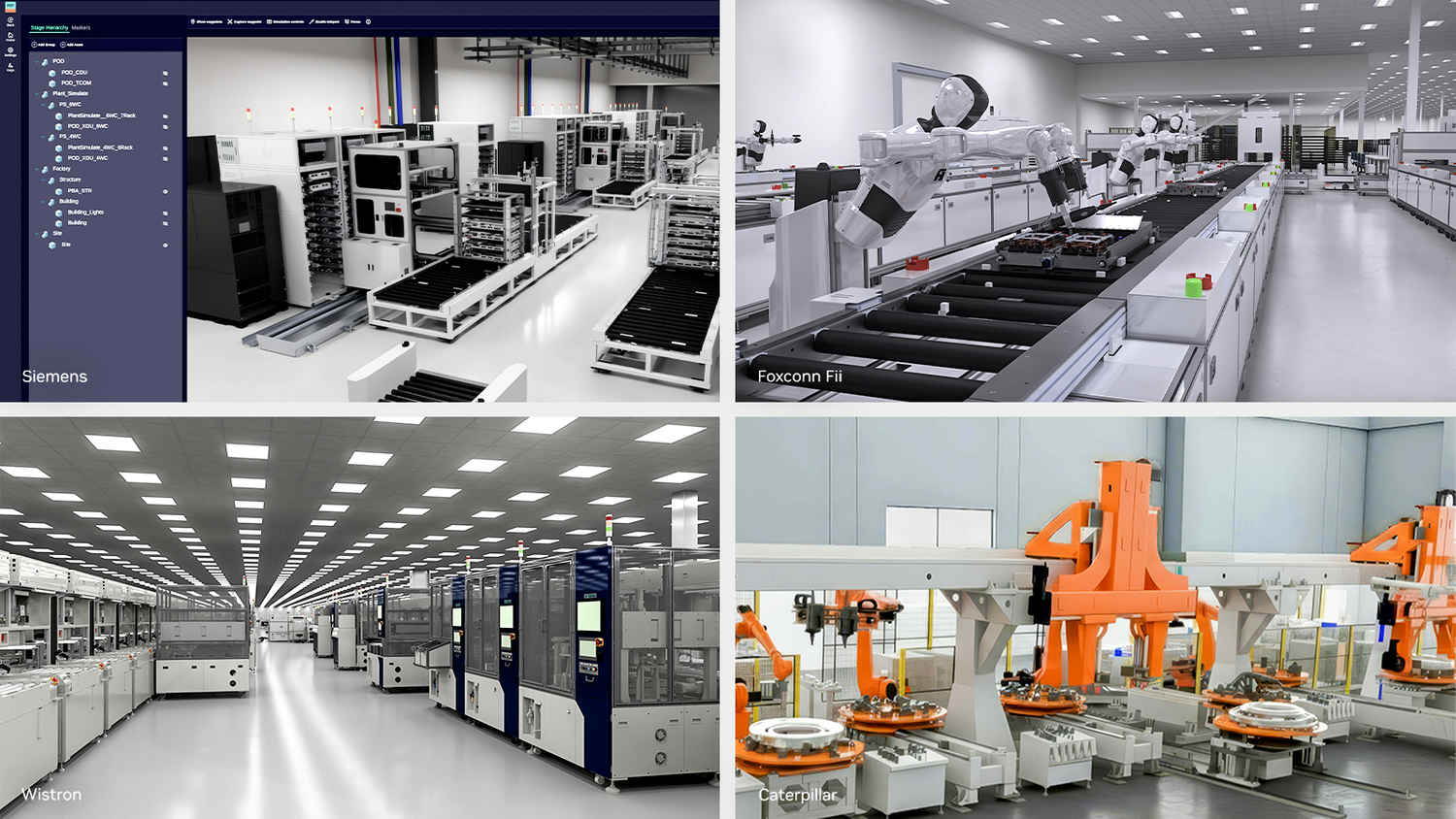
The core of Huang’s argument: Building the massive data centers and “AI factories” needed to power advanced models requires enormous physical construction. These aren’t small server rooms, they’re sprawling facilities demanding plumbing for cooling systems, electrical grids for unprecedented power loads, steel frameworks, and specialized installation.
In the United States, Huang noted, this has already triggered a boom. “Salaries have gone up nearly doubled,” he said, with many roles now commanding six-figure pay for workers building chip and AI factories. “We’ve got a great shortage in that.”
The beauty, in Huang’s view, is accessibility: “Everybody should be able to make a great living, you don’t need a PhD in computer science to do so.” He’s delighted that countries worldwide are recognizing the opportunity and investing accordingly.
Also read: xAI’s turbulent week: Open source code, a 120M euro fine, and global Grok bans
Huang extended his optimism beyond physical labor. AI’s natural-language interfaces mean traditional programming barriers are crumbling. “For many people who don’t have a computer science degree, all of you can be programmers now,” he declared.
In the past, coding required learning complex languages. Today, anyone can prompt an AI in plain English: “How do I build a website?” or even “I don’t know how to use an AI, explain it to me.” The model guides step-by-step, asks clarifying questions, and generates the code.
This accessibility is especially powerful for emerging markets. Huang urged developing countries to “build your infrastructure” and embrace AI, predicting it will “close the technology divide because it’s so easy to use and abundant and accessible.”
While many fear AI will displace millions of jobs through automation, Huang’s message at WEF26 was clear: The net effect will be job creation, both in massive physical build-outs and in democratized digital tools.
By investing in AI infrastructure now, nations can generate widespread wealth, from factory floors to emerging economies. As Huang put it, the future of work isn’t just for elites, it’s for everyone willing to build it.
Also read: “Maybe they need the revenue”: Google AI chief swipes at OpenAI’s ad push