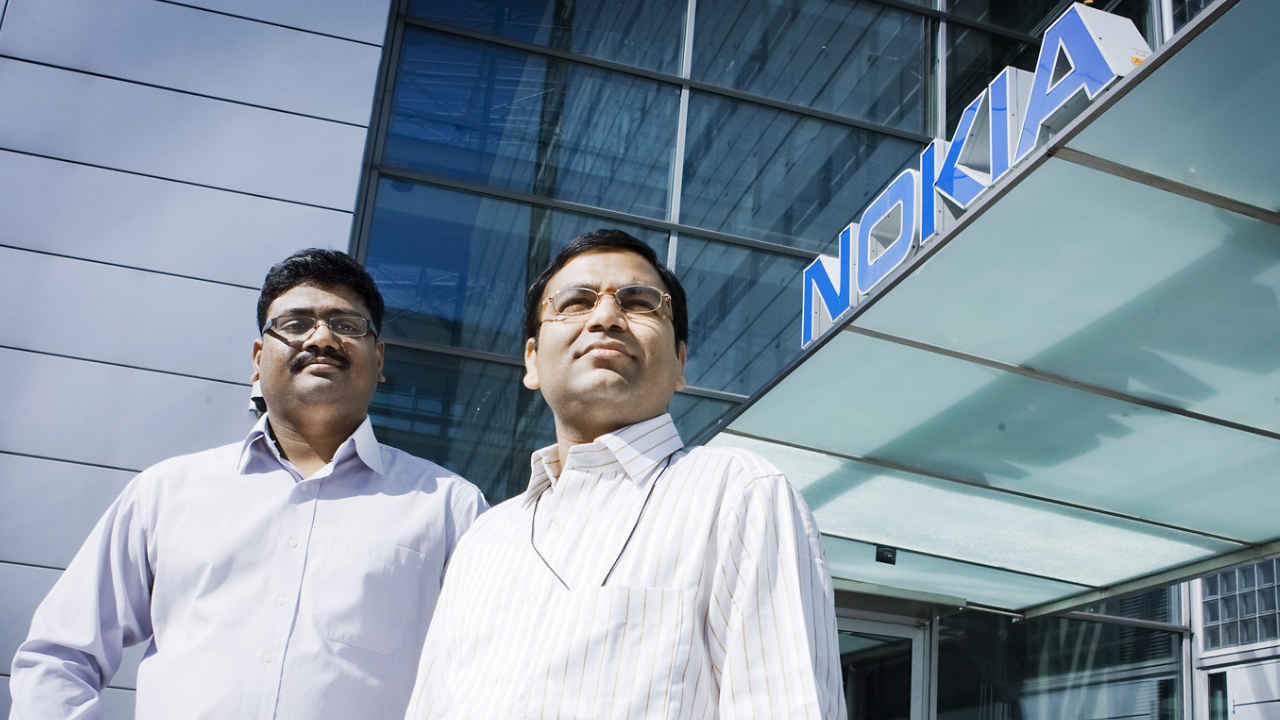
Forget saunas or Nokia’s legacy, Finland’s betting big on future tech that most people don’t fully comprehend. While most countries are sprinting towards bigger and clever AI models, Helsinki’s focusing on building an ecosystem of trusted human-centric AI with national industrial strength – anchored by the LUMI supercomputer and an innovation stack that spans quantum, HPC, cybersecurity and next-gen connectivity.
At least, that’s what I gathered from my chat with Lassi Noponen days after the India AI Impact Summit. Fresh from discussions on the global stage, Lassi Noponen, Director General of Business Finland (A public organization under the Finnish Ministry of Employment and the Economy), unpacked why Finland’s not chasing hyperscale for its own sake, how sovereign compute and security is built, and – most intriguingly for India – why the partnership between Helsinki and New Delhi matters far beyond bilateral goodwill.
India is already deeply embedded in the Finnish tech ecosystem. Indians account for 34% of specialists moving to Finland – the largest national group – as well as making up the second-largest source of international researchers. Bilateral science and technology cooperation has been active since 2008, supported by sustained institutional and industry partnerships.
Between India’s engineering scale and Finland’s structured governance and research depth, there’s a co-innovation story unfolding that blends digital public infrastructure with trusted, EU-aligned ecosystems – and it’s only just beginning.
Below is the verbatim transcript of that conversation – no edits, no spin, just Lassi’s perspective on how two very different innovation models are finding common ground.
Lassi: In Finland, we treat AI not as a race to build the biggest model, but as a long-term national capability. Our model is built on depth over scale. Instead of trying to compete with hyperscale compute, we focus on areas where we already excel: industrial AI, trusted systems, and “physical AI” integrated into manufacturing.
This is achieved through deep public-private coordination. Universities, startups, and industry giants work together in joint programmes, funded by organisations like Business Finland, to ensure research turns into real-world solutions. We also embed trusted governance as a design principle, building ethical frameworks and data sovereignty into our systems from the start.
So, the key difference? While scale-driven models pour resources into proprietary frontier models, we focus on open-source collaboration, shared infrastructure like the LUMI supercomputer, and niche leadership where trust and reliability matter more than sheer size. It’s a strategy for building a resilient, sustainable ecosystem, not just a powerful engine.
Lassi: We see these technologies as a strategic “stack” that powers today’s industry and hedges against tomorrow’s risks. They are deeply interconnected.
Also read: NVIDIA’s investment in Nokia: How it will impact future of 6G telecom networks
Together, they act as both a near-term catalyst for industry and a long-term investment in our sovereignty and alliance value.
Lassi: India is absolutely central to this picture, and the connection with Finland is a story of deep, complementary collaboration.
First, there’s a strong two-way flow of researcher mobility, especially in telecom and AI. But more tangibly, we’ve seen dozens of Indian startups use Finland as a strategic gateway to Europe since 2018. Programmes supported by Business Finland help them establish a trusted, EU-aligned base here, giving them access to our research ecosystem and the broader single market.
The partnership works because our strengths are so complementary. India brings phenomenal scale, engineering depth, and experience in digital public infrastructure. Finland contributes world-class research, trusted governance, and national HPC assets. This allows us to co-develop sovereign AI solutions – for healthcare or agriculture, for instance – that aren’t dependent on a handful of Western hyperscale models.
Finally, it’s a people story. Some of our most promising quantum startups are led by Indian-origin founders, proving that deep-tech success is global and thrives on multicultural leadership.
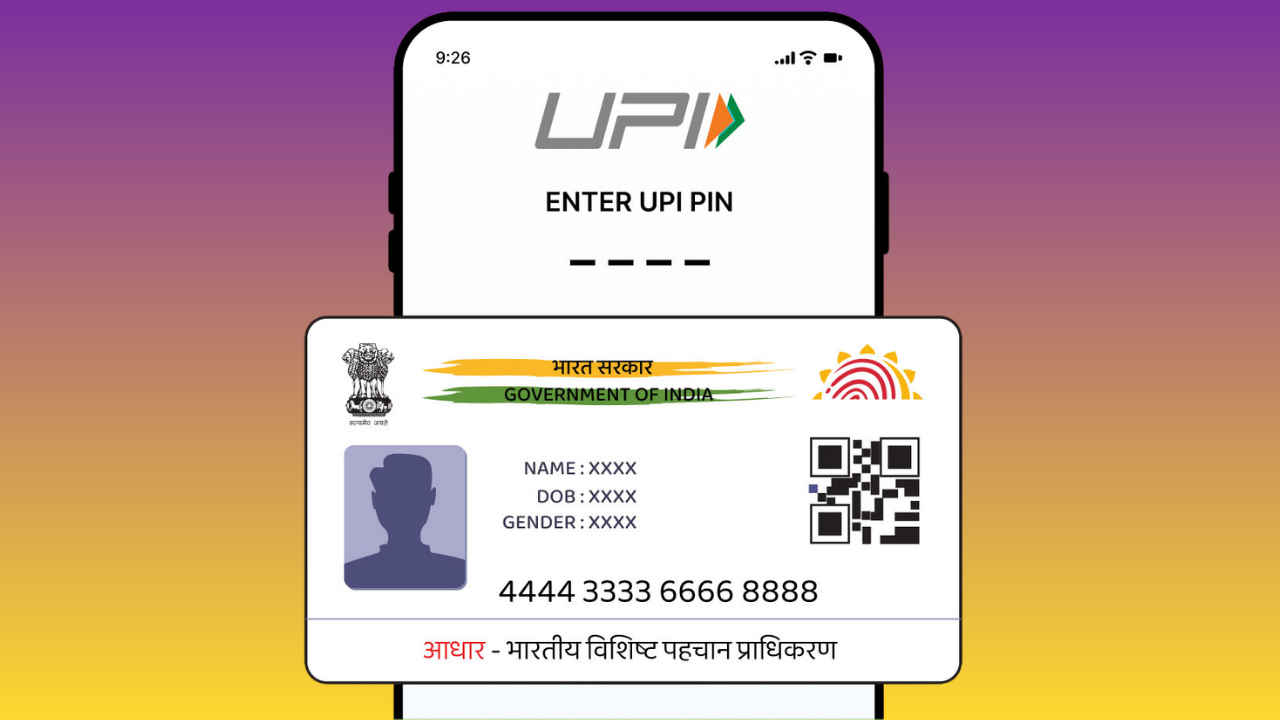
Lassi: India is doing many things right. Its greatest strength is building digital public infrastructure at scale – think UPI and Aadhaar – which has driven massive adoption and inclusion. It’s also building a powerful ecosystem through skilling and startup hubs, with clear ambitions in semiconductors and foundational models.
From Finland’s perspective, the key lesson for India would be the value of early, coordinated investment in sovereign infrastructure. Our domestic HPC investments, for instance, created a platform for widespread innovation that doesn’t rely on foreign systems. India could amplify its scale by building similar regional compute capabilities, perhaps through international alliances.
Another lesson is in structured innovation governance. Finland uses long-term but adaptable AI policies and strong public-private R&D coordination to align the entire ecosystem. Regulation is treated as a balancing act – building privacy and trust without blocking innovation.
So, India already leads in scale and inclusion. Finland’s experience suggests that combining that with similarly structured governance and shared infrastructure would make its AI ecosystem even more formidable and resilient.
Lassi: India offers a truly unique combination of opportunities. You have one of the world’s deepest talent pools and a vibrant startup culture. The sheer market scale and speed of digital adoption make it an ideal testbed for rapid iteration. For a Finnish company, it’s a place to scale solutions and form strategic partnerships, especially in areas like clean tech or telecom.
However, the challenges are real. Navigating India’s regulatory complexity – from data localisation to sector-specific rules – requires deep local knowledge and constant attention. It’s not a market you can enter overnight. Ultimately, success in India comes down to building long-term, trusted relationships. It requires patience and cultural nuance.
Also read: India AI Impact Summit 2026: Here are the biggest investment announcements by tech giants