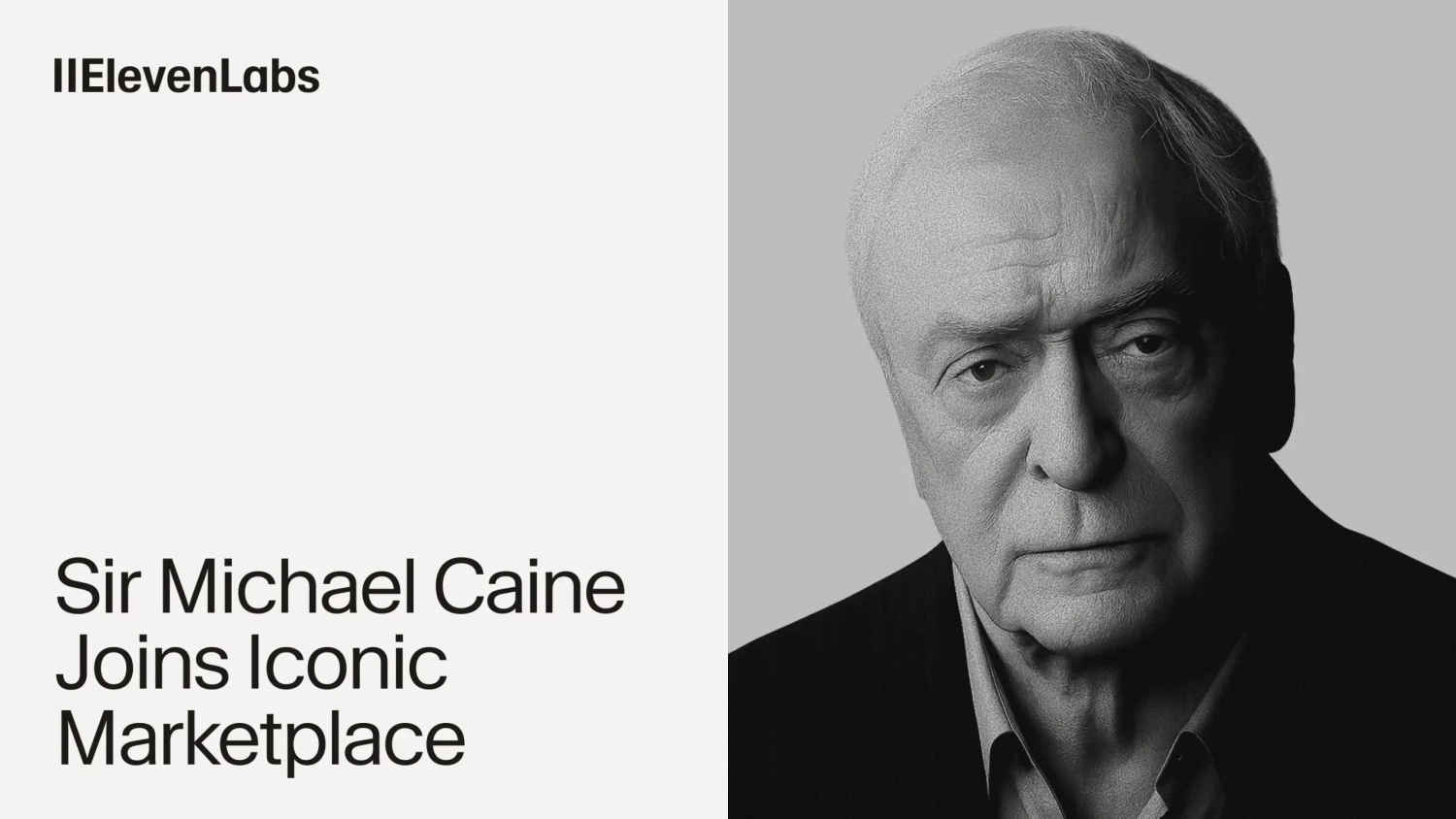
In a bold move that signals the evolution of voice-cloning from fringe experiment to commercial ecosystem, ElevenLabs has launched its Iconic Voice Marketplace, a curated platform designed to licence AI-generated versions of well-known voices for creative projects. At the same time, high-profile actors such as Matthew McConaughey and Michael Caine have signed deals to have their vocal likenesses included, underscoring how seriously this new frontier is being taken.
Also read: AI vs. artists: What Germany’s copyright ruling against OpenAI means for creativity and tech
Until now, the world of AI voice-generation has largely existed in the grey zone: ripe with technical possibility, but also rife with ethical concerns and legal ambiguity. With its marketplace, ElevenLabs aims to shift voice-replication into a structured, consent-based commerce model. On one side stand rights-holders – actors, estates or other voice-owners – who grant authorisation; on the other, creators and brands who wish to licence those voices for narration, ads, stories, or campaigns. Each proposed use passes through approval workflows, according to the company’s documentation.
The involvement of McConaughey and Caine gives the venture immediate credibility. McConaughey, who has been associated with ElevenLabs as an investor, will apparently use the technology to translate his newsletter into Spanish audio, using his own voice. Meanwhile, Caine’s voice has been added to the marketplace catalogue, making his unmistakable timbre available (with approval) for external usage.
What makes this launch particularly significant is how it reframes the conversation around voice cloning. Instead of asking: Can we clone this person’s voice?, the industry is now asking: Under what terms may we use it? By offering licensing frameworks and promoting a “performer-first” model, ElevenLabs is positioning itself as a mediator between technological potential and ethical responsibility.
For talent and estates, the benefit is clear: the voice becomes an asset that can continue to generate value, without the performer having to record new material. For creators, brands and content producers, the appeal lies in legal clarity and access to recognisable vocal identities, a shortcut to audience connection.
Still, this model doesn’t come without layers of complexity. Even when a voice-owner has given consent, the question remains: how will audiences perceive an AI-generated version of a celebrity voice? Will they feel it has authenticity or regard it as a synthetic approximation? The challenge goes beyond technology and into the realm of trust, recognition and cognitive dissonance.
Also read: Private AI Compute explained: How Google plans to make powerful AI private
There’s also a broader ecosystem issue. As synthetic celebrity voices become more widely licenced, how will that affect the traditional market for voice-actors, narrators and dubbing artists, particularly those working in regional languages or smaller markets? Will demand shift toward “known voice + machine-reuse” at the expense of fresh human performances?
Finally, while ElevenLabs’ curated marketplace is a step toward accountability, it doesn’t eliminate the broader risk of unauthorised voice-cloning. Legal licences don’t automatically prevent bad-faith actors from bypassing the system, and regulatory regimes around voice likeness are still in flux globally.
By securing deals with stars like McConaughey and Caine, ElevenLabs isn’t just launching a product: it’s establishing a precedent. If major names are willing to lend their voices to AI generations, then the model begins to gain industry-norm status. The ripple effects could extend into advertising, film, podcasts, gaming and any medium that uses voice-work.
In India and other international markets the implications are significant. Content creators, brands and advertisers may now have access to global iconic voices (through such licensing platforms) rather than only local talent, raising questions of cost, language-fit and cultural resonance. At the same time, the inclusion of regional or non-English icons could open up new revenue streams and creative possibilities for talent outside Hollywood.
The Iconic Voice Marketplace marks a tipping point: the moment voice-AI shifts from novelty to commerce. For ElevenLabs, the core bet is that legal licensing, voice-owner consent and brand-safe usage will trump the cheaper, risky allure of uncontrolled voice-cloning. Whether that bet pays off depends on how creators, talent and audiences respond.
In the end, what’s being sold is not just a sound-recording, but a likeness, a brand, and a voice identity. As AI blurs the boundaries of performance and replication, the question becomes less if we can clone a voice, and more how we will choose to borrow, respectfully and with consent, the voices that matter.
Also read: From consoles to the cloud: Why gaming in India is entering a new era