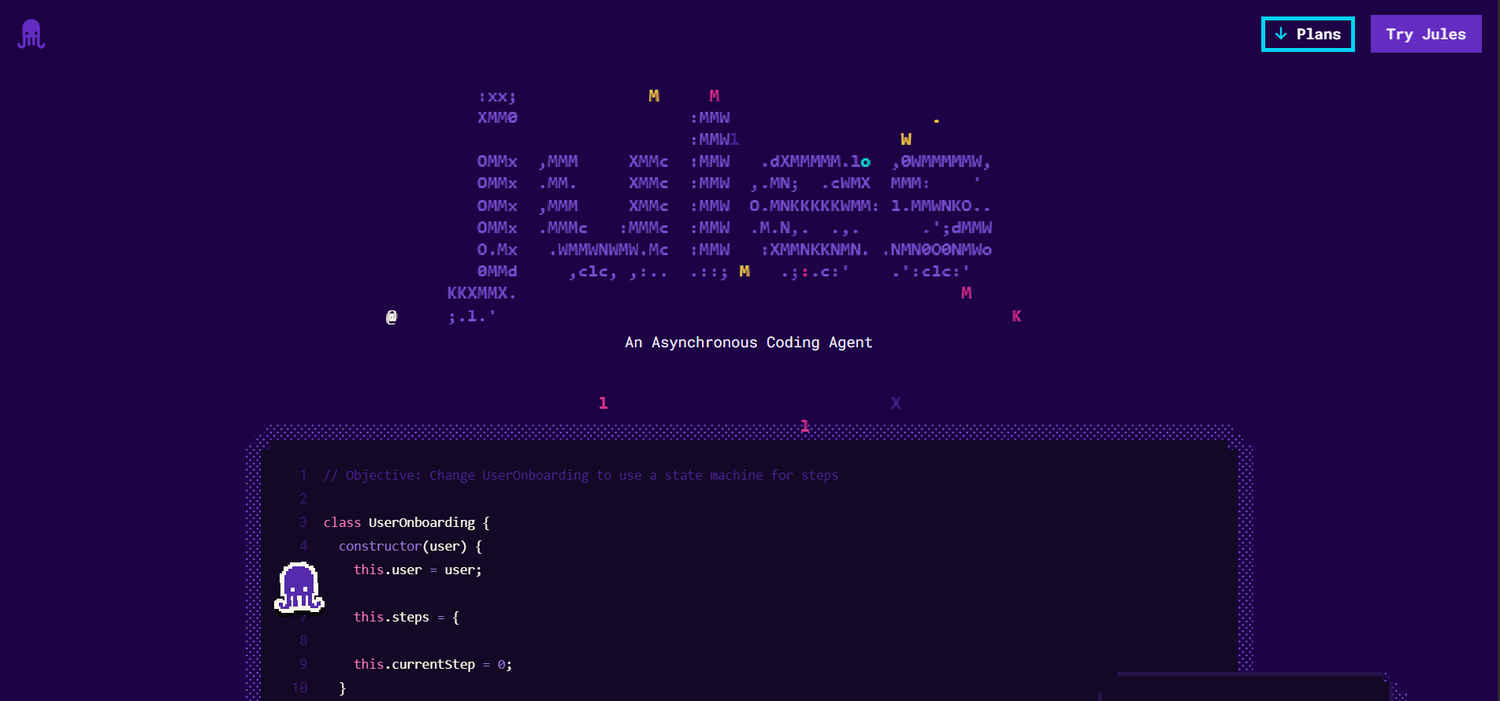
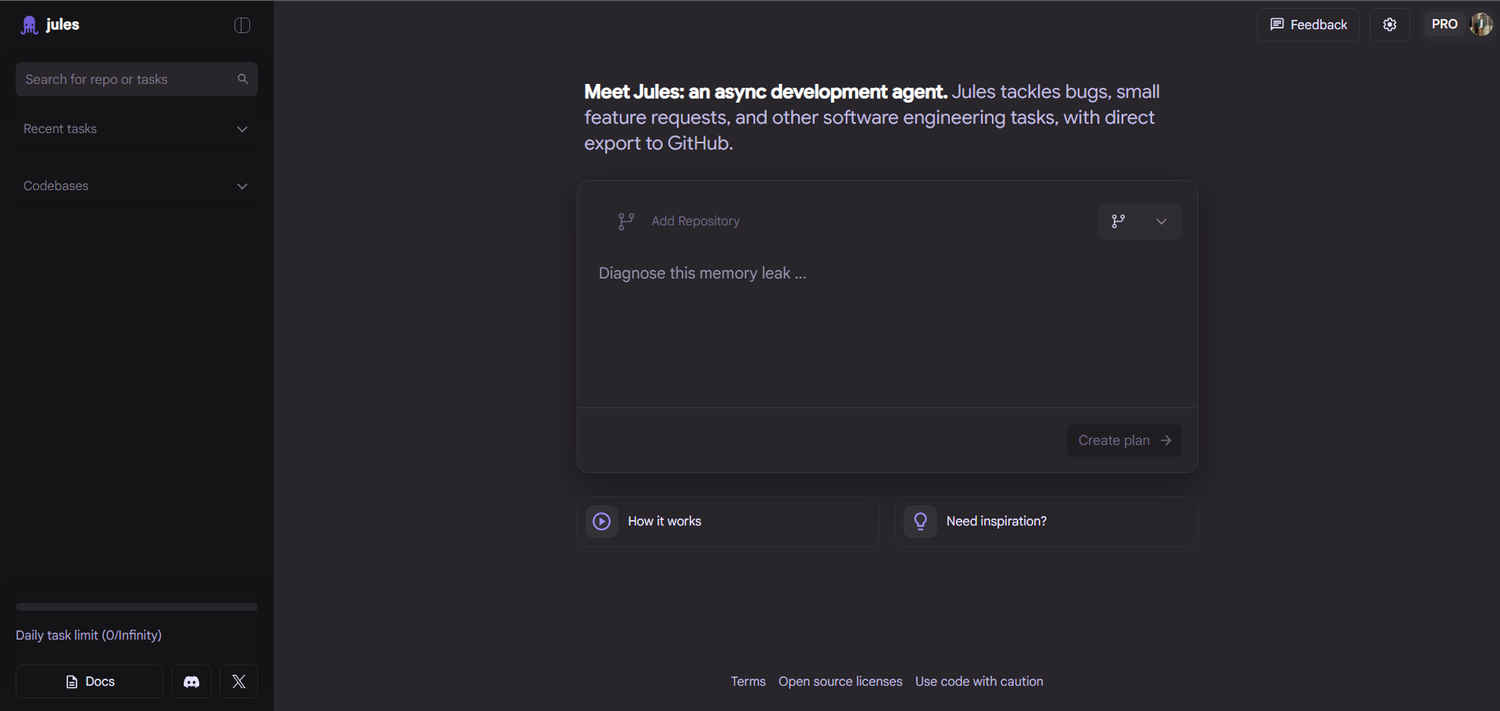
For the past few years, AI has been learning to code. Now it’s ready to collaborate. With the launch of Jules, Google’s first agentic coding assistant, developers finally have an AI teammate that doesn’t just autocomplete a line, but actually takes on full-blown tasks, works in the background, and reports back like a junior engineer with discipline. And now, it’s free for anyone to try.
This isn’t your average Copilot-style suggestion engine. Jules is Google’s entry into the AI agent race, a smarter, more autonomous kind of assistant that operates independently inside your codebase, doing everything from bug fixing to feature building while you grab a coffee (or tackle more complex parts of your project). If traditional coding assistants were calculators, Jules wants to be your cloud-powered collaborator.
Also read: Google Jules AI: The Autonomous AI Coding Assistant Changing Developer Workflows
At its core, Jules is powered by Gemini 2.5 Pro, one of Google’s most advanced AI models, capable of handling multi-step reasoning, large codebases, and multi-modal input. What sets it apart isn’t just the brainpower, but the workflow.
Instead of operating like a chat window, Jules clones your repo into a secure Google Cloud environment, analyzes the entire project structure, and runs in a sandboxed VM. You don’t have to watch it think – you assign tasks, it plans out a solution, and gets to work.
Imagine writing “Add unit tests for the payment API” or “Refactor the legacy CSS to Tailwind” and Jules simply does it. It reviews your repo, maps out a multi-step plan, and starts executing, pushing code changes via branches and even opening pull requests. It’s like hiring a remote contractor who happens to be made of silicon.
It’s surprisingly capable. Jules can write unit and integration tests, fix bugs (even those spanning multiple files), update outdated dependencies, refactor legacy code, write and read from GitHub Issues.
The entire thing is deeply GitHub-integrated, branches, issues, and PRs are first-class citizens in Jules’ workflow. And it doesn’t execute changes blindly. Before it starts, Jules presents a plan. You can review it, tweak it, or cancel it. Once approved, it runs the code in its VM, generates a diff, and waits for your nod to push.
Also read: Google’s Guided Learning versus ChatGPT’s Study Mode: Which is better?
It also runs multiple tasks in parallel, meaning you can have one agent fixing test coverage while another one modernizes your frontend. It’s like having an AI development team that doesn’t need coffee breaks but still waits for your sign-off.
Google’s clearly learned from past backlash. Jules doesn’t train on private code. Public repositories are only used for training if permitted. Private code stays private, and the entire operation is cloud-contained.
The privacy angle is important. This isn’t some black box AI running in the cloud and hoovering your code for future model tuning. It’s a personal agent, isolated, reviewable, and, crucially, not spooky.
The free beta tier of Jules includes 15 tasks per day and allows up to three of them to run simultaneously. That’s more than enough for most indie developers or small teams to experience what agentic coding feels like.
If you want more horsepower, the paid tiers scale up: AI Pro ($19.99/month) unlocks up to 5x the daily tasks and AI Ultra ($124.99/month) gives you enterprise-scale execution with 20x the limits.
Students also get a free year of AI Pro, a nice move to seed Jules into the next generation of developers.
Well, yes and no. During the beta, developers found Jules impressive but not infallible. Some tasks are completed flawlessly, especially test generation or dependency updates. Others, especially more ambiguous bug fixes, can be hit or miss. Execution speed isn’t always instant, and occasional plan failures still occur.
But that’s the nature of agentic AI, it’s not just a search engine or a chatbot. It’s a worker. Sometimes it gets things wrong, sometimes it surprises you with initiative. The important part is that you remain in charge.
Jules marks a shift in how we think about coding with AI. It’s not about faster autocomplete. It’s about offloading grunt work, exploring new ideas without context-switching, and even debugging without drowning in stack traces. You become the architect. Jules is your apprentice.
Whether you’re a solo builder with a side project, a product designer who dabbles in code, or part of a dev team trying to cut through Jira sludge, Jules may very well be your next favorite hire.
All you need is a Google account, a GitHub repo, and a task you’re too tired to do. Try it. Jules is listening.
Also read: Mark Zuckerberg says AI will write most of Meta’s AI code by 2026