For over a decade, Google Chrome and Apple Safari defined how the internet felt. Fast tabs, synced bookmarks, clean design. In 2025, that formula is starting to feel dated. The web is no longer just something you read. It is something you ask, instruct, and collaborate with. A new generation of AI-first browsers is emerging, built around that idea.
These browsers do not just load pages faster. They think alongside you. They summarize, search, automate, and act, often without opening a single traditional tab. Here are the five AI browsers shaping this shift.
Also read: OpenAI reveals how ChatGPT’s thoughts can be monitored, and why it matters
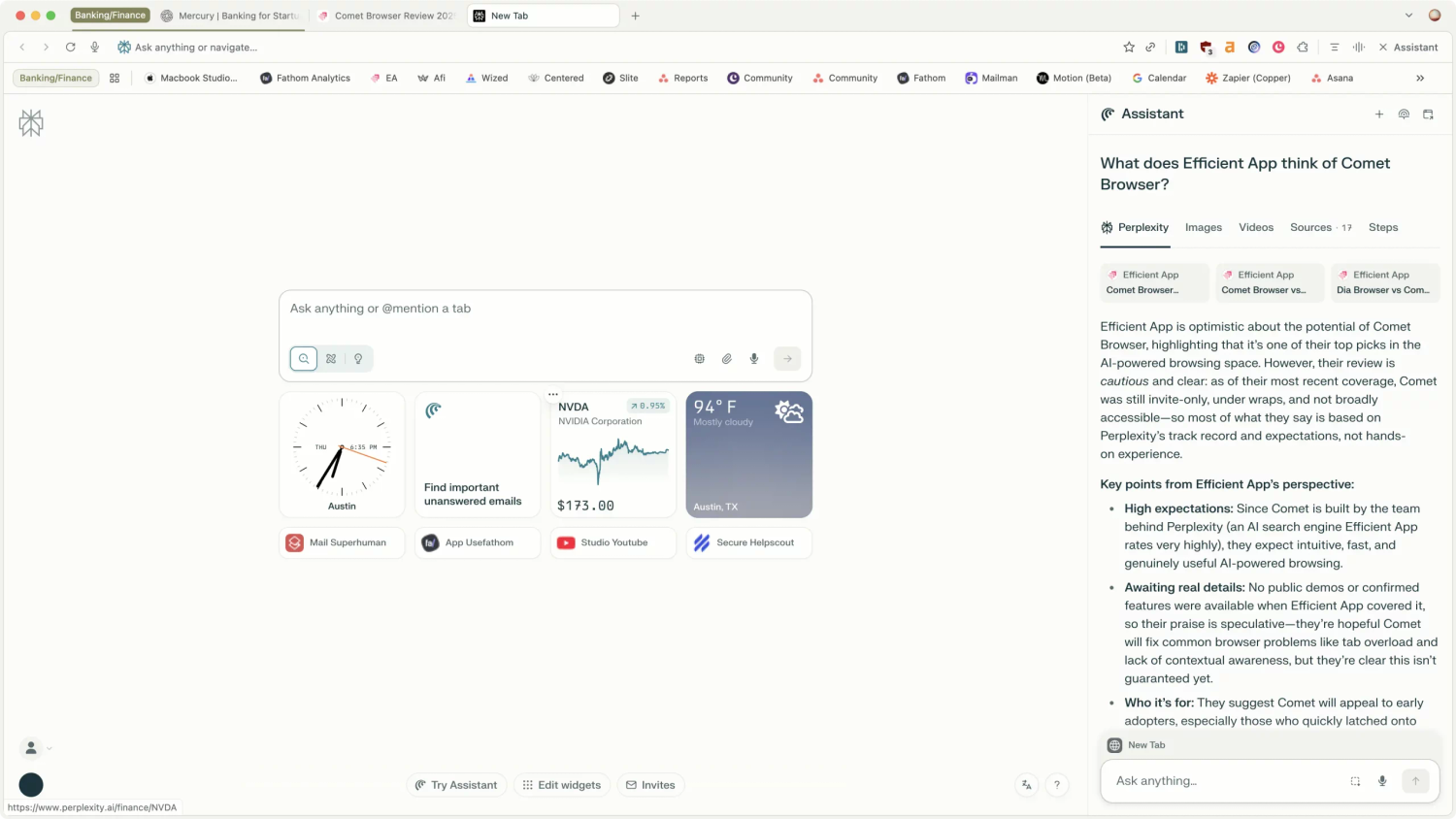
Comet, built by Perplexity, is the most aggressive attempt to rethink browsing from scratch. Instead of tabs and search bars, Comet centers everything around an AI query box. You ask questions, request comparisons, or give tasks, and the browser pulls live web data to respond in real time.
What makes Comet stand out is how deeply search and browsing are fused. Ask it to research a topic, track price changes, or summarize breaking news, and it continuously updates answers as the web changes. For journalists, researchers, and students, Comet feels less like a browser and more like an always-on research assistant.
Dia comes from The Browser Company, the same team behind Arc. While Arc reimagined interface design, Dia focuses on invisible intelligence. The AI does not interrupt your flow. It watches patterns.
Dia can summarize long articles automatically, draft emails based on what you are reading, and suggest next steps based on context. It feels like a browser that anticipates intent rather than waits for commands. If Comet is bold and chat-driven, Dia is subtle and deeply integrated into everyday work.
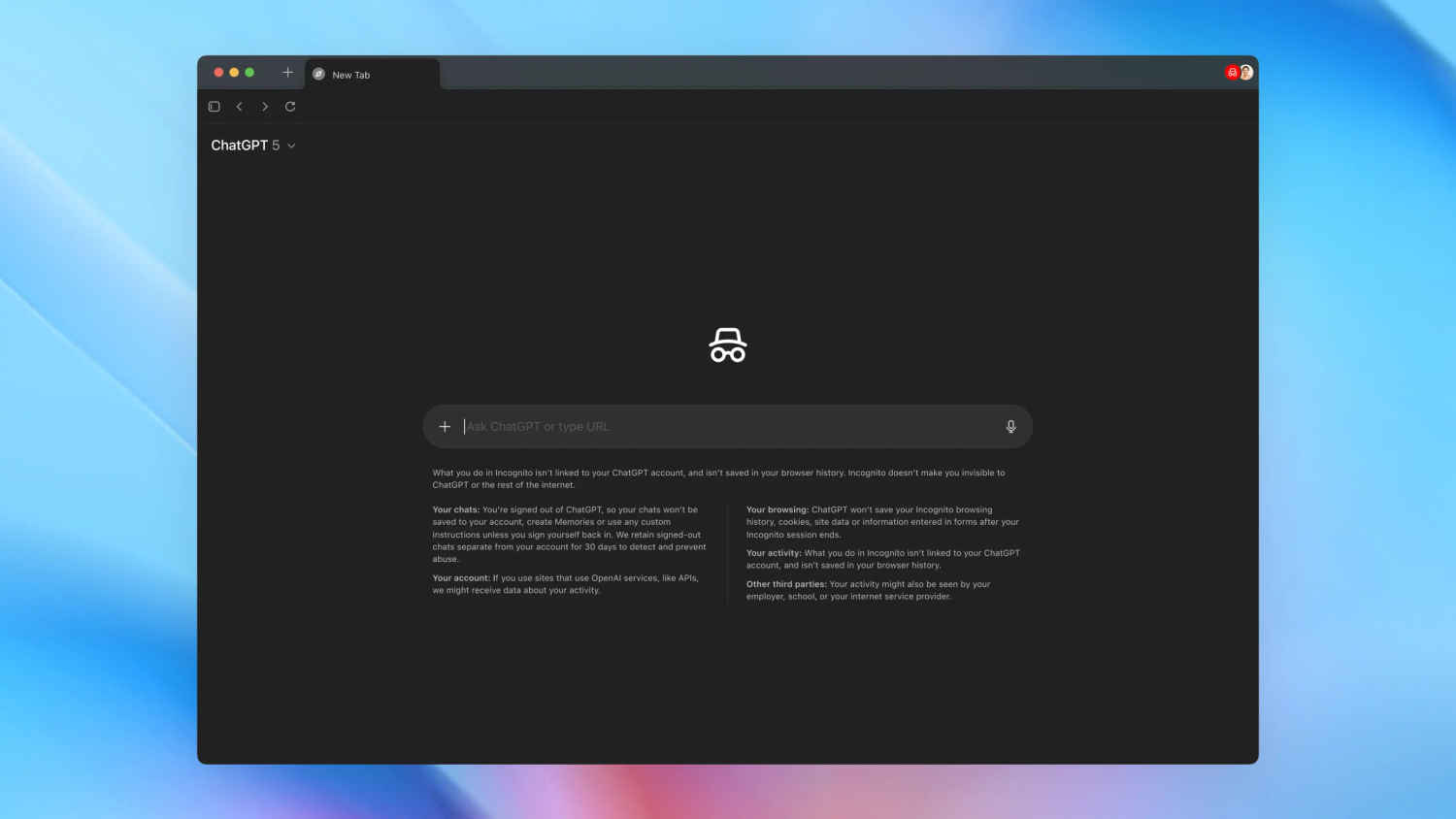
Atlas positions itself as a browser built for doing, not reading. Its AI agent can complete multi-step tasks across websites. Booking flights, comparing insurance plans, or filing forms becomes a single instruction rather than a dozen tabs.
Also read: Top 3 ChatGPT tips you must use to level up your AI game
Atlas reflects a growing trend in 2025: browsers acting like operators. Instead of showing links, they act on your behalf. This shift challenges the very idea of traditional navigation and signals where AI-powered web interaction is heading.
Arc remains one of the most influential browsers of the decade. In 2025, its AI features are no longer experiments. They are core tools. Arc can summarize tabs, rename them intelligently, and organize workspaces automatically.
What keeps Arc relevant is balance. It does not discard the old web. It enhances it. For users who still rely on tabs but want AI assistance layered on top, Arc feels like the safest transition into the AI browser era.
Aria, integrated into Opera, brings AI browsing to a mass audience. It can answer questions, generate content, summarize pages, and assist with shopping directly inside the browser.
Aria’s strength is accessibility. It does not demand new habits. It upgrades familiar ones. That makes it one of the most practical AI browsers for users who want smarter browsing without changing how they use the web.
Chrome and Safari are still dominant, but they are optimized for a web that no longer exists. AI browsers are built for interaction, automation, and decision-making. In 2025, the browser is no longer just a window to the internet. It is becoming an active participant in how we think, work, and explore online.
Also read: These Chrome and Edge browser extensions steal your AI chats, delete them now