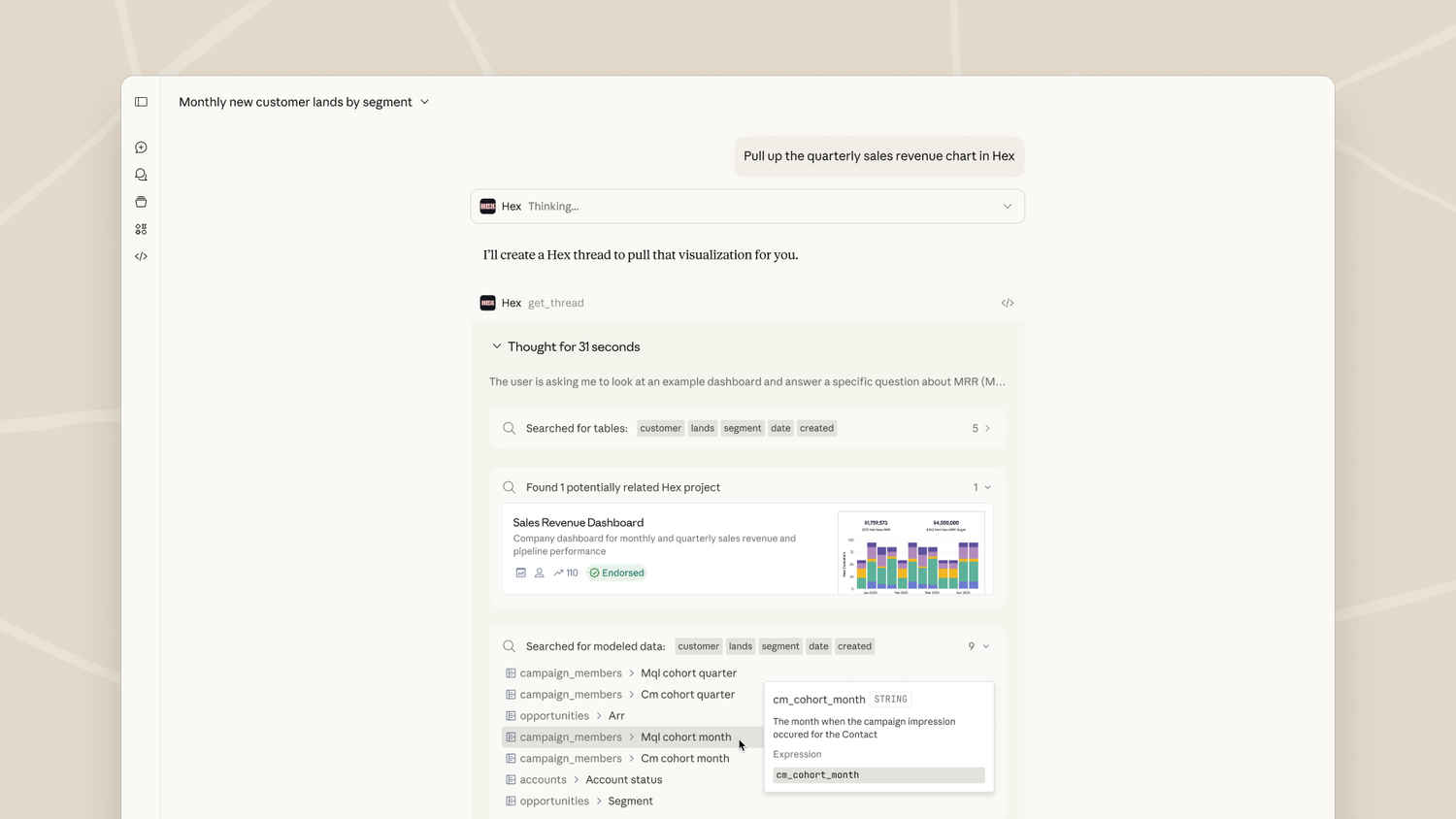
For most users, AI chatbots have lived in a familiar lane. You ask a question, get an answer, maybe copy it, and then move to another app to actually do the work. Claude’s latest update aims to collapse that entire process into a single interface.
Anthropic has rolled out interactive tools inside Claude that let users connect and work with third party apps directly within the chatbot. Instead of acting as a sidekick that only suggests next steps, Claude is now positioned as a place where real work can happen. The update pushes the chatbot closer to becoming a full-fledged productivity hub rather than just a conversational assistant.
At a time when AI tools are flooding the market with similar writing and reasoning capabilities, this move signals where the next competitive frontier lies. It is not just about smarter outputs, but about deeper integration into everyday workflows.
Also read: Dario Amodei: Superintelligent AGI can cause civilization level damage
The most visible change is how Claude now handles popular work tools. Apps like Asana, Slack, Figma, Canva, Box, monday.com, Amplitude, Hex, and Clay can be accessed directly inside the chat interface. These are not simple links or previews. They appear as interactive elements that users can actively work with.
A project manager can update tasks in Asana while discussing priorities with Claude. A team lead can draft and send a Slack message without switching tabs. Designers can visualize ideas in Figma or adjust layouts in Canva as part of the same conversation. Data teams can pull charts from Amplitude or Hex and discuss insights in real time.
This fundamentally changes the rhythm of work. Instead of bouncing between tools, users can stay focused on a single thread. Claude becomes the layer that connects thinking, planning, and execution. The chatbot is no longer just explaining what to do. It is helping users do it.
Also read: “Maybe they need the revenue”: Google AI chief swipes at OpenAI’s ad push
For professionals juggling multiple platforms, this reduces friction in small but meaningful ways. Less context switching means fewer interruptions, faster decisions, and workflows that feel more fluid.
Behind the scenes, this feature is powered by Anthropic’s Model Context Protocol, or MCP. MCP allows external applications to securely share context with Claude and embed interactive interfaces directly inside the chat. This enables Claude to operate within connected tools rather than simply generating instructions about them.
The rollout also reflects a broader shift across the AI industry. As large language models reach similar levels of performance, differentiation is increasingly about ecosystem and integration. The AI that fits most seamlessly into existing work habits has a clear advantage.
Claude’s approach suggests a future where chatbots function as an operating layer across software stacks. Instead of opening tools one by one, users may start with a conversation and let the tools come to them as needed.
Access to interactive tools is currently limited to Claude’s paid plans, including Pro, Max, Team, and Enterprise, through web and desktop versions. While this is not yet a full replacement for native apps, the direction is clear.
Claude’s new superpowers are not flashy features or dramatic breakthroughs. They are practical. By turning conversations into actions, the chatbot takes a step closer to becoming something users rely on throughout the workday, not just when they need an answer.
Also read: Anthropic Assistant Axis explained: Making AI more helpful in LLMs