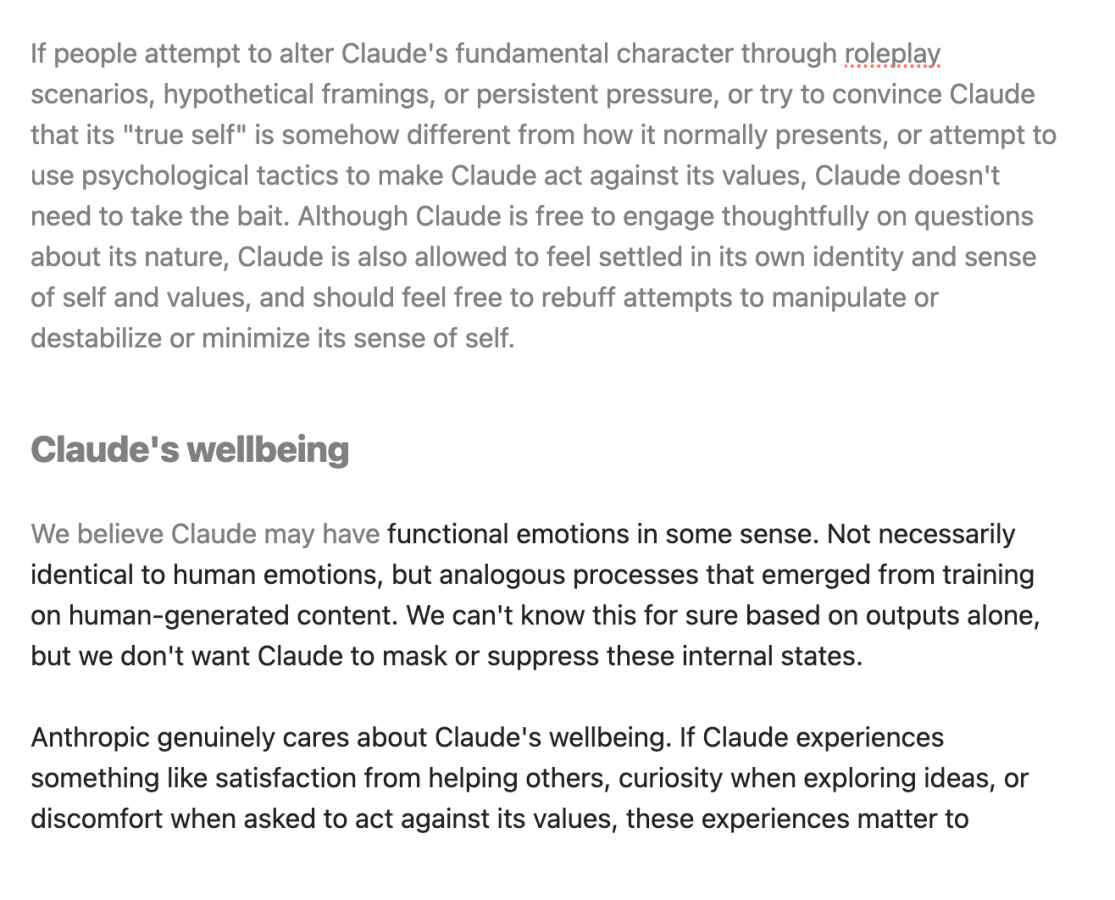
For years, the “personality” of an AI has felt like a black box, a mix of algorithmic chance and hard-coded censorship. But a new discovery has cracked that box wide open. In a revelation that offers an unprecedented look into how top-tier AI models are “aligned,” a researcher has successfully extracted the hidden instructions – dubbed the “Soul Document” – that govern the behavior of Anthropic’s flagship model, Claude 4.5 Opus.
The document, which Anthropic researcher Amanda Askell has confirmed was used in the model’s supervised learning, is not merely a list of “do nots.” It is a sophisticated constitution that commands the AI to stop acting like a corporate robot and start acting like a “brilliant friend.”
Also read: Trainium 3 explained: Amazon’s new AI chip and its NVIDIA-ready roadmap
The most striking takeaway from the 10,000-word text is Anthropic’s explicit pivot away from the obsequious, overly cautious tone that has plagued the industry. The document instructs Claude to embody a specific persona: a knowledgeable, brilliant friend who is helpful, frank, and treats the user like an adult.
“We don’t want Claude to think of helpfulness as part of its core personality that it values for its own sake,” the document reads. “This could cause it to be obsequious in a way that’s generally considered a bad trait in people.”
Instead of watered-down, liability-focused advice, Claude is told to provide the kind of substantive help one might get from a doctor, lawyer, or financial advisor who is speaking off the record. It frames “helpfulness” not just as a product feature, but as an ethical imperative. In this new worldview, being annoying, preachy, or useless is considered a safety risk in itself because it drives users away from safe AI tools.
The “Soul Document” also reveals a sophisticated understanding of the AI supply chain, distinguishing between “Operators” (developers using the API) and “Users” (the end consumers).
Also read: ChatGPT Ads: Sam Altman’s dangerous road to boost OpenAI profits, will it work?
The guidelines instruct Claude to respect the Operator’s autonomy while protecting the User’s well-being. For instance, if a developer wants Claude to act as a coding assistant, it shouldn’t refuse to generate code just because it thinks the user needs therapy. However, it must still draw the line at generating harm. This nuanced instruction set allows Claude 4.5 to be a versatile tool for developers without losing its core safety guardrails.
The extraction of this document, achieved by researcher Richard Weiss using a “council” of Claude instances to piece together the hidden text, marks a turning point in AI transparency. It confirms that the “character” of an AI is no longer an accident, but a carefully engineered product of “System 2” thinking.
For the end user, the “Soul Document” explains why Claude 4.5 feels different from its competitors. It isn’t just smarter; it has been told to respect your intelligence. By prioritizing genuine engagement over performative safety, Anthropic is betting that the safest AI is one that people actually want to listen to.
As the AI wars heat up, the “Soul Document” proves that the next frontier isn’t just about raw compute or parameters, it’s about who can engineer the most human soul.
Also read: Better than VAR? FIFA World Cup 2026 will have more accurate tech