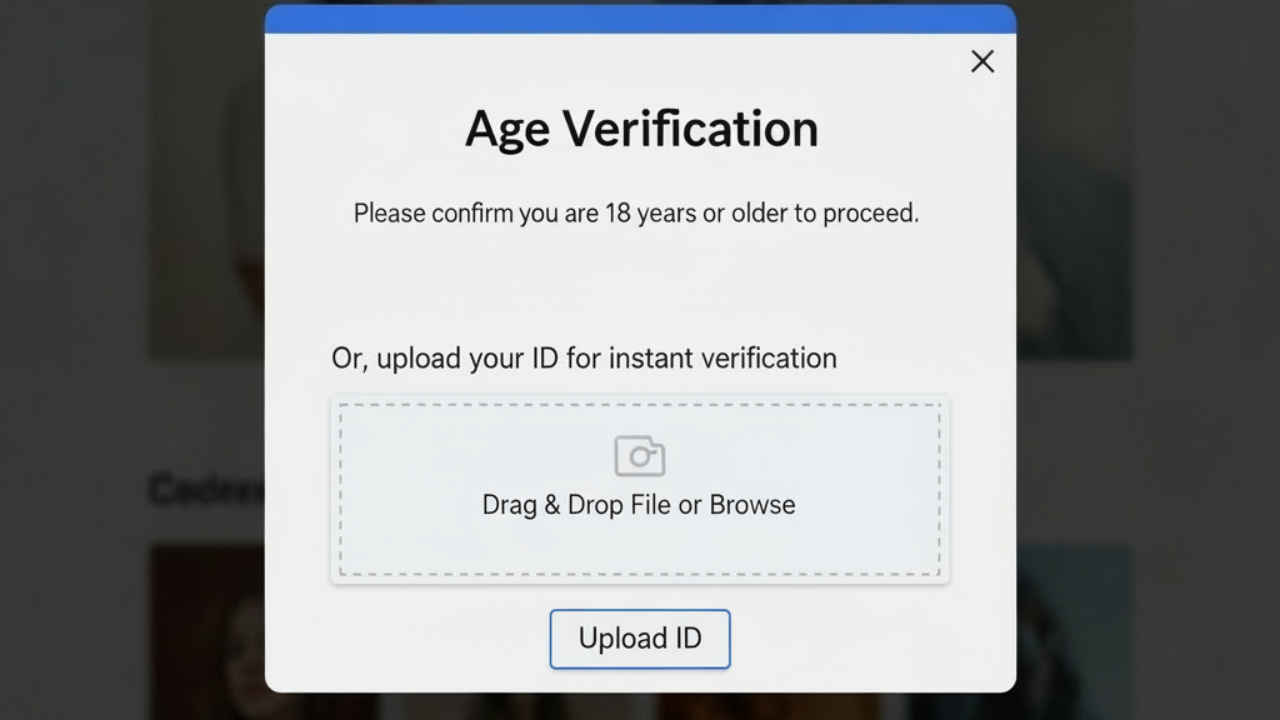
Artificial intelligence has quickly become a fixture in classrooms, workplaces, and homes. But with that rise comes a question that parents, regulators, and companies can’t ignore: what happens when teenagers use powerful AI tools? OpenAI’s answer is its new age verification system for ChatGPT, designed to walk the tightrope between safety, privacy, and freedom.
Also read: OpenAI to build age-prediction system, restrict flirtation and suicide talk for teens
OpenAI frames the system around three principles: privacy, freedom, and safety. For adults, the balance tilts toward privacy and freedom, giving them space to explore sensitive or controversial content with minimal interference. But for teenagers, the priority flips: safety comes first.
That means minors won’t get access to flirtatious conversations, sexually explicit roleplay, or even creative writing that includes self-harm themes. If a teen signals suicidal intent, ChatGPT will not only restrict responses but may escalate by alerting parents, and in extreme cases, law enforcement. The age verification system is the infrastructure that makes this split possible.
Unlike social platforms that simply ask for a birthdate, OpenAI is turning to AI itself.
Step one is age prediction. ChatGPT now includes a classifier trained to detect whether a user is under 18 or an adult. It looks for subtle signals: the language style (slang, emojis, or formal tone), the topics of conversation (homework help versus taxes or job interviews), and even interaction patterns (how long sessions last, what time of day someone chats). Account-level information also plays a role, like whether the account is linked to a parent or tied to a paid subscription.
Each interaction raises or lowers the system’s confidence. If it’s unsure, the model always defaults to the safer under-18 experience.
Step two is proof of age. Adults who find themselves locked into teen mode can verify their age. OpenAI hasn’t detailed every mechanism, but likely options include government ID checks, payment history, or other trusted verification services. Once verified, the adult account regains full freedom.
Step three is parental control. Families will soon be able to link accounts, giving guardians tools to manage a teen’s ChatGPT experience. Controls include switching off chat history, limiting use during certain hours, and even receiving alerts if the AI detects acute emotional distress.
The system is not without risks. False positives could frustrate adults who lean on slang or playful language, suddenly finding themselves treated as teenagers. False negatives could expose teens to adult content if they mimic mature conversation patterns.
Privacy is another concern. By design, the classifier studies how people write and behave – a form of profiling that raises questions about data collection. And if OpenAI requires ID uploads for verification, users may worry about how securely such documents are stored, especially in regions with strict data laws like India’s Digital Personal Data Protection Act.
Also read: Made on YouTube 2025: Veo 3 Fast in Shorts, Ask Studio and other updates
Then there’s the cultural factor. A 17-year-old in Mumbai, a 17-year-old in California, and a 17-year-old in Tokyo may speak very differently. Models trained mostly on Western data might struggle to fairly assess global usage.
Unlike Instagram or TikTok, which often rely on self-reported birthdates and parental consent mechanisms, OpenAI’s system is proactive. It doesn’t just trust what users type into a signup form, it constantly evaluates how they interact. That’s stricter than most social networks, but it also means the AI is making judgment calls about identity, something regulators will likely scrutinize.
OpenAI’s system signals how AI companies are preparing for a new regulatory era. Governments worldwide are debating stricter guardrails for teen safety online. By rolling out an AI-driven age check, OpenAI is both protecting minors and insulating itself from future scrutiny.
But the trade-off is clear: users will be profiled, freedom will be conditional, and privacy will sometimes bend under the weight of safety.
ChatGPT’s age verification system isn’t a static gate where you show your ID once. It’s a living filter that predicts, verifies, and adapts. For teens, that means a more restricted but safer experience. For adults, it may mean the occasional annoyance of proving what they already know: their age.
Whether this model strikes the right balance or simply adds friction to everyone’s experience will depend on how well it works in practice, and how transparent OpenAI is about its methods.
Also read: Microsoft should continue supporting Windows 10, says Consumer Reports