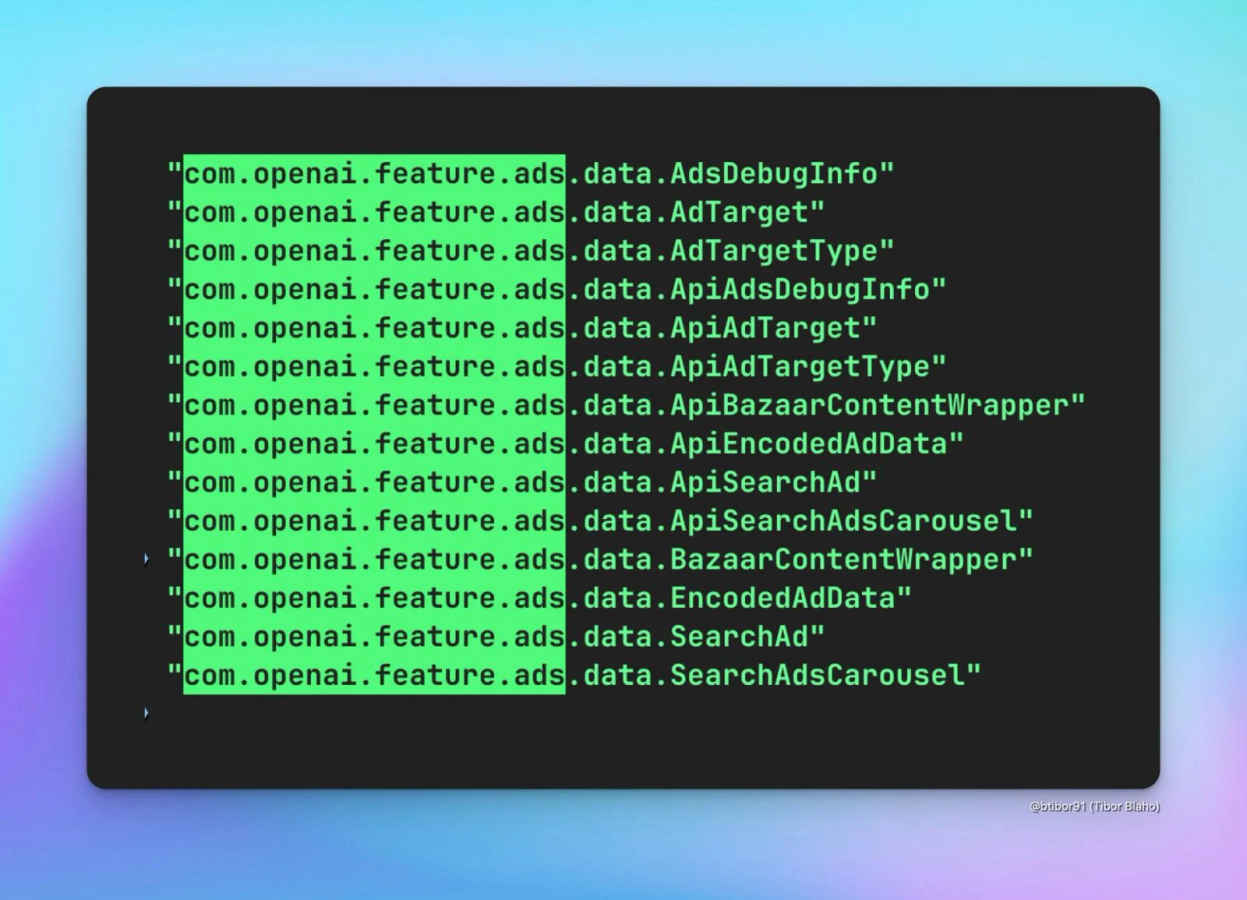
On December 2, 2025, Sam Altman sent a companywide memo titled “code red” that urged OpenAI teams to drop distractions and refocus entirely on improving ChatGPT. The memo never mentioned advertising. Yet code strings in the Android beta, including “sponsored,” “search ad,” and “bazaar content,” point to a quiet build-out of an ad system behind the scenes. This sets up the defining tension for OpenAI in 2026. Can the company introduce ads to support its enormous free tier without breaking the trust that made ChatGPT a cultural phenomenon in the first place?
Also read: ChatGPT users spot ads as OpenAI begins experimental rollout: Here’s what we know
Altman’s memo reoriented the company toward product quality at a moment when Google’s Gemini ecosystem is gaining ground. Teams were told to prioritise accuracy, speed and reliability. Advertising was not part of the immediate plan, although internal discussions suggest it remains on the roadmap for free users sometime in 2026. The omission matters because OpenAI has been testing ad formats in small experiments, even as its Head of ChatGPT, Nick Turley, had said that the “magic of ChatGPT” is that it chooses products “without any interference.” External reporting and code leaks indicate that sponsored slots and product carousels are already under development. The memo created breathing room for the company to improve its core assistant, but it did not erase the economic pressure pushing ads to the surface. That economic pressure is the bridge to the next problem.
OpenAI’s financial model has reached a scale where pure subscriptions are unlikely to cover costs. Public reporting points to around 13 billion dollars in projected revenue for 2025, with internal ambitions for far higher figures by the end of the decade. Yet the cost of inference, which is the energy and hardware required to answer user messages, appears to be enormous. Analysts suggest that these costs already compete with current revenue and could grow significantly as usage increases. Only a fraction of ChatGPT’s vast user base pays for the service, which makes the free tier an expensive public good.
Advertising is the first attempt at a sustainable fix. Market analysts project that a well designed ad system could generate revenue in the low billions by the middle of the decade, with higher potential if conversational commerce takes off. Digital marketers like Neil Patel already describe ChatGPT as a “trillion‑dollar shopping gateway” and “the next trillion‑dollar ad network” built on intent‑rich dialogue. Competitors such as Google can fund their AI offerings with profitable search ads, which puts further pressure on OpenAI to diversify its income. That financial logic explains why ads continue to reappear in strategy conversations, even when they come with real risks.
Also read: Better than VAR? FIFA World Cup 2026 will have more accurate tech
The challenge is not simply adding ads. It is protecting the neutrality that users expect. ChatGPT often serves as a coach, advisor or search surrogate. If a recommendation for a hotel, camera or flight appears as part of an answer, many users will wonder whether the assistant offered genuine guidance or pushed a sponsor. Industry analysts warn that “if the line between advice and advertising blurs, trust erodes” and smaller players risk being squeezed out. Even clearly labelled sponsored blocks can influence trust, especially in categories where people are comparison shopping.
Ranking creates another layer of risk. Once ads exist inside the chat interface, the line between organic answers and paid placement can blur. Users have already voiced concerns on social platforms about their conversations being used to target ads. Any perception that private queries are feeding a marketing engine could trigger regulatory scrutiny in regions with strict privacy laws. A misstep here would give competitors a powerful opening to differentiate themselves as safer and cleaner.
The success of this strategy depends on the boundaries OpenAI sets. The plan is likely to succeed financially if ads stay clearly labelled, appear only in appropriate contexts and remain isolated from core reasoning. It is likely to fail if sponsored content begins to influence general advice or if targeting feels intrusive. Investors such as Brad Gerstner have already questioned how OpenAI can justify massive long‑term spending without clearer unit economics, a tension that advertising alone may not resolve.
A third path is also possible. Competitors may position themselves as premium, ad free alternatives, which could split the market. The metrics to watch are simple. How quickly revenue from free user monetisation grows. Whether privacy terms change to allow broader data use. And whether other assistants gain share by promising a cleaner experience. Those signals will reveal whether OpenAI is finding a balance or drifting into the same commercial patterns that reshaped earlier generations of the internet.
Also read: Best budget laptops under Rs 35,000 in 2025 from Asus, Lenovo and HP