Cerabyte ceramic substrate for data storage
Munich-based storage startup Cerabyte has laid out a bold vision for the future of archival data storage, aiming to deliver racks with more than 100 petabytes (PB) of capacity, 2 GBps bandwidth, and under 10 seconds time to first byte, all by 2030. The goal is part of a broader roadmap presented by co-founder and CMO Martin Kunze at A3 Tech Live, where he shared details of the company’s distinctive approach and future ambitions.
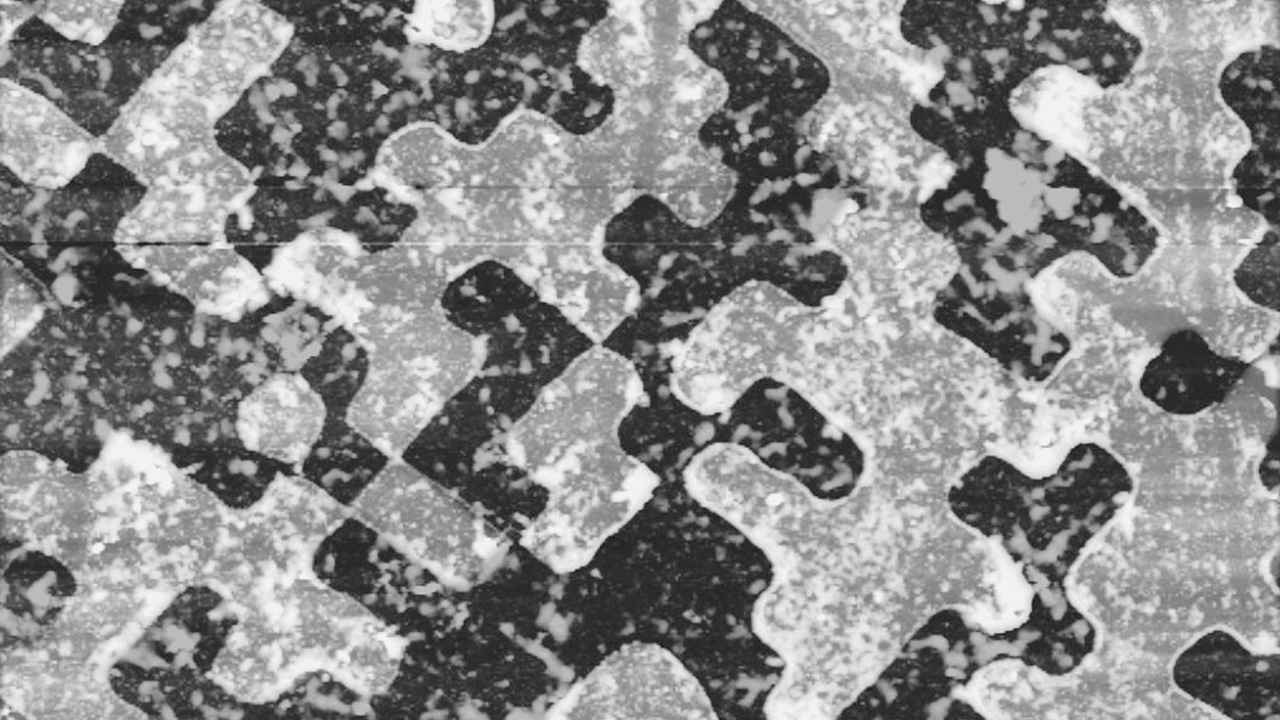
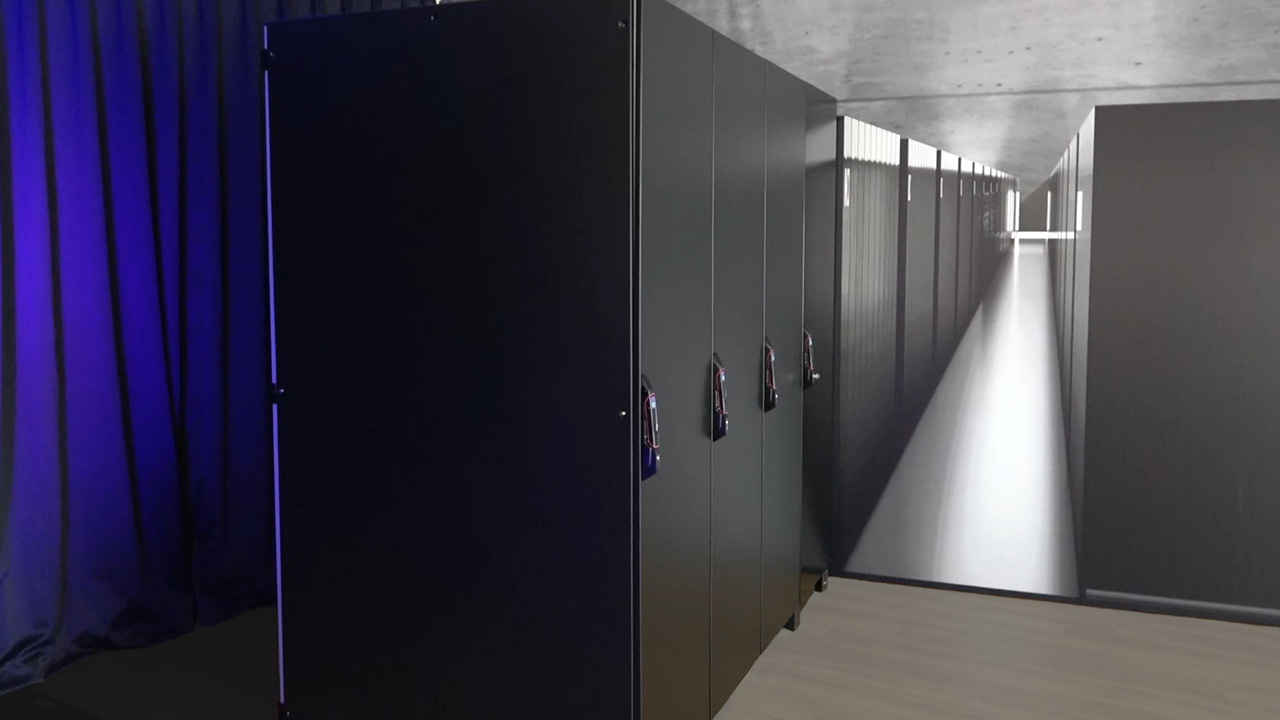
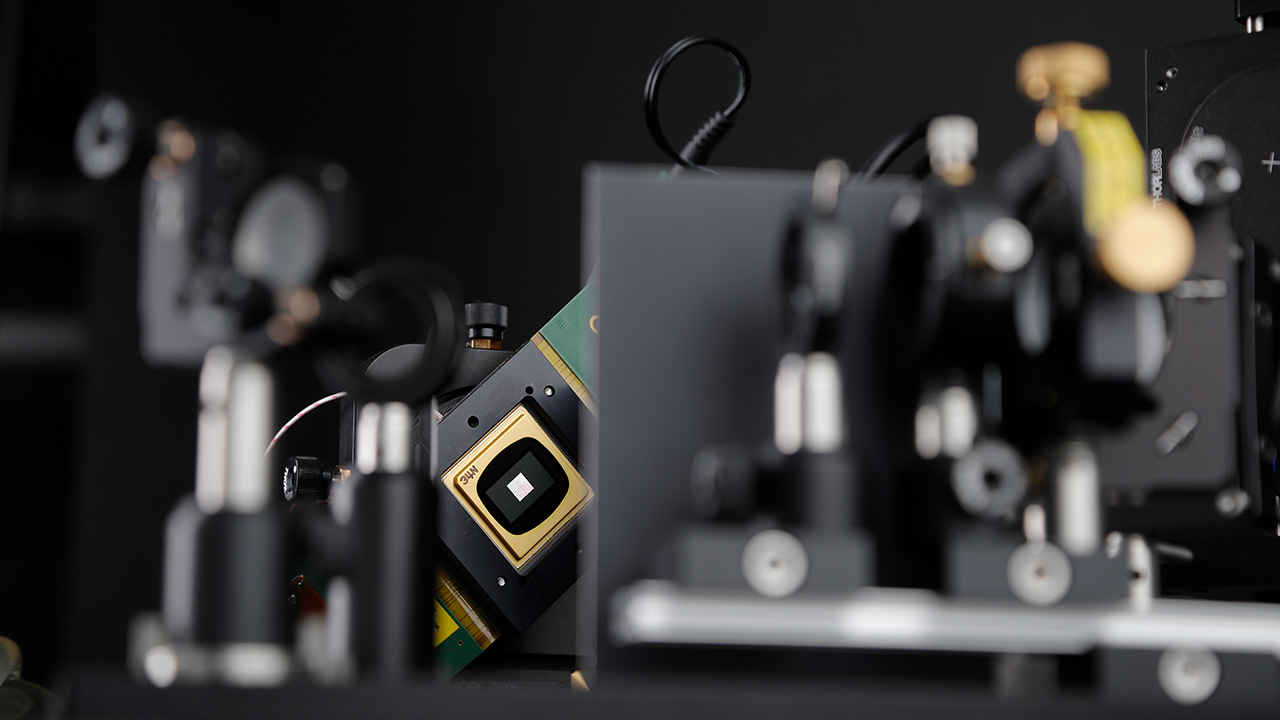
At the heart of Cerabyte’s approach is the use of femtosecond lasers to etch data into a ceramic recording layer deposited on a glass tablet. Unlike traditional magnetic tape or disk-based systems, this method creates permanent marks on an ultra-stable medium that resists heat, radiation, and electromagnetic interference. These tablets are stored inside tape-like cartridges, which are moved via robotic arms within a library system, reminiscent of enterprise tape storage setups.
The company’s long-term pitch is that this technology offers better longevity, performance, and economics compared to legacy storage media. According to Kunze, data written using Cerabyte’s system will last over 100 years, well beyond the 7–15 years typically quoted for LTO tape. Read speeds are pegged between 1 and 2 GBps, while the projected cost could fall to as little as $1 per terabyte which is half of what tape typically costs.
Cerabyte’s current development efforts are focused on a pilot system that’s expected to be ready in 2025 or 2026. This first-generation setup is targeting 1 PB per rack, a 90-second time to first byte, and a throughput of around 100 MBps.
That may seem modest, but the company is planning rapid iteration. By the end of the decade, Cerabyte envisions delivering a fully evolved system capable of storing over 100 PB in a single rack, offering under 10-second access and transfer rates that exceed 2 GBps. These performance targets, if achieved, would mark a significant leap over both conventional tape libraries and competing next-gen archival solutions.
Notably, the company projects that the total cost of ownership for archival storage will fall dramatically over this period, from around $7,000–$8,000 per PB per month to just $6–$8. That drop hinges on efficiency gains in laser writing, media production, and robotic handling.
Cerabyte is not building this future alone. The company has already attracted investment and strategic backing from a mix of big names, including Pure Storage, Western Digital, and In-Q-Tel, the US intelligence community’s venture arm. It has also received support from the European Innovation Council’s Accelerator fund and has so far secured around $10 million in seed funding alongside more than $4 million in grants.
It is now in the process of raising its A-round of venture capital to accelerate the development of its pilot systems and ramp up towards commercialisation.
The collaboration with major storage players and institutions is not just financial. Cerabyte is positioning itself as a partner in developing sustainable and long-term alternatives to current archival technologies, particularly magnetic tape, which dominates enterprise cold storage today.
Cerabyte is keen to position its technology as not just cheaper and more durable, but also greener. Kunze pointed to a white paper titled “The Sustainable Preservation of Enterprise Data”, sponsored by Cerabyte, IBM, and Fujifilm, which claims that archival storage accounts for roughly 2 percent of global CO₂ emissions. The paper argues that by switching from tape and other archival formats to Cerabyte’s ceramic-based media, that figure could be cut to around 1.25 percent.
The company also argues it has a stronger sustainability profile than its direct competitors, which include Microsoft’s Project Silica (also glass tablet-based but developed in-house), Holomem’s holographic memory technology, and other exotic archival concepts like DNA storage and Piql’s film-based approach.
In Cerabyte’s view, these rivals either fall short on speed, longevity, scalability, or cost-effectiveness. Project Silica, for instance, is making similar strides with glass-based storage, but Cerabyte claims its laser-writing technique provides better performance and energy efficiency. DNA storage, while promising in density, is still prohibitively expensive and slow for most practical applications.
Cerabyte isn’t shy about looking well beyond the decade either. Kunze briefly touched on a more speculative vision for 2045, involving particle beam matrix technology. The idea is to replace the femtosecond laser with a helium ion beam, allowing for a dramatic reduction in bit size, from 300 nm to just 3 nm. If realised, this could enable archival racks with a staggering 100,000 PB of storage capacity.
While this remains a distant prospect, Kunze noted that laying the foundation now with scalable, durable media and robotics is crucial for supporting the future evolution of data-intensive technologies such as AI, autonomous vehicles, and planetary-scale simulations.
As enterprise data volumes explode and regulations around data retention and sustainability tighten, the demand for efficient long-term storage is only going to increase. Cerabyte is betting that its ceramic-glass media can carve out a new tier of archival storage that blends the reliability of physical media with the performance and density expected of modern infrastructure.
Should its roadmap hold up, Cerabyte may well end up not just complementing but replacing parts of the tape-based storage ecosystem very much like SSDs displaced spinning disks in performance-sensitive workloads.
For now, all eyes are on the company’s first commercial pilot system. If Cerabyte can deliver on even part of its roadmap, it may well find itself at the centre of the next wave of data preservation technology.