A select handful of Apple alumni have left such deep impressions on the company that their departures became stories in their own right. Steve Jobs, Tony Fadell, Jony Ive, Bertrand Serlet, Imran Chaudhri, and Scott Forstall each shaped one or more of Apple’s crown-jewel products before striking out on new, sometimes surprising paths. Their individual narratives reveal why brilliant people walk away from the world’s most valuable brand, and how the creative restlessness Apple cultivates often refuses to stay within its glass walls.
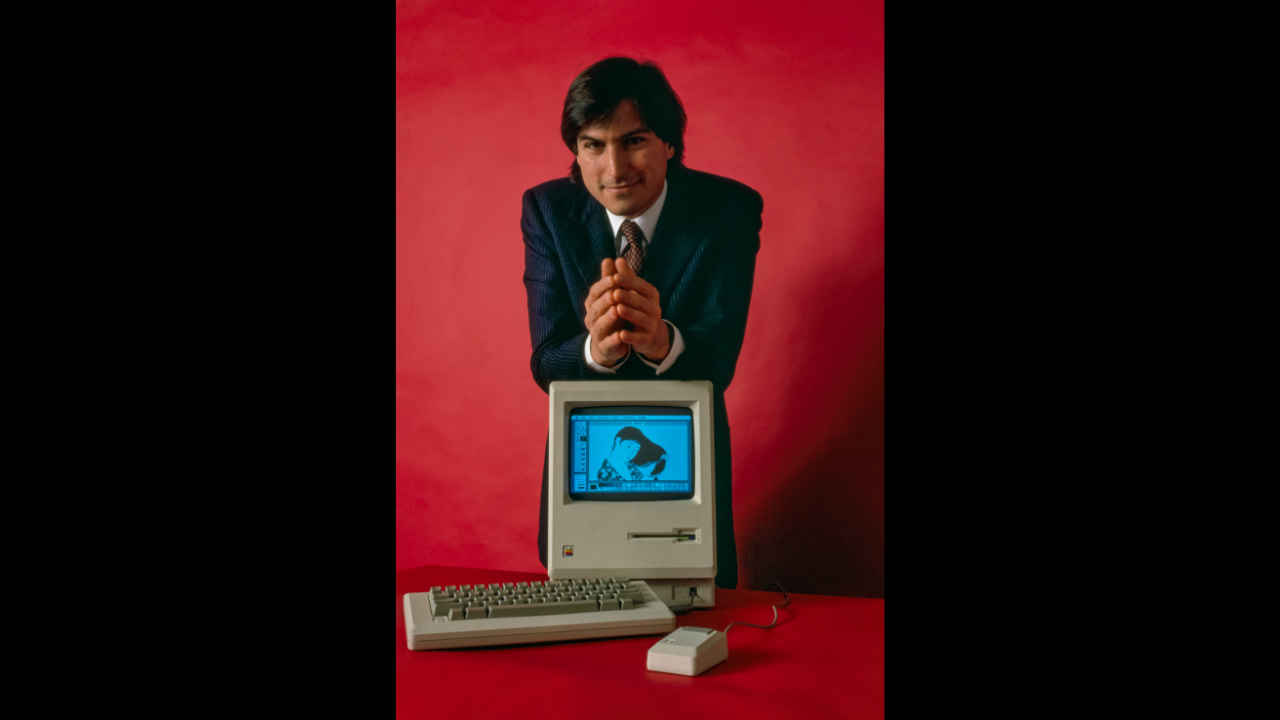
Steve Jobs co-founded Apple in 1976 and drove the Apple II’s mass-market success and the Macintosh’s graphical interface revolution. Yet, by mid-1985, plunging Mac sales and a rivalry with CEO John Sculley saw Apple’s board strip him of power; Jobs resigned that September. Determined to prove Apple wrong, he founded NeXT Computer. Its UNIX-based NeXTSTEP operating system, written in Objective-C, pioneered object-oriented frameworks and attracted researchers (Tim Berners-Lee created the world-wide Wide Web on a NeXT cube). Apple’s own OS roadmap had stalled, and in December 1996, it bought NeXT for $429 million in cash plus 1.5 million shares, rehiring Jobs as “iCEO” and adopting NeXTSTEP as the core of what became Mac OS X.
Also read: Why is everyone leaving OpenAI?
During his exile, he also purchased George Lucas’s computer-graphics unit for $10 million, renamed it Pixar, and funded the studio until Disney bought it for roughly $7.4 billion in 2006, instantly making Jobs Disney’s largest individual shareholder and a board member. Returning to Apple, he launched the translucent iMac G3 in 1998, the iPod in 2001, the iPhone in 2007, and the iPad in 2010, driving Apple’s market value from near-bankruptcy to global dominance.
Pancreatic cancer was first diagnosed in 2003 increasingly eroded his health; Jobs stepped down as CEO on 24 August 2011, became chairman, and died six weeks later, aged 56. He left behind not only Apple’s modern product portfolio but also Pixar’s creative culture and a template for blending engineering rigour with storytelling daring, a legacy still felt across consumer electronics and entertainment.
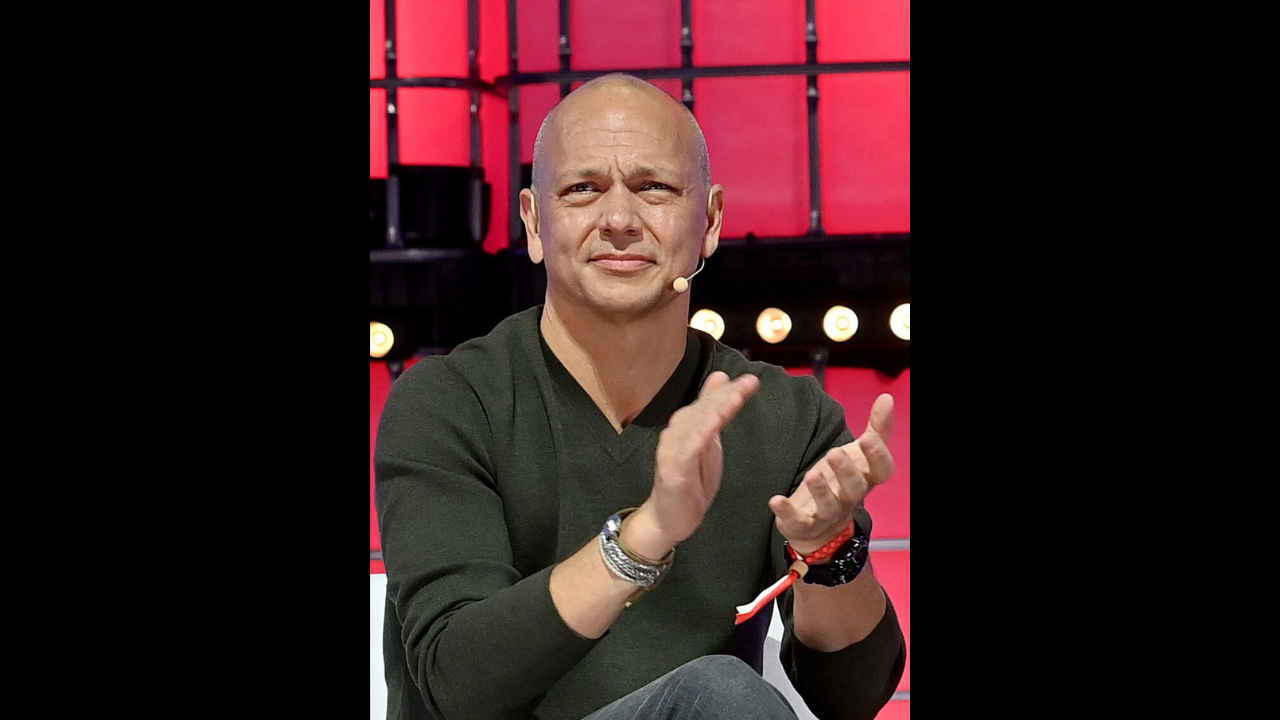
Tony Fadell joined Apple in February 2001 to prototype a “music player that syncs effortlessly with iTunes”, quickly becoming senior vice-president for the iPod Division and later a key figure on the original iPhone team. Under his watch, the iPod grew from a quirky five-gigabyte gadget to a billion-unit franchise that saved Apple’s finances in the pre-iPhone era.
Shipping a new iPod every 12 months was exhilarating but punishing; after the third iPhone launch, Fadell stepped back in late 2008, citing exhaustion and a desire to spend time with his young family, though he remained an adviser for a year. A sabbatical in the French Alps exposed the dull design and fixed programming of home thermostats, so in 2010, he founded Nest Labs. The Nest Learning Thermostat debuted in October 2011, offering elegant aluminium hardware, automatic scheduling, and iPhone-style firmware updates. Google swooped in January 2014, paying $3.2 billion in cash for Nest to jump-start its hardware ambitions.
Fadell clashed with Google’s bureaucracy and left in 2016, later acknowledging that he “missed the insane focus” of his iPod years. From Paris, he launched Future Shape, an investment and mentoring vehicle backing deep-tech start-ups in batteries, climate sensors, and biotech, deliberately avoiding Silicon Valley’s short-termism. Across two decades, he has helped normalise the idea that hardware can be sexy, software-first and ecologically minded, first in a pocket, then on a wall, and now in labs tackling carbon emissions.
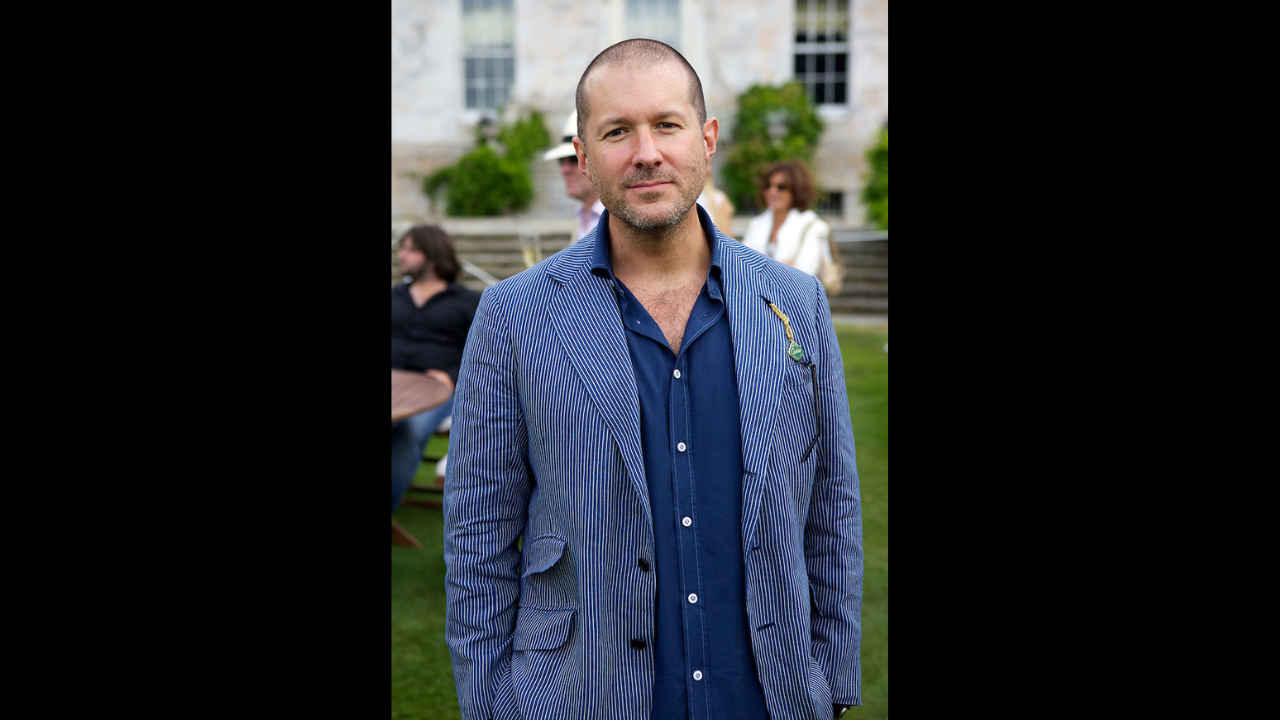
Ive joined Apple’s Industrial Design Group in 1992 and rose to Chief Design Officer, delivering the candy-coloured iMac G3, the click-wheel iPod, the aluminium unibody MacBook, and the glass-and-steel iPhone, products that re-framed technology as lifestyle objects. Working with Steve Jobs, he championed iterative model-making, material honesty, and a fanatical focus on the user’s first touch.
By 2019, however, running both product design and the vast Apple Park project had left him wanting “breathing space”. Apple announced it would depart to form LoveFrom, a boutique collective that kept Apple as its first client while allowing wider work. LoveFrom soon partnered with Ferrari’s parent Exor on future electric super-cars and crafted King Charles III’s Terra Carta environmental seal, underscoring Ive’s range beyond gadgets. In July 2022, Apple and Ive amicably ended their consultancy, freeing him from non-compete constraints.
That freedom led to quiet sketching sessions with OpenAI chief Sam Altman. In 2024, Ive spun up io, hiring ex-Apple hardware leads Evans Hankey and Tang Tan to prototype “post-smart-phone” devices. On 21 May 2025, OpenAI agreed to acquire io for roughly $6.5 billion in equity and cash, absorbing about 55 engineers and making LoveFrom responsible for design across all OpenAI hardware and software while remaining legally independent. Reuters reports that Ive will sit on OpenAI’s product steering group; Axios notes the deal eclipses Nest as the biggest hardware exit by an Apple alum.
Neither company has revealed the first product, but a Wall Street Journal-summarised staff call described a pocket-sized, screen-less, voice-and-sensor device positioned as a “third pillar” after phone and PC. The Verge adds that launch is pencilled in for 2026 and that Ive’s team is exploring haptic fabrics and audio projection to keep interactions “calm and humane”. If successful, Ive could again redefine personal technology, this time by giving artificial intelligence a tangible, unobtrusive shape that feels as inevitable as the iPod’s click wheel.
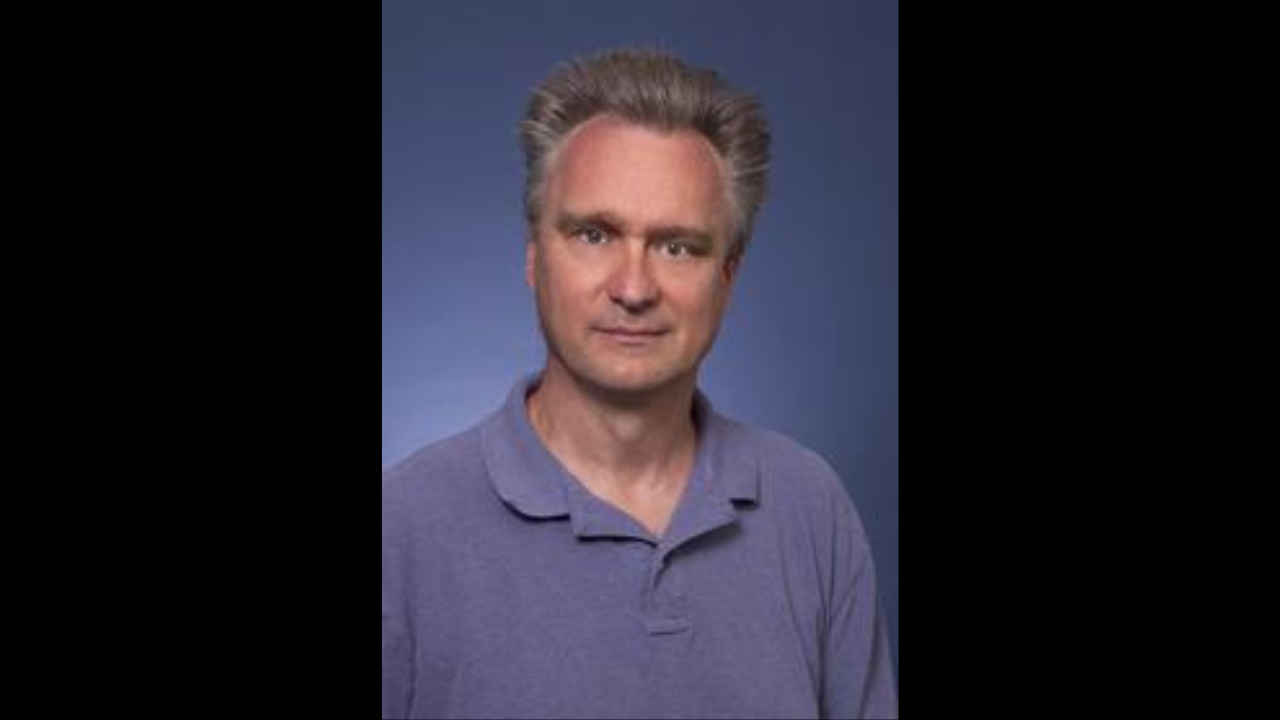
A NeXT veteran with a PhD in computer science, Bertrand Serlet became Apple’s senior vice-president of Mac Software Engineering in 2003. He shepherded Mac OS X releases Tiger (2005), Leopard (2007), and Snow Leopard (2009), prized for stability and speed. On 23 March 2011, Apple quietly announced his exit. Serlet said he wanted to “focus less on products and more on science”. Colleagues suggest he was uneasy as Apple pivoted engineers toward iOS, leaving Mac without the same headroom for innovation.
He co-founded Upthere in 2011, arguing that file-syncing broke down when people owned five devices; instead, data should live in a single object store in the cloud. Upthere emerged from stealth in October 2015 and opened a public beta with elegant macOS and Android clients. Western Digital acquired the start-up in August 2017 to bolster its consumer-cloud portfolio.
Also read: Don’t Buy Apple MacBook Accessories Before You See These Cheaper Alternatives
Not content, Serlet then co-founded Fungible, whose data-processing units (DPUs) offload storage and networking chores from server CPUs. Microsoft purchased Fungible in January 2023 to accelerate Azure’s disaggregated-data-centre strategy. Through two ventures, Serlet carried Apple’s old NeXTSTEP virtues, efficient code, and modular architecture into today’s hyperscale infrastructure, proving that quiet system software often shapes the hardware future.
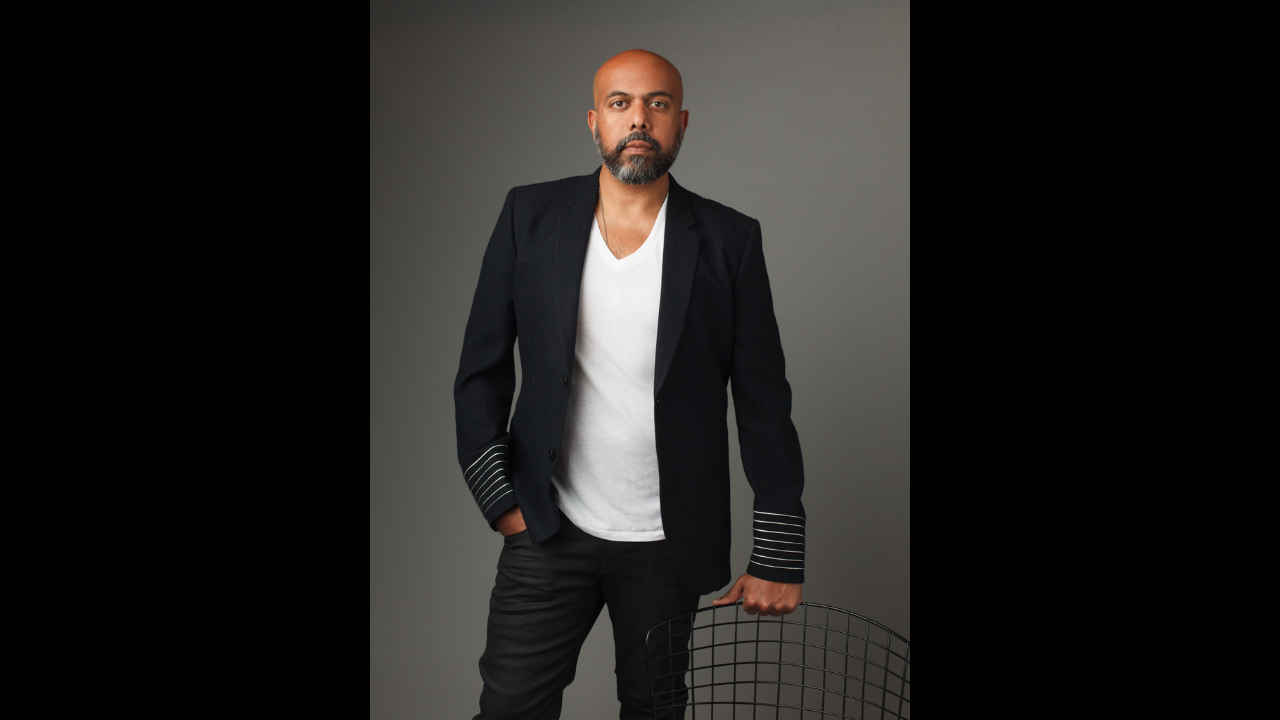
British-born Imran Chaudhri joined Apple in 1995 and became a core member of the Human Interface team, co-inventing the swipe-to-unlock gesture and the rearrangeable grid of icons that defined the iPhone’s 2007 debut. In early 2017, he emailed colleagues a reflective farewell before senior leadership had approved any announcement; the misstep hastened the non-renewal of his contract, effectively ending a 22-year run at Apple.
Later that year, Chaudhri and former iPad software director Bethany Bongiorno founded Humane. Their vision: a screen-less wearable that projected a laser interface onto the user’s palm and answered natural-language queries via cloud AI. After raising more than $230 million from investors, including Sam Altman and Salesforce’s Marc Benioff, Humane unveiled the AI Pin during Chaudhri’s TED talk in April 2023, branding it a phone killer.
The $699 device shipped in November 2024 but was panned for overheating, short battery life, and erratic voice recognition. Just three months later, the company sold most assets to HP for $116 million and announced the Pin would cease functioning within days. Chaudhri’s ambition underlines both the audacity and risk that Apple alumni bring to interface design: lessons from multitouch can inspire radical new forms, yet the market is unforgiving when execution lags behind vision.
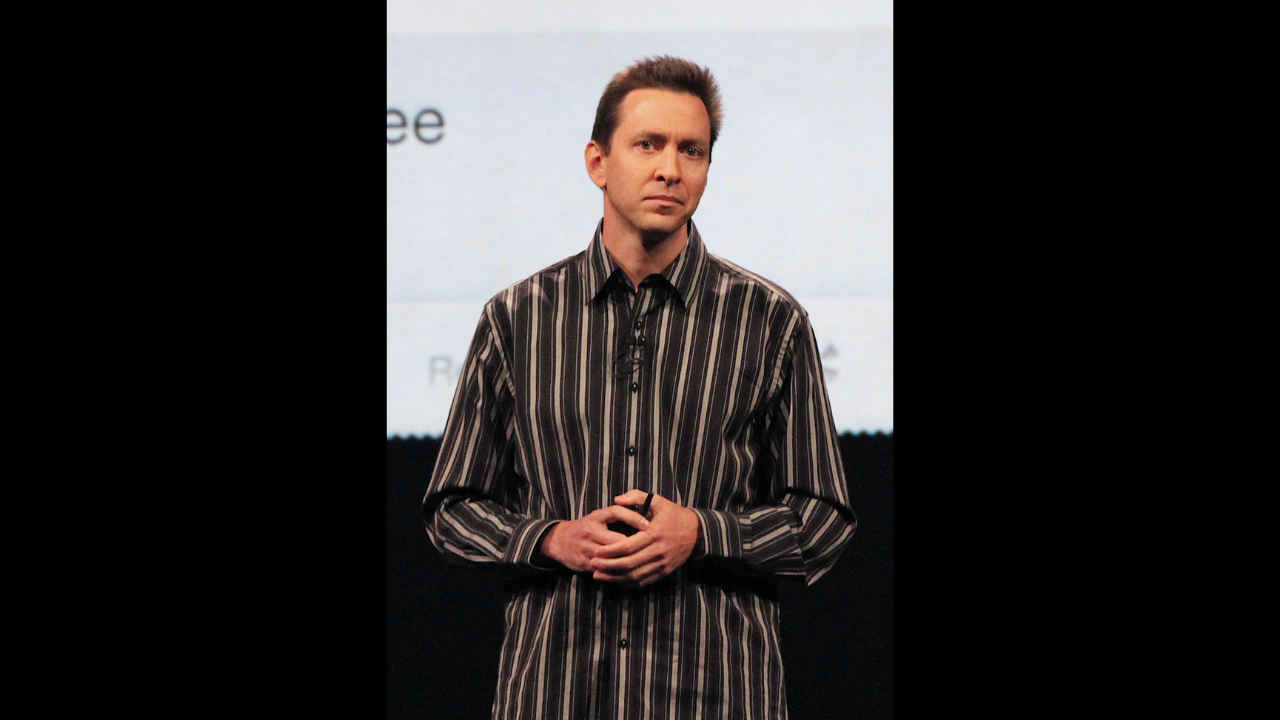
A Stanford-trained computer scientist who followed Jobs from NeXT to Apple, Scott Forstall helped craft Aqua, Mac OS X’s candy-coloured interface, before leading the team that created the touch-first iPhone OS in 2007 (re-branded iOS in 2010). Colleagues lauded his product instincts but criticised a combative style. Trouble peaked in September 2012 when Apple Maps launched with glaring errors; CEO Tim Cook drafted a public apology, yet Forstall refused to sign it, believing complaints were exaggerated. Cook dismissed him on 29 October 2012 and reassigned his teams, marking the end of the original iPhone “brain-trust” era.
Forstall kept a low profile, advising Snapchat and a handful of stealth start-ups, but resurfaced as a Broadway producer. Fun Home, which he backed, won the 2015 Tony Award for Best Musical, among others. He repeated the feat with Hadestown, which took eight Tonys, including Best Musical in 2019.
The six stories share a pattern: extraordinary impact inside Apple, followed by departures triggered by culture clashes, burnout, or bold new ideas. Some Jobs, Fadell, and Ive found fresh triumphs; others, like Chaudhri, demonstrate how difficult it is to bottle Apple-grade polish outside Cupertino. Yet each alumnus exported a conviction that technology must serve human experience with elegance and ambition. That, more than any single product, remains Apple’s most influential export.