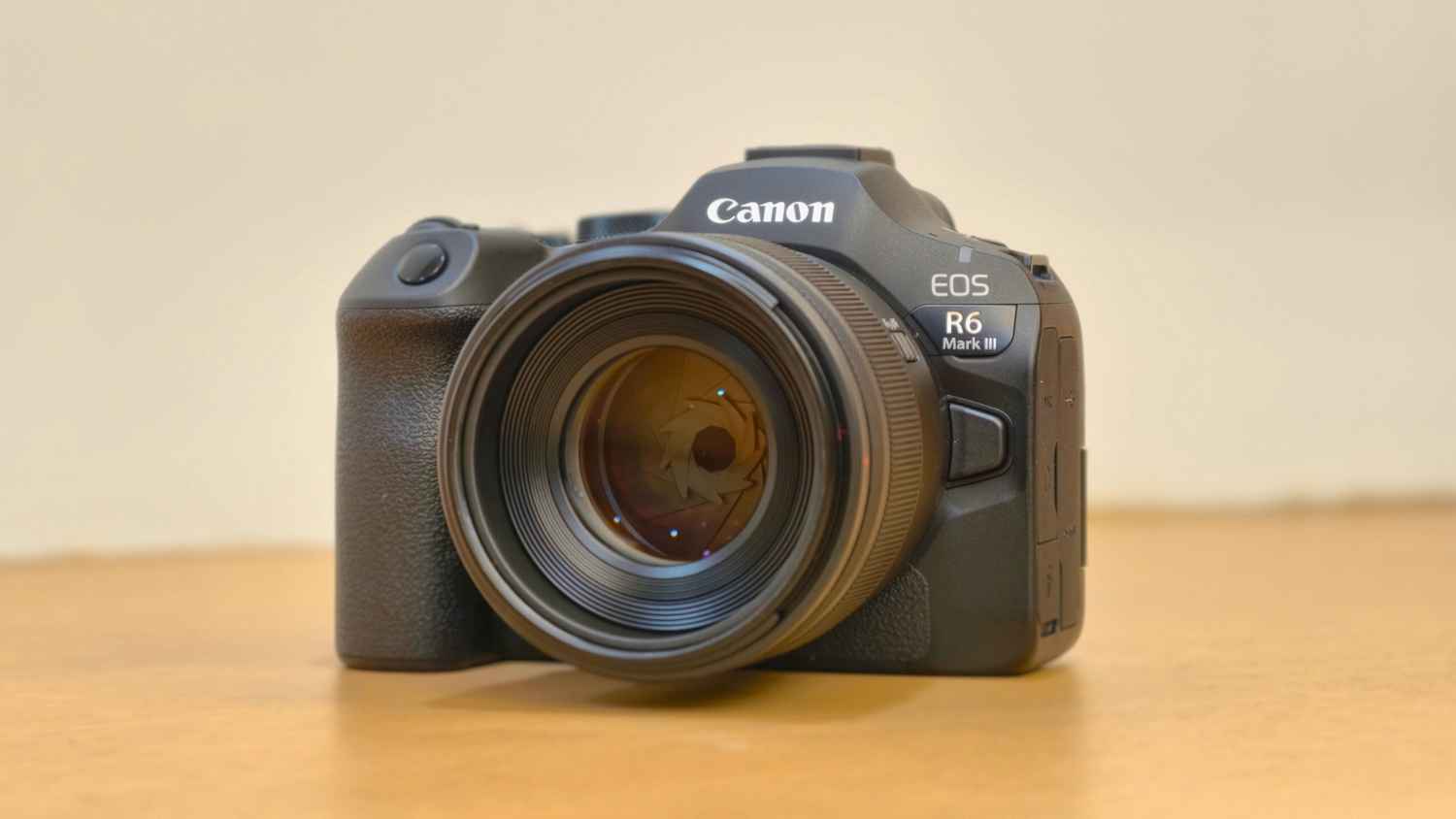
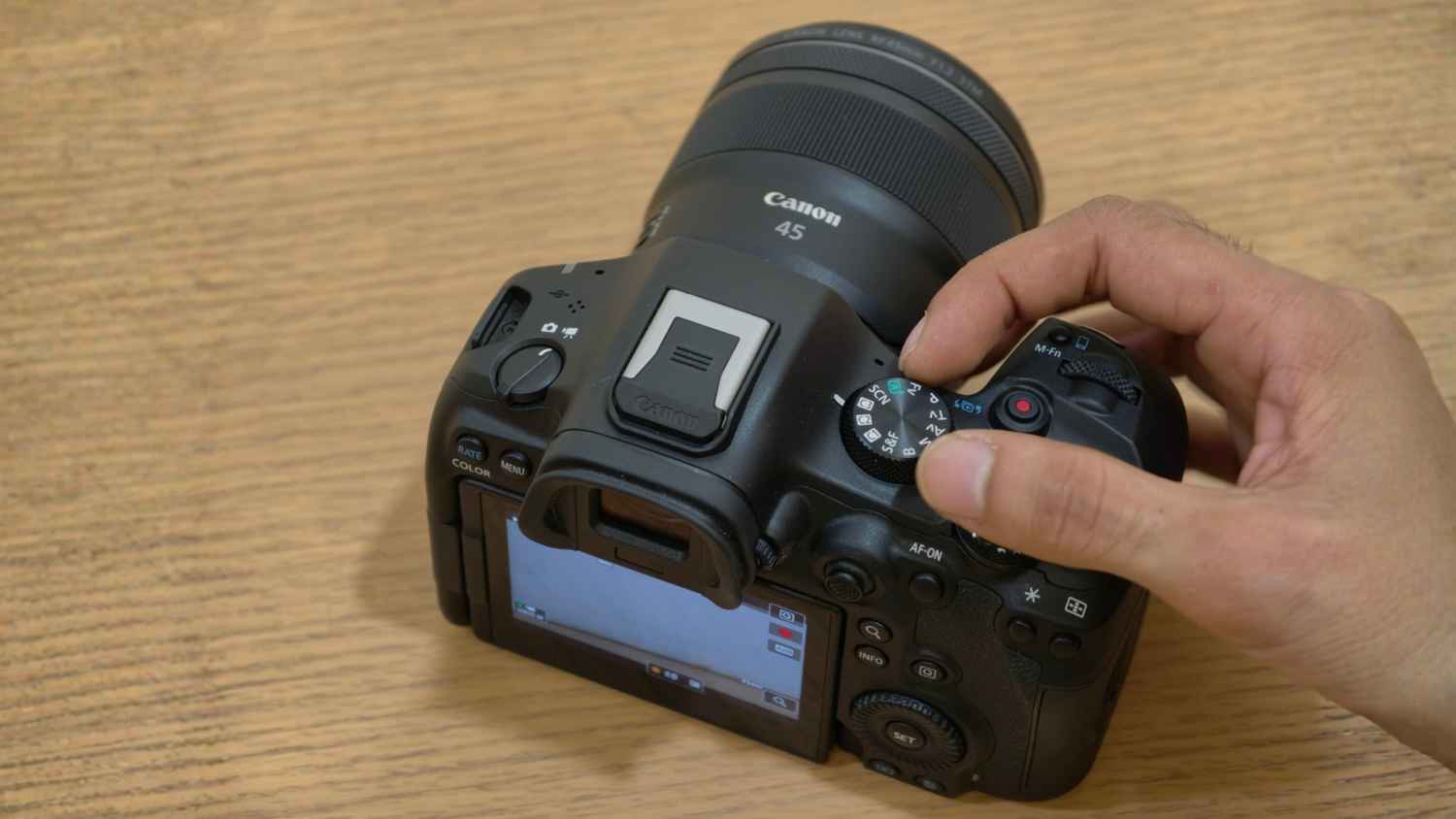
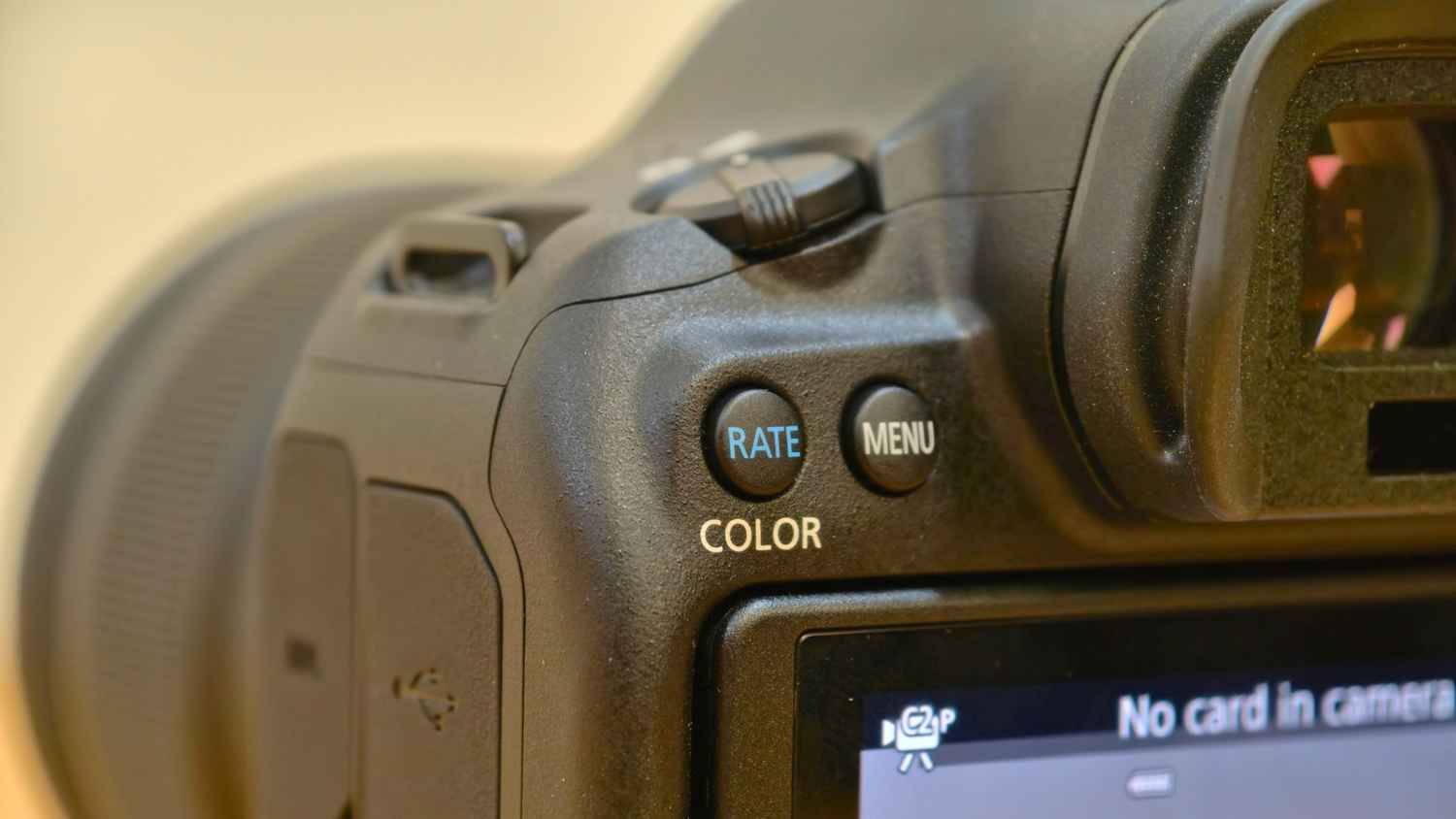
Canon’s R6 line has always been built for people who work fast and move across different kinds of projects without much ceremony. Creators today are no longer working on one project at a given time. A wedding filmmaker also shoots reels for brands, a documentary photographer is expected to deliver vertical teasers and a YouTube filmmaker uses the same body for interviews and the occasional short film. To manage this multi-format reality, it becomes a necessity to operate gear that might not be the one with the flashiest hardware, or the latest, but one that can be moulded. The R6 Mark III sits right in that intersection. It’s not the most expensive camera in Canon’s lineup, nor is it the most compact, but it feels like a camera designed for the way visual work is evolving right now while borrowing a surprising number of tools from Canon’s cinema division. After spending some time with the R6 Mark III with the RF45mm f/1.2 STM lens, here are 5 reasons why I think it is the right upgrade for creators this year.
The R6 Mark II already offered strong oversampled 4K, but the Mark III gets you internal 12-bit RAW, 7K recording, Canon Log 2, and full-size HDMI bring in workflows that previously required a Cinema EOS body. You also get cinema monitoring tools like waveform, false colour, zebras, and custom LUT import like on a C-series camera.
It feels like Canon intentionally designed a “mini cinema camera” without calling it one, giving creators a body that handles everyday hybrid shooting while also holding up in more controlled productions. It sits surprisingly close to the EOS C50 in capability, even though it’s marketed as a stills-first hybrid.
The jump from the R6 II’s traditional 4K pipeline to 3:2 Open Gate and 7K 60p opens up more room for reframing, repositioning, and adapting footage to multiple formats. It captures the entire height of the sensor, letting editors crop for 16:9, 9:16, 1:1, or anything in between without throwing away detail. The Mark II didn’t offer this flexibility, which often meant shooting wider than necessary or compromising on resolution when cropping heavily.
When the entire sensor becomes a usable canvas, whether the final delivery is horizontal, vertical, or a mix of both, there’s enough detail for editors who gain headroom and shooters who gain a safety net.
The Mark III doubles down on several small but important changes that make it easier to live with day to day. The increase to 32.5 megapixels offers more area for cropping than the Mark II’s 24MP sensor. The pre-capture mode buffers 20 frames before the shutter is fully pressed, which helps significantly in events, wildlife, or sports situations where the Mark II often left a little room for error.
Autofocus also sees a meaningful update. The Mark III inherits Register People Priority AF, previously seen only on higher-end bodies, giving the camera the ability to lock onto designated subjects in group scenes. Pair that with IBIS rated up to 8.5 stops, a strengthened magnesium alloy body, and a shutter mechanism tested for 500,000 cycles, and the Mark III simply feels more dependable over long, varied shoot days.
Canon is calling 2025 their “year of reclamation” and the company is investing heavily in services and community, which is rare for a camera brand. Canon Deep Dive sessions with filmmakers such as Santosh Sivan put the focus on technique, creative thinking and polishing the filmmaking craft. Canon Care’s doorstep service reduces downtime for working shooters with the camera servicing being free of charge. And Canon North Star brings multiple partner brands together to help businesses set up complete video production workflows through free consultation. These initiatives sit alongside the camera and the R6 Mark III benefits directly because Canon is trying to build long-term relationships instead of one-time purchases.
The Mark III also rounds out its capabilities with features that match the pace and variety of modern shooting. It offers 4K 120p and 2K 180p for smoother motion than the Mark II, along with proxy and sub-recording via CFexpress and SD cards to keep post-production moving on busy sets. Canon’s 27 colour palettes, improved skin rendering, and flexible colour controls help when quick delivery is expected, especially in environments where creators need beautiful output without grading from scratch. Paired with the new RF45mm f/1.2 STM lens which is a lighter, more accessible fast prime that delivers clean bokeh, a natural perspective, and responsive autofocus. Whether it’s a wedding, a short film, a brand reel, or a string of vertical clips for social platforms, the R6 Mark III adapts comfortably without forcing shooters to rethink their workflow.
The Canon R6 Mark III doesn’t replace higher-end cinema bodies, and it doesn’t try to compete with the R5 II’s resolution or thermal headroom. What it does exceptionally well is occupy the middle with cinema-grade features without cinema costs. It carries over the strengths of the R6 II but fills in the gaps that mattered the most: flexible recording formats, stronger post-production pipelines, better AF intelligence, and the kind of durability you notice over years, not weeks.
For anyone shooting across stills, short films, vertical content, documentaries, or events, the Mark III feels less like an incremental refresh and more like a practical correction toward what hybrid shooting actually demands today.
Also Read: Inside Canon’s Leap Into the Creator Economy With the EOS R50 V