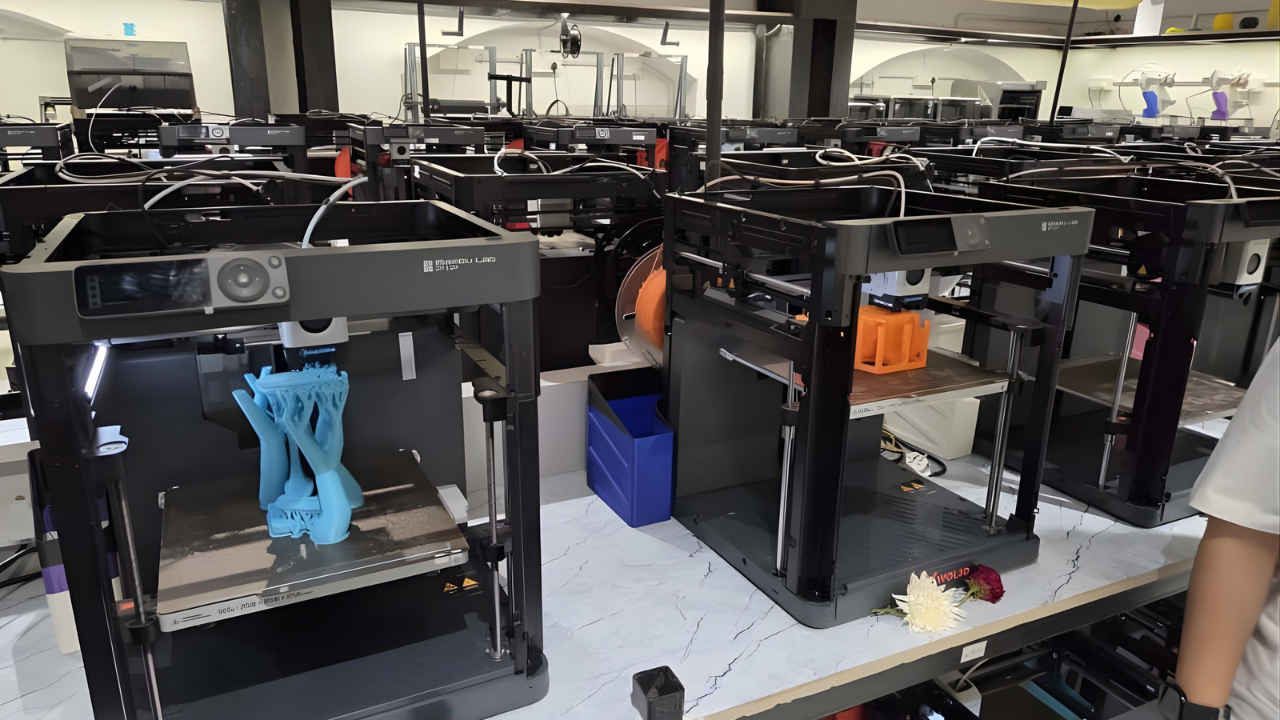
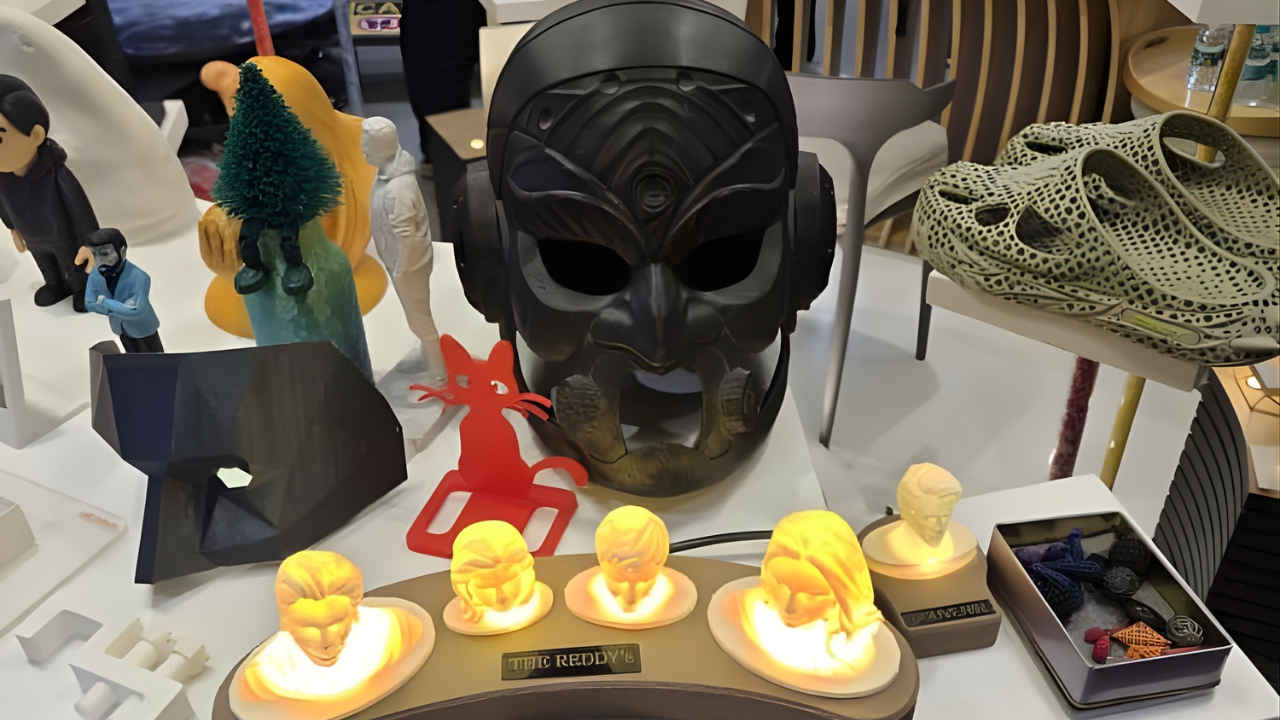
A few hours at a tech launch can change how you look at the future. I realized that recently, standing amid rows of humming machines at WOL3D’s newly launched BRAHMA facility – India’s largest 3D printing farm, right here in Mumbai. The sight was mesmerizing: hundreds of printers moving in perfect rhythm, each one layering plastic filament into precise shapes that, hours later, would become something tangible, a toy, a model, a prototype.
It was hard not to be fascinated. The idea that you can print a real object from a digital design, in your own home, sounds futuristic, yet it’s already here. On my way back from the event, I caught myself thinking: What would it take to start 3D printing as a hobby?
Turns out, not much. Just a spark of curiosity, a beginner-friendly printer, and a sense of wonder.
At its core, 3D printing (or additive manufacturing) is about building things layer by layer from a digital file. Instead of cutting or molding materials like traditional manufacturing, a 3D printer adds material, usually a plastic filament, in thin layers until the object takes shape.
The most common home-friendly method is FDM (Fused Deposition Modeling). It works a bit like an advanced glue gun: the printer melts the filament and deposits it precisely where needed, following your design. There’s also SLA (Stereolithography), which uses light to solidify liquid resin into high-detail prints, perfect for jewelry, miniatures, or artistic pieces.
One of the coolest things I learned at the event is that the filament used in many 3D printers is made of PLA (Polylactic Acid) – a biodegradable material derived from cornstarch. That means your plastic creations aren’t made from fossil fuels but from renewable resources.
PLA is easy to work with, gives smooth results, and doesn’t emit toxic fumes, making it ideal for beginners and home setups. It also melts at a lower temperature, which means your printer doesn’t need industrial-level power to operate. In short, it’s eco-friendly creativity in action.
If the idea of owning a 3D printer sounds intimidating, relax. Entry-level models today are as easy to use as a coffee machine. A few things you’ll need:
Also read: Best 3D printers in India
The first time you print something and hold it, there’s a sense of creative satisfaction that’s hard to describe. You’ve made something, not just designed it, but physically brought it into the world. For hobbyists, it’s a mix of art, engineering, and play.
And once you get comfortable, the possibilities open up fast. You can print custom phone cases, repair parts for appliances, cosplay accessories, home décor, or even miniature figurines. The only real limit is your imagination and the size of your printer’s build area.
The 3D printing community is one of the most welcoming tech circles out there. Forums, maker spaces, and online groups are full of people sharing designs, troubleshooting, and swapping tips. It’s not just about printing objects, it’s about learning, experimenting, and collaborating.
At its heart, 3D printing represents something bigger than just a hobby. It’s about shifting from consumption to creation – moving from “Where can I buy this?” to “Can I make this myself?”
As I left the BRAHMA launch, I realized that what I’d seen wasn’t just a glimpse into industrial manufacturing, it was a glimpse into the creative potential sitting in our own homes. Whether you’re an artist, engineer, gamer, or just a curious tinkerer, 3D printing is the rare hobby that feels like tomorrow’s technology made accessible today.