For years, Indian esports existed in a bubble. It was hidden away in gaming cafes, late-night discord servers, and tournaments that only the converted knew about. It was passionate and high-stakes, but it was invisible to the average person. That era is ending. The industry is no longer just growing. It is bleeding into the real world.
Two recent experiences made this shift undeniable. One happened in the heart of a massive shopping complex, and the other at a hip-hop festival. Together, they signal that gaming in India is finally moving from a subculture to a cultural staple.
Also read: Valorant turns 5: How Riot is building a made in India gaming ecosystem
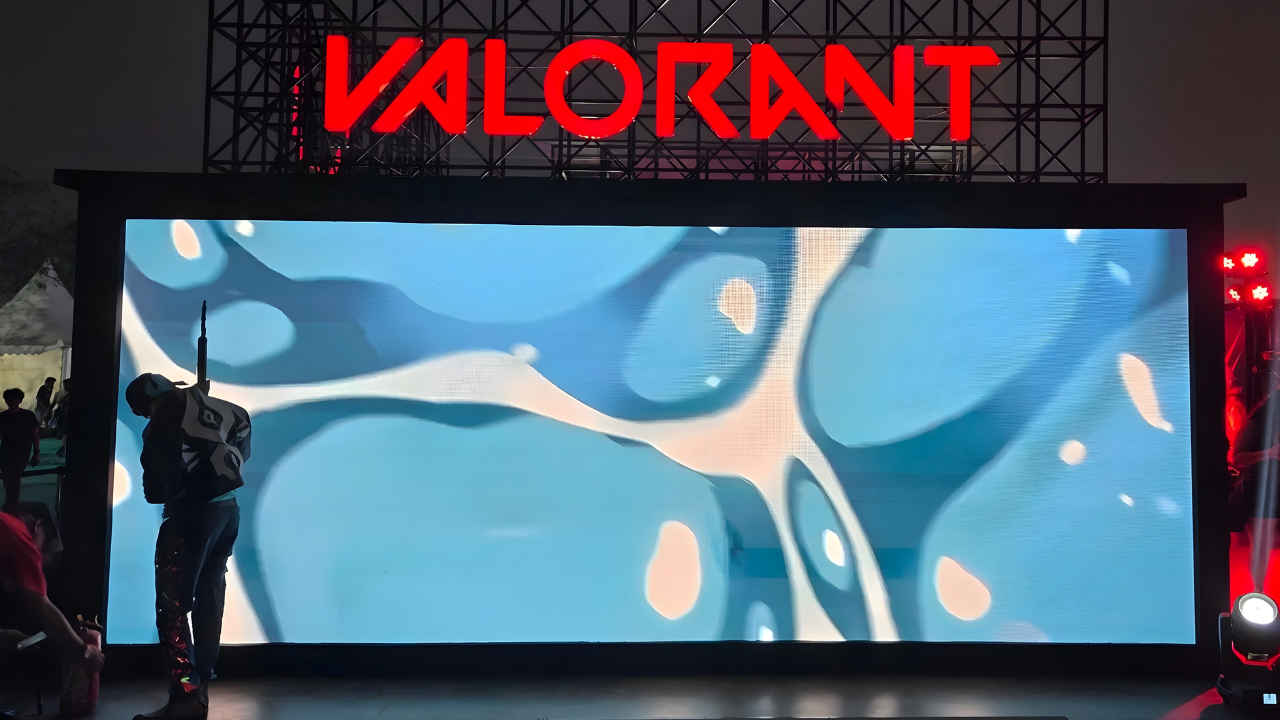
The first sign of change appeared at the Omen Valorant Challengers South Asia Split 2. Unlike typical esports events held in closed studios or ticketed arenas, this major tournament took place in the heart of Phoenix Market City Kurla. The stage dominated Dublin Square, the massive open courtyard of the mall, effectively turning a casual shopping trip into a spectator sport for thousands of unsuspecting visitors.
The setup did more than just showcase professional play on a big screen. By placing the action in such a high-traffic hub, it broke down the invisible wall between the gaming community and the general public. Shoppers who had just come for lunch or a movie found themselves stopping to watch the matches. The event featured experience zones that allowed anyone to sit down and play. It was no longer a closed club. Children, couples, and parents could pick up a mouse and understand the thrill firsthand, validating that esports can thrive in the most public of spaces.
The second moment felt even more significant. At the first-ever Rolling Loud India, amidst the chaos of a global music festival, a VALORANT Experience Zone stood right in the center of the grounds. It wasn’t tucked away in a sponsor corner. It was a sprawling setup that felt like part of the main attraction. The zone was impossible to miss, featuring a set up of high-spec PCs for instant 1v1 duels, designated photo stations with life-sized agent props, and cosplayers weaving through the crowd to take pictures with fans. It was a fully realized competitive hub dropped right into the middle of a music festival, designed to pull people in whether they knew the game or not.
The booth attracted a diverse crowd that went beyond typical gamers. One attendee I spoke to said, “I am only here because my friend plays the game,” highlighting how social pressure is driving curiosity. Another visitor was drawn in purely by the visual spectacle, noting, “The cosplays looked interesting. So I was just checking out what the hype is.” It wasn’t just passive observation either. I watched a group of friends ignoring the music for a moment, locked in a heated match just to settle a debate on who the best player amongst them actually was.
When I put the two experiences side by side, the picture becomes clearer. Esports in India is not breaking through with a grand announcement; it is showing up in everyday places and mixing naturally with the rest of youth culture. A major tournament in a mall courtyard forces the public to take notice, while a presence at a music festival pulls the scene into a much wider cultural crowd.
These are not just industry milestones. They are visible shifts showing how the space is settling in. Esports is finding room to breathe outside the usual arenas and streams. It is building interest in simple, human ways. And for the first time in India, it feels like the growth is not happening online alone, but in the physical world where anyone can stumble into it.
Also read: Don’t label AI games: Epic CEO Tim Sweeney tells Steam, and he’s correct