Building a gaming rig in early 2026 presents a unique set of challenges, particularly as the global hardware landscape adapts to the “AI tax.” While CPU and GPU prices have largely stabilized, the surge in AI development has caused a significant spike in NAND and DRAM costs. In this build, you’ll notice that the RAM and storage price hikes due to AI have forced us to allocate a much larger chunk of our budget to these components than we would have a year ago. However, even with these market shifts, we’ve put together a machine that balances raw performance with reliability.
Also read: Best gaming PC under Rs. 45,000 in February 2026
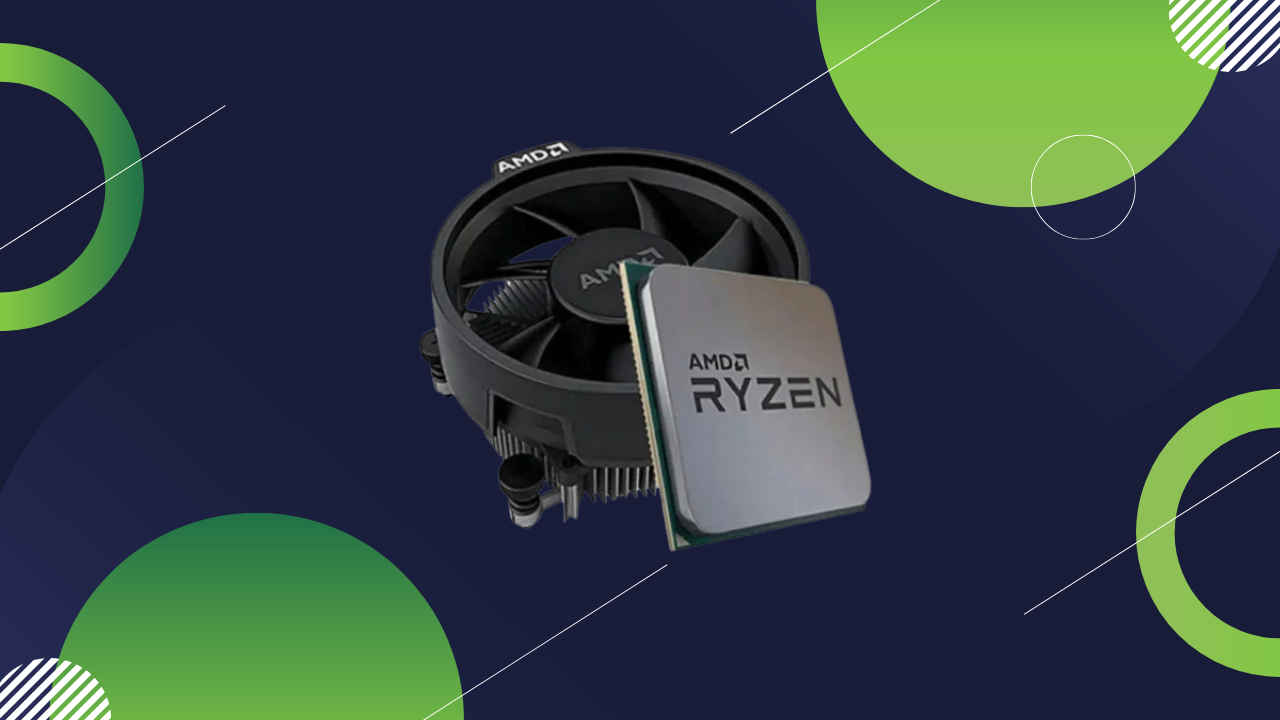
The heart of this build is the Ryzen 5 5600X. Despite being a few generations old, its 6 cores and 12 threads remain the “sweet spot” for mid-range gaming. It offers excellent single-core performance, which is crucial for maintaining high frame rates in eSports titles. Using the included Wraith Stealth cooler helps us stay under the ₹57,000 limit without sacrificing thermal stability.
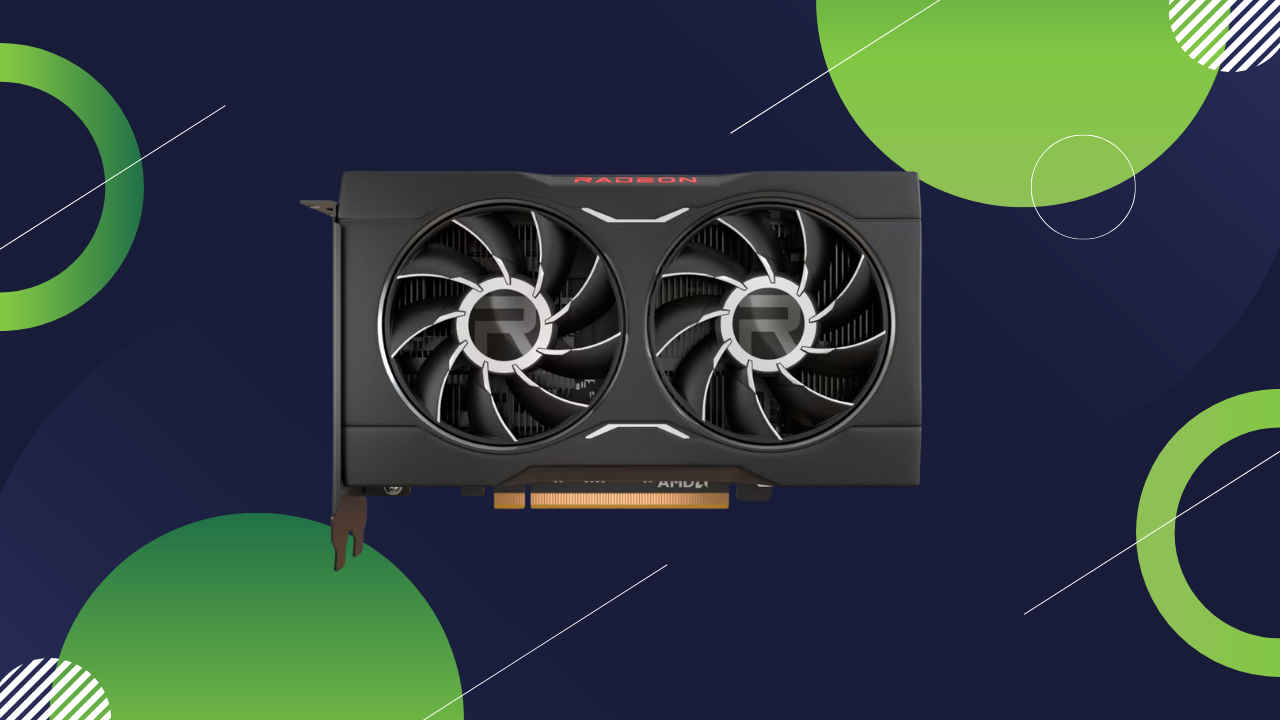
For our graphics horsepower, we’ve opted for the Sapphire PULSE RX 6500 XT. This card is designed for 1080p gaming on medium-to-high settings. While the 4GB VRAM requires some texture management in the latest AAA titles, its power efficiency and compact design make it a perfect fit for a budget-conscious build that still wants to hit that 60 FPS target in most modern games.
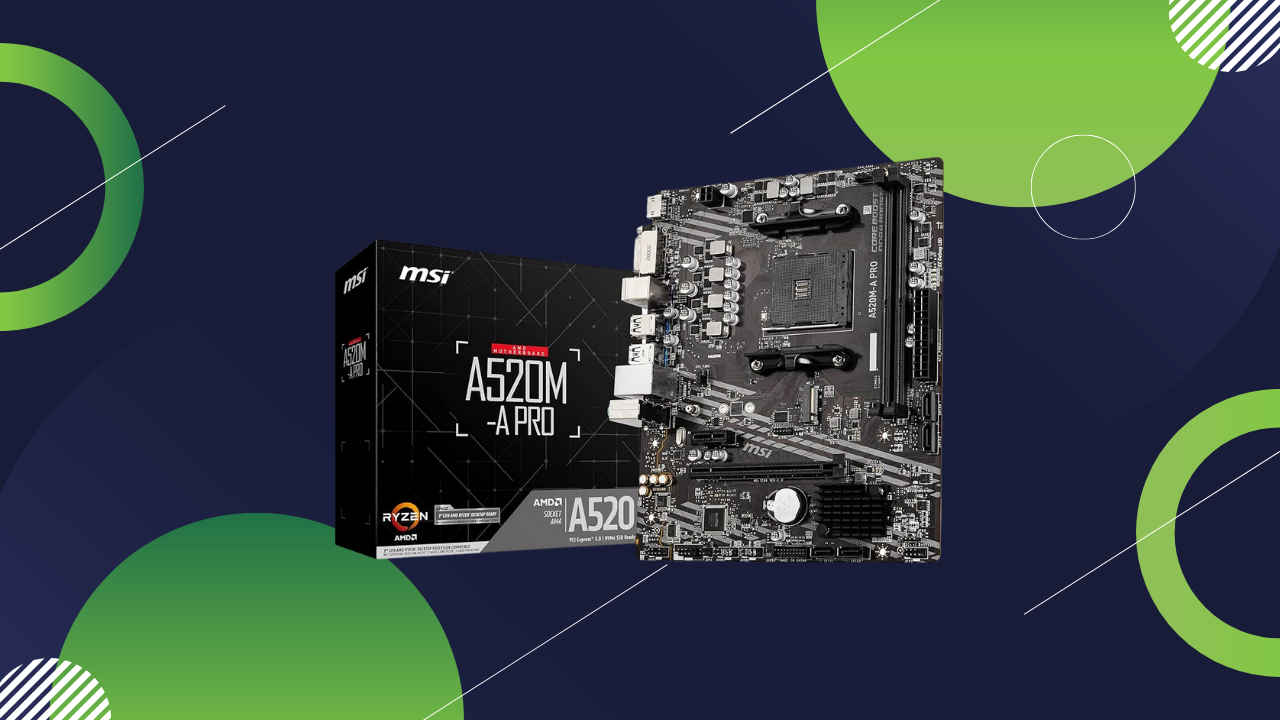
The MSI A520M-A PRO is a no-nonsense motherboard that provides a stable foundation for the Ryzen 5000 series. While it doesn’t support CPU overclocking, it features PCIe 3.0 support and reliable power delivery. It’s a pragmatic choice that allows us to redirect funds toward the more expensive memory and storage components.
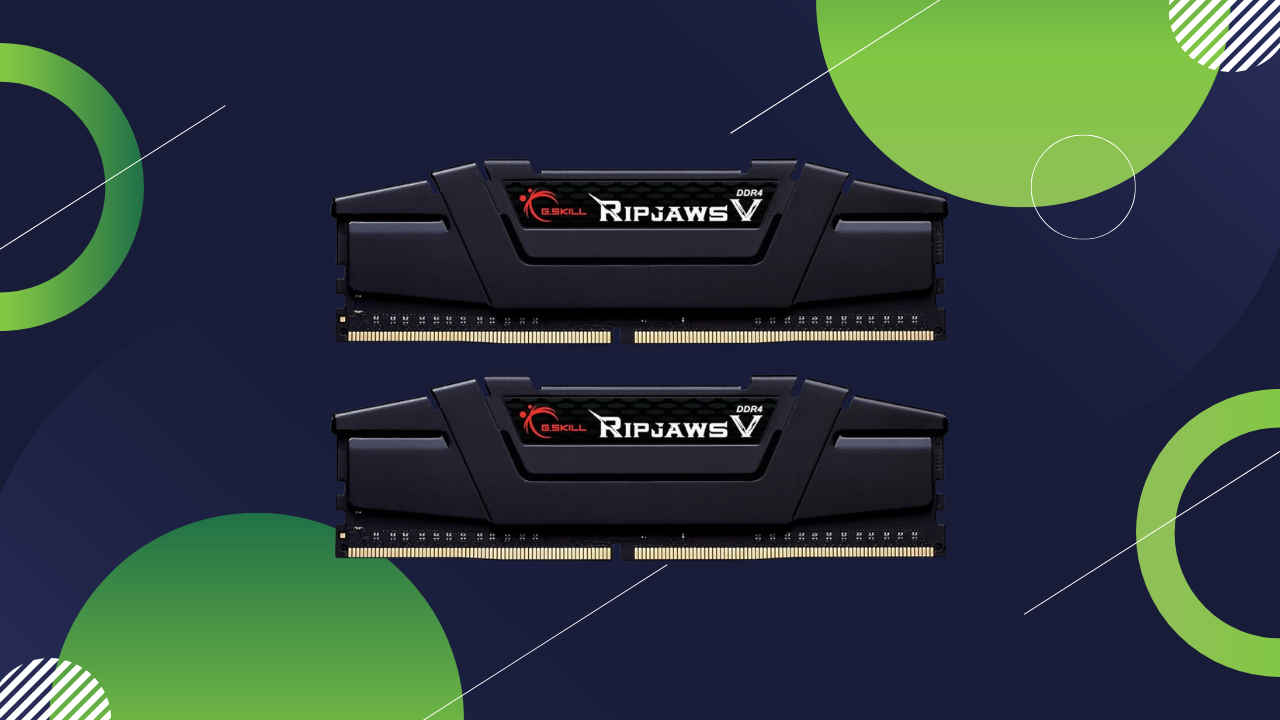
This is where the budget feels the “AI squeeze.” At ₹12,500, this 16GB kit is significantly more expensive than in previous years. However, cutting back to 8GB is not an option for a modern gaming PC. The G.SKILL Ripjaws V remains a top-tier choice for its reliability and the 3200MHz speed, which is essential for ensuring the Ryzen CPU isn’t bottlenecked by slow memory access.
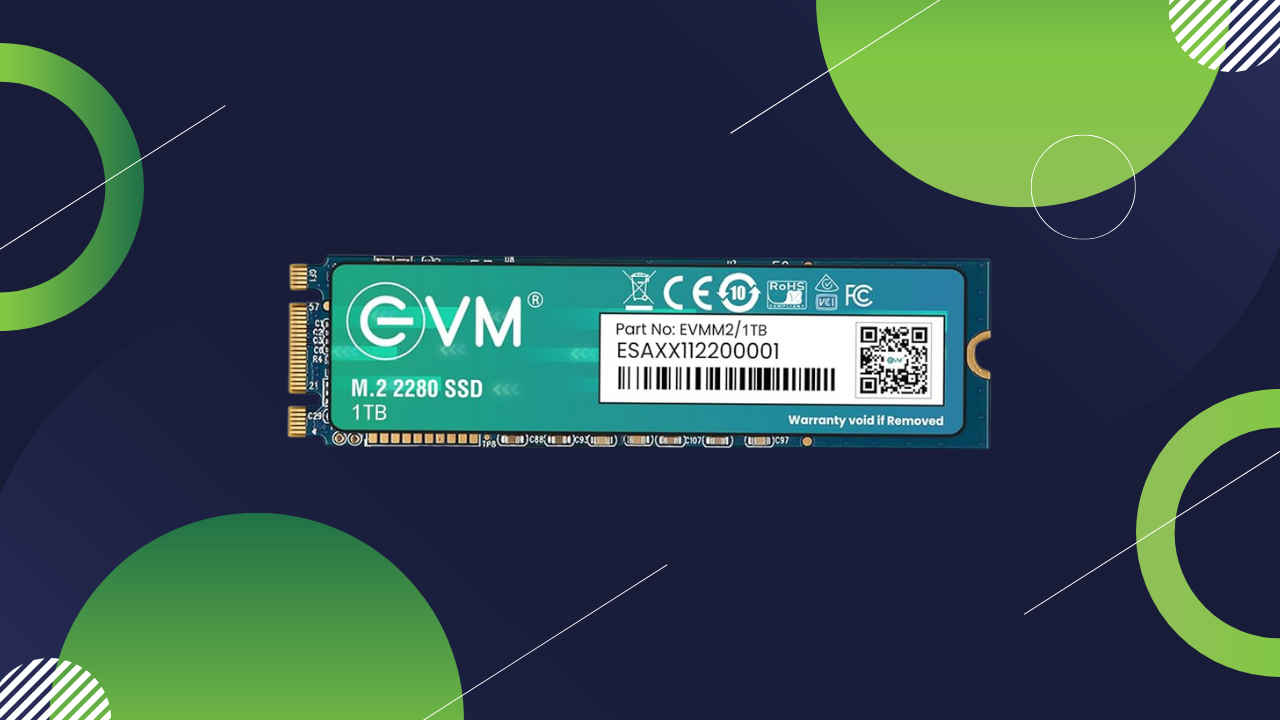
Similarly, storage prices have climbed, but 1TB is the minimum required for a modern library of games. The EVM M.2 SATA SSD provides a massive upgrade over traditional hard drives. While it uses the SATA interface rather than the faster NVMe, you will still see lightning-fast boot times and significantly reduced loading screens compared to mechanical storage.
Also read: Digit Research: One in two people ask AI chatbots, Google for health advice in India
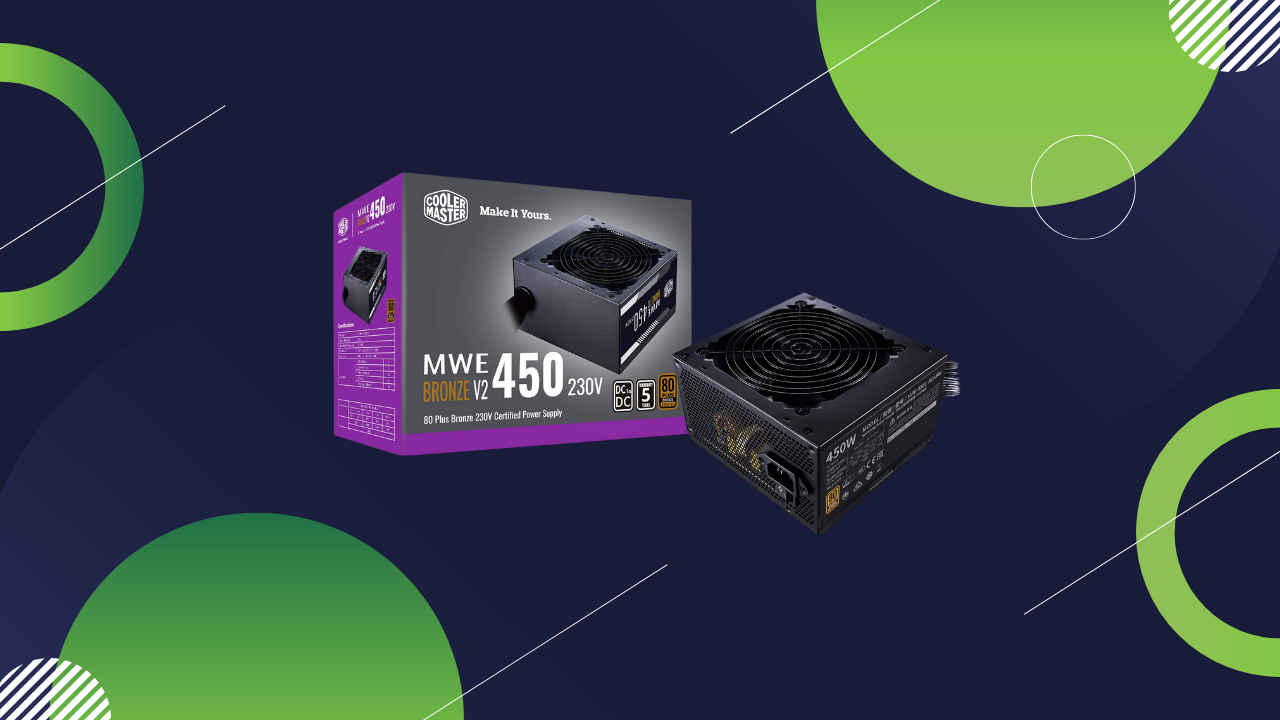
Powering this rig is the Cooler Master MWE 450. It’s an 80 Plus Bronze certified unit, ensuring efficiency and safety. 450W is more than enough for our 5600X and 6500 XT combo, leaving a bit of breathing room for small peripheral additions.
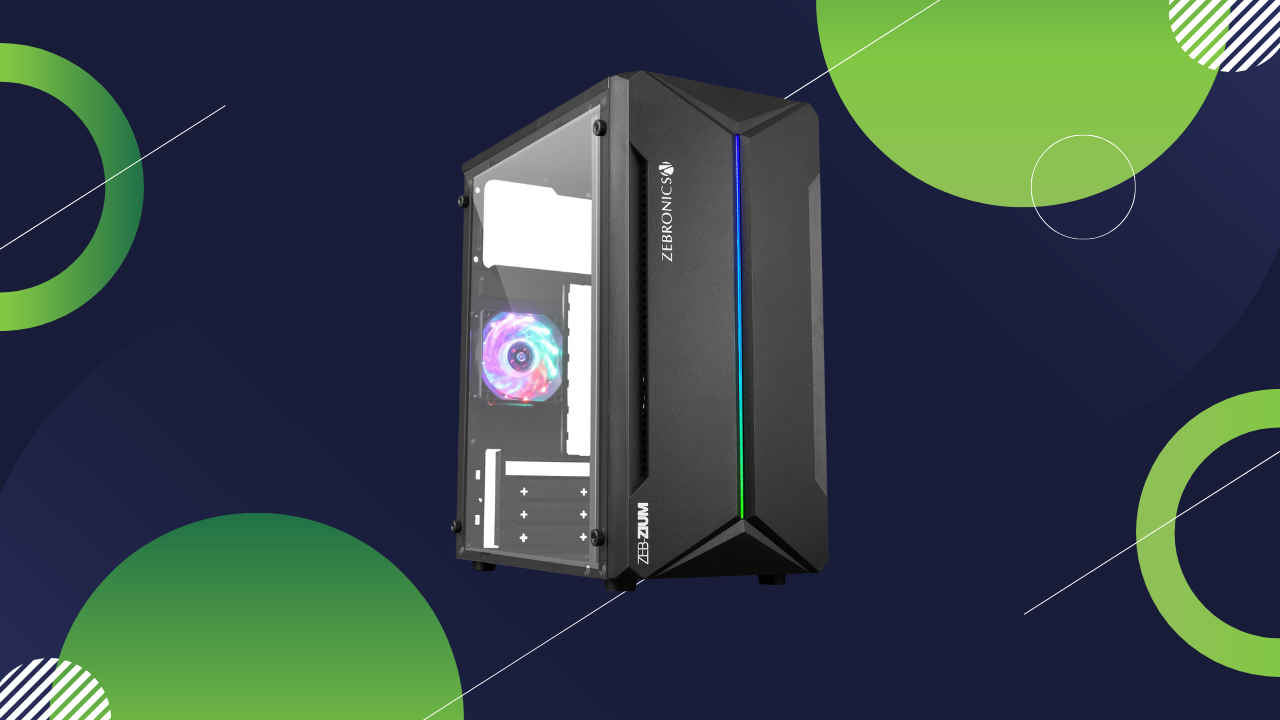
To house everything, we’ve chosen the Zebronics Zium. It’s a budget-friendly mid-tower that doesn’t skimp on the aesthetic. With a transparent side panel and decent airflow potential, it makes the build look far more expensive than its ₹1,600 price tag suggests.
| Component | Name | Price |
| CPU | AMD Ryzen 5 5600X with Stock Cooler | 11,600 |
| GPU | Sapphire PULSE AMD Radeon RX 6500 XT 4GB | 13,000 |
| Motherboard | MSI A520M-A PRO Motherboard | 5,000 |
| RAM | G.SKILL Ripjaws V Series 16GB (2x8GB) 3200MHz | 12,500 |
| SSD | EVM 1TB M.2 SATA SSD EVMM2/1TB | 10,000 |
| Power Supply | Cooler Master MWE 450 Bronze V2 | 3,200 |
| Case | ZEBRONICS ZIUM Mid-Tower Gaming Cabinet | 1,600 |
| Total | 56,900 |
One of the best things about this build is the room for growth:
Also read: Digit Research: OPPO and Vivo are edging out Apple in the smartphone imaging game