Well, it’s not all bad news because, with the current RAM prices, I can’t even imagine upgrading to a newly launched GPU with even more expensive DRAM anyway. My wallet is already sweating just looking at the price of a standard 16GB kit, so maybe a “break” from the upgrade cycle is exactly what our bank accounts ordered. However, for those who live for the thrill of a new architecture, the latest reports are a bit of a cold shower.
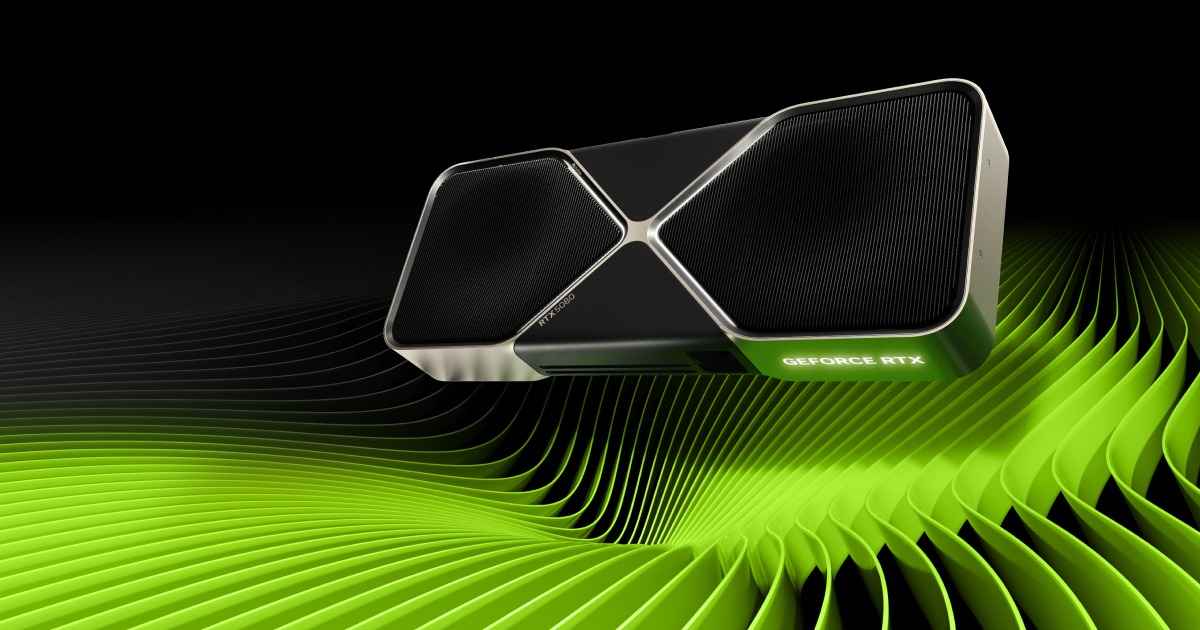
The traditional two-year “tick-tock” rhythm of the GPU world has officially skipped a beat. According to a report from The Information, Nvidia is reportedly planning a quiet 2026, with no new gaming GPUs on the horizon. If you were holding out for an RTX 50-series Super refresh to fix VRAM concerns or waiting for the next-gen RTX 60-series, you might want to get comfortable with the current Blackwell lineup.
Also read: Intel plans to make GPUs for AI: Will it hurt NVIDIA’s dominance?
The primary culprit behind this hiatus isn’t a lack of innovation, but a simple case of supply and demand. The industry is currently grappling with a significant memory chip shortage that has sent shockwaves through the supply chain. Since the RTX 50-series relies heavily on cutting-edge GDDR7, Nvidia is reportedly choosing to stabilize the supply of its existing cards rather than spreading thin resources across new SKUs. This means the leaked specs we saw for a 24GB RTX 5080 Super have likely been shelved to save those precious memory modules for the base models already on shelves.
Also read: Nvidia G-Sync comes to Samsung Odyssey monitors: What it is and how it works
There is also a clear shift in corporate strategy at play here. While Nvidia has moved its AI and Data Center products to an aggressive annual release cycle to satisfy the silicon-hungry enterprise market, gaming is being stretched thin. By pushing the Rubin architecture, which will eventually become the RTX 60-series, to a 2028 mass production window, Nvidia is signaling that the Blackwell generation is expected to carry the torch for a much longer tenure than the Ampere or Lovelace eras before it.
For the average consumer, this delay creates a strange new reality where hardware longevity is forced upon us. If you’ve already bought an RTX 50-series card, your hardware will remain the “current-gen” flagship for the next three years, potentially protecting your investment from rapid depreciation. However, it also means we should expect Nvidia to lean much more heavily into software-side updates, such as DLSS 4.5 and other AI-driven performance features, to keep gaming experiences feeling fresh since the raw silicon under the hood won’t be changing anytime soon. While the delay is a bummer for enthusiasts, it might actually stabilize the chaotic GPU market and give prices a rare chance to settle.
Also read: An RTX 5070 Ti GPU with a hole in it set a new world record: Here’s how