Assassin's Creed Shadows
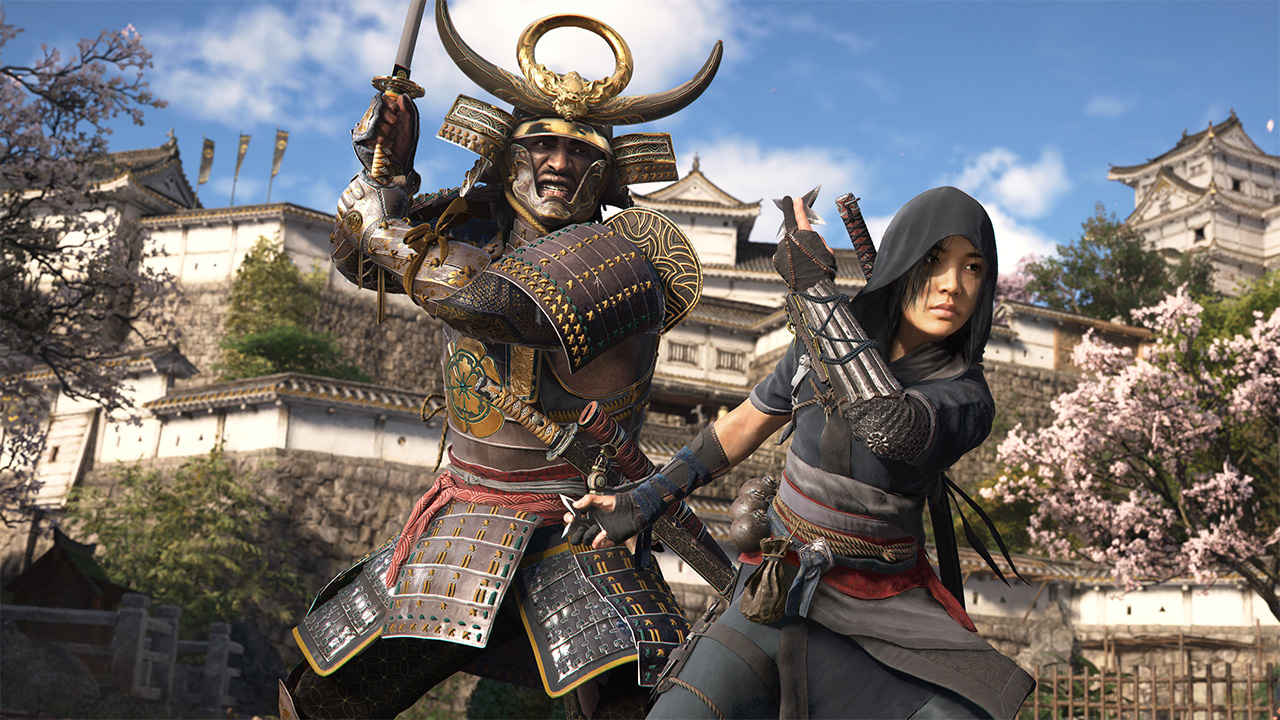
Ubisoft’s Assassin’s Creed Shadows finally fulfils a long-standing fan request by transporting players to feudal Japan, a period steeped in history, mythology, and intrigue. Following the success of Assassin’s Creed Mirage, Ubisoft Quebec further refines the franchise’s formula, balancing stealth and action while introducing dual protagonists, Naoe, a swift and stealthy shinobi, and Yasuke, a powerful and imposing samurai.
Set in the turbulent Sengoku period of the 16th century, Shadows introduces us to Naoe, whose quiet village life is violently disrupted by the ruthless Shinbakufu cabal. Driven by vengeance, Naoe embarks on a mission to dismantle this shadowy organization. Alongside her is Yasuke, a historically inspired African samurai once enslaved by Jesuit priests, now rising through the ranks of Japan’s warrior elite under the legendary warlord Oda Nobunaga. Their intertwined narratives explore themes of revenge, honour, identity, and companionship amidst the chaotic backdrop of a war-torn Japan.
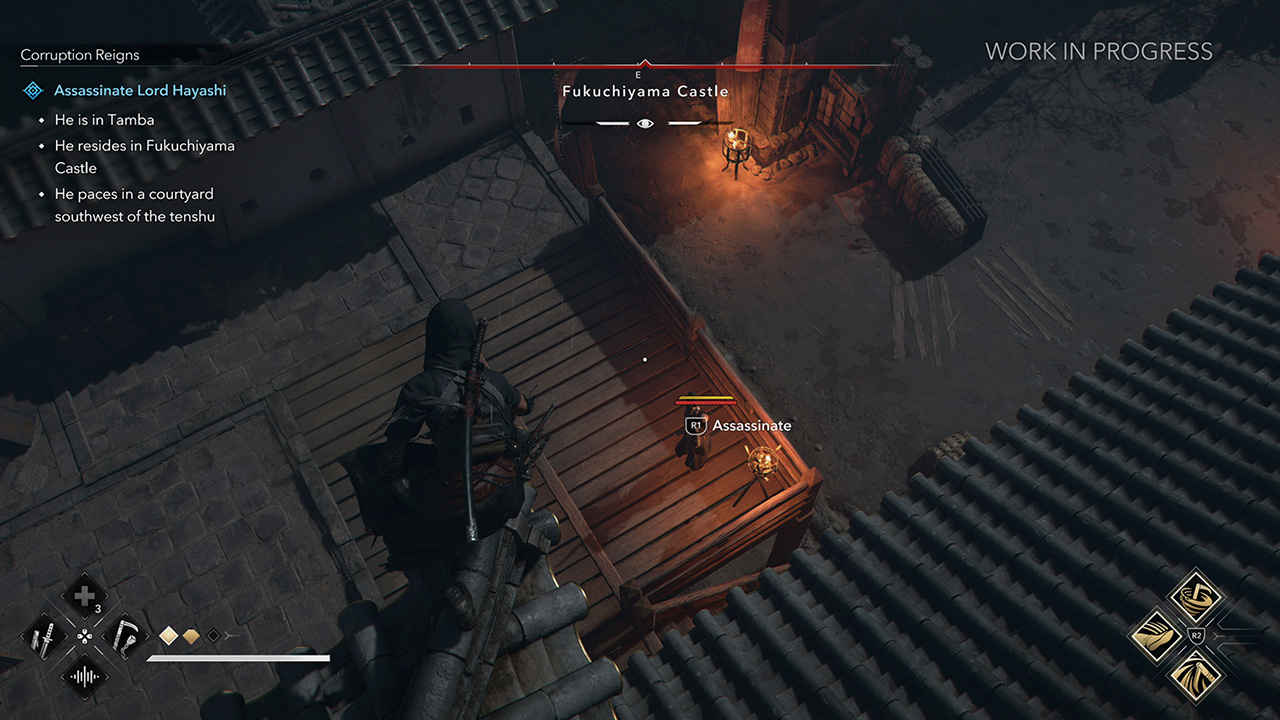
Assassin’s Creed Shadows has been carefully crafted over several years, undergoing multiple delays as Ubisoft honed its open-world formula. While mechanically similar to Mirage, significant refinements have been made to combat, stealth mechanics, and exploration systems. Shadows notably introduces a more nuanced stealth experience inspired by the Splinter Cell franchise, incorporating a visibility meter that takes environmental lighting into account.
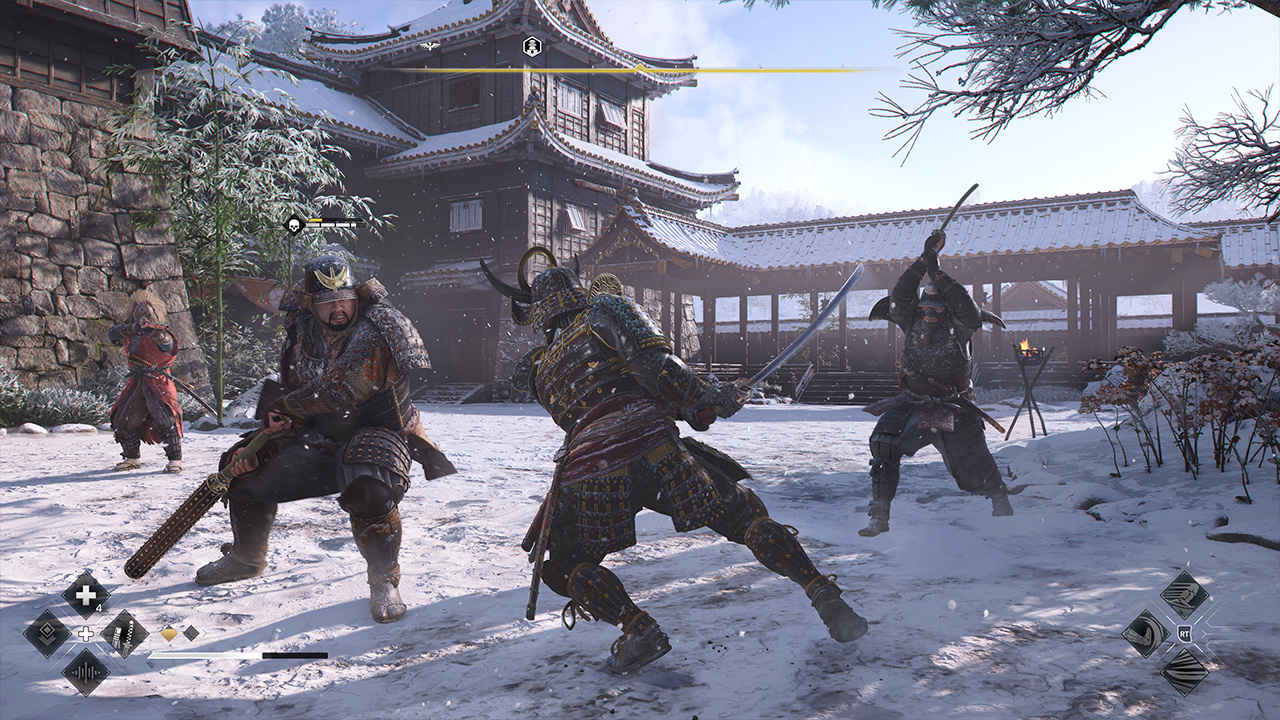
However, if you’ve been subbed to any gaming channel then you’ve undoubtedly seen the system failing miserably as NPCs can’t even see players writhing at their very feet. In some cases, this could be attributed to missing vegetation on machines with low graphics settings, but it’s been an embarrassment, at least for any self-respecting shinobi. As for the open-world exploration system, it feels fresh with the system promoting organic discovery rather than overwhelming players with map clutter. Combat, while rooted in familiar Assassin’s Creed traditions, is more visceral and impactful, particularly in Yasuke’s brutally satisfying melee sequences.
Shadows’ narrative structure echoes Assassin’s Creed Valhalla, with regionally compartmentalized arcs that intersect effectively. While the storyline can at times lean heavily into traditional samurai clichés, it excels when focusing on the personal journeys of Naoe and Yasuke. Their evolving relationship, characterized by sharp dialogue and emotional depth, elevates the narrative. Each protagonist brings their unique perspective, enhancing thematic explorations of identity, cultural integration, and moral ambiguity. However, some story beats, especially Yasuke’s motivations, could have been expanded further to match the depth and detail of Naoe’s narrative arc.
Shadows divides gameplay between stealth-focused sections with Naoe and action-heavy segments with Yasuke. Naoe’s gameplay emphasizes careful planning, stealth kills, and acrobatic traversal using her grappling hook and hidden blade. Her segments reward patience, precision, and strategic environmental manipulation, especially given the new visibility meter, which dynamically reflects her stealth status based on stance, distance, and light. This sophisticated mechanic significantly deepens stealth gameplay, allowing for tense moments of hiding in plain sight, extinguishing lanterns to create shadow paths, and carefully timing movements between guards. Naoe’s stealth gameplay is further enhanced by her quick, agile climbing mechanics, reminiscent of classic Assassin’s Creed parkour, enabling fluid navigation through dense environments filled with rooftops, trees, and other vertical pathways.
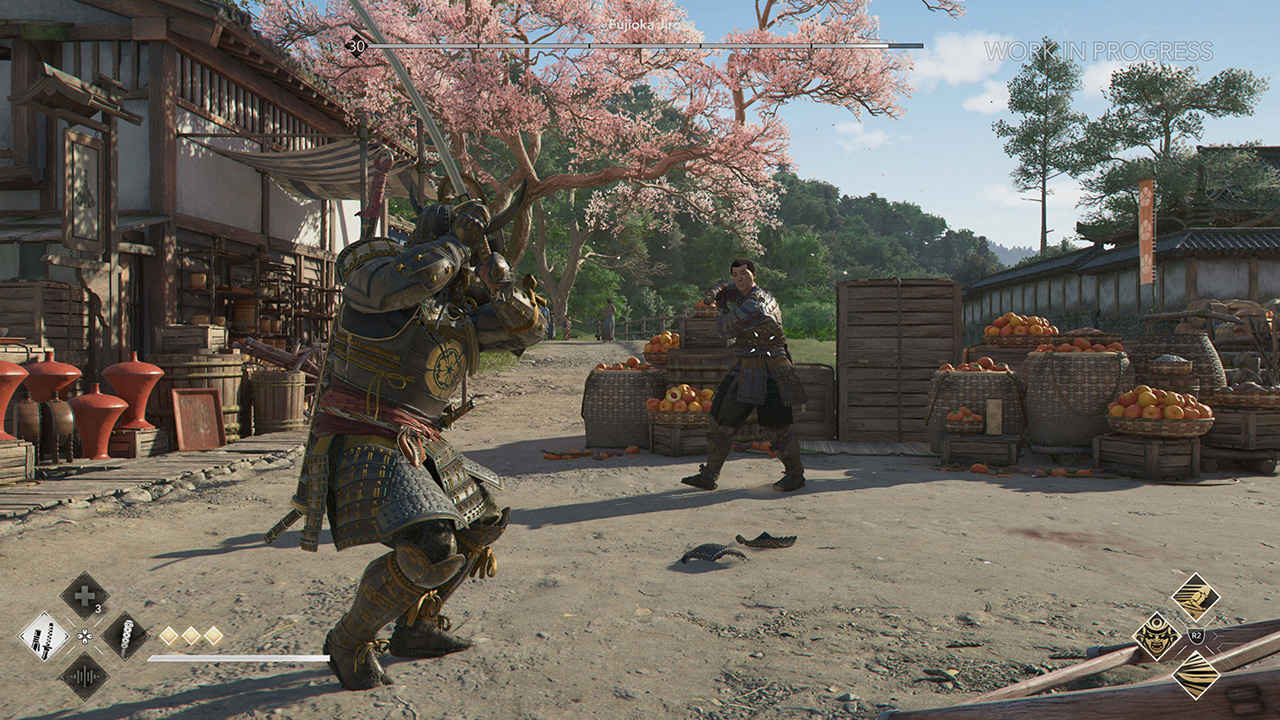
Conversely, Yasuke’s segments are marked by powerful, visceral combat using weapons like the Naginata, Kartana, and muskets. His combat style is robust and satisfying, designed around impactful and brutal melee sequences. Yasuke can seamlessly chain attacks between different weapon types, breaking enemy armour, staggering foes, and delivering devastating finishing moves that visually and mechanically satisfy. Unlike previous entries, Shadows places greater emphasis on tactical combat manoeuvres like perfect parries, counters, and precise timing, making Yasuke’s encounters consistently engaging and strategically demanding.
Mission structures in Shadows have seen a notable improvement over previous instalments. Rather than following linear waypoint chasing, missions now emphasize organic, detective-like exploration. Players must gather clues, engage with NPCs for vital information, and explore surroundings carefully to identify targets and complete objectives. The return of the target board mechanic from Mirage is expanded and refined, effectively tracking missions and providing clear yet unobtrusive guidance. Additionally, the introduction of a scouting mechanic adds depth, allowing players to pinpoint general areas of interest without explicitly revealing targets, thus preserving the thrill of discovery.
Ubisoft expertly balances both play styles, allowing seamless switching between Naoe and Yasuke post-initial story segments. This flexibility lets players choose their preferred approach based on the task at hand, maintaining fresh and varied gameplay throughout. The integration of seasonal changes within the game environment adds subtle but meaningful tactical considerations, such as different cover availability or altered traversal paths due to weather conditions, further enriching gameplay dynamics.
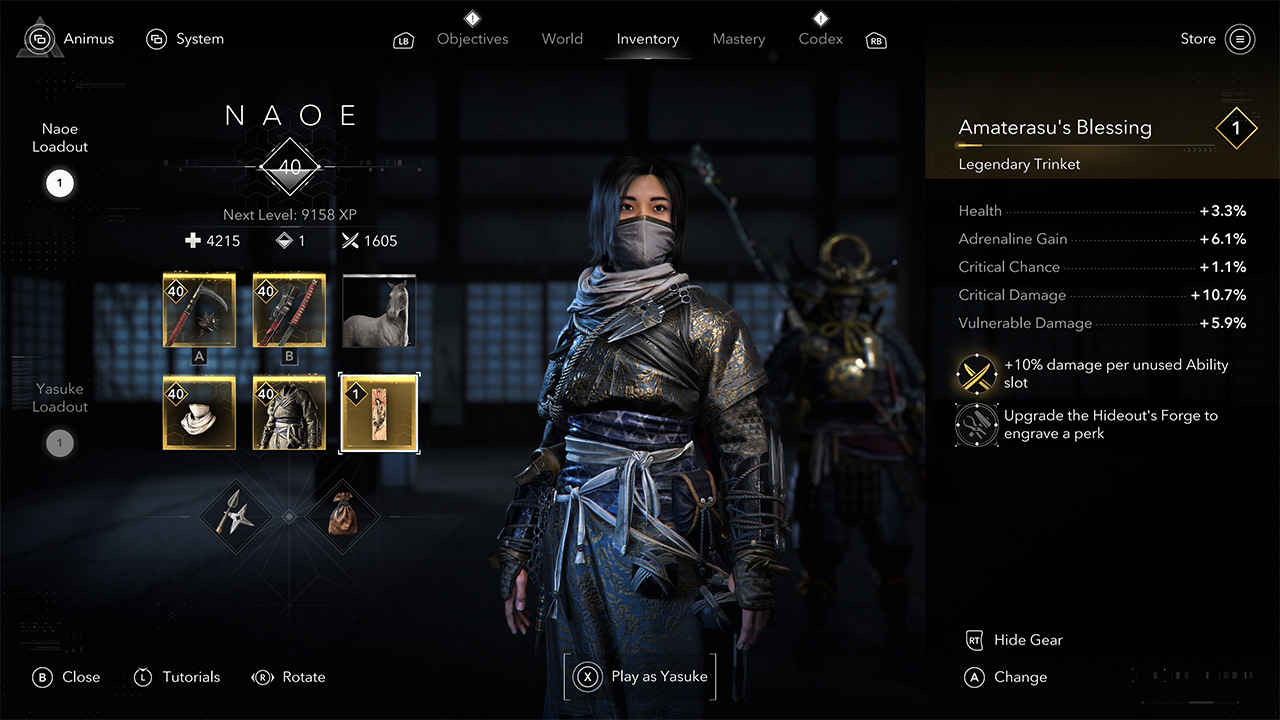
Moreover, Shadows offers substantial depth in its progression system, featuring expansive skill trees tailored to each character’s unique abilities and weapon preferences. Naoe’s skill enhancements focus on stealth capabilities, precision assassinations, and agile movements, whereas Yasuke’s skill tree prioritizes combat strength, weapon proficiency, and durability enhancements. Customization options are extensive, allowing players to tailor their characters significantly through gear upgrades and engravings, providing additional strategic layers and replayability.
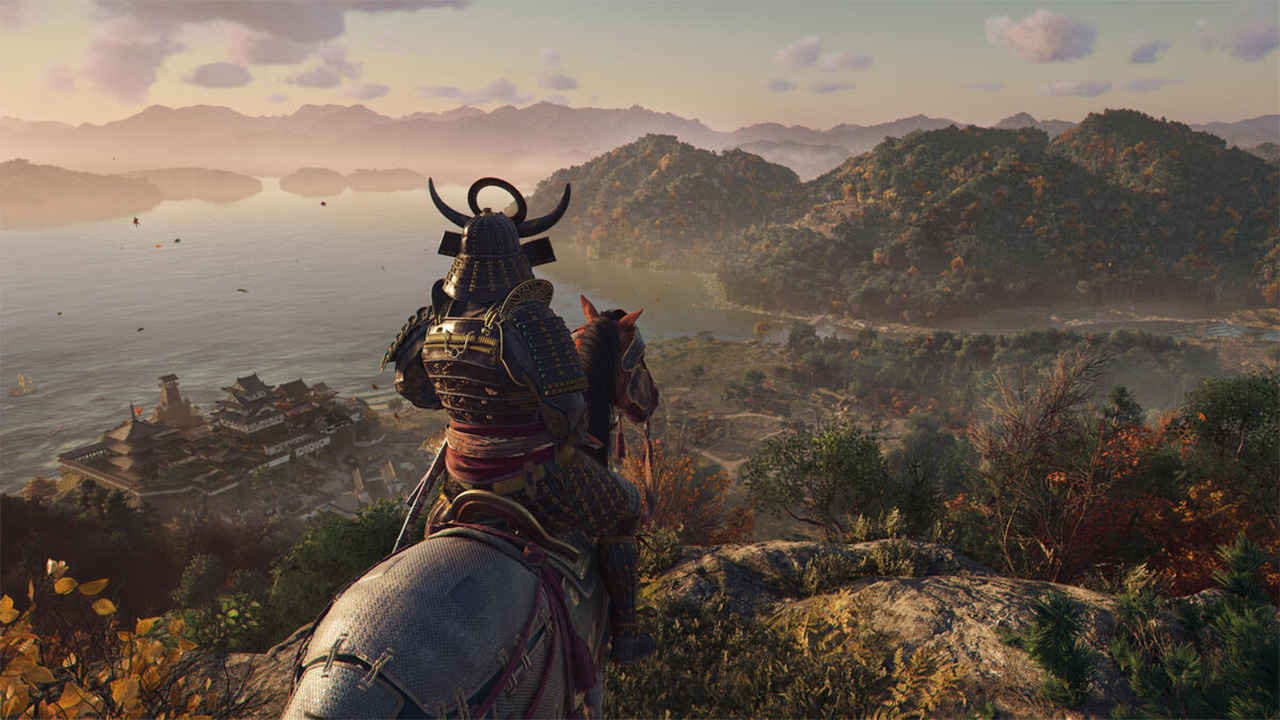
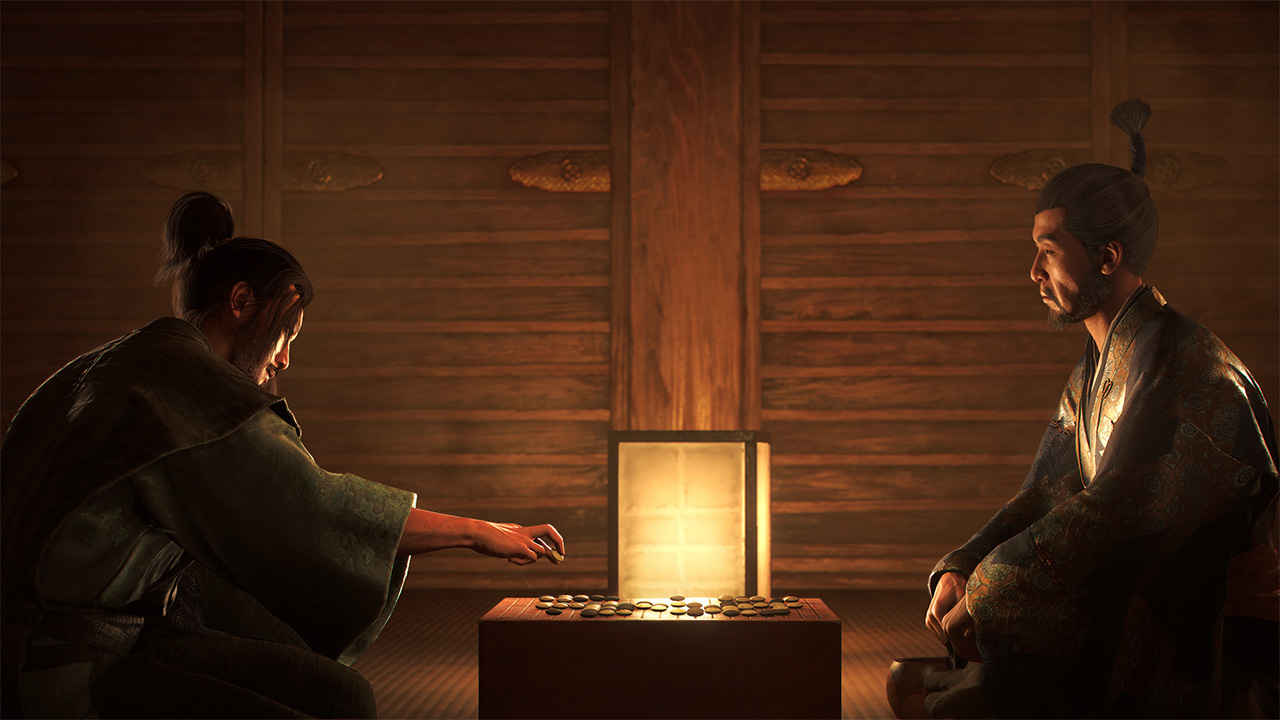
Ubisoft’s Anvil engine delivers outstanding graphical fidelity in Assassin’s Creed Shadows. Environments are lush, detailed, and dynamically respond to weather and seasonal changes, significantly enhancing immersion. Lighting effects, particularly in stealth scenarios, are stunningly realistic. Character models, especially during cutscenes, are richly detailed and realistic. However, the decision to lock cutscenes at 30 FPS on PC feels dated and occasionally disrupts immersion, especially noticeable on high-refresh-rate monitors.
Performance across hardware varies widely. At 1080p, the RTX 5090 achieves an impressive 109 FPS, followed by RX 9070 XT at 80 FPS and RTX 5070 Ti at 69 FPS. Mid-tier GPUs like the RTX 5070 and RTX 3080 deliver 57 FPS and 46 FPS respectively, while the RTX 4060 struggles at just 31 FPS.
Moving to 1440p, performance understandably drops, with RTX 5090 still leading at 93 FPS. The RX 9070 XT provides a strong 68 FPS, closely trailed by RTX 5070 Ti at 57 FPS, RTX 5070 at 47 FPS, and RTX 3080 at 39 FPS. The RTX 4060 further struggles at 25 FPS.
At 4K resolution, the RTX 5090 manages a playable 69 FPS, but the performance significantly diminishes on lower-tier GPUs, with the RX 9070 XT delivering 51 FPS, RTX 5070 Ti 40 FPS, RTX 5070 32 FPS, RTX 3080 27 FPS, and the RTX 4060 dropping to an unplayable 16 FPS.
The sound design in Assassin’s Creed Shadows is exemplary, with an immersive soundtrack that blends traditional Japanese instrumentation with modern orchestration, complementing the game’s atmospheric visuals. Voice acting for both protagonists is standout, adding nuance and emotional resonance to key narrative moments. Environmental sounds—from bustling towns to quiet temples—are meticulously crafted, further enhancing immersion.
Replay value in Shadows is substantial, thanks to the expansive open-world filled with meaningful side quests, collectible hunts, and various dynamic activities. The game’s target board mechanic provides continued engagement, offering numerous side targets and objectives that encourage exploration and experimentation. The settlement-building mechanic allows customization and provides additional incentive for continued play, particularly through its unlockable features and unique interactions with side characters.
Assassin’s Creed Shadows successfully delivers an experience that fans have requested for years, effectively marrying historical authenticity with compelling fictional storytelling. Despite some narrative unevenness, its refined gameplay mechanics, stunning visuals, immersive sound design, and robust replayability ensure Shadows stands out as a memorable entry, pointing to an exciting future for Ubisoft’s flagship franchise.