The rivalry between AMD and NVIDIA has shaped the modern GPU landscape for over two decades. From the days of simple raster rendering to today’s AI-accelerated graphics pipelines, the two chipmakers have taken diverging paths to achieve the same goal, power, performance, and precision. But in 2025, as artificial intelligence reshapes not just gaming but entire workflows, the question stands: who really wins the GPU war – AMD or NVIDIA?
Also read: Anthropic will beat OpenAI where it matters most: Here’s how
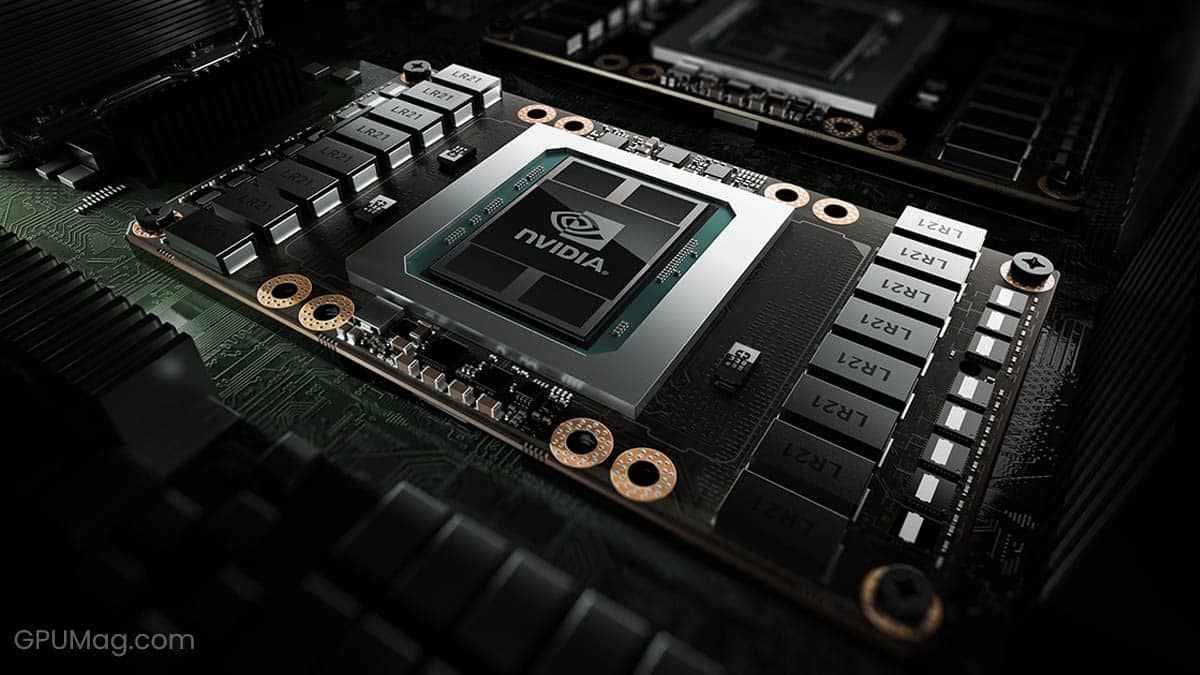
Artificial intelligence has become the defining differentiator in the GPU world – and here, NVIDIA dominates. Its CUDA cores and Tensor cores power everything from gaming upscaling to machine learning models. Features like DLSS 3.5 (Deep Learning Super Sampling) use neural networks to render frames that look better than native resolution, while Ray Reconstruction further enhances lighting and shadows with AI precision.
NVIDIA’s reach also extends beyond gaming. Its Studio Drivers, NVENC encoders, and AI-powered video tools make it the go-to choice for creators, streamers, and developers. In data science, NVIDIA’s CUDA ecosystem remains the gold standard – with AMD’s ROCm still catching up in compatibility and adoption.
In simple terms: if your work involves AI, content creation, or machine learning, NVIDIA wins hands down.
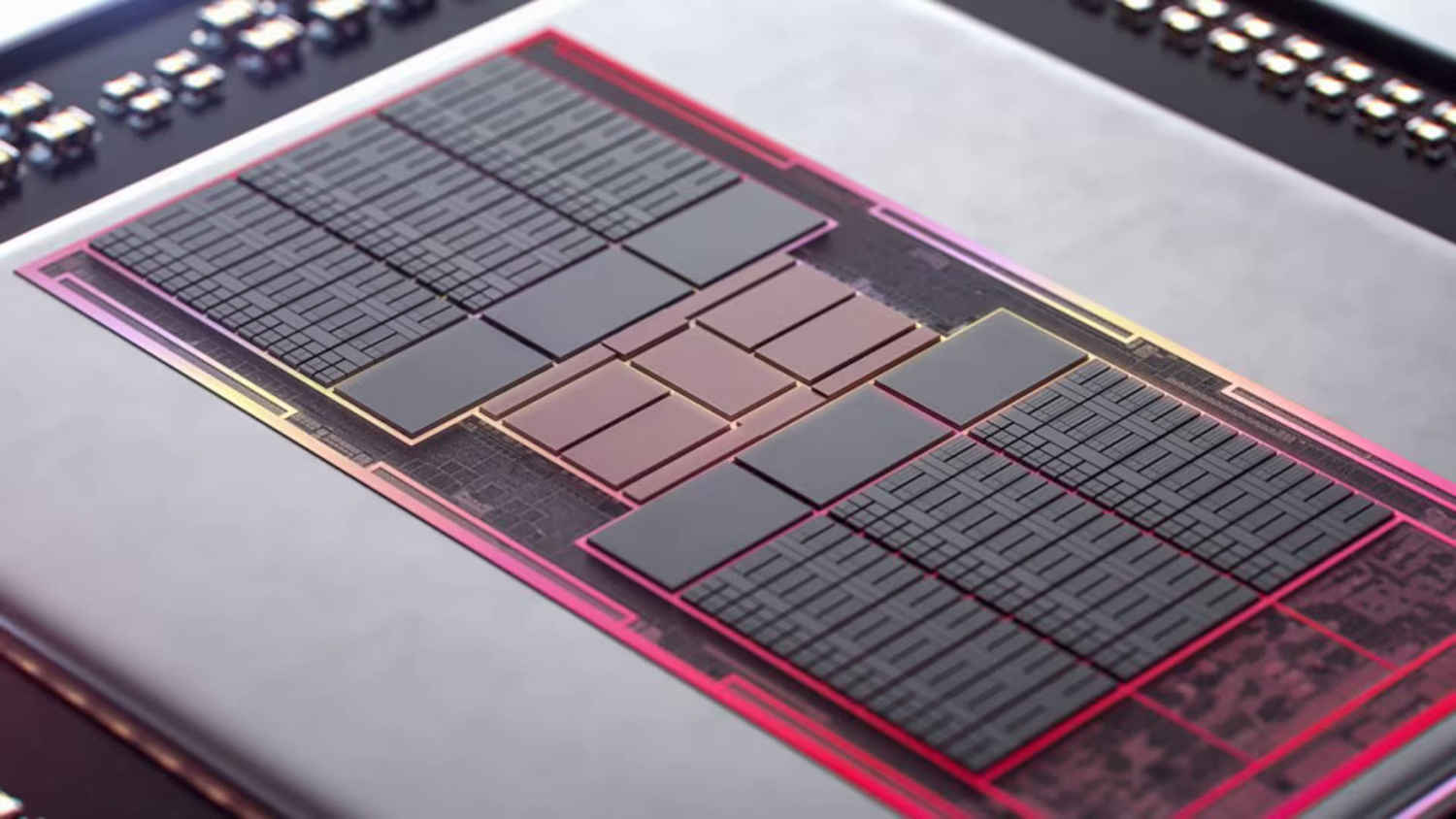
When it comes to efficiency, AMD’s RDNA architecture has earned serious respect. Its GPUs, like the Radeon RX 7900 XT and RX 9060 XT, deliver competitive performance with lower power consumption and cooler thermals compared to their NVIDIA equivalents.
AMD’s design philosophy is built on balance, offering high core counts and larger VRAM buffers at lower prices. That extra memory matters, especially for modern games that devour texture space and for creators handling large 4K assets.
While NVIDIA’s Ada Lovelace architecture edges out in top-tier efficiency (especially on the RTX 5090 and 5080), AMD’s overall performance-per-watt remains excellent in the midrange, where most gamers actually buy.
For pure rasterization – the bread and butter of gaming – AMD cards shine. Titles like Cyberpunk 2077 and Starfield perform admirably on Radeon GPUs, often matching NVIDIA’s pricier options. AMD’s FSR 3 (FidelityFX Super Resolution) has matured significantly, offering solid upscaling on both AMD and NVIDIA cards.
However, once you turn on ray tracing, the scales tip sharply in NVIDIA’s favor. Its RT cores and advanced AI upscaling allow for smoother frame rates and more realistic lighting effects. For gamers chasing the most cinematic visuals, NVIDIA still sets the benchmark.
Also read: AI is moving scarily fast: OpenAI’s 2025 progress report explained
So, if you’re a competitive gamer or play mostly rasterized titles, AMD delivers unbeatable value. But for those who want the best possible visual experience with ray tracing and frame generation, NVIDIA leads comfortably.
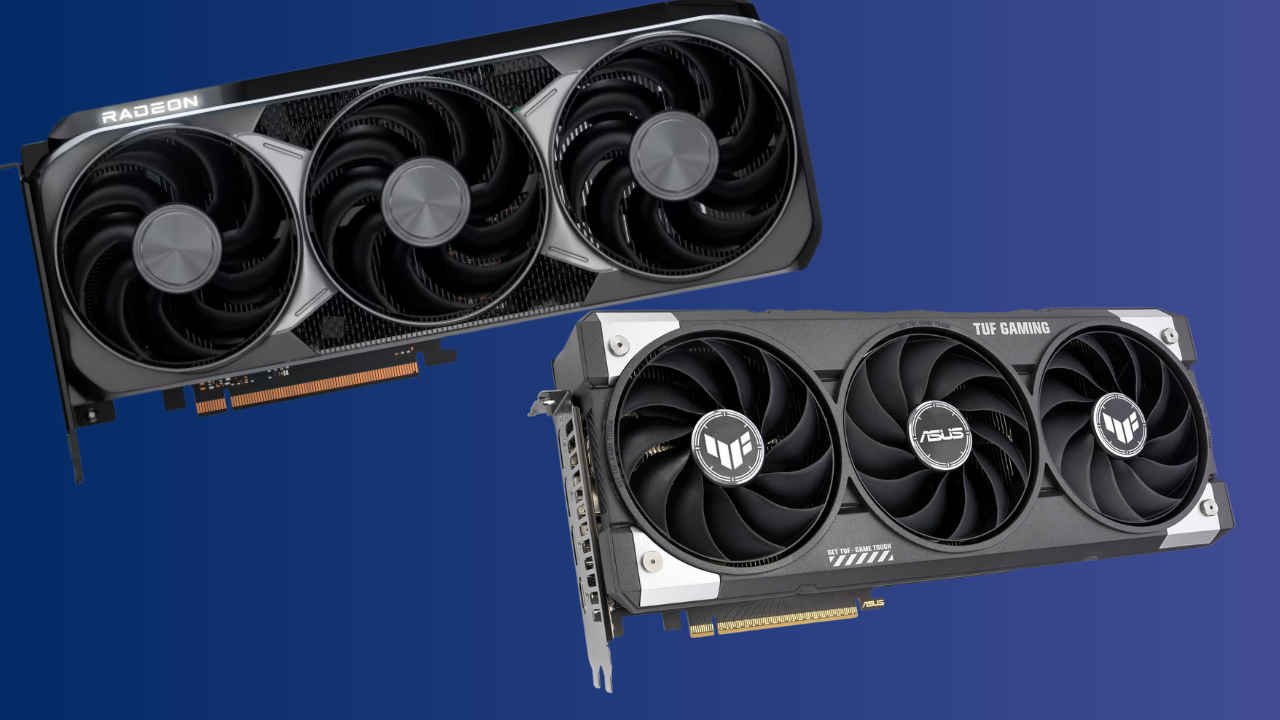
NVIDIA may have the tech edge, but AMD wins the value game. In markets like India, where price-to-performance matters most, AMD’s RX 7700 XT and RX 7800 XT are often ₹15,000–₹25,000 cheaper than comparable RTX cards, and come with more VRAM.
This pricing strategy has made AMD particularly appealing to gamers who want long-term usability without spending a fortune. NVIDIA’s cards remain expensive, partly due to demand from both gamers and AI data centers.
For most users, AMD offers 80–90% of the performance for 60–70% of the price – a trade-off that’s hard to ignore.
NVIDIA’s software ecosystem, from GeForce Experience to Broadcast, is polished, reliable, and creator-friendly. It’s practically plug-and-play for streamers and editors.
AMD’s Adrenalin software, meanwhile, is more open and transparent. It provides robust in-game overlays, tuning controls, and driver updates – all without needing an account login. It’s a cleaner experience for purists who prefer control over automation.
In open-source communities and Linux systems, AMD is praised for its open drivers, while NVIDIA continues to face criticism for proprietary restrictions.
There’s no single winner in the AMD vs NVIDIA rivalry, only trade-offs depending on what you value most.
| Category | Winner | Why |
| AI & Content Creation | NVIDIA | Superior CUDA support, DLSS 3.5, Studio tools |
| Gaming (Ray Tracing) | NVIDIA | Better RT cores, smoother performance |
| Gaming (Rasterization) | AMD | Excellent value, high VRAM, strong 1440p performance |
| Efficiency | AMD | Cool, quiet, and cost-effective in midrange |
| Software Ecosystem | NVIDIA | Polished, creator-friendly, well-integrated |
| Price-to-Performance | AMD | Best value for money, especially in India |
In 2025, the GPU battle lines are clearer than ever. NVIDIA remains the powerhouse of innovation leading in AI, ray tracing, and premium performance. But AMD is no longer the underdog, it’s the smart gamer’s choice, offering exceptional efficiency and value.
Also read: How 1.3 billion passwords were stolen: Infostealer malware data breach explained