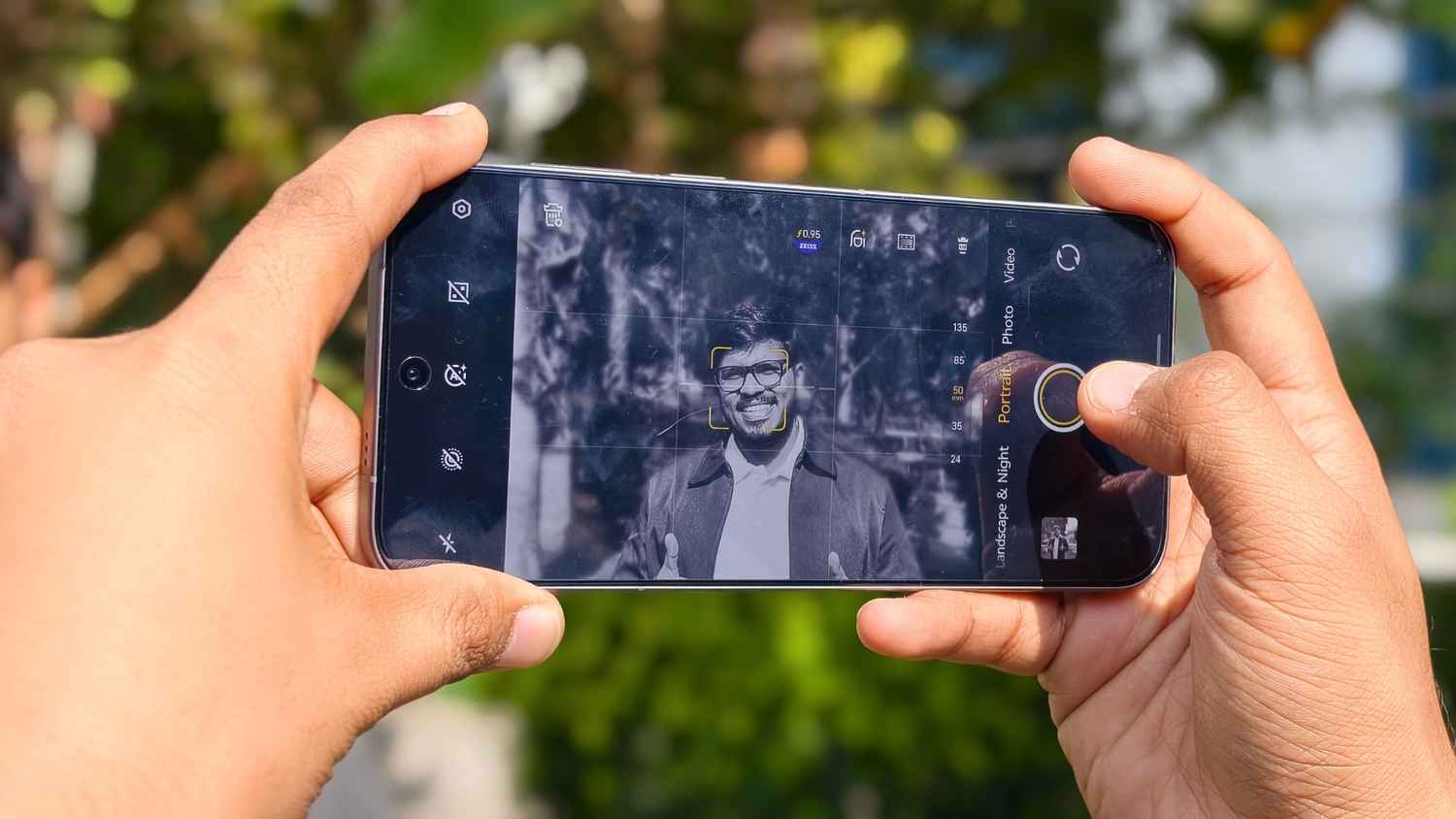
By the end of 2025, humanity is predicted to have made over 2 trillion images worldwide. Over 94% of these images come from smartphones and in India, where more than 97% populace use mobile phones, it becomes imperative for smartphone brands to offer unparalleled camera experiences. This is the environment into which the Vivo X300 Pro arrives, a phone that evolves the idea of what a modern mobile camera system should feel like.
I’ve been closely tracking the evolution of Vivo’s smartphone imaging chops, from early models that leaned into portrait styles to gimbal stabilisation and later, the introduction of custom optics with Zeiss partnership, high transmission lenses and dedicated imaging chips. Some of these ideas were way ahead of their time, some even trickled down from the X-series to the mid-range segment, becoming the foundational backdrop for smartphone photography.
The X300 Pro carries this lineage forward with a new ZEISS-certified 200-megapixel APO telephoto camera (based on Samsung ISOCELL HPB sensor), an upgraded gimbal-grade main LYT-828 sensor, an imaging pipeline that leans heavily on dedicated VS1 silicon for pre- and post-processing and the introduction of the 2.35x telephoto extender kit, an actual lens that is a step up in mobile imaging.
But this isn’t just about the cameras alone. This is still a flagship with MediaTek’s Dimensity 9500 SoC, competing in a market where every competitor is pushing computational photography to new extremes. So, the question is whether all of this translates into a genuinely better daily experience and can a device this photography-centric still hold its ground as an all-round flagship for people who don’t shoot professionally but want dependable results? Those questions are where this review begins.
The contents of the Vivo X300 Pro retail box includes a quick start guide, SIM ejector tool, pre-applied protective film, type-c cable, a power adapter and a protective case.
Price: Rs 1,09,999 – 16GB/512GB
Display: 6.78-inch 10-bit AMOLED, 1.5K+ (2800×1260 pixels), LTPO 120Hz refresh rate, HDR10+/Vivid, Armor glass protection
Thickness: 8mm
Weight: 226g
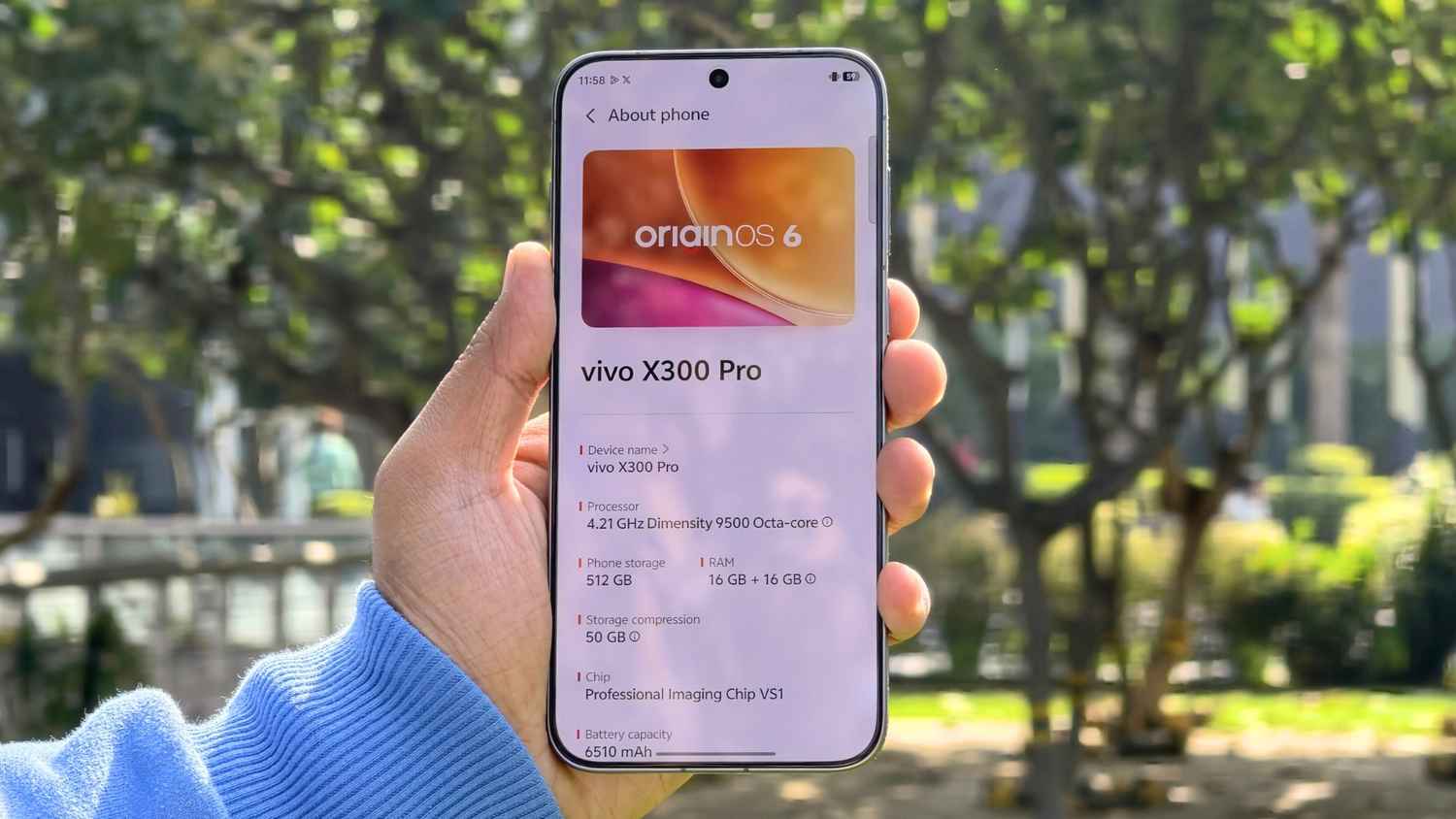
Platform: Mediatek Dimensity 9500
RAM: 16GB LPDDR5X Ultra
Built-in storage: 512GB UFS 4.1
Expandable storage: No
USB-C: Yes
3.5mm jack: No
OS: OriginOS 6 based on Android 16
Rear Camera: 50MP (f/1.6) + 200MP periscope telephoto (3.7x optical zoom) + 50MP ultra-wide (119-degree FOV), Zeiss optics
Rear Camera Video: 8K (30FPS), 4K (30/60/120FPS), 1080p (30/60/120/240FPS), Dolby Vision HDR, 10-bit Log
Front Camera: 50MP (f/2.0)
Speakers: Stereo speakers
Battery and charging: 6,510mAh, 90W wired, 40W wireless fast charging
Colours: Elite Black and Dune Gold
I’ve been using the X300 Pro in Dune Gold, but it also comes in Elite Black which looks more formal and utilitarian in comparison. Vivo has slowly moved away from flashy gradient finishes and this colour is a good example of that shift. It has a warm, matte elegance to it, almost like how a lightly brushed metal chassis feels, but without the cold, slippery feel of actual metal. The back uses glass fibre instead of pure glass and that subtle texture helps the phone feel secure even without a case.
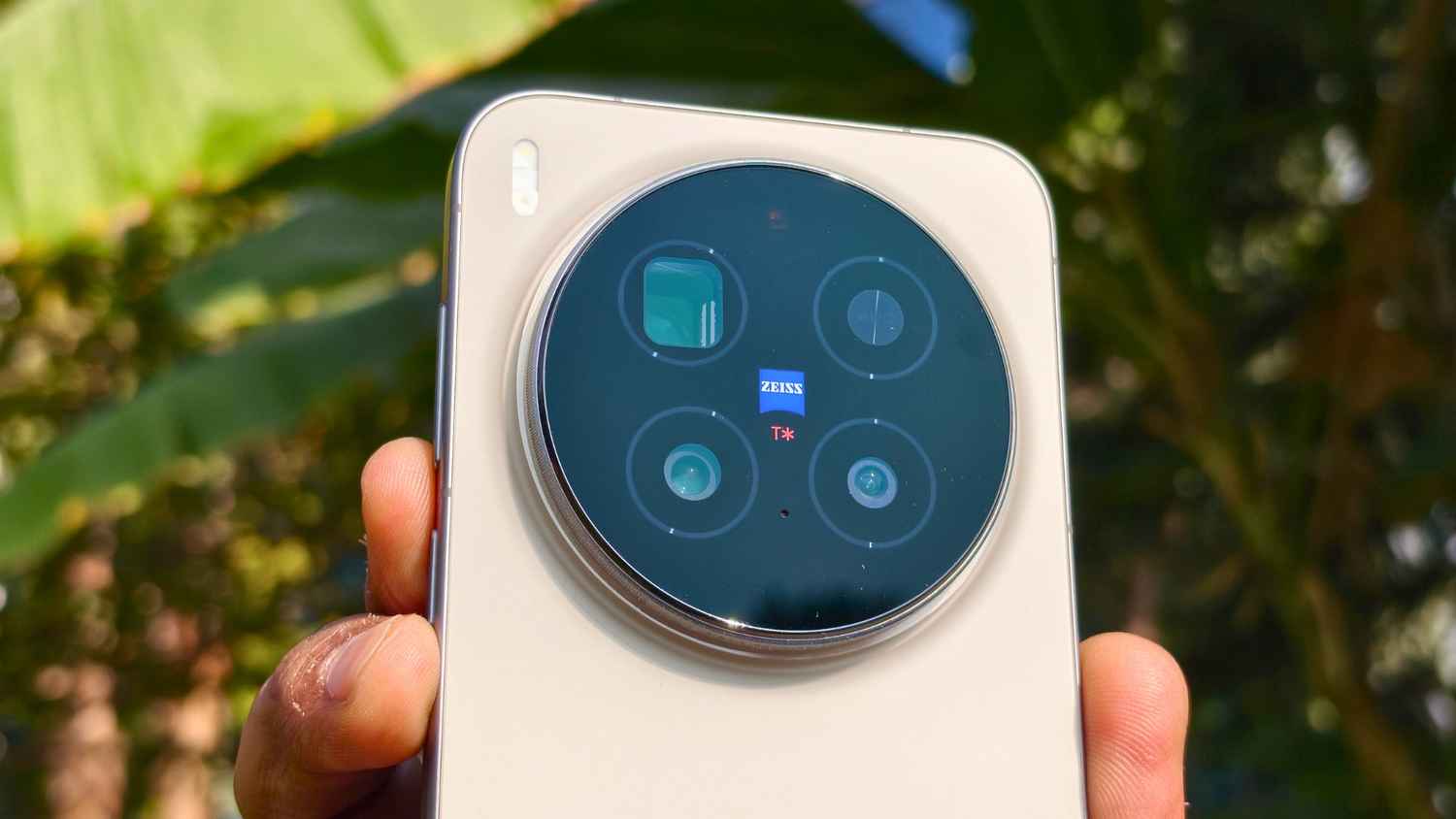
Compared with last year’s X200 Pro, the design has matured. The older model already had a clean look, but the X300 Pro pushes it further with flatter geometry, tighter symmetry and bezels that almost disappear when the display is off. The camera module still dominates the rear, but it blends into the housing more naturally. The metal ring around the ZEISS optics is more polished this time and the whole module feels less like an attached component.
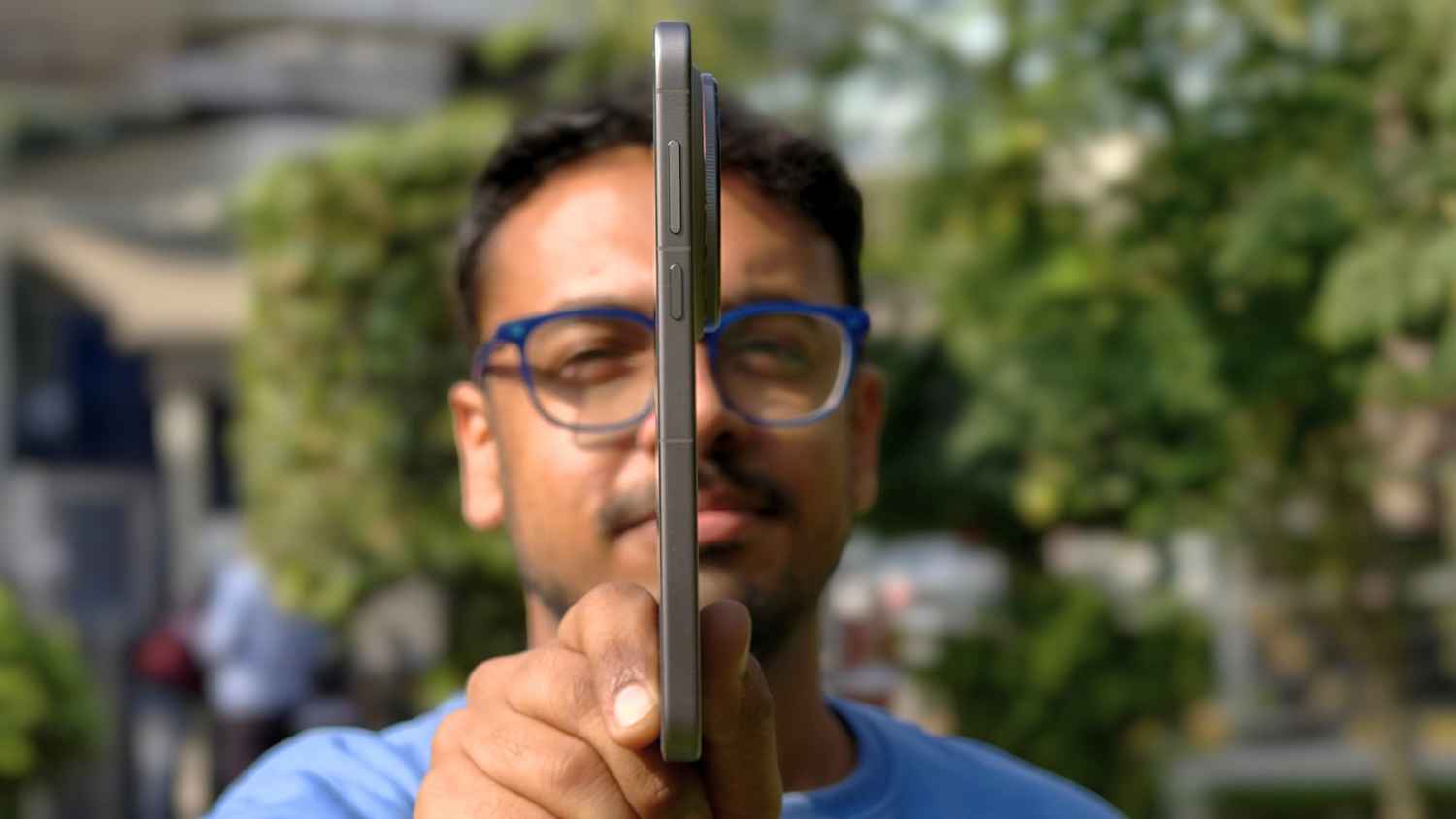
The front uses the proprietary Armor Glass, which is rated tougher than the X200 Pro’s protective glass solution and the middle frame is solid aluminium alloy. It feels denser and the weight distribution is noticeably better. The phone is still 226 grams, so it’s not light by any means, but it doesn’t lean heavily towards the top despite the large telephoto assembly.
Yes, the camera bump is big, but it has to be, considering the 1/1.28-inch main sensor and 200-megapixel telephoto underneath. The bump rises smoothly from the backplate instead of jutting out sharply like a separate disc. The X300 Pro feels like Vivo is finally settling into a design identity for the X-series, something that feels premium from the get-go.
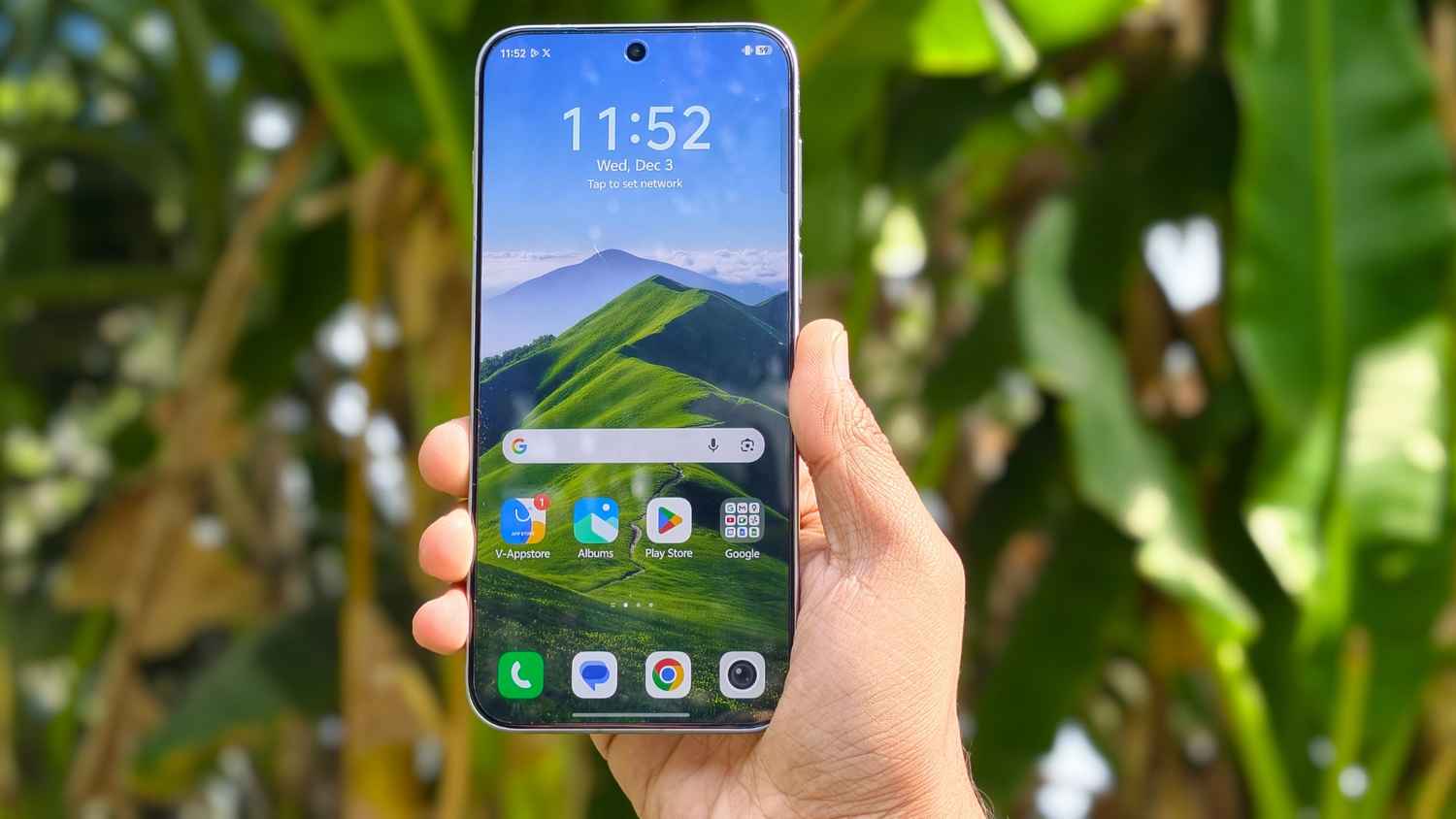
Smartphone displays have been getting better and better over the past few generations and on paper, the X300 Pro gives us the usual checklist: a 6.78-inch LTPO AMOLED panel, 120 Hz refresh rate, HDR10+ and Dolby Vision support. This, along with a quoted peak brightness of 4500 nits gives you a phone that’s stunningly bright, unusually accurate and very easy on the eyes.
In our lab tests, the display touched 2490 nits peak brightness in the auto mode, which is at par with most Android flagships and outdoor readability stops being a concern entirely. Even in harsh sunlight, the display doesn’t wash out. The higher peak level also helps HDR content, where highlights pop without blowing out and specular elements in Dolby Vision clips carry that sharp, controlled sparkle you normally expect from high-end TVs.
What’s even more impressive is the X300 Pro’s Calman display test results. In colour checker tests, it got an average DeltaE of 0.8 which is exceptional. Anything under 1.0 is considered reference-grade because the human eye can’t meaningfully distinguish the colour from the intended target. Even the worst outlier here is a max DeltaE value of 1.4 at 100% red which sits well below the threshold where errors become visible. So, if you rely on colour-critical accuracy for photo editing or design work, you wouldn’t go wrong with the display of the X300 Pro.
An average CCT of 6621K is almost dead-on with the D65 white point and the RGB balance graph stays impressively flat across the entire luminance sweep. There’s a slight uptick in blue at the very top end, but it’s so minor that you won’t notice it outside of test patterns. Gamma is at 2.26, tracking very close to the 2.2 SDR target and produces a neutral contrast profile, so no strange lifts in the shadows, no crushed highlights.
The X300 Pro’s display offers 99.7% colour gamut in the sRGB space and combined with the OLED’s ability to achieve effectively true black measurements, the result is a contrast ratio north of 100,000:1, which shows up most clearly when you watch darker content or scroll through photographs.
In daily use, scrolling feels light, motion handling is smooth and the broader viewing angles help the panel retain saturation even when tilted. Eye comfort also benefits from the high-frequency PWM dimming, which makes extended reading or night use feel less fatiguing.
The X200 Pro was already a great display phone, but the X300 Pro is one of those rare smartphone screens that behaves more like a reference monitor, so you can colour grade your pictures and videos directly on it.
The Vivo X300 Pro uses MediaTek’s Dimensity 9500 chipset and the day-to-day experience is exactly what the numbers suggest. The interface feels quick, apps resume without delay and OriginOS 6 keeps animations steady even when several tasks run in the background.
In benchmarks, the X300 Pro scores 3,524,707 in AnTuTu, 3433 in Geekbench single-core and 10,410 in multi-core, which places it ahead of the Oppo Find X9 Pro running the same chipset (3.41M AnTuTu, 3216/9490 Geekbench). The improvement isn’t huge, but it does indicate slightly better tuning on Vivo’s side, especially in sustained multi-core loads. PCMark Work indicate the same, with the X300 Pro reaching 16,139 compared to the Find X9 Pro’s 13,218.
Thermals, however, remain a key trait of this generation of chips. In the CPU throttling test, the X300 Pro dropped to 62% of peak performance, which aligns with what you feel during extended tasks like exporting multiple RAW images or running CPU-heavy games for more than 20–25 minutes. The phone becomes warm, stabilises and then maintains performance at a lower ceiling. For typical app use or photography, this behaviour doesn’t show up, but it’s noticeable during long continuous workloads.
GPU performance is more consistent. The device scored 7422 in 3DMark Wild Life Extreme, which is again slightly ahead of the Find X9 Pro’s 7076. High-end games such as Genshin Impact or BGMI run at stable frame rates and frame pacing remains smooth even at higher settings. Heat builds steadily during prolonged gaming, but the phone avoids sudden FPS drops.
The Snapdragon-powered Realme GT 8 Pro sits on the opposite end of the behaviour curve. It scores significantly higher in short-burst workloads (3.96M AnTuTu, 3666/11050 Geekbench) but throttles earlier and dips more aggressively under sustained load. Its GPU score (5442) also shows a very different thermal and power profile with strong CPU bursts paired with more conservative GPU output to manage heat. In comparison, the X300 Pro’s behaviour is steadier and more predictable, especially for long gaming sessions or extended camera use.
In terms of battery, the 6510 mAh unit handles mixed-use days easily, with predictable drain patterns across browsing, photography and video streaming. Under heavier loads with gaming or prolonged camera sessions, the battery drops faster, but the overall endurance still fits a full day’s use. In the PCMark Battery Life test, it lasted for 26 hours and 17 minutes from 100% to 20% which means it will cover two days of casual use without needing a charge. The 90 W fast charging helps it recover from 1-100% in around 52 minutes and shorter top-ups throughout the day are usually enough to keep the phone above 50%.
The Vivo X300 Pro is the first phone to ship with OriginOS 6 out of the box and after extended use, it’s clear that this software is meant to complement Vivo’s premium hardware.
From the card-based lock screen elements to the layered quick settings panels that expand contextually instead of dumping everything at once, everything looks fresh. Animations are slower than stock Android, but they’re consistent and stylish, which helps the system feel stable even when multiple apps are running in the background.
Battery management tools offer clearer visibility into usage patterns and charge behaviour. The visual language leans heavily on depth, soft gradients and cohesive typography, giving the UI a sense of continuity across menus instead of feeling like a collection of disconnected screens.
More importantly, nothing here feels experimental. OriginOS 6 doesn’t interrupt workflows and maintains a steady rhythm that suits long sessions, whether you’re shooting, editing, or simply navigating through the phone over the course of a day.
Taken together, the X300 Pro’s performance sits where a 2025 flagship needs to be. It’s fast in everyday interaction, competitive in benchmarks and stable in long workloads with expected thermal moderation. It outperforms other Dimensity 9500 phones in sustained tasks and offers more consistent GPU performance than Snapdragon 8 Elite Gen 5 devices that prioritise peak scores over long-run stability.
The Vivo X300 Pro is built around a camera system that prioritises consistency and reach over spectacle. After going through more than a thousand images across different lighting conditions, focal lengths and subjects, I can say that this phone is most confident when you let it do what it’s designed for.
The 50MP Sony LYT-828 main sensor is the most dependable part of the setup. In daylight, pictures have balanced dynamic range without aggressive HDR. Bright skies retain gradients instead of clipping, while shadows hold texture without being artificially lifted. Colours lean neutral rather than saturated, which makes repeated shots across different scenes feel consistent.
The 2x digital crop deserves special mention. It behaves more like a native 50mm lens where details remain intact, background separation looks natural and there’s no obvious sharpening halo or texture breakup. For everyday photography like street shots, portraits, food and casual travel, this is a focal length you can rely on without hesitation.
The OIS keeps handheld shots steady even as light drops and motion blur stays under control during longer exposures. This becomes noticeable in night scenes and dim indoor environments, where the phone holds detail without forcing excessive noise reduction.
The 200MP periscope telephoto is where the X300 Pro separates itself. Between 3.5x and 10x, detail retention is consistently high. Wildlife shots, distant signage and architectural textures hold together without collapsing into smudged patterns. Feathers, fur and fine lines remain distinguishable too.
At extreme zoom levels: 20x and 30x, the phone remains usable, though this is where AI intervention becomes visible. Texture reconstruction starts to appear on complex surfaces, especially text or distant buildings. Even so, the results are often clearer than what most flagships manage at these focal lengths.
The telephoto also doubles as a macro tool. Being able to capture fine details such as water droplets, plant textures, insect surfaces from a distance changes how you approach close-up photography. You don’t need to move into the subject’s space and that flexibility opens up creative framing options that most phones can’t offer.
Portrait mode benefits from accurate edge detection and doesn’t mess up background blur. Hair strands, glasses and accessories are separated cleanly and skin textures are preserved instead of being smoothed into a uniform finish. Faces retain natural contrast and colour, which makes portraits usable straight out of the camera.
The addition of ZEISS Mirotar bokeh is more stylistic because the doughnut-shaped highlights create a distinctive look that works well with flowers, wildlife and controlled backgrounds. In busy urban scenes, it can feel distracting. It’s best treated as an optional creative tool.
The ultra-wide camera is competent but clearly the weakest of the three. In good light, it handles landscapes and group shots well, with minimal distortion and acceptable edge sharpness. In low light, however, detail softens and noise becomes more noticeable compared to the main and telephoto cameras.
Low-light performance is strong. The main sensor and telephoto handle mixed lighting well, keeping highlights under control and preserving shadow detail. Night scenes with bright light sources like street lamps, decorative lighting, reflections are handled cleanly, without excessive flare or colour bleeding.
The optional 2.35x telephoto extender changes how the camera behaves at longer focal lengths. By pushing the optical reach to around 8.5x, it reduces the reliance on digital zoom and heavy AI processing in the 10x–20x range. Texture rendering improves, depth looks more natural and fine details hold up better.
It’s not something you’ll use casually. It adds bulk, requires steady handling and suits specific scenarios. But for wildlife or long-distance subjects, it delivers results that are difficult to achieve on a smartphone without additional optics, turning the X300 Pro into a specialised tool rather than your run-of-the-mill camera phone with digital tricks.
The Vivo X300 Pro is not trying to impress with dramatic colours or exaggerated processing. Its strength lies in how easily and reliably it captures detail across focal lengths, especially once you move beyond 3x zoom. The main sensor delivers consistent results, the telephoto sets a high bar for long-range photography and the overall colour science remains stable across lenses.
There are limitations such as the ultra-wide lags behind and extreme zoom relies on AI more than optical data, but taken as a whole, the camera system feels purpose-built rather than experimental.
For users who value reach, detail and predictable results over visual punch, the X300 Pro offers one of the most capable mobile camera setups available right now.
The Vivo X300 Pro is a phone built with a very clear priority: reliable imaging across moments especially once you move beyond the standard camera experience and where most smartphones begin to struggle.
As a daily-use flagship, the X300 Pro is solid. The display is accurate enough for colour-grading work, performance is stable, battery life comfortably stretches beyond a day and OriginOS 6 feels mature and cohesive. Thermals are managed conservatively, which means peak performance doesn’t last forever and for most users that trade-off will make sense.
The Vivo X300 Pro is a camera-first flagship and if photography is central to how you use your smartphone and especially if telephoto work matters to you, the X300 Pro stands out as one of the most capable camera phones available right now.