Budget phones under Rs 20,000 almost always force you to pick your compromise. You either settle for a design that looks generic, or performance that feels average, or a display that looks like it belongs in 2022. That has been the pattern for years. The Poco M8 tries to break that formula by doing something more balanced. It aims to look more premium than it should, deliver a display that feels flagship-inspired, and still hold up in daily performance without obvious weaknesses.
I have used the Poco M8 as my daily phone for about two weeks, and what makes it more interesting is how closely it resembles the Redmi Note 15. That is not surprising since both come from Xiaomi’s playbook, and Xiaomi has never been shy about reusing good hardware across multiple product lines. The real question is whether the Poco M8 is simply a renamed Redmi or whether it stands on its own as a better value proposition.
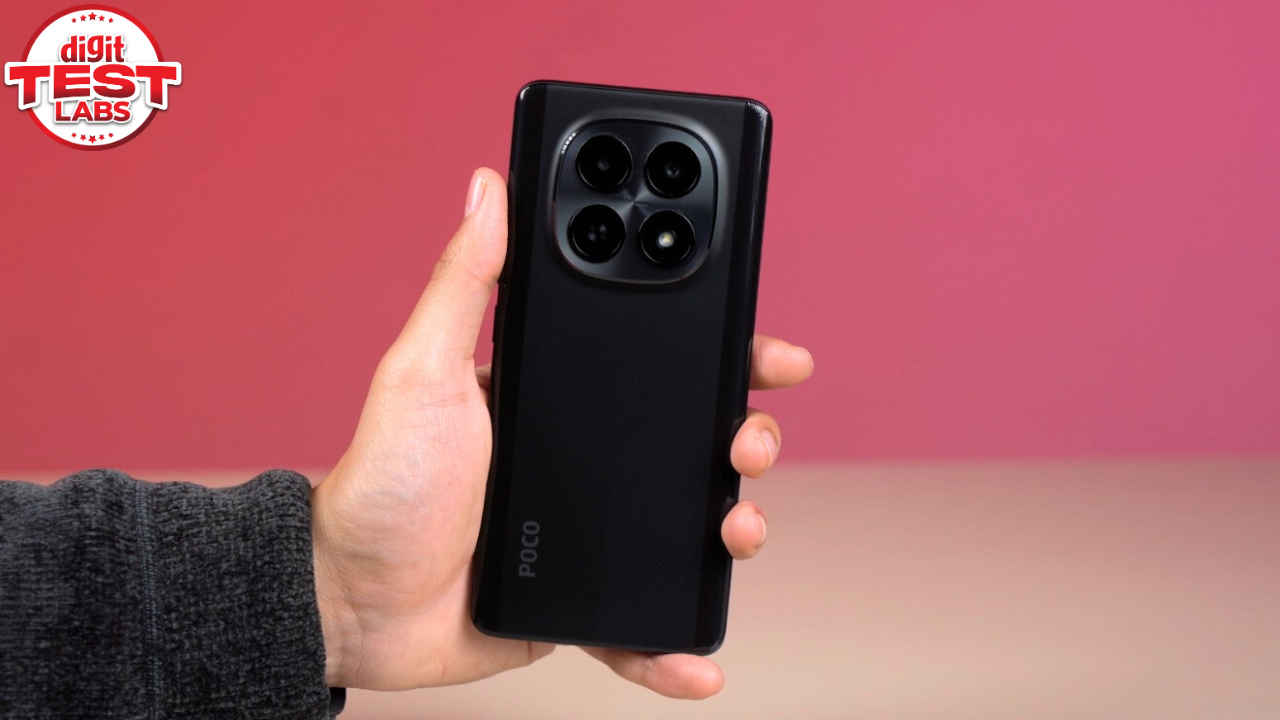
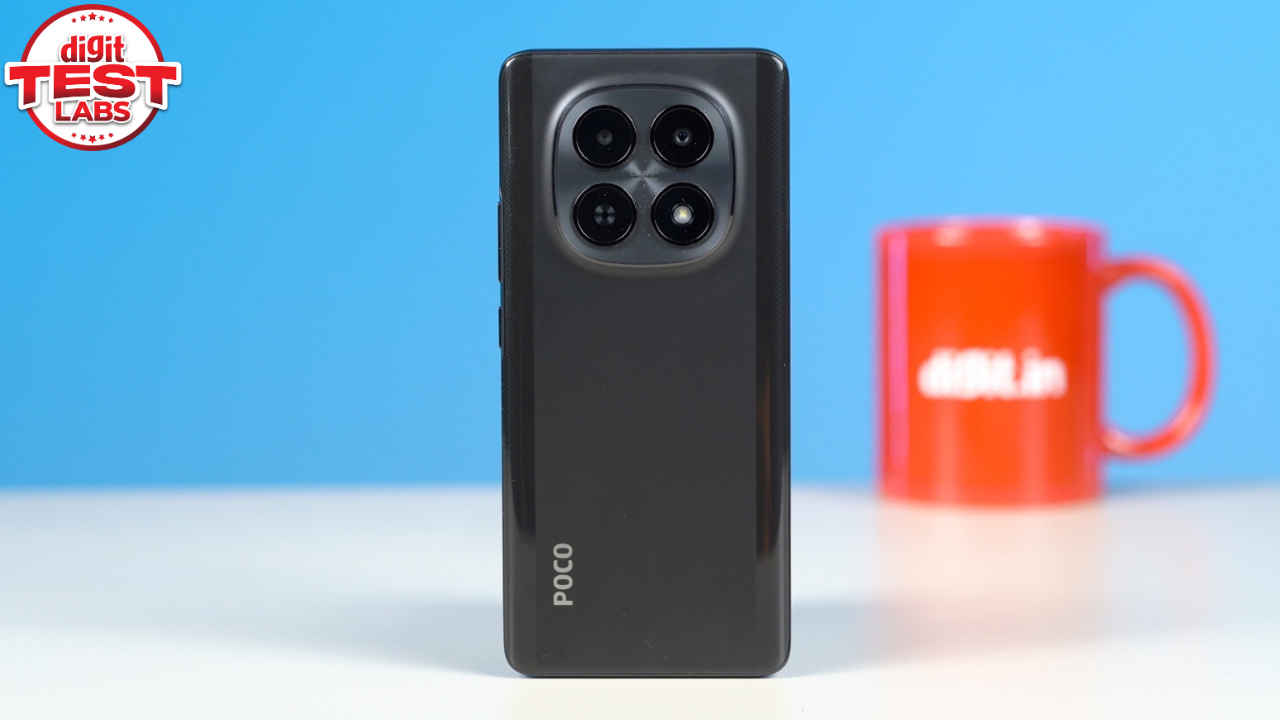
The Poco M8 immediately makes a strong first impression, and this is not typical for a phone in this price range. The Carbon Black variant stands out the most. The carbon-style stripes on the back give it a sporty look without feeling too loud. Poco also offers Glacial Blue and Frost Silver for buyers who prefer cleaner finishes.
Both the back and frame are plastic, but the finish is well done. It resists fingerprints and does not feel cheap in daily use. The bigger surprise is the physical profile. At 7.35mm thin and 178 grams, the phone feels lighter and slimmer than most of its rivals under Rs 20,000. The curved edges also help it sit well in the hand, and it ends up feeling more refined than expected.
Poco also makes a strong durability pitch. You get MIL-STD-810 certification and an IP66 rating for dust and water resistance. That combination is rare at this price, and it adds practical confidence for everyday use. Also, the call connectivity during my testing remained stable.
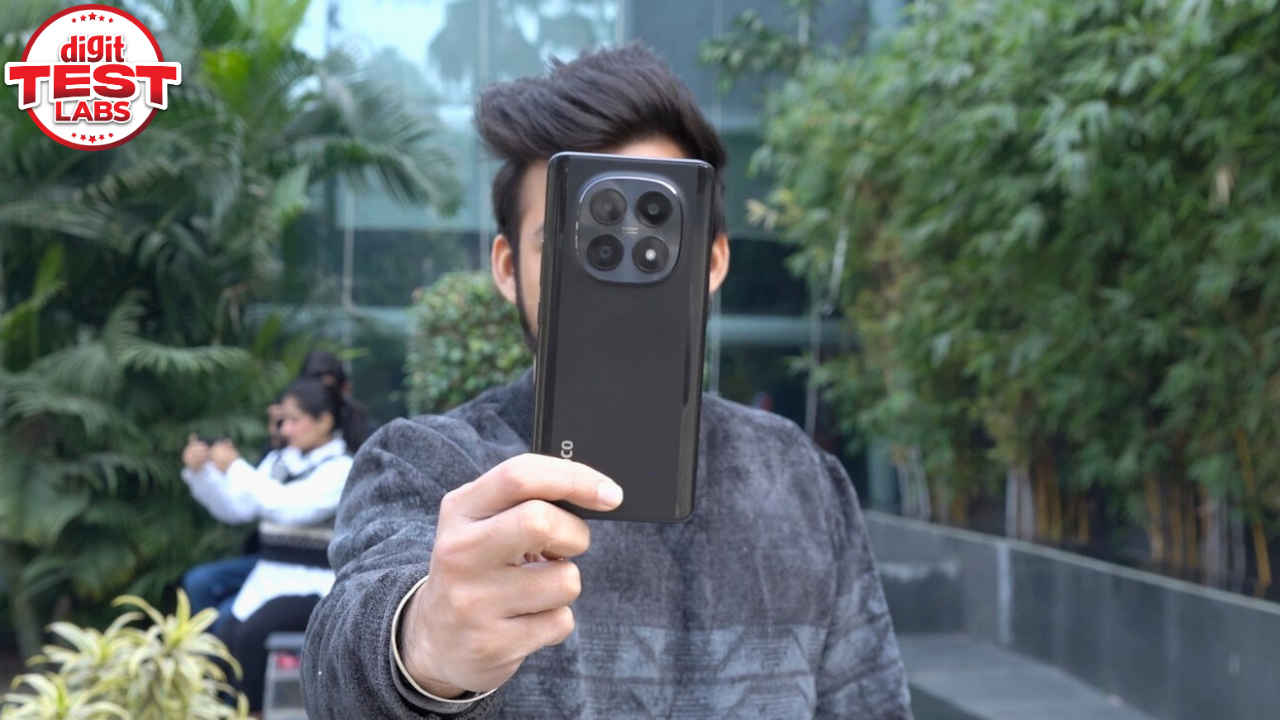
The only design choice that feels unnecessary is the camera module. Poco makes it look like a triple camera setup, but only two cutouts are functional. The third is a fake element. It adds nothing, and it is the sort of visual trick brands should stop using.
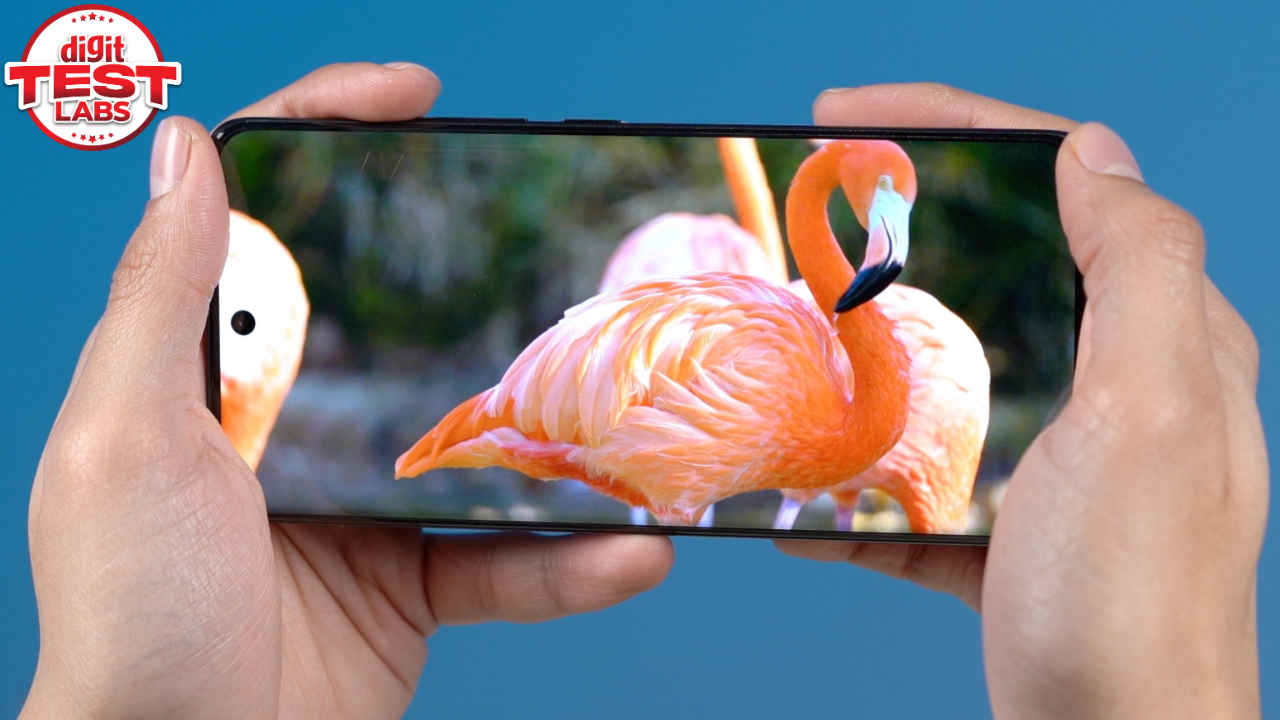
This is where the Poco M8 clearly outperforms what you expect from the segment. The phone comes with a 6.77-inch 1.5K 3D curved AMOLED display with a 120Hz refresh rate, and it looks premium from the moment you turn it on.
Curved displays are subjective, and they are not always practical, but there is no denying the visual impact. The panel looks sharp, vibrant, and smooth. Scrolling feels fluid, animations look clean, and viewing angles are strong. For buyers who watch a lot of content, this is one of the best displays you can get at this price. Blacks are deep, and the contrast is solid.
Poco claims 3,200 nits peak brightness. In my testing, the panel reached around 2,100 nits, which is still very strong. Outdoor visibility is not an issue. Colour accuracy is also handled well. In the Calman colour test, the display recorded an average Delta E of 1.3, and it covered 95% in the colour gamut test. These are impressive numbers for the price, and they show in real usage.
Audio is handled by stereo speakers with Dolby Atmos, and the phone allows volume to be pushed up to 300%. Sound quality is decent, not exceptional, but loudness is not an issue. There is also an IR blaster, a small addition that remains genuinely useful if you still use your phone to control appliances.
For authentication, the Poco M8 features an in-display fingerprint scanner. It is fast most of the time, though it can be slightly finicky sometimes.
The Poco M8 runs on the Snapdragon 6 Gen 3 chip, which is a meaningful step up from the Snapdragon 4 Gen 2 seen in the previous generation. The unit I have features 8 GB LPDDR4X RAM paired with 256 GB of UFS 2.2 storage.
In regular day-to-day use, the Poco M8 performs reliably. Browsing, social media, streaming, and multitasking all feel smooth. There are no obvious stutters or slowdowns that make the phone feel cheap or underpowered.
Gaming, however, needs realistic expectations. BGMI runs fine, but the game is capped at 60fps, and there are occasional frame drops as well. Some phones in this segment offer 90fps options, so buyers who care deeply about competitive gaming should take note. The Poco M8 is not built as a performance-heavy gaming phone. It is built to feel stable and consistent.
Benchmark numbers align with that story. On Antutu, the phone scored 852K, slightly above Poco’s own claim of 825K. In Geekbench 6, the M8 registered 1,020 in single-core and 2,958 in multi-core. On the 3DMark Wild Life test, it achieved a score of 3,269. In the CPU throttling test, the device posted a solid 91% score, suggesting stable, sustained performance for its class.
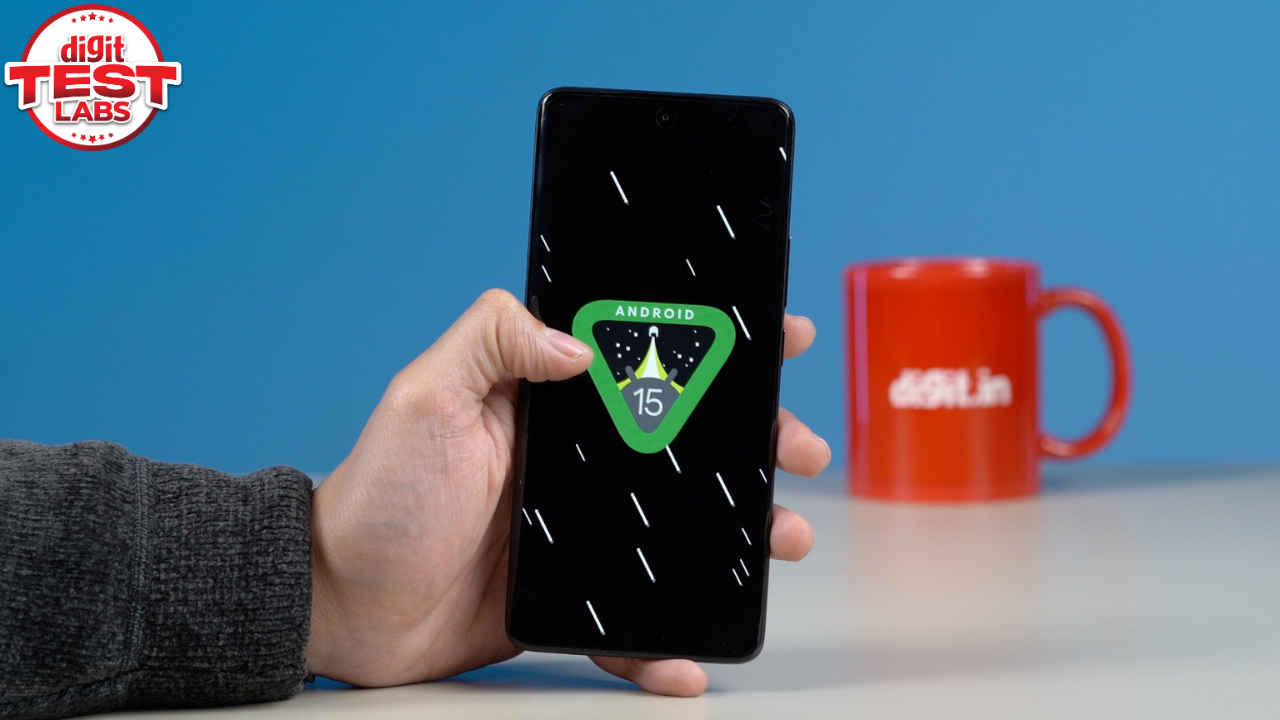
Out of the box, the Poco M8 runs HyperOS 2.0 based on Android 15, and the interface feels smooth. Xiaomi’s software has improved in polish over time, and day-to-day navigation remains responsive. That said, the downside is bloatware. There is a lot of it. The good thing is that most apps can be uninstalled, but the experience still feels busier than it needs to be. Also, with Android 16 already available, shipping a new phone with an year old software is kind of a miss. For what it’s worth, Poco promises four years of Android updates and six years of security patches, which is pretty solid for this price category.
Apart from this, AI features are included, such as Circle to Search and AI Magic Eraser Pro, which allows the removal of unwanted objects in photos, and these tools work as expected.
The Poco M8 keeps the camera hardware straightforward. You get a 50MP primary rear camera, paired with a 2MP depth sensor, and a 20MP front camera for selfies.
In daylight, the main camera performs well. Photos carry good detail, dynamic range is decent, and colours stay mostly natural. Human subjects are handled reasonably, although the phone does slightly brighten faces and introduce some softness.
Portrait mode is inconsistent. Edge detection is not its strongest area, and results vary depending on lighting. In good light, portraits are usable, but it is not a camera system built for portrait enthusiasts.
The selfie camera is average. It is not bad, but it does not stand out either. It delivers usable selfies for casual posting, which is what most buyers expect from phones in this segment.
Battery performance is another strong point of the Poco M8. The device packs a 5,520mAh battery with 45W fast charging, which is a decent improvement over the previous generation.
In the PCMark battery test, the phone delivered 21 hours and 55 minutes, which indicates strong endurance. In real-world use, you can comfortably expect a full day of usage, and lighter users can stretch it further.
The 45W charger is included in the box, and the phone charges from 0 to 100% in around an hour.
The Poco M8 makes a strong case for itself under Rs 20,000. If you want a phone that looks good, feels premium in hand, offers a gorgeous AMOLED display, delivers solid battery life, and comes with long-term software support, this is one of the better packages in the segment.
It is not meant for hardcore gamers or camera-focused buyers. Gaming is stable but limited, and the camera system is competent rather than exceptional. But as a balanced everyday smartphone, the Poco M8 delivers where it matters most.
If design, display, and battery life matter more to you than peak gaming power, the Poco M8 is worth considering.