At a time when flagship phones are pushing both physical and financial limits, think palm-stretching phablets that cost more than your last bike, the Vivo X200 FE feels like a defiant little rebel. A Rs 54,999 phone that doesn’t need to scream for attention with curved displays or a trillion-megapixel main camera. Instead, it walks in quietly, dressed in a neat 6.3-inch frame, packed to the gills with ZEISS optics, a 6500 mAh battery, and the new Dimensity 9300+ chip.
Vivo’s pitching this not just as another compact Android, but as a phone you could genuinely get work done on, shoot actual content with, and maybe, just maybe, leave your DSLR at home for. It even promises studio-like portraits and ridiculously sharp 10x zoom captures. That’s a bold claim, especially when “FE” editions often stand for “feature-enough” rather than “fully equipped.”
So naturally, we had to test it. And after a week of using it as my primary phone for emails, edits, camera testing, doomscrolling, and watching videos, I’m convinced this phone is more than just a compact flagship. It might just be one of the most unexpectedly complete packages Vivo has made in years.
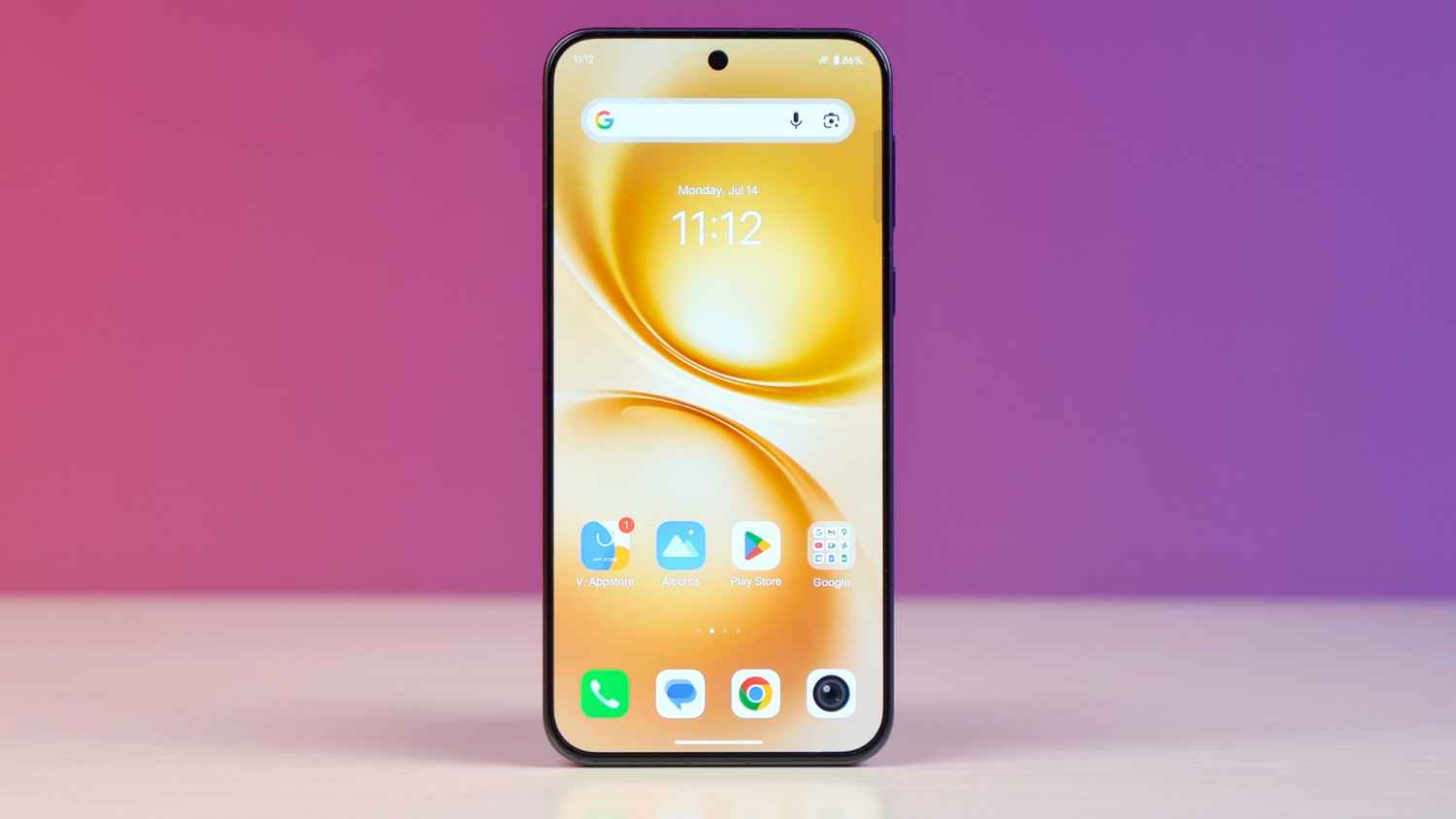
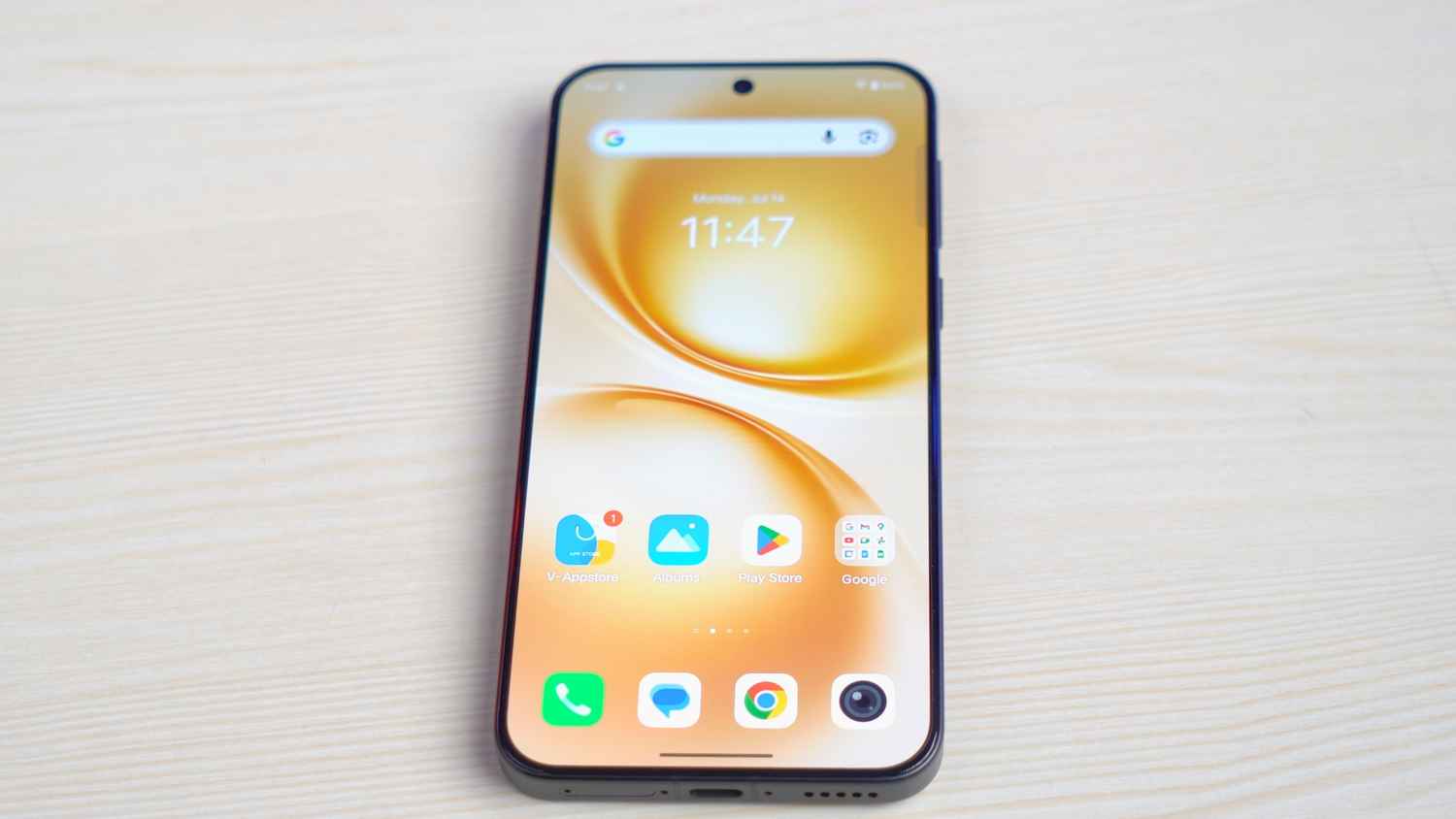
The Vivo X200 FE stands out for one key reason: it’s compact without feeling compromised. At 6.31 inches and weighing around 188 grams, this is one of the few premium smartphones that can be comfortably used with one hand. That alone makes it worth considering if you’re tired of oversized phones that feel bulky in everyday use, especially when navigating with one hand or using it on the go.
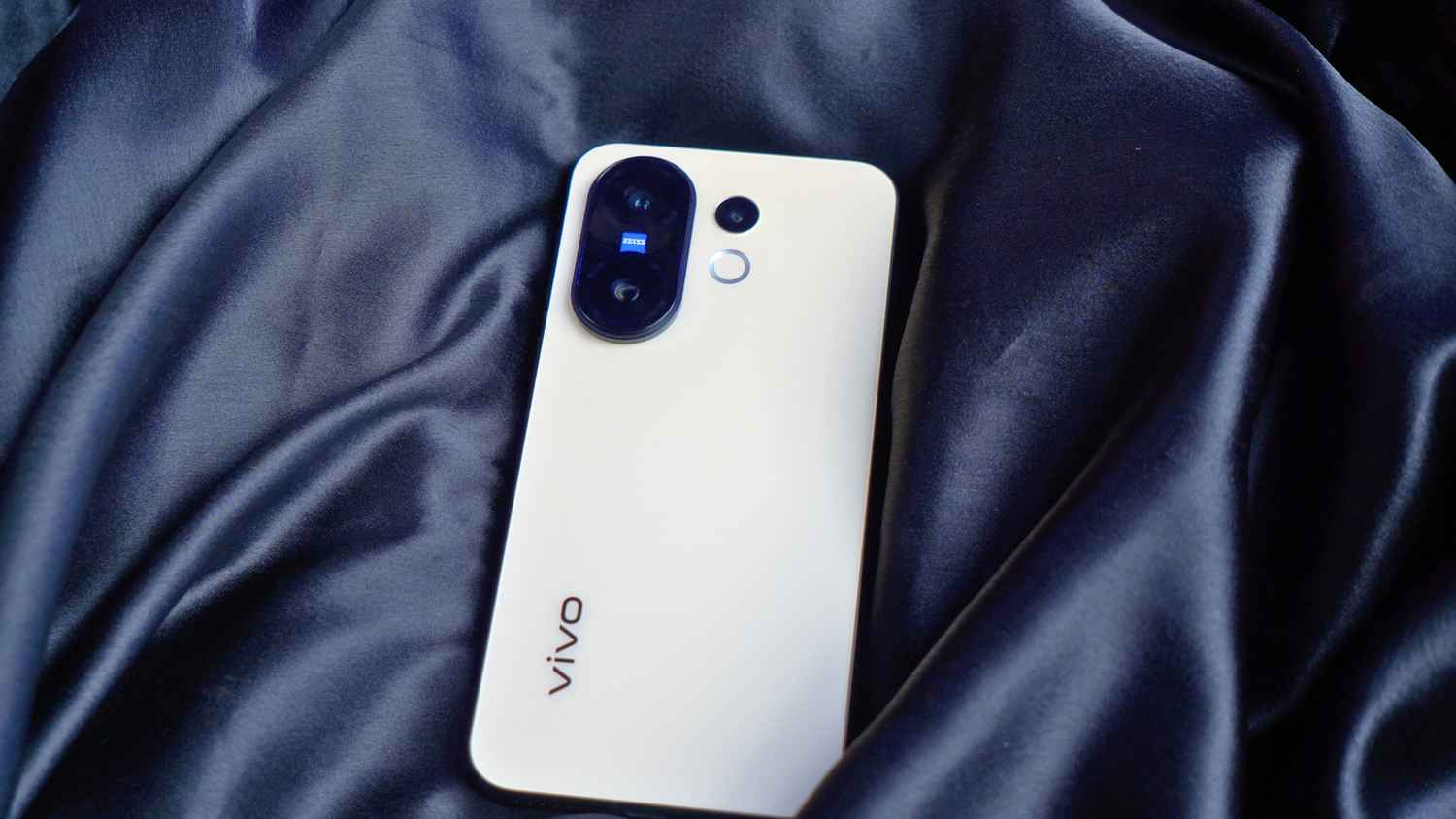
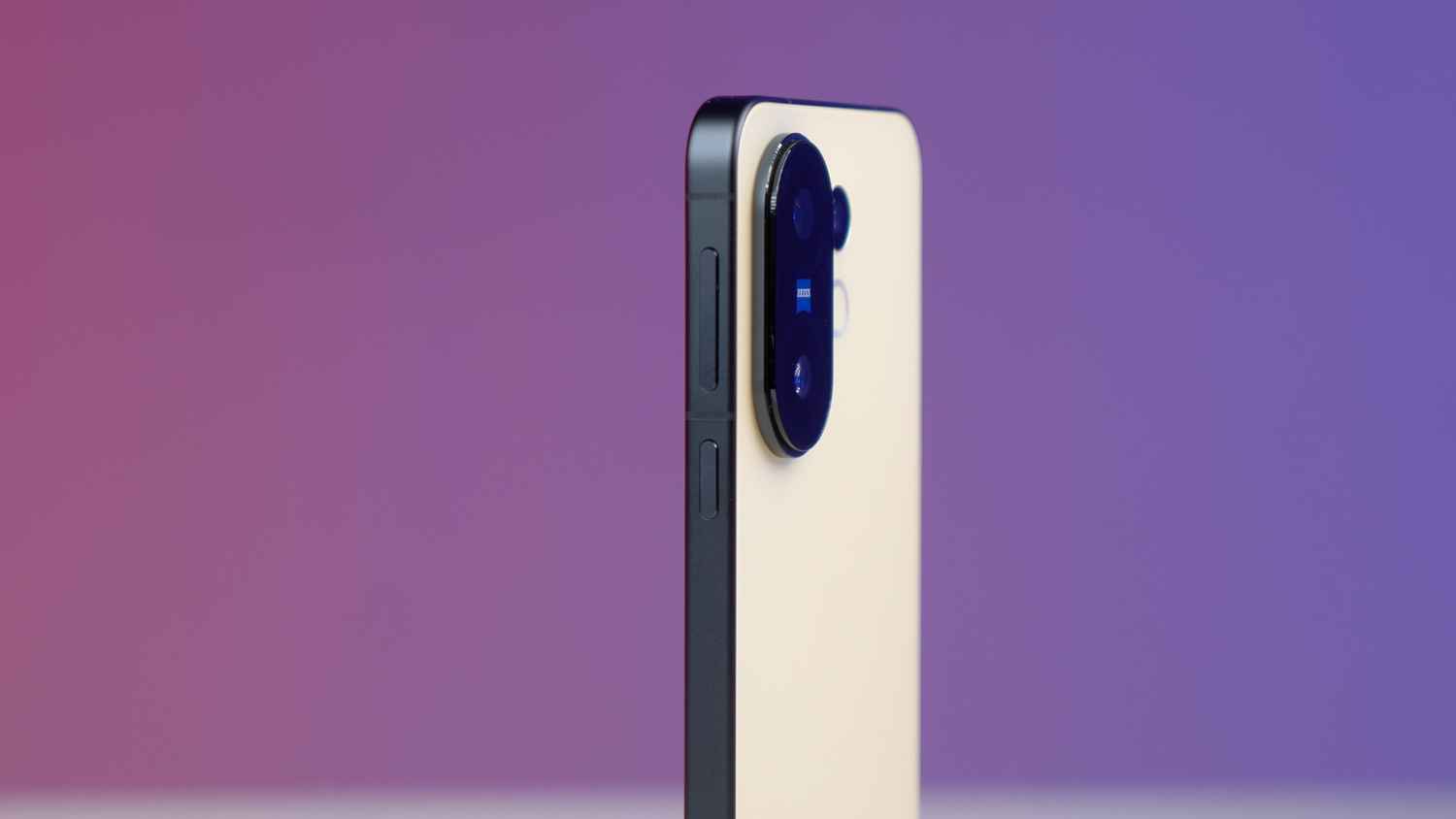
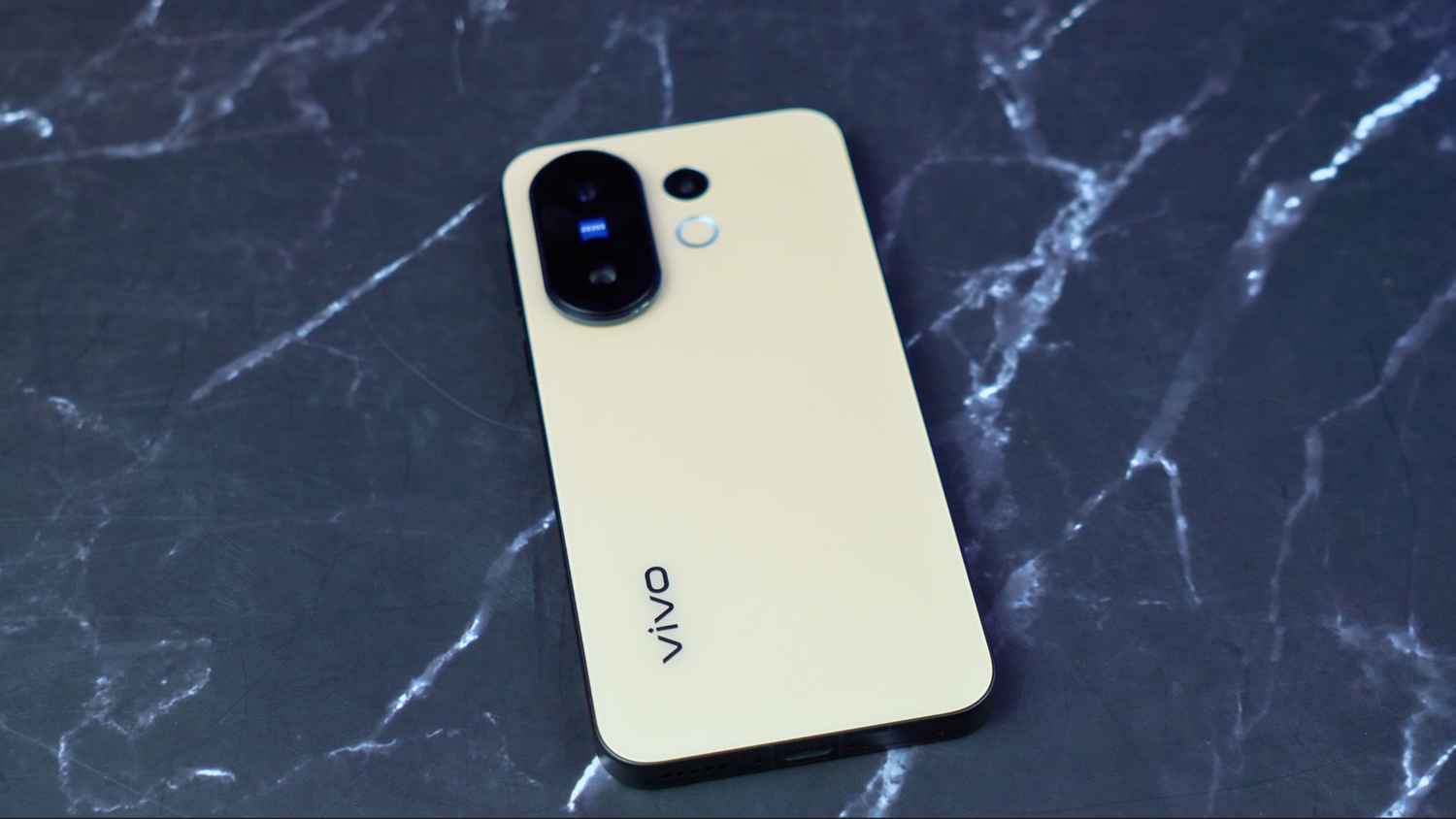
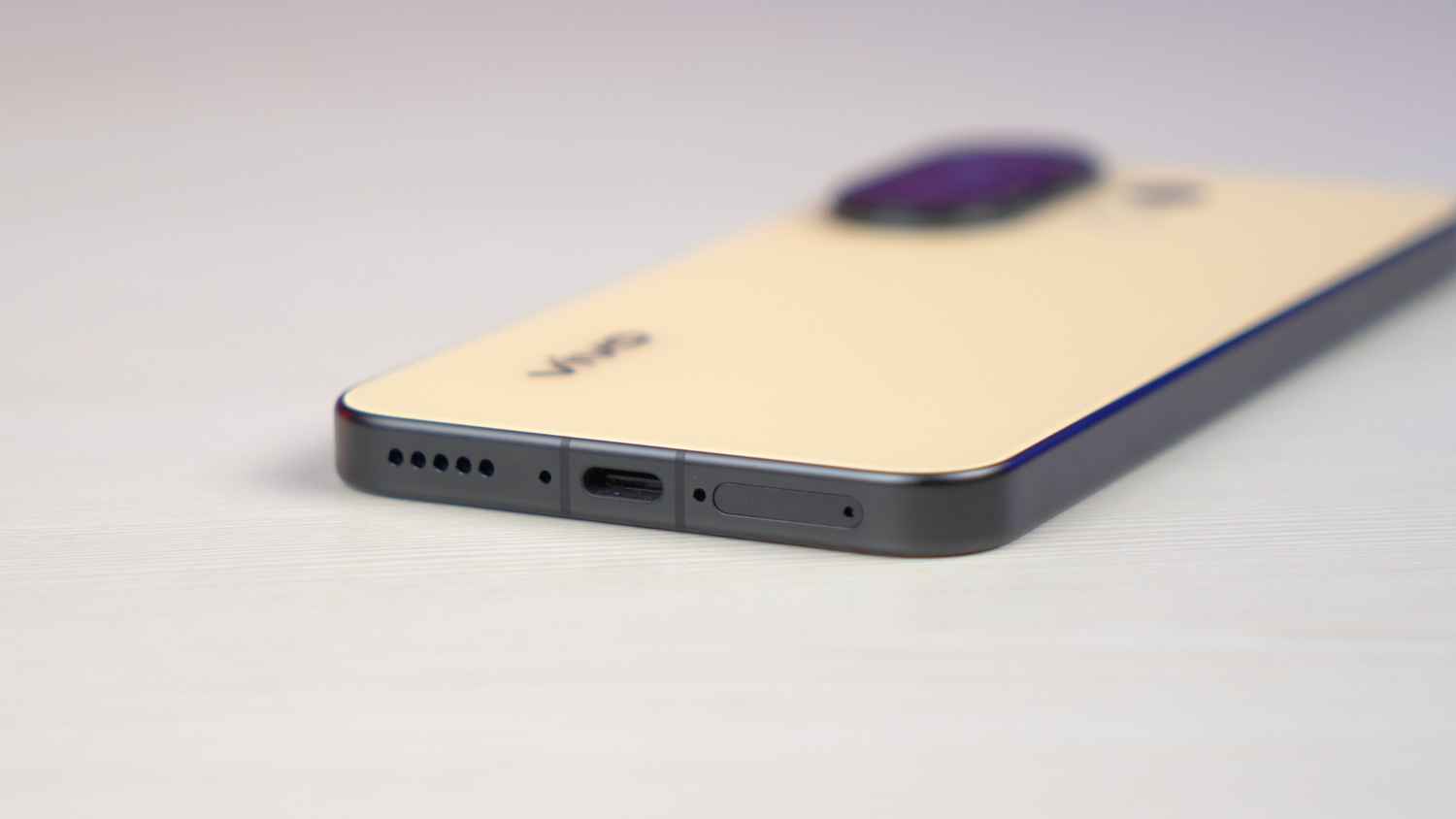
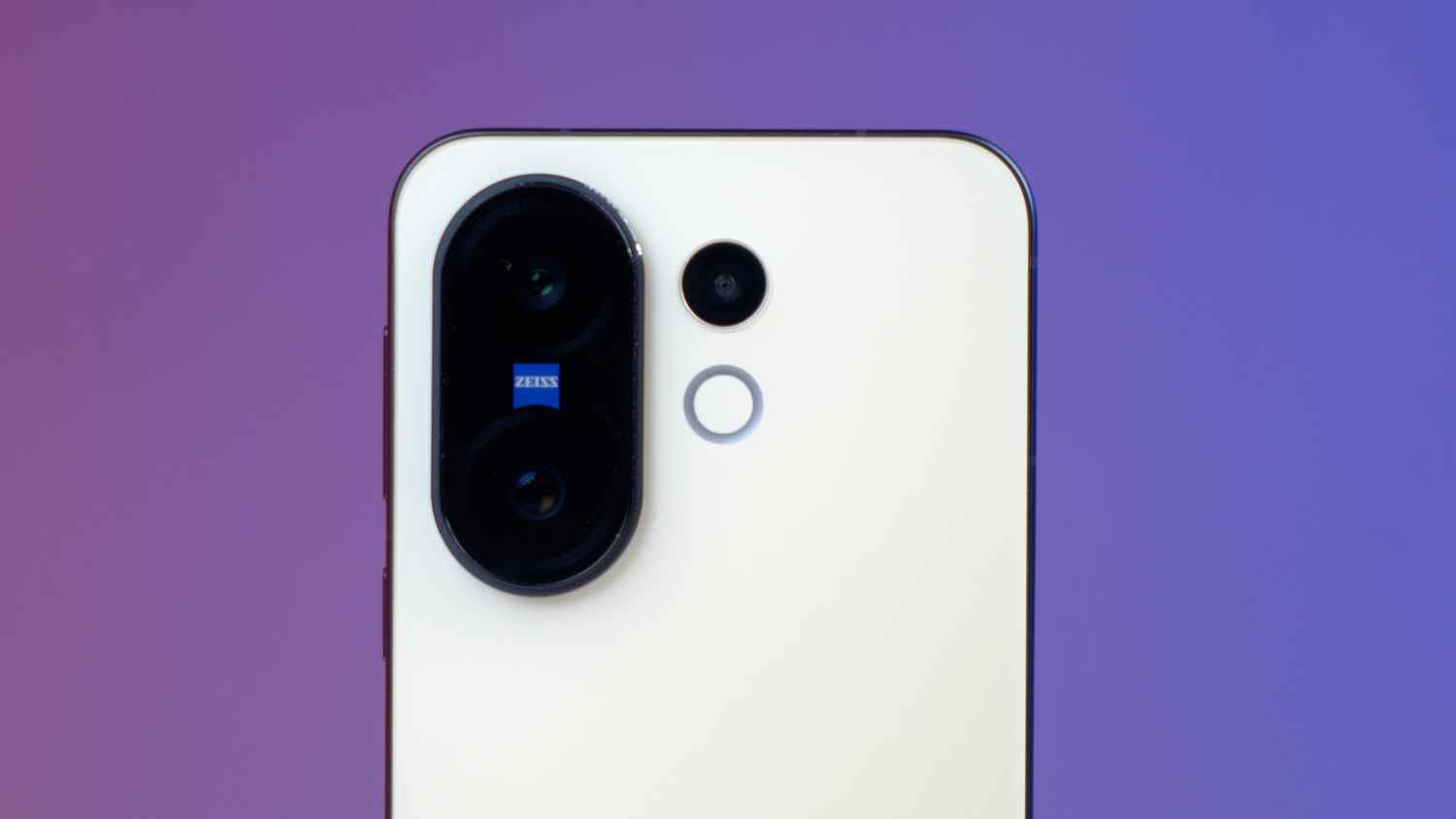
Vivo has opted for a flat frame made of aerospace-grade aluminium, which contributes to both structural strength and a reassuring in-hand feel. The design is simple, clean, and deliberate. The phone’s rear panel uses a textured glass finish called Metallic Sand AG, which improves grip, resists fingerprints, and gives the surface a soft, almost frosted touch. Unlike glossy finishes that attract smudges easily, this one stays clean longer and feels premium under your fingers.
The back panel slightly curves into the side frame, and the camera module, while raised, is neatly integrated with a dual-layer aluminium ring system. This avoids any wobble on flat surfaces and gives a visually balanced look. The design is clearly functional, not ornamental, and that restraint works in its favour.
Durability is another strong point. The X200 FE is IP68 and IP69 certified, which means it’s not just splash-resistant, it’s fully protected against dust and can handle high-pressure water jets. This level of water and dust protection is still rare at this price point and adds genuine peace of mind. SCHOTT Xensation glass on the front further improves drop resistance, especially for everyday knocks and edge impacts.
The phone is available in three colours: Frost Blue, Amber Yellow, and Luxe Black. Each has a matte texture and subdued finish, with Frost Blue offering a cooler aesthetic, Luxe Black looking professional, and Amber Yellow leaning more expressive. The overall build quality feels solid, there’s no flex or creak, and all the buttons are tactile and well-placed.
If you’re someone who values practicality, pocketability, and understated design over sheer screen size or flashy aesthetics, the Vivo X200 FE delivers exactly that. It’s a phone built to last and easy to live with, and that alone sets it apart from a lot of other “flagship-lite” options in the market.
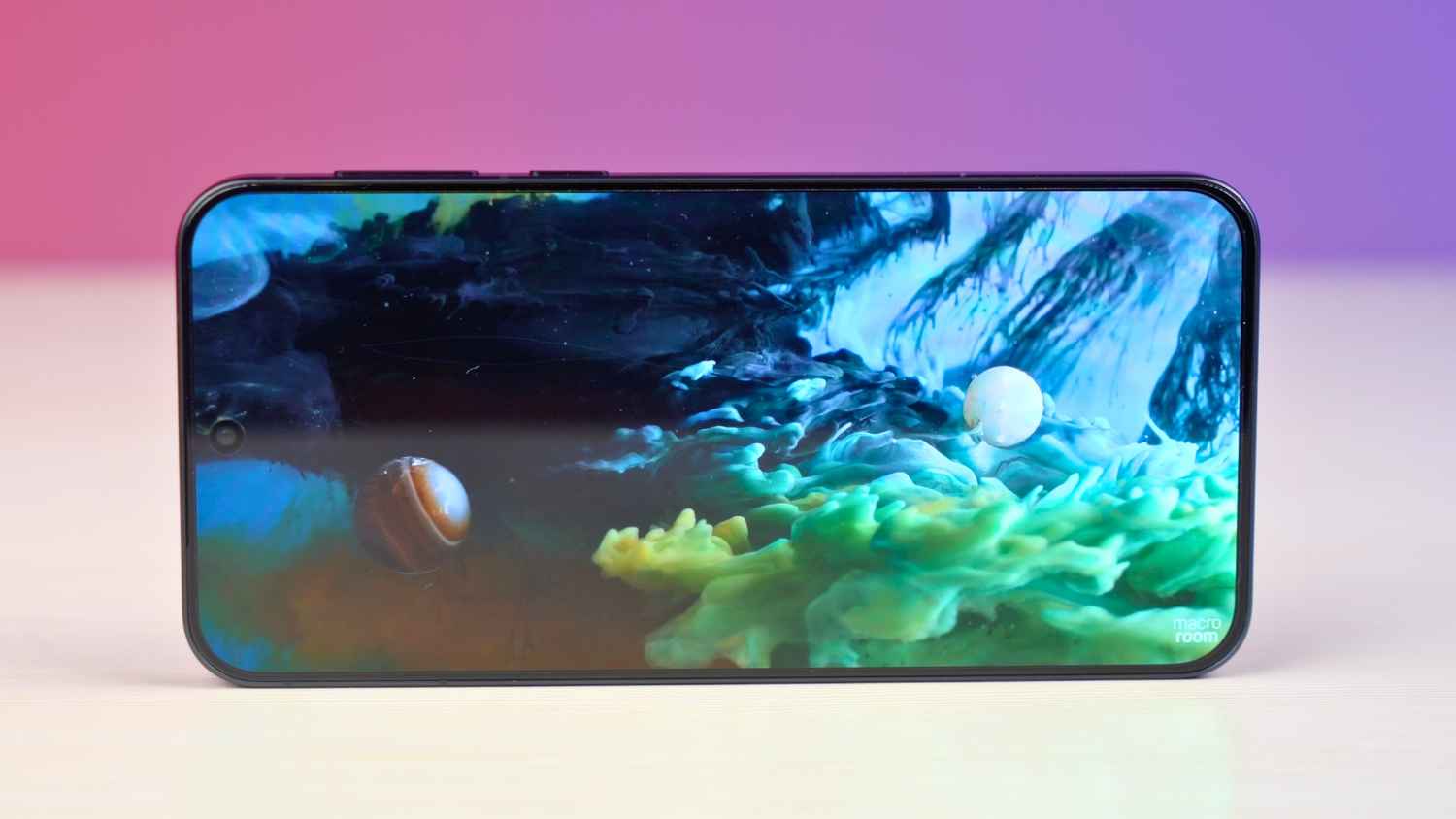
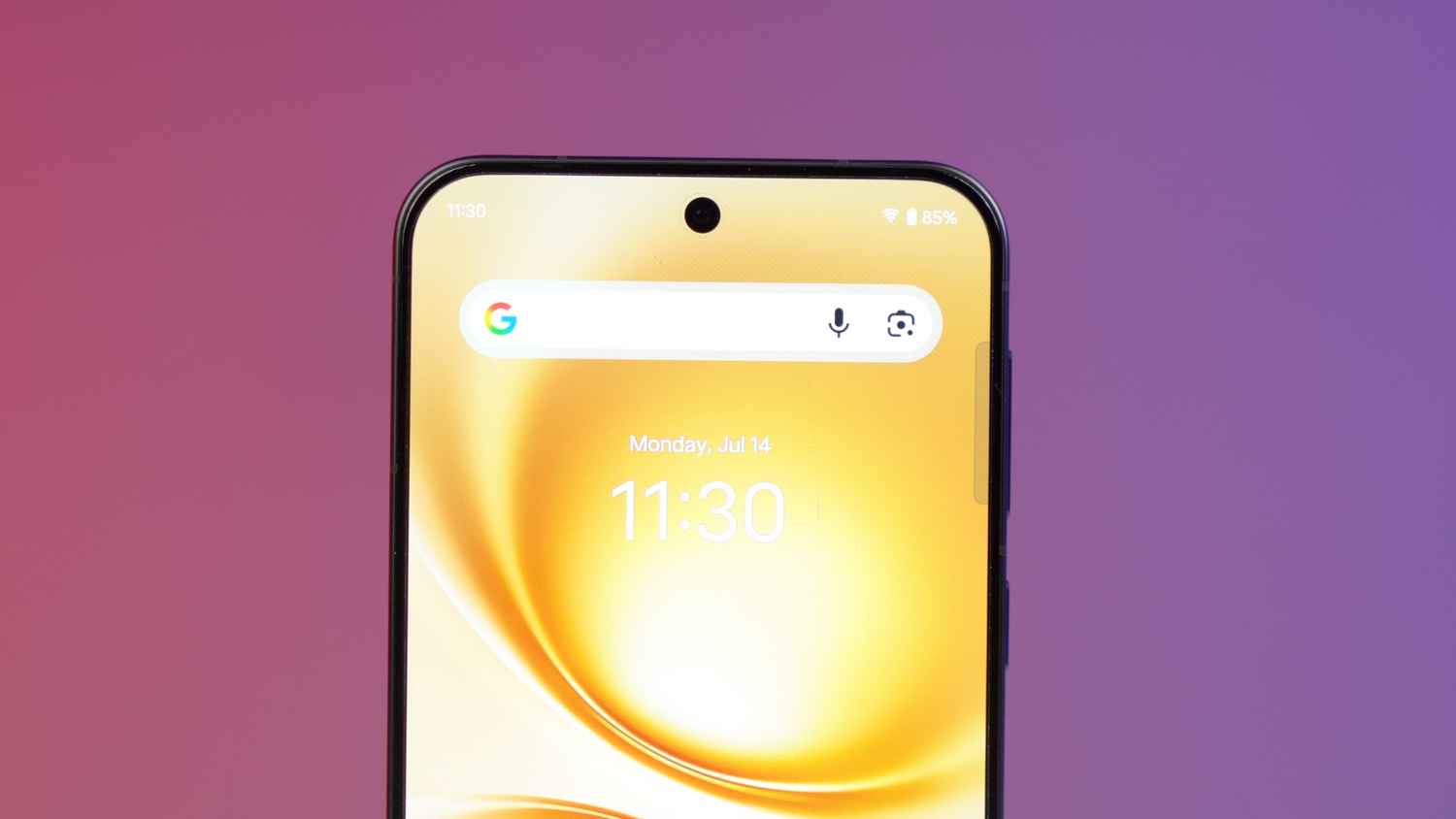
The Vivo X200 FE features a 6.31-inch flat pOLED panel with a 1.5K resolution and support for HDR content. What sets it apart in this price bracket isn’t just the resolution or the panel type, it’s the fine-tuning and performance under actual test conditions.
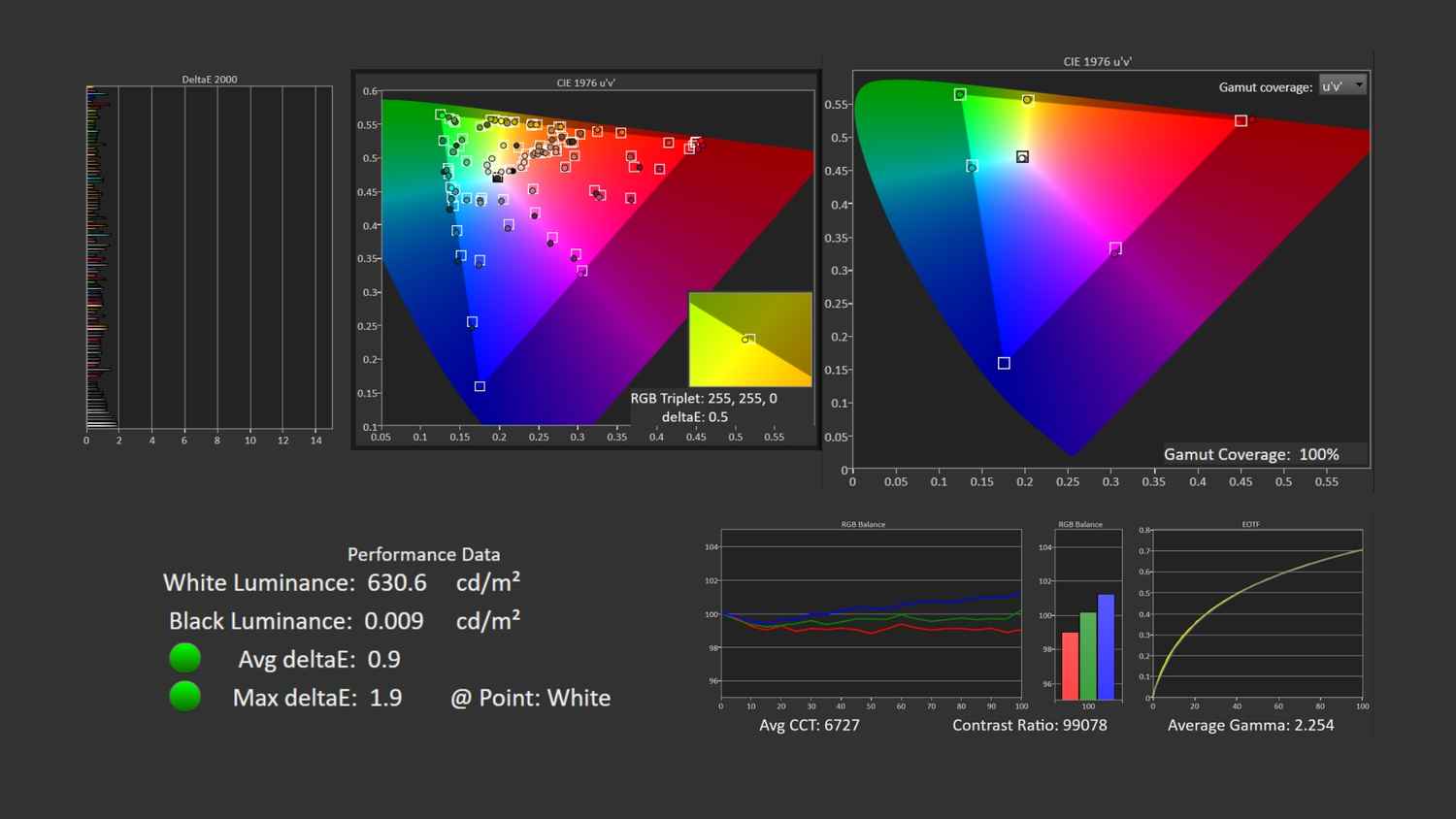
Using a SpectraCal C6 HDR2000 colorimeter and Calman calibration tools, the display measured an average Delta E of 0.9 in the ColorChecker test, with a maximum Delta E of 1.9 at the white point. This means colours are highly accurate, well within the threshold for professional-grade visual work. Skin tones, reds, and greyscales are reproduced faithfully, with minimal visible deviation from reference values.
The grayscale performance is equally strong, with an average dE2000 of 1.3, a well-balanced RGB tracking curve, and a consistent colour temperature of 6727K which is slightly cooler, meaning the screen appears brighter and more vibrant without looking unnaturally blue. The EOTF curve and gamma averaged at 2.25, which results in good contrast across shadows and highlights without crushing blacks.
The black levels are excellent which is typical of mobile OLED panels and black luminance was recorded at just 0.009 cd/m², meaning even in pitch-dark scenes, there’s almost no light bleed or greying.
Vivo claims a local peak brightness of 5000 nits, but in our testing the peak brightness hit 2750 nits, which is more than sufficient for indoor or shaded outdoor use and watching HDR10+ content.
The colour gamut coverage is also excellent: the display covered 100% of the DCI-P3 colour space in our tests, meaning it’s suitable for tasks like photo editing, mobile video editing and watching HDR videos.
The panel also supports 2160Hz PWM dimming and with SGS low blue light certification, it makes the X200 FE’s display suitable for extended reading or night-time use with minimal eye fatigue.
Overall, this is a sharp, bright, and colour-accurate display packed into a size that’s genuinely easy to use day-to-day. Whether you’re editing photos, watching Netflix, or just scrolling through social media, the X200 FE delivers a top-tier viewing experience without compromise.
The Vivo X200 FE is powered by the MediaTek Dimensity 9300+, which is a flagship-grade chip with all-big-core architecture. This means that instead of using a mix of efficiency and performance cores, there are 8 high-performance cores which prioritise raw power over theoretical power savings.
In daily use, the phone is fast, fluid, and consistent. Apps open instantly, transitions are smooth, and even under pressure, the system stays responsive.
In synthetic benchmarks, the X200 FE performs well:
What stands out here is not just the peak performance, but the sustained output. In the CPU Throttling Test, the phone retained 95% of its peak performance, and even after prolonged stress, there was no thermal throttling. The vapour chamber cooling system (3800 mm²) seems well-tuned as CPU temperatures during these intensive runs peaked at around 60–62°C, which is on the higher side but still within acceptable thermal thresholds for a chip of this calibre.
We tested BGMI at 90 FPS, and the phone delivered:
Gameplay remained consistent even during extended sessions. There were no major frame drops or stutters, and touch response stayed precise. More importantly, camera usage, even for long durations, didn’t cause the device to heat up, which is reassuring if you shoot content often.
Storage performance is equally fast and translates to fast app loading, smoother multitasking, and quicker photo/video processing. All of this makes the X200 FE one of the most capable compact flagships you can buy right now. Whether you’re gaming, editing, or simply using it as your daily driver with 20 tabs open, it handles everything with consistency and often exceeds those needs. Unlike many other phones in this size segment, it doesn’t feel like a scaled-down flagship, it feels complete.
One of the most surprising aspects of the Vivo X200 FE is just how much battery life it squeezes out of its compact chassis. Despite weighing just 188 grams, it houses a 6500 mAh battery which is a capacity more common in bulky gaming phones than slim flagships. That’s because Vivo’s 3rd-gen Silicon Anode battery tech and C-FPACK structural innovation ensures high density without compromising safety or thermal stability. And it’s not just a number on paper; the battery actually delivers.
In the PCMark Work 3.0 battery test, the X200 FE clocked a remarkable 20 hours and 41 minutes of continuous use. That places it among the top-performing devices in the premium mid-range segment. For everyday use, that means you can comfortably go through a full day and a half with moderate to heavy usage, or stretch it to nearly two days if you’re a lighter user.
Charging is handled by 90W FlashCharge, and we recorded a full 0–100% charge in 57 minutes.
Overall, this is flagship-class endurance in a surprisingly slim and compact form factor, and it’s one of the X200 FE’s strongest arguments if you’re tired of constantly reaching for a charger.
The Vivo X200 FE is a compact phone, but its imaging setup is anything but. It picks up the 50-megapixel Sony IMX 921 main camera with ZEISS optics, a dedicated 50-megapixel Sony IMX 882 periscope telephoto from the pricier X200, with an 8-megapixel OmniVision OV08D10 ultrawide, and ZEISS-backed multi-focal processing. Vivo has positioned this camera system as not just versatile, but serious, especially for creators who want a capable phone they can trust in varying light and focal ranges. The good news is that it largely delivers.
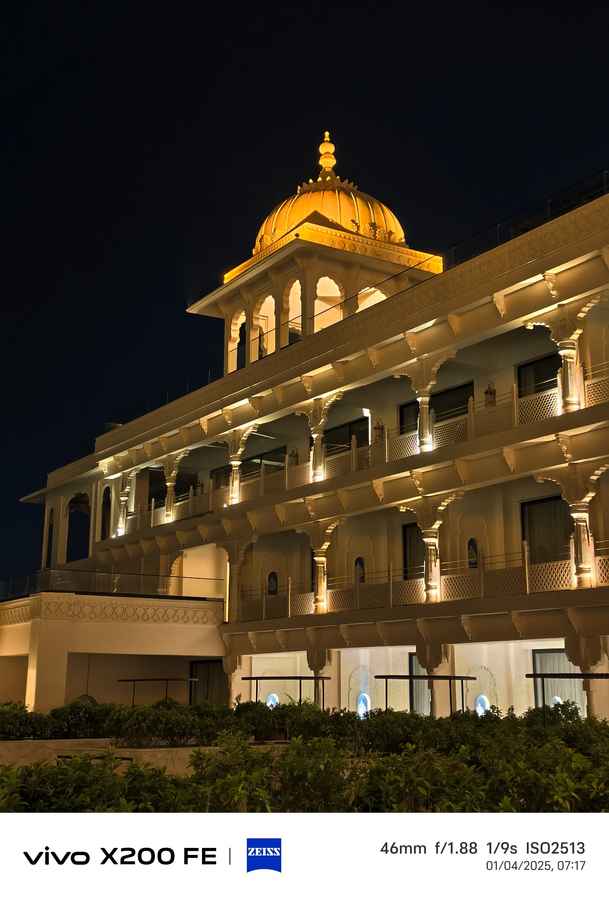
In daylight, the main sensor captures sharp, vibrant images with balanced exposure. Architectural shots preserve intricate lines and textures, while landscapes show a good amount of foreground detail. Colours lean slightly saturated: greens are punchy, skies are rich, but never unnaturally so. It’s tuned more for appeal than textbook accuracy, which makes sense for a device aimed at social media-heavy users.
Dynamic range is generally strong, especially in daylight. Most outdoor shots retain cloud texture and avoid clipping in shadows. In extremely high-contrast situations, some highlights still blow out or shadows crush, but for its price, the HDR performance is more than acceptable.
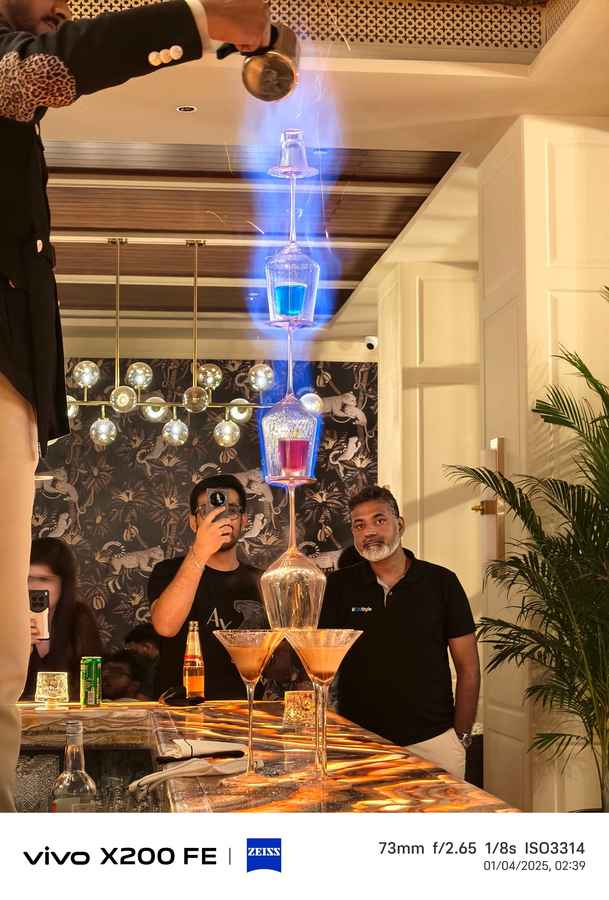
Where the X200 FE pulls ahead is in portrait and telephoto photography. Thanks to the ZEISS partnership, the portrait modes are some of the best we’ve seen at this price point. There’s a tangible sense of depth, strong subject separation, and a variety of ZEISS-style bokeh options (Biotar, Sonnar, Distagon, etc.) that actually make a visible difference. The 46mm to 85mm focal range hits the sweet spot for flattering human portraits, and skin tones remain natural, even in mixed lighting.
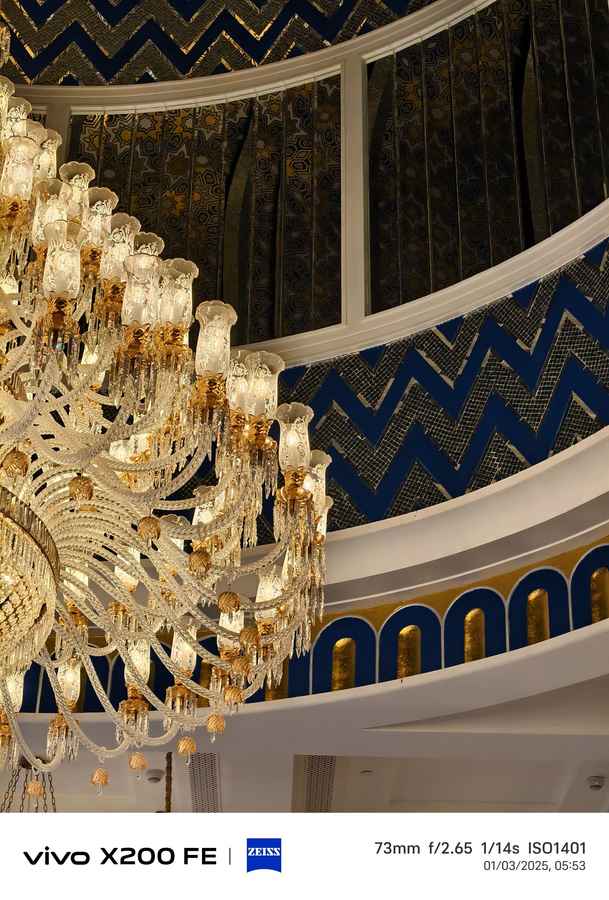
The telephoto camera is particularly impressive. At 243mm (10x hybrid), shots like the squirrel image demonstrate how well detail is preserved, even from a distance. This is supported by Vivo’s AI-enhanced zoom and stabilisation, which keeps handheld shots crisp even at 6x or 10x. If you’re into concert photography or even just isolating architectural elements, this setup holds up better than many pricier phones.
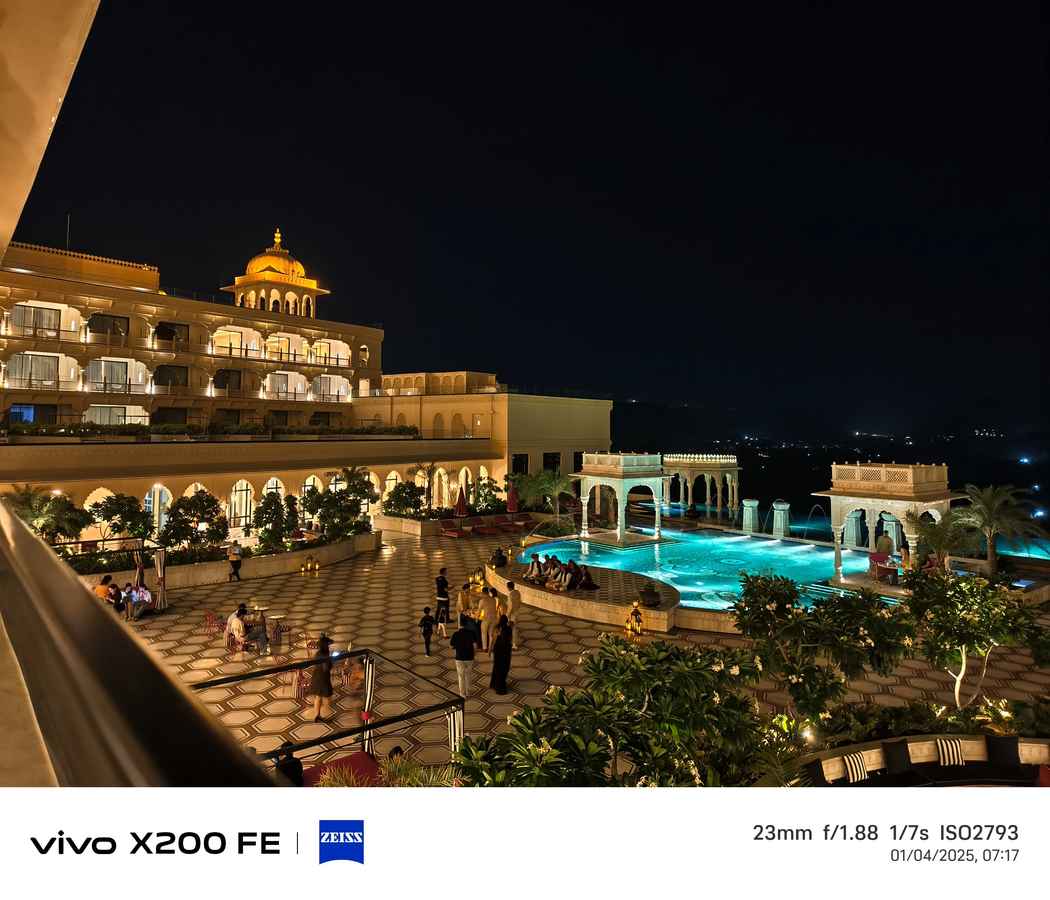
Low-light performance is equally commendable. Night shots retain colour accuracy and good tonal contrast. Noise is well-controlled, especially in the shadows, and the camera handles artificial light sources smartly, avoiding flares and blown highlights. The LED flash dubbed “Aura Light” further enhances this by adding adjustable fill light to portraits, particularly useful in dim interiors or for dramatic side-lighting in food shots.
The close-ups and macros are another strong suit. Whether it’s a plate of food or a flower, the X200 FE delivers a soft, natural bokeh and excellent texture rendering. The f/1.88 aperture on the main lens and f/2.65 on the telephoto allow for real optical blur, something often simulated (and noticeably so) on phones in this class.
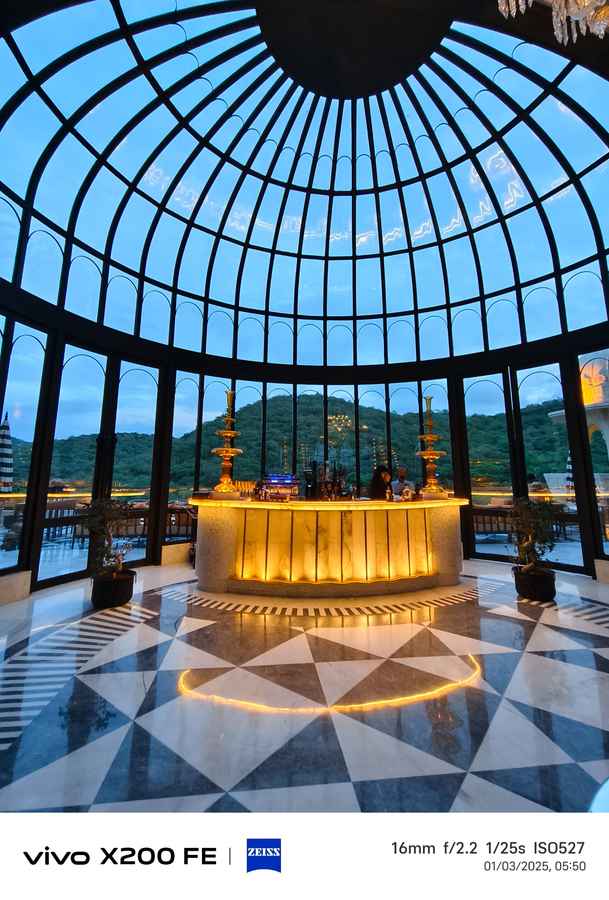
The ultrawide camera, at 16mm, is perhaps the least impressive of the trio but still decent. It’s useful for grand interiors and tight street scenes, and distortion is well-controlled. Just don’t expect the same sharpness or dynamic range as the main and telephoto sensors.
What elevates the experience beyond the hardware is Vivo’s software: Street Photography Mode, Film-style filters, ZEISS bokeh simulation, and powerful AI tools like Reflection Erase, Image Expansion, and Magic Move all add value, especially for casual creators who want to do more with their images without third-party apps or post-processing on PC.
Video & Front Camera Performance
The Vivo X200 FE handles video surprisingly well, especially for a phone that’s pushing imaging versatility in a compact chassis. The rear main camera supports up to 4K 60fps recording with optical image stabilisation (OIS) and electronic image stabilisation (EIS) working in tandem. The footage is clean, colours are punchy but controlled, and stabilisation is good enough for walk-and-talk vlogs or handheld pans without resorting to a gimbal.
Dynamic range in video is respectable, though high-contrast scenes can still show some highlight clipping. Audio capture is clear and stereo separation is decent, especially in interviews or ambient city footage. The telephoto lens can also be used for zoomed-in videos, and while 10x video zoom is digitally assisted, the output remains usable for casual recording.
In low light, Vivo’s processing avoids over-smoothing and retains texture in street scenes, though noise does increase noticeably at 4K.
The front camera, rated at 50-megapixel, performs well for both stills and video. It supports 4K 60fps, which isn’t common even in higher-end devices. Selfie videos look sharp, and Vivo’s face tracking plus subtle beauty filters make it ideal for content creators who record themselves often.
There’s also AI noise suppression for video calls and decent dynamic range in selfie stills, even with bright backgrounds. The bokeh in front camera portrait mode is software-generated but accurate enough to pass for natural depth in most lighting conditions.
In short, the Vivo X200 FE feels like a proper camera phone that just happens to be compact. It covers all the basics well and brings some advanced capabilities like strong telephoto and low-light portrait work, that are rare at this size and price.
The X200 FE doesn’t disrupt the flagship formula, it distills it. And in doing so, it doesn’t just fit in your hand, it fits your life. At Rs 54,999, the X200 FE brings together a high-end processor, a genuinely compact design, excellent thermal management, versatile ZEISS-powered cameras, and one of the best battery performances we’ve seen in this segment. Add to that a 1.5K OLED display that’s both colour-accurate and bright enough for harsh outdoor use, and you’ve got a device that nails the fundamentals while still finding room for a few surprises.
Its biggest win, however, is focus. This isn’t a phone trying to be everything for everyone. It’s made for users who want power without bulk, pro-grade cameras without carrying extra gear, and a clean, durable design without flashy compromises.
Sure, it lacks some bells and whistles like wireless charging, and the ultrawide camera could be sharper. But none of those feel like dealbreakers when the core experience is this solid.
For professionals, creators, or anyone tired of oversized flagships that barely fit into their life or pockets, the Vivo X200 FE is one of the most complete, thoughtfully built compact Android phones available today.
More importantly, it doesn’t suffer from the typical “FE” syndrome, there’s no obvious cost-cutting or corner-skipping here. If you’re looking for something sleek, fast, and genuinely reliable, this one deserves your shortlist.