The Vivo V-series has always been known for its camera and design. Every generation takes the design quotient up a notch and features camera upgrades. With the Vivo V70, that focus hasn’t changed. What has changed, though, is how balanced the phone feels overall. After using the Vivo V70 as my primary device for two weeks, it’s clear that this is no longer just a ‘camera phone’ with compromises around it. It feels far more rounded than previous V-series devices. During my time with the Vivo V70, I also spent time comparing it with another phone offering almost identical hardware on paper, just to understand where Vivo’s tuning makes a difference. And that’s exactly what this review focuses on: how the Vivo V70 performs when you actually live with it, beyond the spec sheet. Let’s dive in.
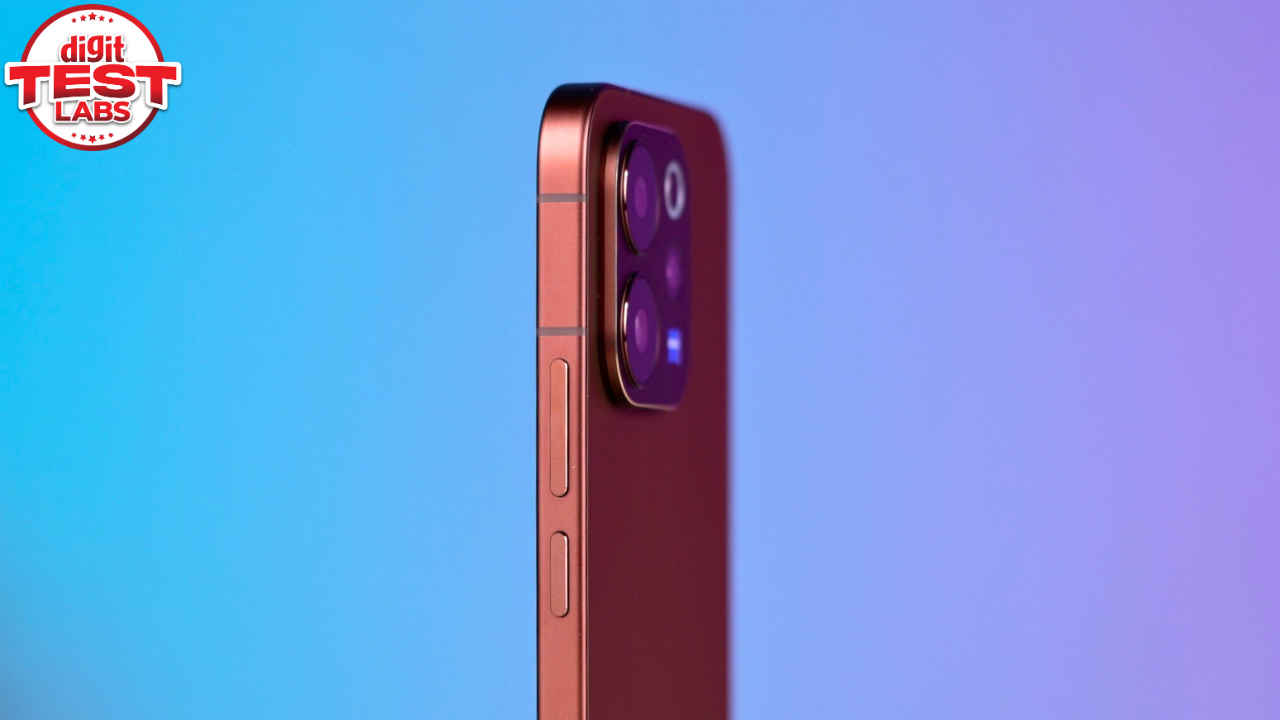
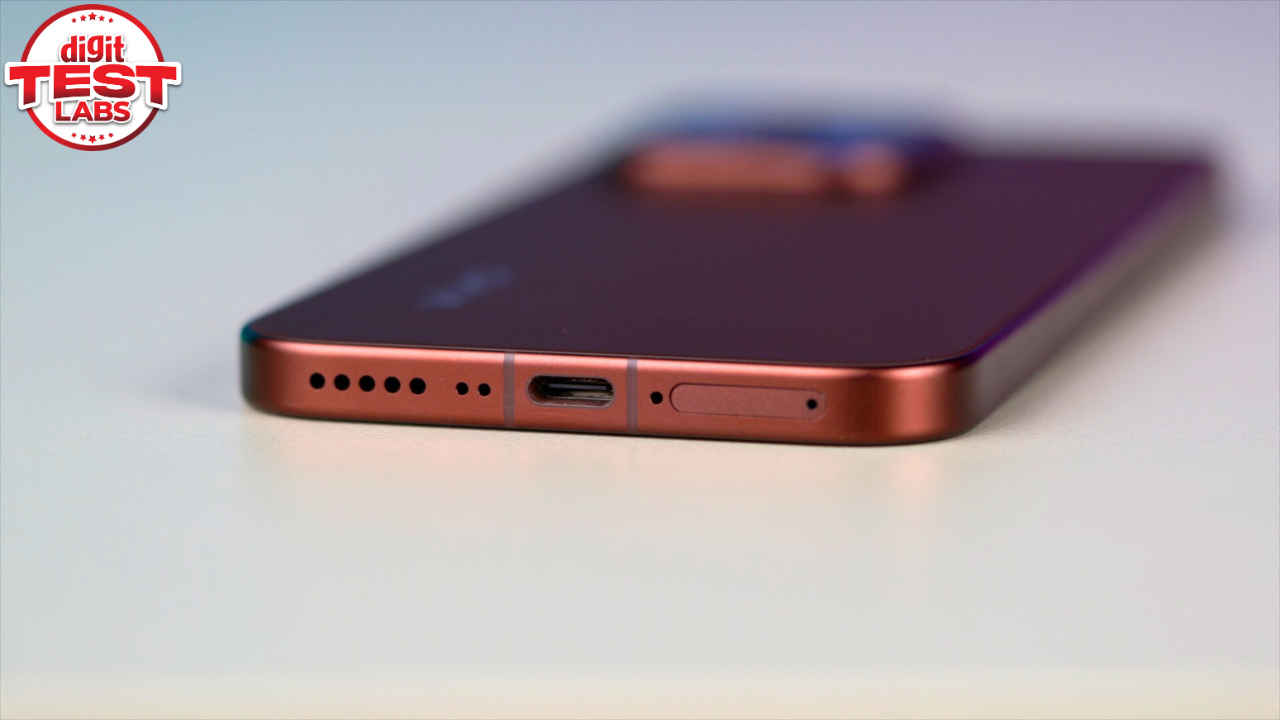
The Vivo V70 looks clean and understated, but there’s enough personality here to keep it from feeling boring. I used the Passion Red colour variant, and depending on how light hits the glass back, it subtly shifts shades, which looks genuinely premium. The phone uses a glass back and comes in at just 7.59mm thickness, which is impressive considering the massive battery packed inside.
At 194 grams, it’s not the lightest phone around, but the weight distribution is done well, so it never feels top-heavy or uncomfortable during long usage sessions. That said, the matte glass back does make the phone slippery, so using the included case is something I’d strongly recommend.
Durability is a strong point here. The Vivo V70 comes with IP68 and IP69 ratings, which means it can handle water, dust, and even high-pressure water exposure. You also get a 3D ultrasonic fingerprint scanner, which is faster and more reliable than optical scanners, especially when your fingers are slightly wet.
One small annoyance is that the phone wobbles a bit when placed flat on a table due to the camera bump, but again, you can fix it by using the phone cover.
The Vivo V70 comes with a 6.59-inch 1.5K AMOLED display with a 120Hz refresh rate, and while that might not sound headline-grabbing on paper, the actual tuning here is very well done. The panel uses a P3 wide colour gamut, has a pixel density of 459 PPI, and Vivo claims a local peak brightness of up to 5,000 nits.
To understand how good this display actually is, I ran it through our Digit Lab tests. In the Calman colour accuracy test, the Vivo V70 recorded an average Delta E of 1.1, which is already very good and indicates accurate colour reproduction. In the colour gamut test, the phone covered 99.1 % of the colour space, which explains why content looks rich without appearing oversaturated.
In the brightness test, the Vivo V70 peaked at around 3,160 nits, and in real-world usage, outdoor visibility is excellent. Even under direct sunlight, the display remains readable and comfortable to use.
However, what really matters is how the screen performs in daily usage. With the display set to natural colour mode, the Vivo produces vibrant yet controlled colours, making it great for watching content.
I watched Dark on Netflix, and shadow details, contrast, and colour consistency were handled really well. This is one of those displays that quietly impresses the more you use it, especially for media consumption.
The Vivo V70 is powered by the Snapdragon 7 Gen 4 chipset, paired with 8 GB LPDDR5X RAM and 256 GB UFS 4.1 storage. In daily usage, the phone feels smooth and responsive. App launches are quick, multitasking is reliable, and I didn’t face any noticeable lag or stutter during regular usage.
I also ran a full set of benchmarks to see how it performs. On Antutu, the Vivo V70 scored around 1.43 million. In Geekbench, it recorded 1,078 in the single-core and 2,901 in the multi-core. In the CPU throttling test, the phone maintained around 93% stability, which shows that sustained performance is handled well. In the 3DMark Wild Life Extreme benchmark, the device achieved an overall score of 1,506.
For gaming, I tested BGMI and Call of Duty Mobile. In BGMI, the Vivo V70 supports gameplay at up to 60fps, and the experience was stable with minor frame drops. In Call of Duty: Mobile, the phone can go up to 90fps, and again, performance remained smooth. That said, at this price point, some competitors are already offering 120fps support in both BGMI and CODM, so if gaming is your top priority, that’s something worth keeping in mind.
Overall, performance on the Vivo V70 is solid and reliable, but it’s clearly tuned more for consistency than pushing extreme frame rates.
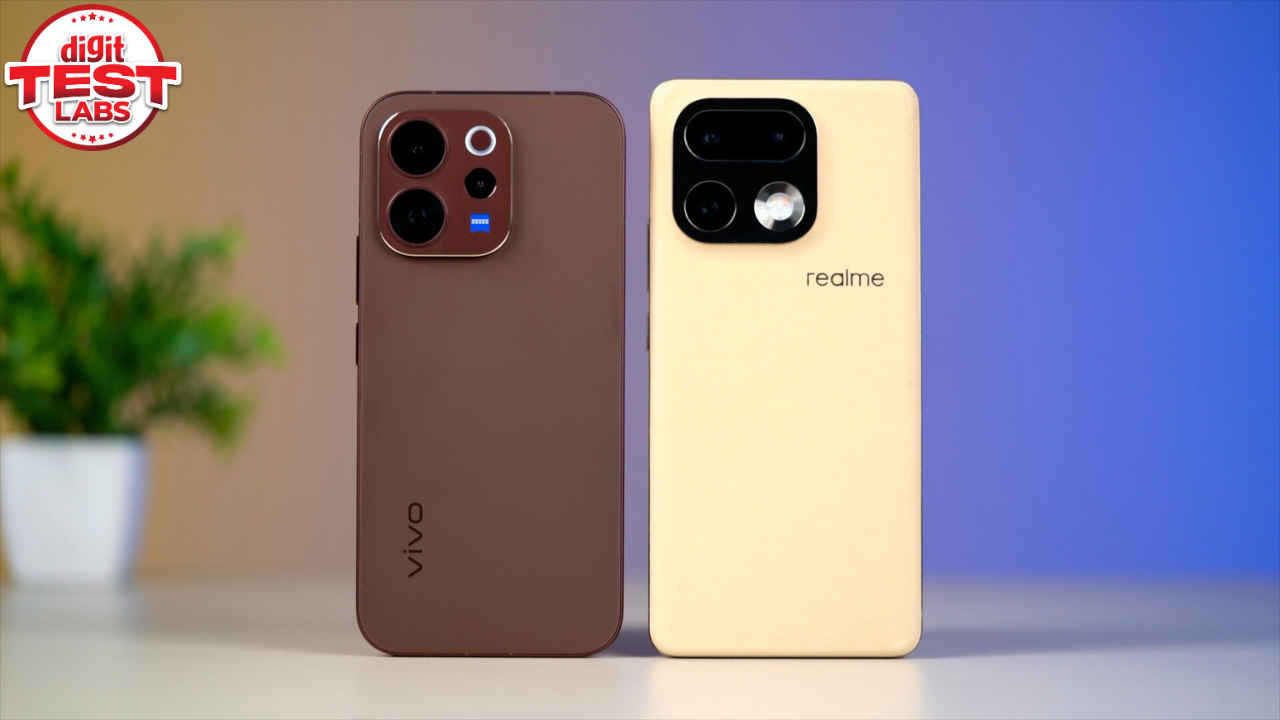
The Vivo V70 is clearly a camera-focused phone, and to understand how good it really is, I compared it directly with the Realme 16 Pro Plus. The reason for this comparison was simple, both phones use almost similar hardware specifications, run on the same processor, and target users who care about photography in the mid-range segment.
The Vivo V70 comes with a triple camera setup featuring a 50MP OIS main camera, an 8MP ultra-wide camera, and a 50MP OIS telephoto camera, all tuned in collaboration with Zeiss. The Realme 16 Pro Plus, on the other hand, offers a 200MP main camera, an 8MP ultra-wide camera, and a 50MP telephoto lens.
On the main camera, the Realme’s 200MP sensor clearly shows its strength when it comes to details. In one picture, you can easily see the wall texture more clearly on the Realme 16 Pro Plus. In another photo, if you check the floor, the Realme captures finer details on the surface. The Vivo, however, tends to add a bit more blue to the sky and slightly punchier colours overall.
Camera samples in the top row are shot on the Vivo V70, with the bottom row featuring images taken on the Realme 16 Pro Plus.
When it comes to human subjects, while the Realme does capture good detail, the Vivo’s photos look more appealing and more social-media ready straight out of the camera.
Portraits are where the Vivo V70 really pulls ahead. Portrait shots from the telephoto lens look excellent. In one sample, you can see that the Realme was not able to capture hair strands properly. In another image, the subject looks more like a cutout on the Realme, while the Vivo absolutely nailed the shot with better edge detection and natural separation.
In low-light photography, after taking multiple samples, the Vivo V70 consistently captured more detail and better exposure compared to the Realme 16 Pro Plus. The difference is clearly visible in the images.
Ultra-wide performance is also better on the Vivo, even though both phones use 8MP sensors. The Realme tends to soften images, while the Vivo manages to retain more detail.
On the front, both phones feature 50MP selfie cameras. In normal mode, the Realme adds a bit more brightness to faces, but its portrait mode has better edge detection.
For video, both phones support recording up to 4K at 60fps, and the output is decent but not class-leading.
Despite being just 7.59mm thin, the Vivo V70 packs a large 6,500mAh battery, and that combination works really well in real-world usage. On moderate to heavy use, the phone easily lasts a full day, and with lighter usage, stretching into the second day isn’t difficult.
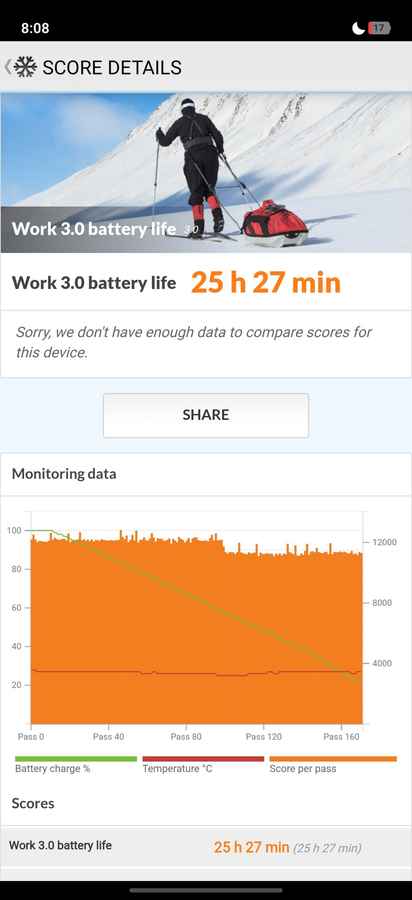
To put a number on this, I ran the PCMark battery test, and the Vivo V70 scored an impressive 25 hours and 27 minutes. That’s a strong result, especially considering the phone’s slim profile and relatively compact size compared to other big-battery phones.
Charging is another highlight. The Vivo V70 supports 90W fast charging and goes from 0 to 100% in about 60 minutes. Given the battery size, that charging speed makes the phone very convenient for daily use, especially if you’re someone who tops up quickly before heading out.
The Vivo V70 runs OriginOS 6 based on Android 16 out of the box. The UI feels smooth, fluid, and visually clean, with plenty of customisation options. While there is some pre-installed bloatware, most of it can be removed, and the overall experience remains fast and stable.
Vivo is promising four years of Android updates and six years of security patches, which is reassuring for long-term users and puts the V70 ahead of many competitors in this segment.
The Vivo V70 is a phone that knows exactly what it wants to be: a camera-first smartphone that no longer forces you to compromise elsewhere. It delivers excellent portrait photography, reliable low-light performance, a vibrant display, strong battery life, and fast charging, all wrapped in a slim and premium design.
It may not score the best benchmark scores or feature the most aggressive specs, but in real-world usage, it feels polished, dependable, and thoughtfully tuned. On top of everything, the phone looks gorgeous and is definitely going to appeal to users who value design and aesthetics. If your priority is photography and a well-rounded daily experience, the Vivo V70 is one of the strongest options you can buy right now.