I have been using Samsung smartphones since the brand dropped the Galaxy S4 Mini, and over the years, I have upgraded through some of its flagship – from Galaxy S8 to Galaxy S20 and most recently the Galaxy S23 Plus. What kept me loyal is Samsung’s knack for delivering a perfect blend between powerful hardware, polished software and everyday ease of use.
That’s not all, over the years, Samsung has also built an entire ecosystem with its A, M, and F series across different price segments, but there was always a gap- a device that carries flagship traits without the flagship price tag. And in 2020, Samsung finally stepped in with the FE lineup and here we are in 2025 with the latest addition: the Samsung Galaxy S25 FE.
And this time, the Samsung fanboy in me- who once only aspired to own every flagship, finally gets to put the new S25 FE through its paces. Here’s my honest take on whether Samsung’s latest FE still nails that perfect blend of value and performance.
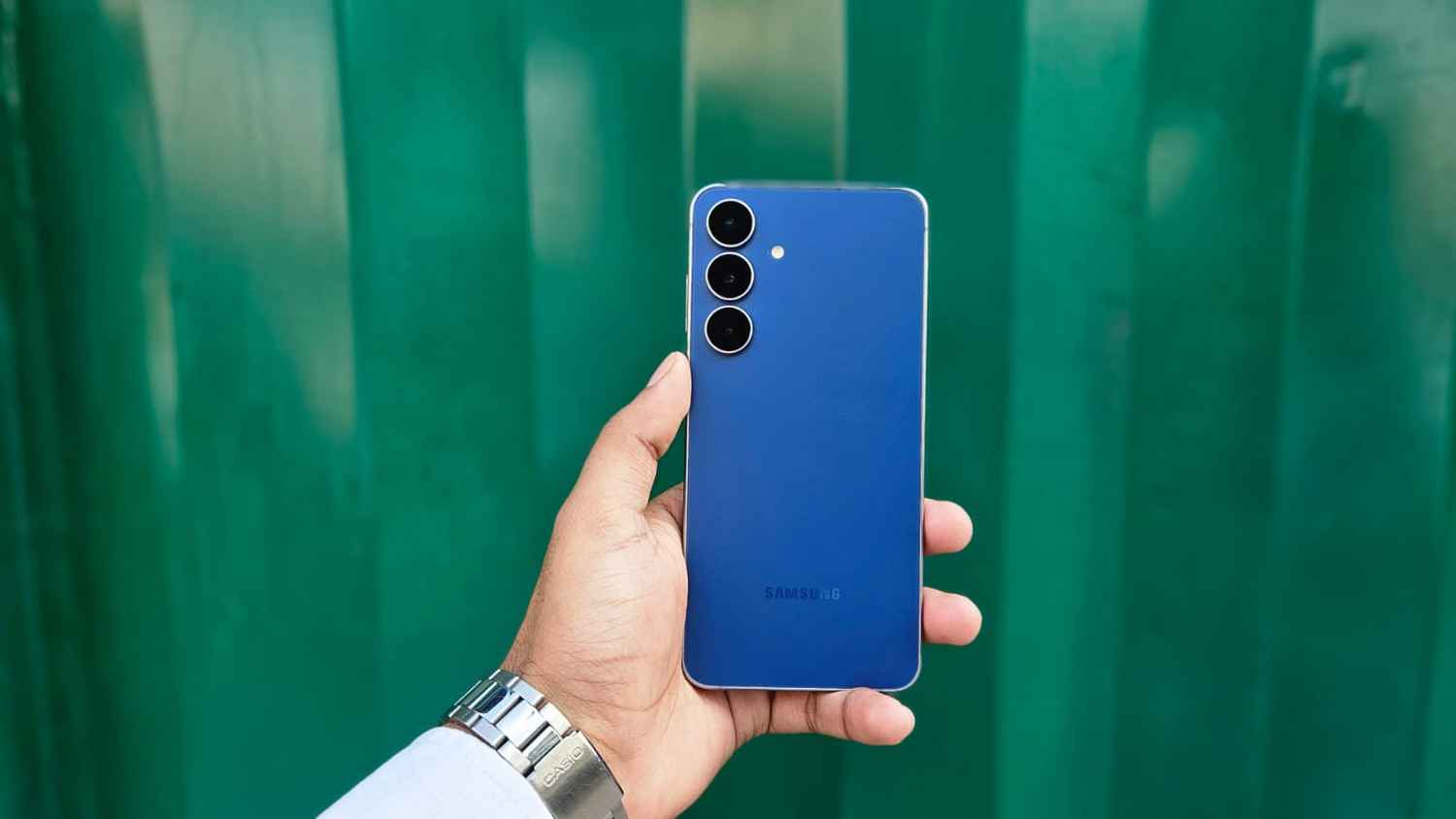
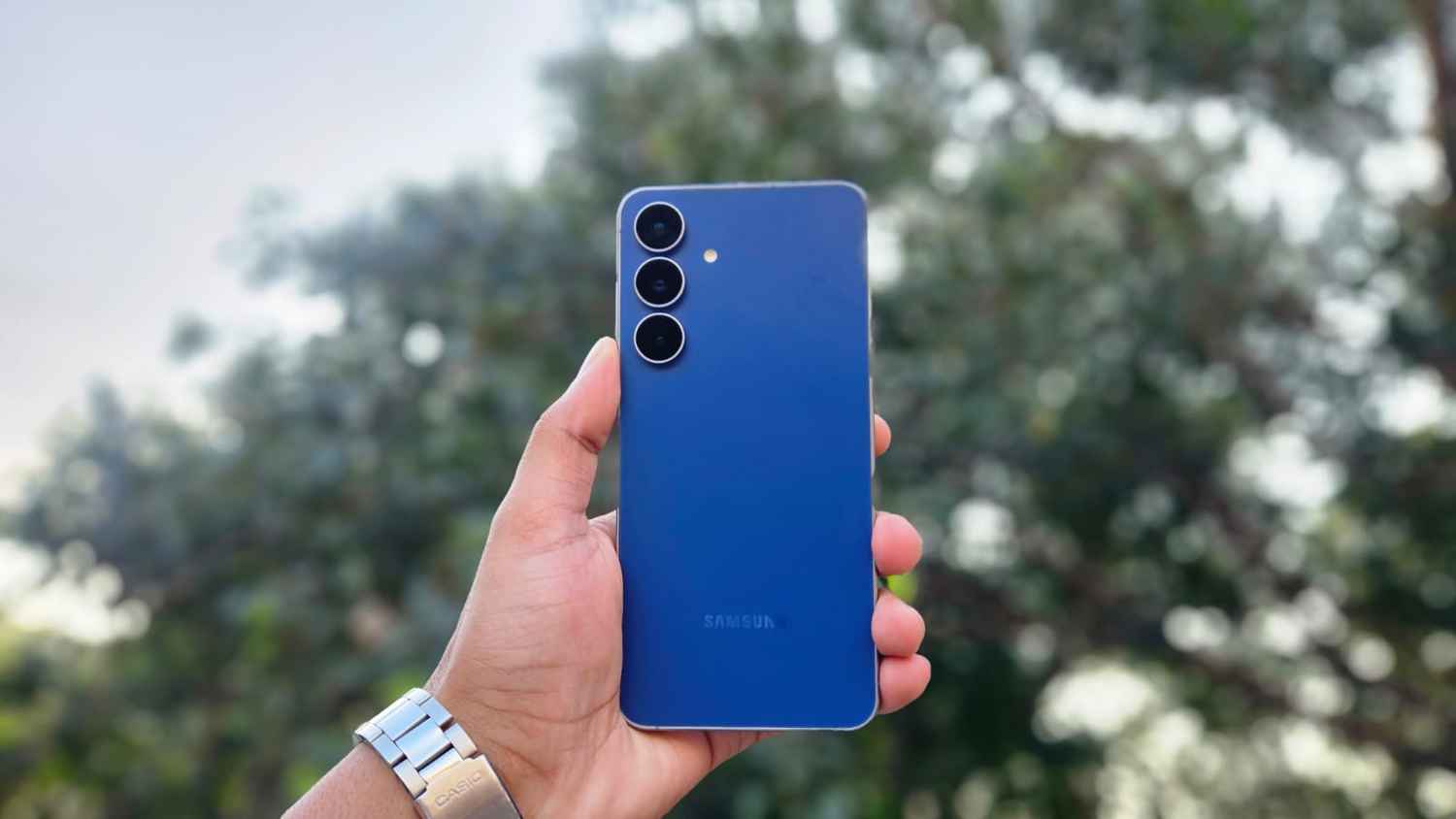
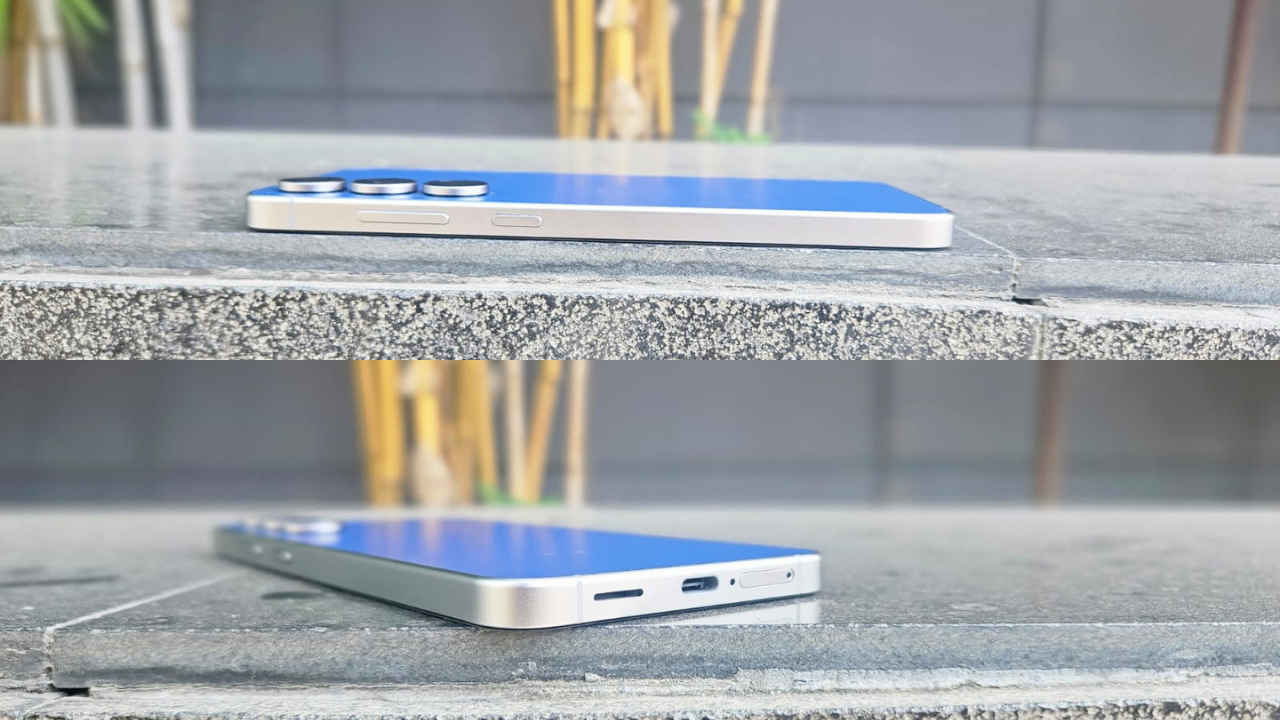
The Galaxy S25 FE carries forward design signature Samsung’s flagship lineup. Both the front and back are protected by Corning Gorilla Glass Victus Plus, while the frame uses the same enhanced Armor Aluminium found on the S25 and S25 Plus. It also keeps the IP68 rating, which has now become standard in this segment.
At 190 grams, the phone is lighter than the S24 FE, and that difference is noticeable in day-to-day handling. The slimmer weight makes it easier to use for longer stretches without feeling bulky.
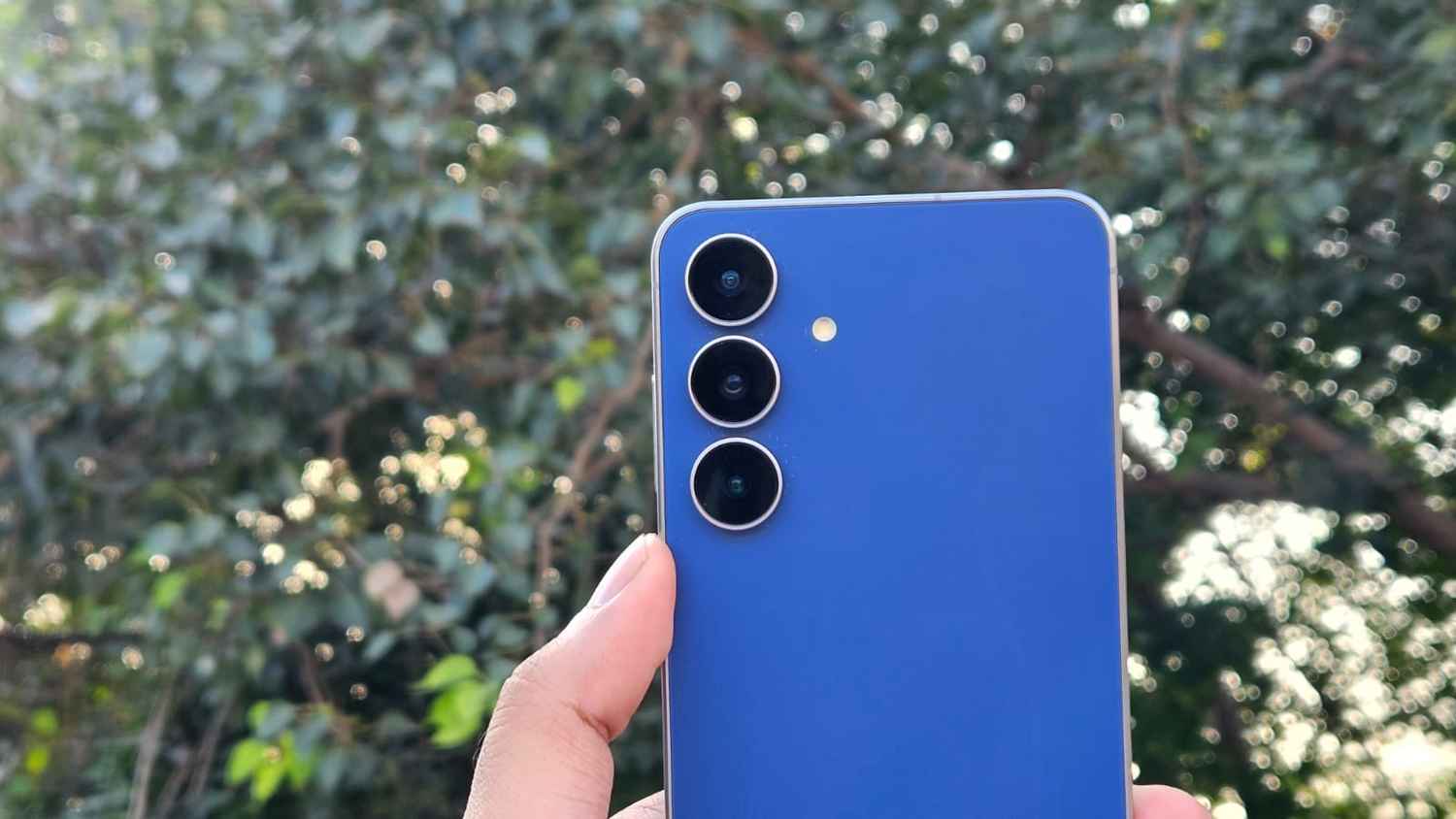
Samsung offers the device in three shades: Navy, White, and Jet Black. We tested the Navy option, and while colour choice is subjective, it does stand out with a slightly more striking matte finish compared to the usual safe tones. The aluminium frame offers decent grip, though the overall in-hand feel is more about familiarity than surprise.
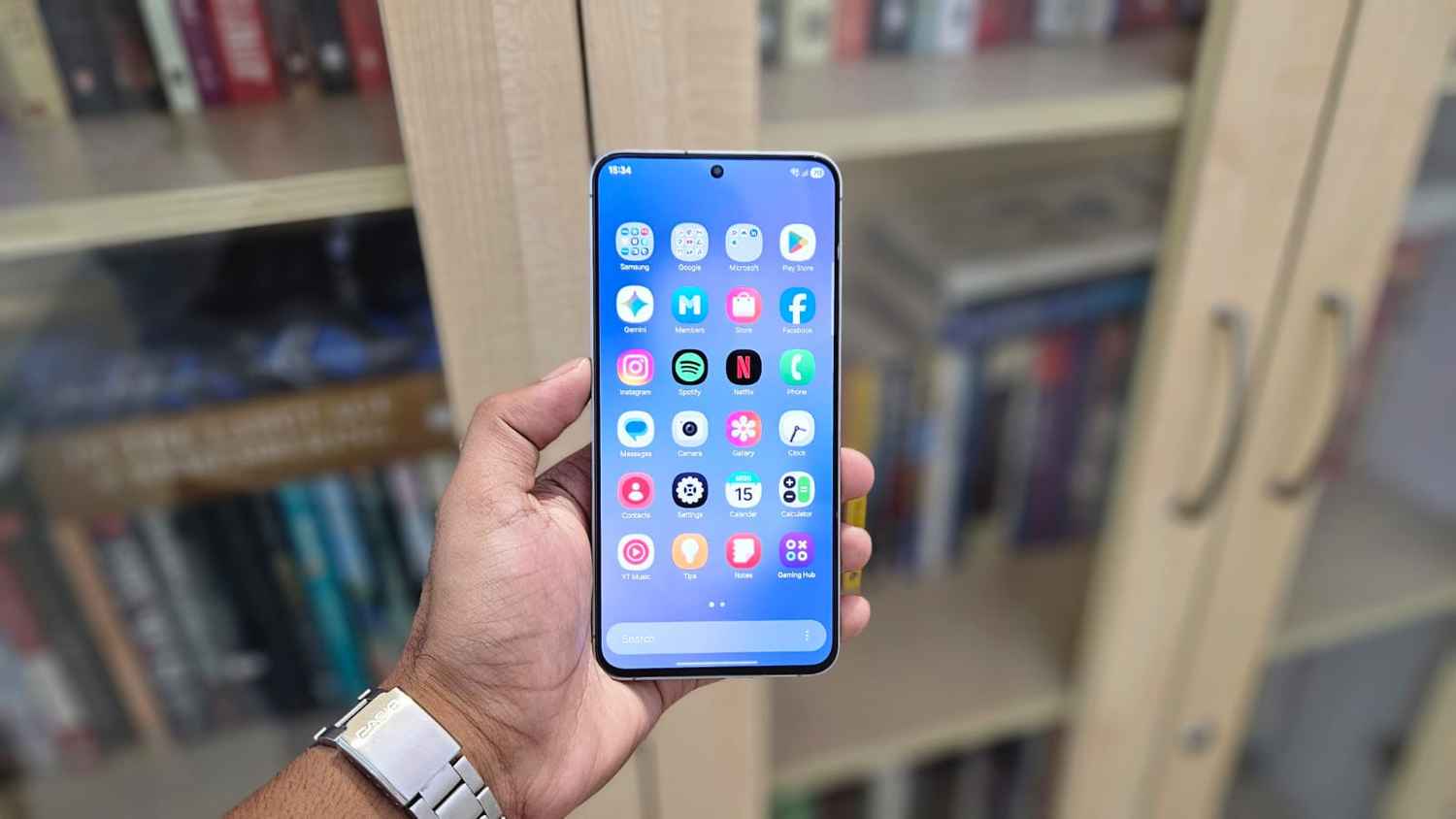
On the front, the 6.7-inch panel remains unchanged, and while the bezels are still present, they don’t feel intrusive enough to take away from the overall look.
If there’s one area where Samsung rarely disappoints, it’s displays- and the Galaxy S25 FE continues that tradition. The phone now comes with a 6.7-inch LTPO AMOLED panel running at a 120Hz refresh rate, and at first glance, it checks almost every box you’d expect from a device with Samsung’s display DNA.
Our Calman tests with the SpectraCal C6 HDR2000 colorimeter gave an average DeltaE of only 1.5 (anything less than 2 is considered excellent), with a peak error of 2.8, indicating that colours appear strikingly accurate to the human eye. Add to that 99.7% gamut coverage and infinite contrast from the OLED panel, and you’ve got a screen that’s nearly professional-grade. In practical terms, the S25 FE’s 6.7-inch AMOLED display strikes the perfect balance between punchy, vibrant visuals and accurate colour accuracy.
In our brightness test, the panel hit an impressive 1950 nits peak brightness, which puts it right up there with some of the best in the segment. This means outdoor visibility is excellent, even under direct sunlight, the screen remains legible and vibrant.
That said, there’s a small caveat: the resolution tops out at FHD+. At this price point, QHD+ resolution would have been the icing on the cake, but Samsung makes up for it by packing in HDR10+ support. This makes a noticeable difference when streaming on Netflix or YouTube, where high dynamic range content looks vivid and immersive.
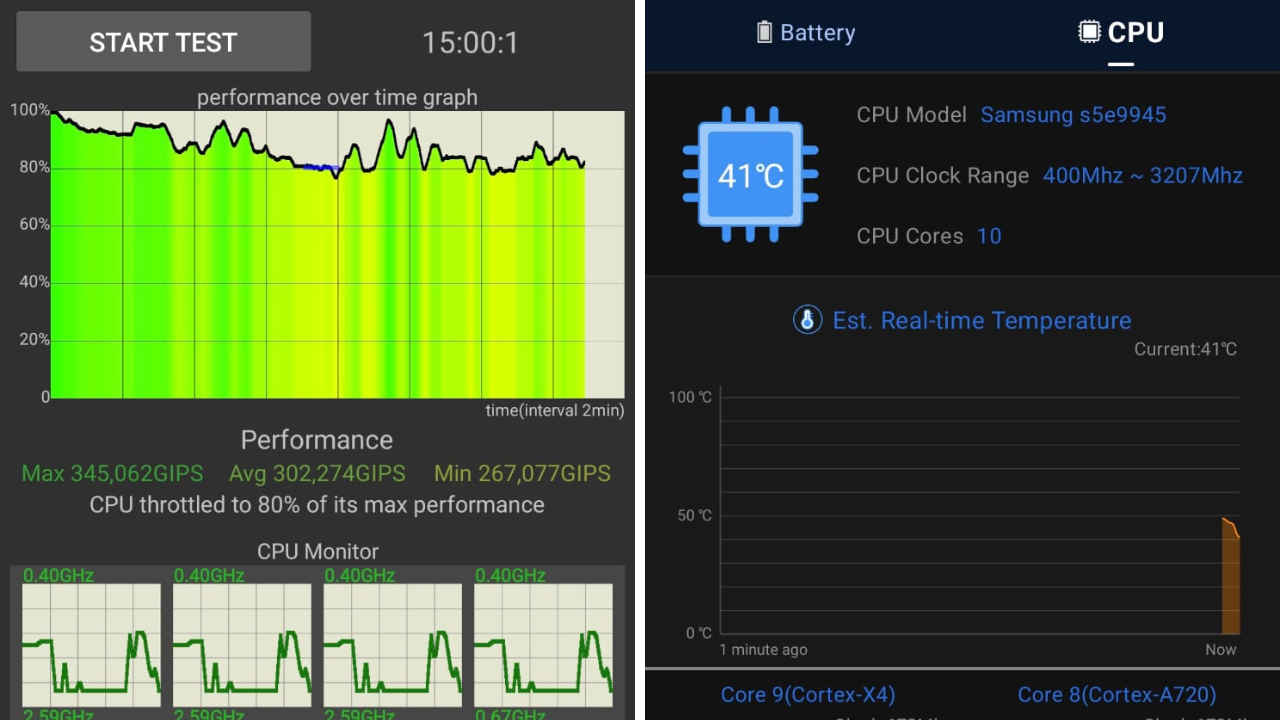
Samsung has given the Galaxy S25 FE a good upgrade by switching to the Exynos 2400. On paper, that means a 10-core CPU (deca-core) with one heavyweight Cortex-X4 core running at 3.2GHz for raw power, a cluster of Cortex-A720 cores for balanced performance, and Cortex-A520 efficiency cores to handle lighter tasks without draining the battery. The phone is designed to balance brute force with efficiency, depending on what you’re doing.
In everyday use, this approach pays off. Even if you are doomscrolling through social media, taking pictures on the go or juggling through demanding apps, the S25 felt pretty smooth. The kind of lag, which we are used to in premium mid-range phones is absent.
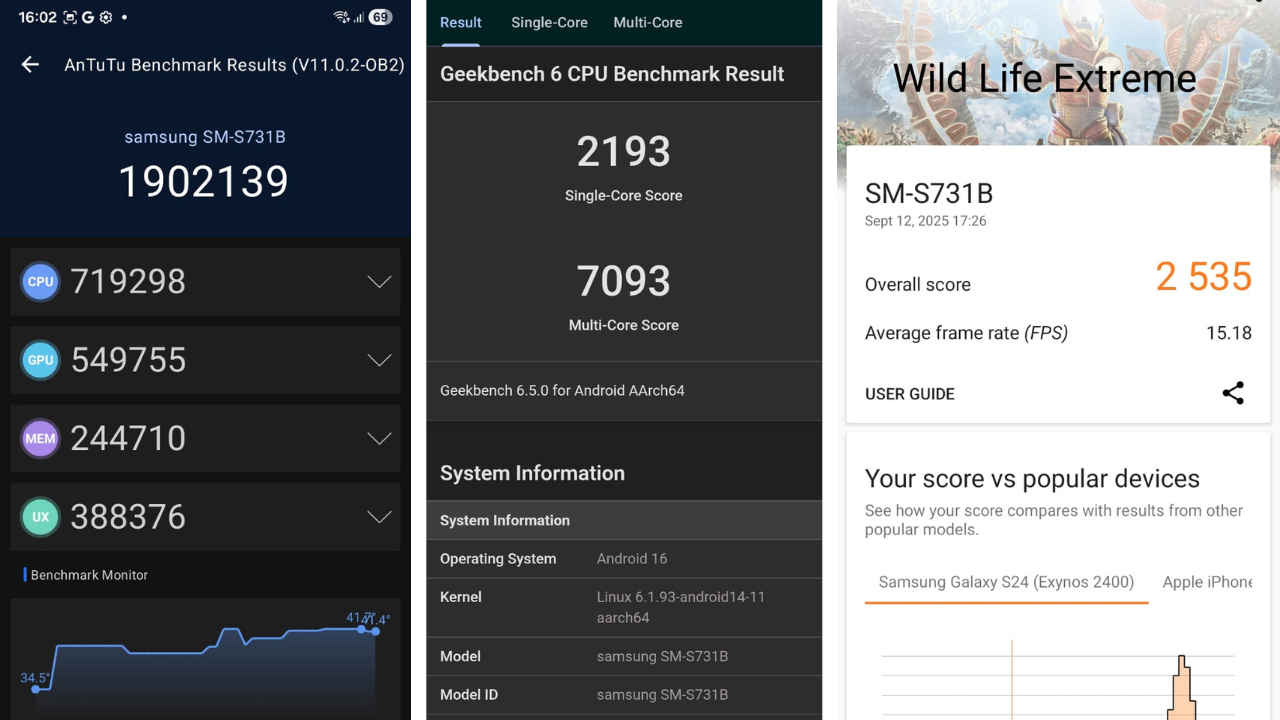
When pushed through benchmarks, the results back up that feeling. The phone scored 1,902,139 on AnTuTu, 2,193 (single-core) and 7,093 (multi-core) on Geekbench, 2,535 on 3DMark WildLife Extreme, and 13,856 on PCMark Work 3.0. These aren’t record-breaking numbers compared to some Snapdragon-driven rivals, but Samsung’s optimisation ensures the S25 FE doesn’t fall behind in real-world experience.
The CPU throttling test revealed the device retained around 80% of peak performance under sustained load, which is a respectable showing. That said, thermal managment is an area of concern, during stress testing, the phone warmed up to nearly 50°C. The silver lining is that it cooled down fairly quickly, thanks to a vapour chamber that’s about 13% bigger than the one in last year’s S24 FE.
Another good thing is that the device ships with Android 16 based One UI 8 straight out of the box and offers 7 years of OS and 7 years of security patches just like the flagship Galaxy S25 series.
In short, the Galaxy S25 FE doesn’t top the performance charts, but it nails the balance of smooth day-to-day usage, reliable gaming chops, and sustained efficiency-with just a touch of heat management to watch out for.
Yet another area where Samsung has delivered an upgrade compared to last year’s Galaxy S24 FE is the battery. The new Galaxy S25 FE now packs a 4,900mAh cell, an increase over its predecessor, while also trimming down the weight to 190g – that’s 23 grams lighter. The fact that Samsung managed to squeeze in a bigger battery while making the phone lighter is a win in itself.
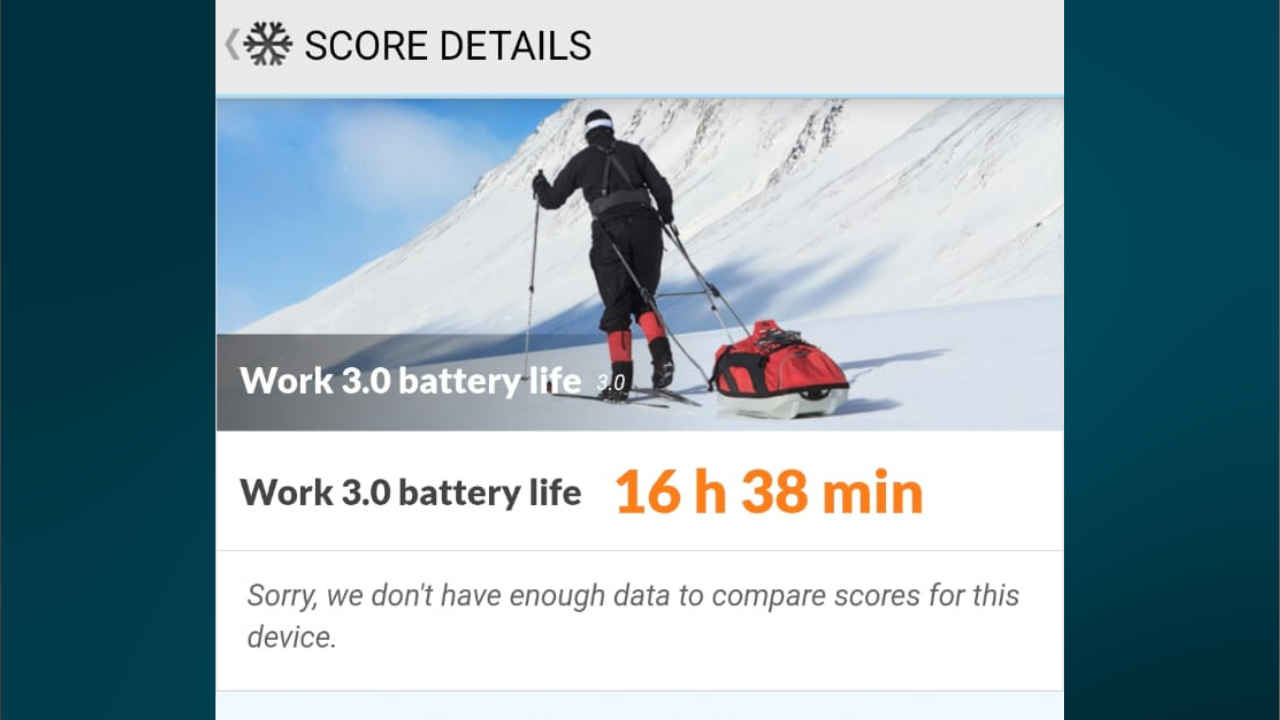
In our PCMark Battery Life test, the S25 FE managed 16 hours and 38 minutes. To put that into perspective, you’re comfortably looking at over a day and a half on moderate use, which makes it one of the more reliable performers in this price bracket.
Charging has also improved. With support for 45W wired charging and 15W wireless, the phone went from 0 to 100% in 1 hour and 8 minutes in our tests. While it may not match the blazing speeds of some Chinese competitors, it’s more than fast enough for daily use and a noticeable step up from the S24 FE.
The Samsung Galaxy S25 FE comes with a triple-lens setup comprising a 50MP primary sensor with OIS, a 12MP ultra-wide, and an 8MP telephoto lens offering 3x optical zoom, 2x adaptive pixel zoom, and up to 30x digital zoom. On the front, a 12MP sensor handles selfies and video calls.
In real-world use, daylight photography is where the S25 FE shines. Images come out sharp with excellent detail retention, natural skin tones, and a pleasing bokeh effect that handles edge detection with surprising accuracy. Colours are vibrant without looking overly saturated, they pop just enough to stand out on social media feeds, which is clearly the target audience.
Low-light performance is equally impressive. Thanks to improved processing, the S25 FE captures enough light to maintain detail and balanced colours without too much noise. While I didn’t have the opportunity to test it in some aesthetic cityscapes, even casual night shots came out clean, bright, and well-detailed. The selfie camera is pretty impressive too.
The Galaxy S25 FE feels like Samsung’s fan edition formula has finally been refined to something better. The device bridges the gap between premium flagships and upper mid-range phones through a combination of thoughtful upgrades and a few calculated compromises. On the plus side, the device now gets a 6.7-inch LTPO AMOLED panel that competes with more expensive models, a larger 4,900mAh battery that lasts more than a day, and a versatile triple-camera setup that produces consistent results in both daylight and low light. Performance is also dependable thanks to the Exynos 2400, which is not the best in class but is well optimised for real-world use and is backed up by Samsung’s promise of seven years of updates.
However, the phone does show some heating under sustained loads and FHD+ resolution at this price point still feels like a missed opportunity. Battery and charging speed have been improved but still remains smaller and slower than what competitors offer.
That said, it would not be wrong to say that the Galaxy S25 FE delivers what it promises, a genuine flagship lite experience at a decent price point.