With the Realme 16 Pro, Realme has made an unexpected and somewhat confusing shift in its mid-range lineup. Instead of continuing with the Snapdragon chipset used in the Realme 15 Pro, the company has moved to the MediaTek Dimensity 7300 Max. It is a change that immediately sets the tone for what this phone is trying to be, especially since much of the rest of the hardware remains familiar, and in some cases, almost unchanged. Priced starting at Rs 31,999, the Realme 16 Pro positions itself in a highly competitive part of the market where expectations around performance, cameras and long-term value are naturally higher. This is also where the phone starts raising questions. While the focus this time is clearly on cameras rather than raw performance, the chipset choice feels like a step sideways, if not backwards, considering the pricing. Battery capacity, meanwhile, stays the same as its predecessor.
After using the Realme 16 Pro as a daily device for a while, the real question is not whether it is a good phone, but whether it justifies its asking price.
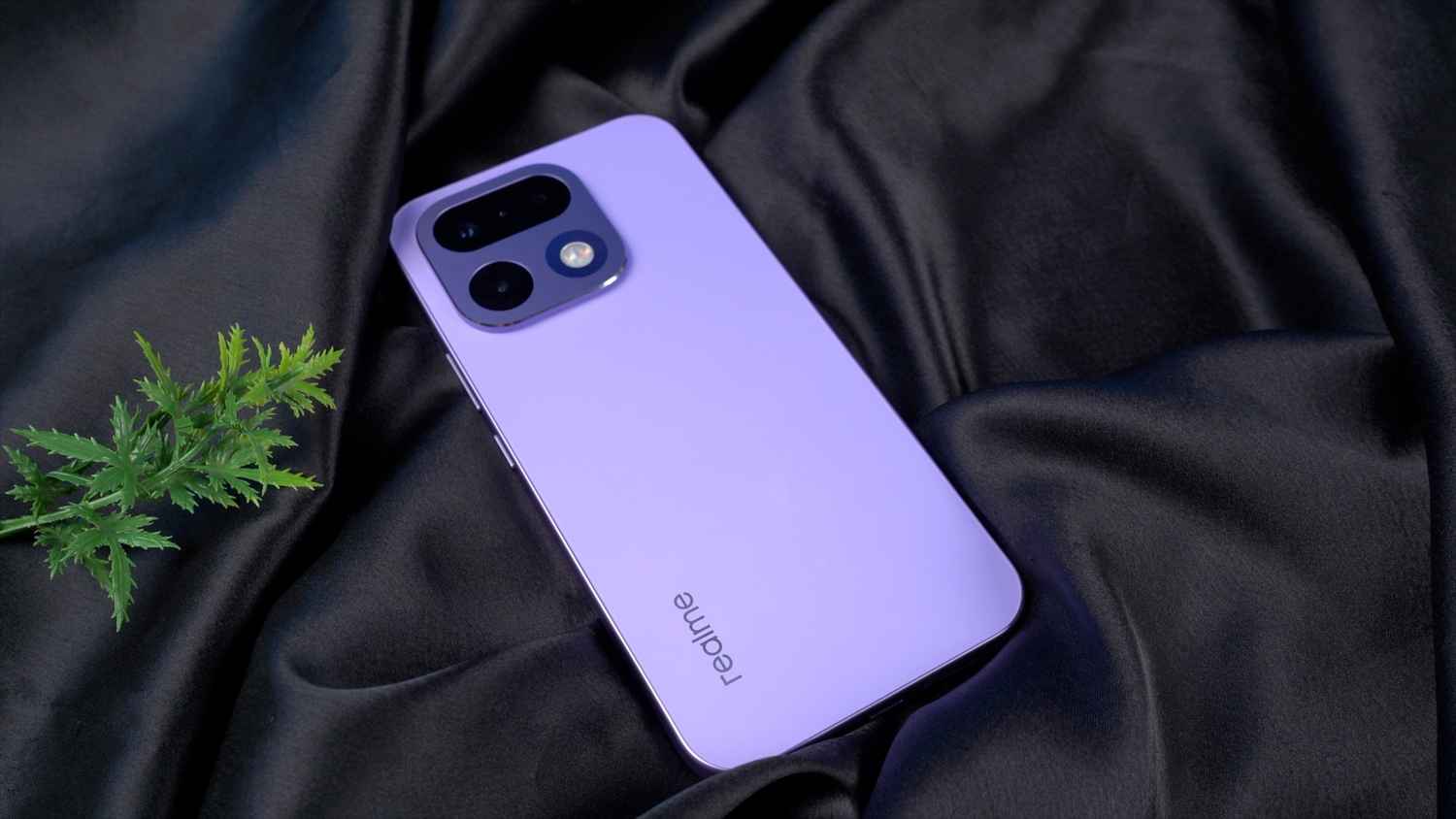
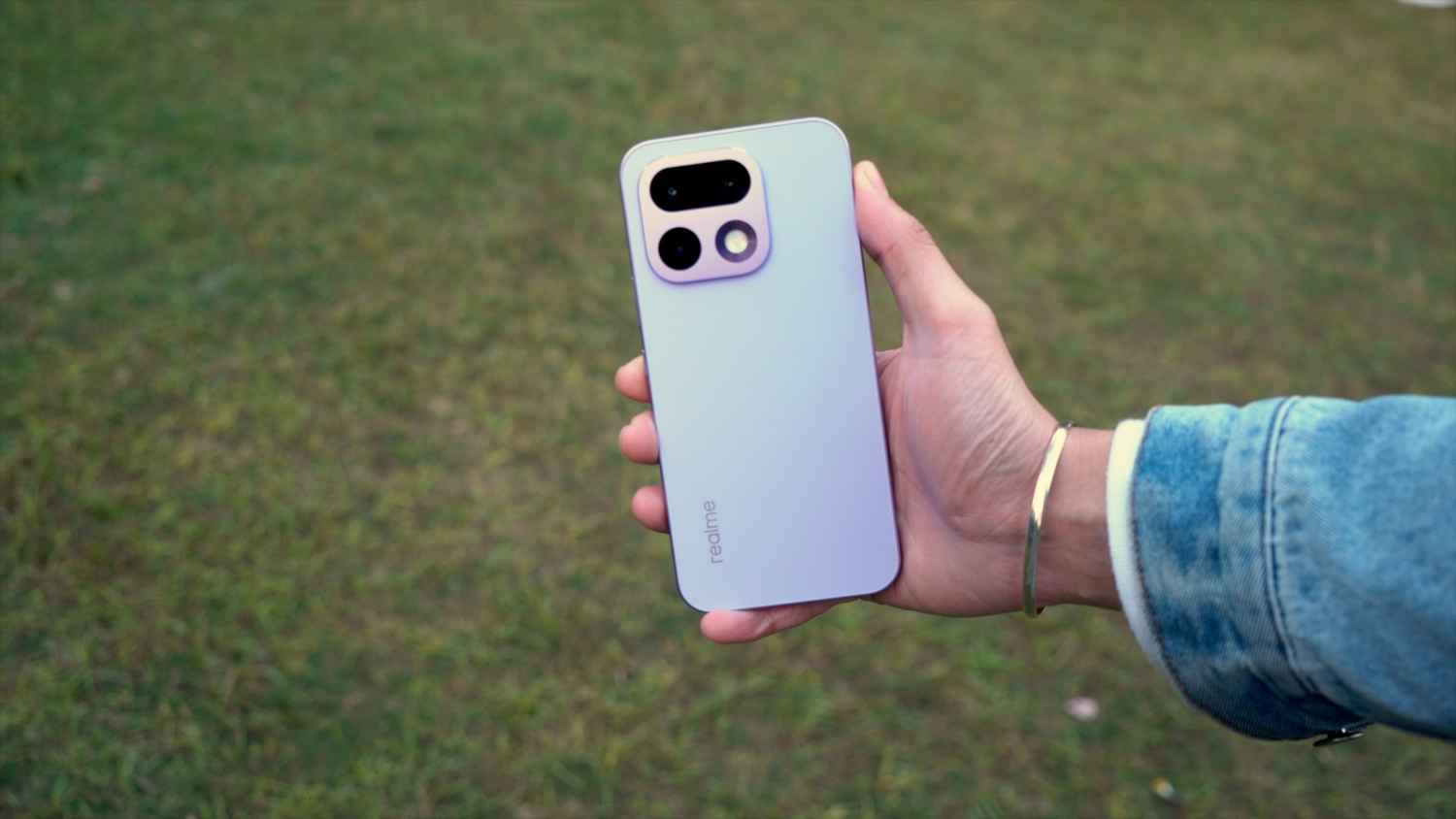
For the first time in the number series, Realme has collaborated with Naoto Fukasawa, and the overall aesthetic reflects that intent. The phone looks clean and measured rather than expressive. The camera module, however, feels familiar, borrowing cues from recent flagship designs rather than attempting something truly distinctive. This is not necessarily a flaw, but it does mean the phone blends in rather than standing out.
The Pulse Light found on the earlier Realme 15 Pro has been removed, and its absence does not feel like a compromise. The review unit I received came in Orchid Purple, a colour that avoids being loud or overly reflective. It looks restrained and practical, which suits the overall design direction.
The back panel is plastic, but the build quality feels solid enough. The power and volume buttons are tactile and responsive. Front bezels are slim, contributing to a modern look, though the phone itself is large. One-handed use is not particularly comfortable, especially during prolonged use. That said, the phone does not feel excessively heavy, which is notable given the battery capacity.
Durability is one area where Realme clearly pushes harder than most competitors. The Realme 16 Pro carries IP66, IP68, IP69 and IP69K certifications, offering protection against dust, full water immersion and even high-pressure water jets.
The phone includes stereo speakers that can be pushed to a 300% volume level. At maximum output, clarity drops, but loudness is not an issue. An IR blaster is also present, allowing the phone to control compatible household appliances. The fingerprint scanner works reliably, though its placement sits slightly lower on the display than ideal.
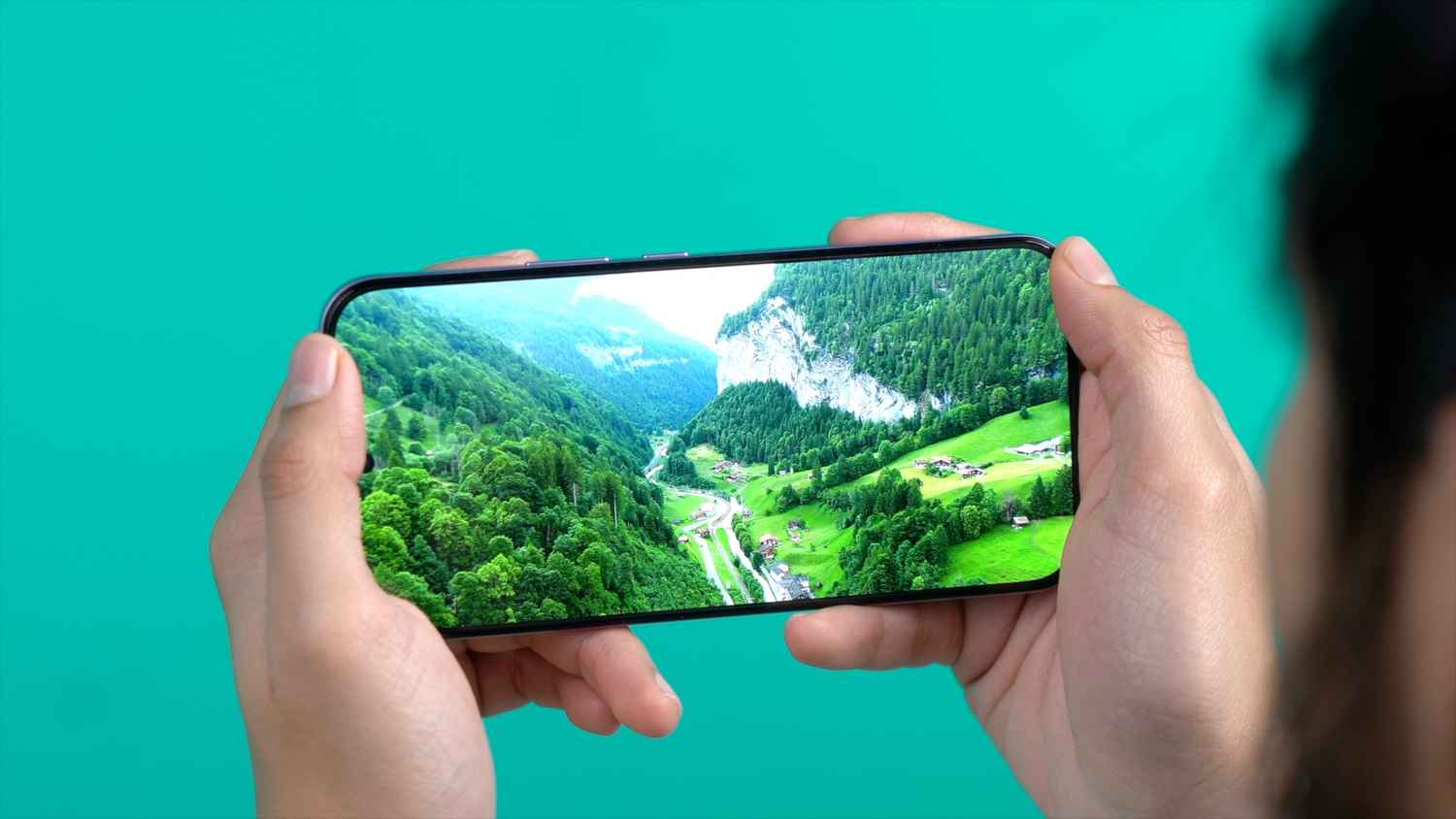
The Realme 16 Pro features a 6.78-inch 1.5K AMOLED panel with a 144Hz refresh rate. In daily use, the display feels fluid and responsive, particularly during scrolling and browsing. Motion handling remains smooth, and the high refresh rate is consistently maintained.
I tested the device in Vibrant colour mode. In this setting, colours appear punchy without looking artificially boosted, and viewing angles remain stable. Long viewing sessions, including streaming content, do not reveal obvious shortcomings.
In display testing, the panel recorded an average Delta E of 1.7 in Calman colour testing, with 96% colour gamut coverage. These figures are acceptable for the segment, though they do not quite match class-leading panels that prioritise accuracy over saturation.
Realme claims a peak brightness of 6,500 nits and 1,400 nits in high-brightness mode. In testing, the panel reached approximately 2,620 nits. This is more than sufficient for outdoor visibility and ensures comfortable use even under direct sunlight.
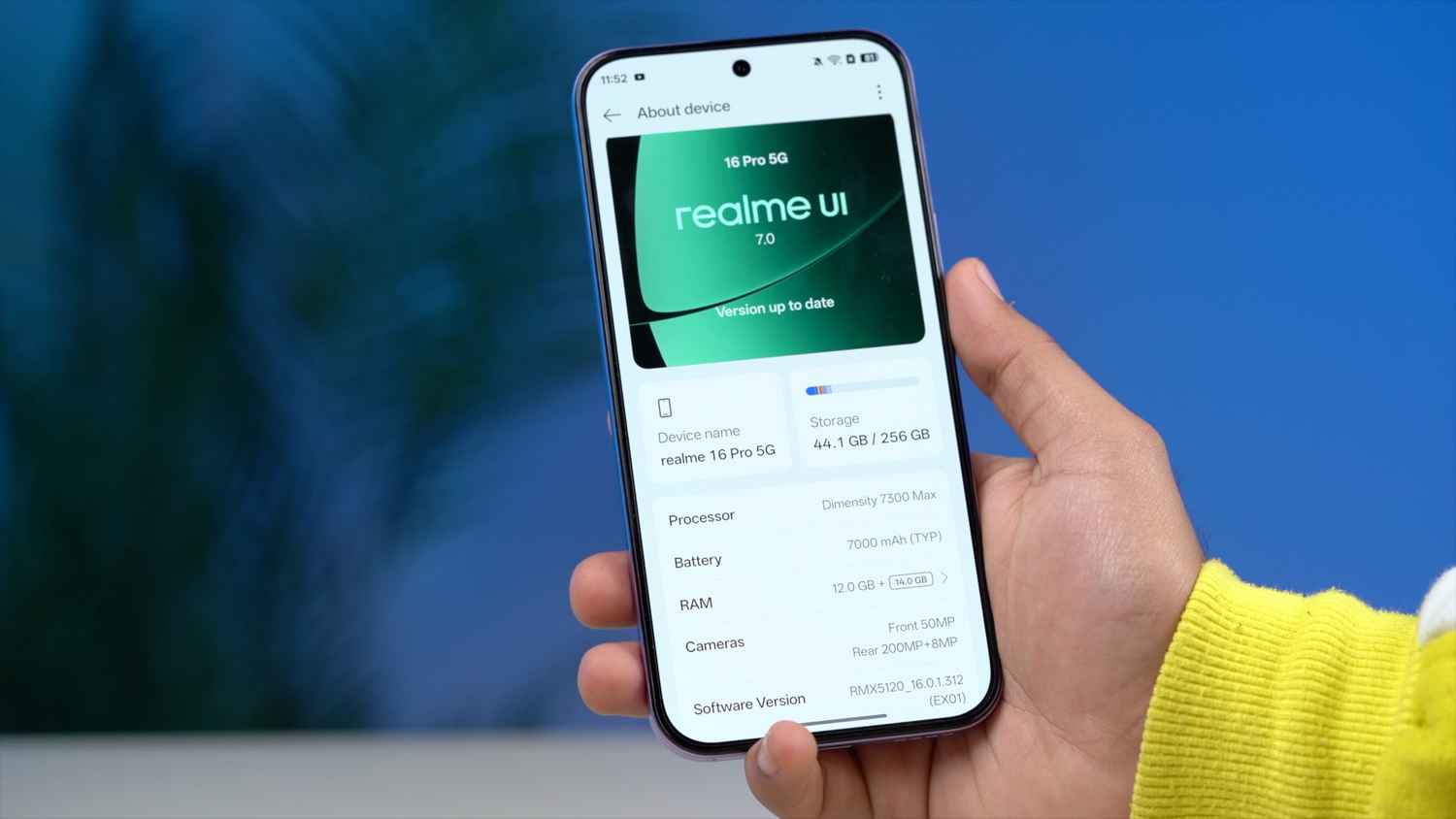
The Realme 16 Pro is powered by the MediaTek Dimensity 7300 Max SoC. Despite the updated naming, this chipset is functionally the same as the Dimensity 7300 Plus used in the Realme 15 5G. More importantly, it represents a downgrade from the Snapdragon 7 Gen 4 found in the Realme 15 Pro, despite the launch price remaining unchanged.
The review unit came equipped with 12 GB of RAM and 256 GB of internal storage. In everyday usage, the phone performs reliably. App launches are quick, scrolling remains smooth, and general multitasking does not introduce noticeable stutter or lag. For typical usage, the experience is stable and predictable.
Gaming performance, however, highlights the limitations of the chipset. During extended sessions of BGMI, frame drops were noticeable. Thermal behaviour remains controlled, but sustained performance does not improve over the previous generation. This reinforces the positioning of the Realme 16 Pro as a general-use device rather than one aimed at performance-focused users, which feels harder to justify at this price point.
Benchmark results reflect this behaviour. Realme claims an Antutu score of around 971,000, and the review unit scored close to one million. In the CPU throttling test, performance stabilised at 95%. Geekbench scores measured 990 for single-core and 2,875 for multi-core performance. The phone scored 2,177 in the 3DMark Wild Life test. These numbers are consistent with expectations, but they also underline the lack of a meaningful performance upgrade.
Cameras are clearly the central focus of the Realme 16 Pro. The phone features a 200MP main sensor, paired with an 8MP ultra-wide sensor. This is the most visible upgrade over the Realme 15 Pro 5G and is where Realme is clearly attempting to justify the pricing.
In daylight conditions, the main camera performs well. Images are sharp and detailed, with colours that remain close to natural. Highlights and shadows are handled competently, and dynamic range is solid across most scenes. The camera slightly brightens human subjects, but facial detail is retained rather than aggressively smoothed.
Digital zoom performance is better than expected. At 2x, images remain clean and detailed. Even at 4x, results remain usable, which is not always the case in this segment.
Portrait mode is another strong area. Background separation appears natural, and edge detection is generally reliable. The phone allows portrait shooting at five different focal lengths, though most testing was done at 2x. In some situations, facial softness is visible, particularly under uneven lighting.
The ultra-wide camera maintains consistent colour tuning with the main sensor, but detail levels are noticeably lower. Images tend to look soft, and on a few occasions, photos exhibited a visible green tint.
Video recording is supported up to 4K at 30 frames per second. The output is usable but unremarkable. Stabilisation is adequate for casual use, but this is not a phone aimed at video-focused creators.
On the front, the 50MP selfie camera delivers strong results. Selfies are sharp, with good detail and controlled processing, making it one of the more reliable selfie cameras in this category.
The Realme 16 Pro runs Android 16 with Realme UI 7 layered on top. The interface is functional but busy. There is pre-installed bloatware, though most of it can be removed. While the UI remains intuitive, the overall experience lacks the restraint seen in cleaner Android implementations.
Realme promises three years of Android updates and four years of security patches. This level of support is competitive for the segment and aligns with expectations at this price.
Several AI features are included. AI Framing Master automatically adjusts framing and zooms when capturing images. An AI Genie feature within the Photos app allows users to make changes such as altering clothing in images. Google Gemini Live is also present, enabling users to share their camera feed during live conversations. These features work as intended, though their real-world value will depend on individual usage habits.
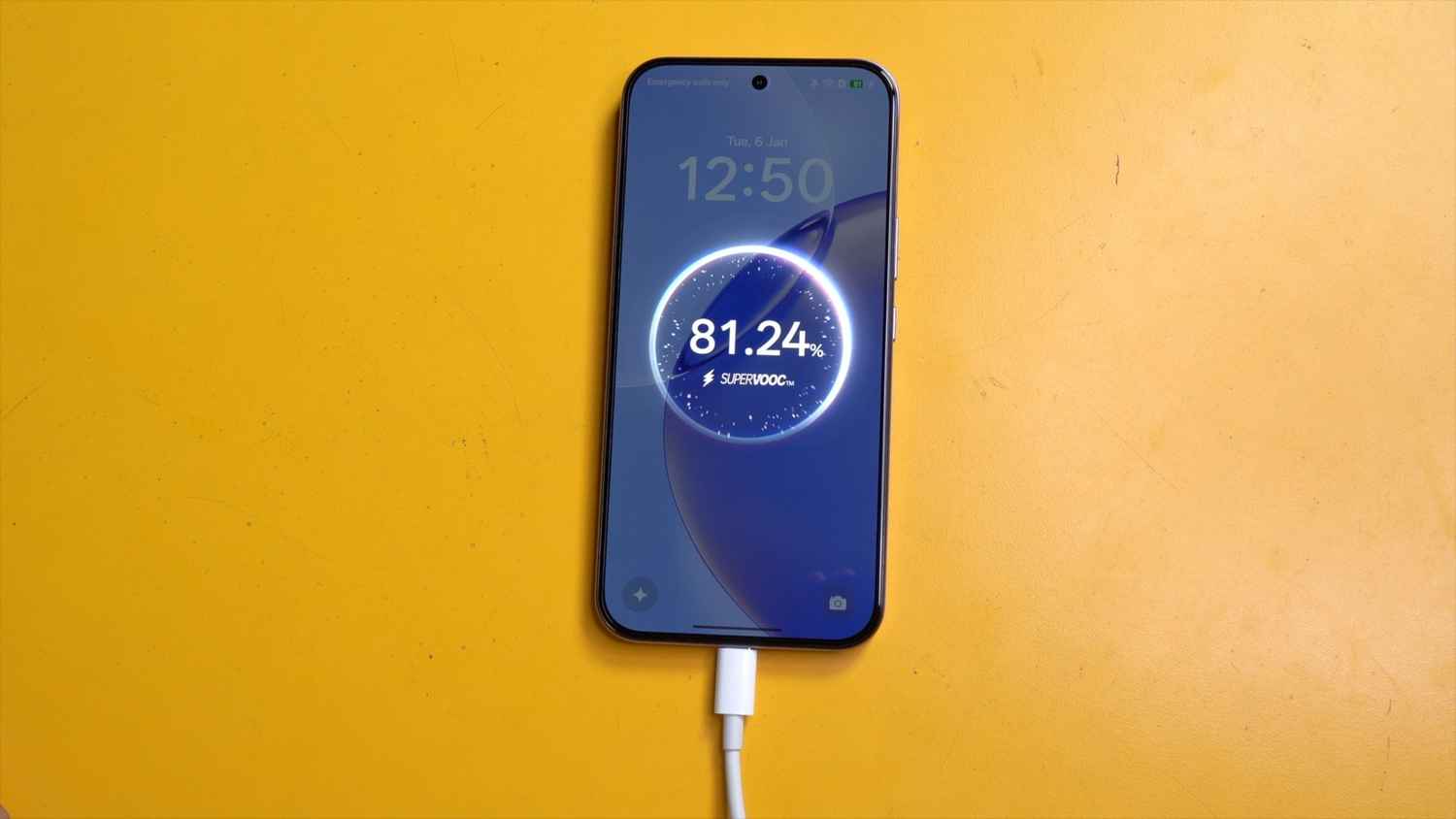
Battery life is one of the Realme 16 Pro’s strongest attributes. The phone packs a 7,000mAh battery, paired with 80W fast charging.
In PCMark battery testing, the device delivered close to 22 hours of screen-on time. In real-world usage, this translates to a full day of heavy use without concern, and up to one and a half days with moderate usage.
Charging from 0 to 100% takes approximately 96 minutes. While this is slower than some competitors, it is reasonable given the battery capacity, and fast top-ups during the day remain practical.
The Realme 16 Pro is, by most measures, a good mid-range phone. It delivers strong battery life, a capable 200-megapixel main camera, and a smooth, bright display that performs well in everyday use. As a daily driver, it is reliable and easy to live with.
However, it is difficult to ignore the pricing. At Rs 31,999, the decision to move from a Snapdragon 7 Gen 4 to the Dimensity 7300 chip feels like a compromise driven by rising component costs rather than user benefit. This effectively makes the current performance level the new default for Realme at this price, while the Realme 16 Pro Plus retains the Snapdragon chip at a significantly higher cost.
For users upgrading from the Realme 15 Pro, the 16 Pro only makes sense if camera improvements and battery life are your top priorities. Otherwise, the overall experience remains largely familiar, with no clear performance advantage.
For new buyers, the Realme 16 Pro is a sensible phone, but not an aggressively priced one. It is good at what it does, yet its value proposition is weakened by the chipset choice at this price point.