After using the Motorola Edge 60 Pro for a month, I know one thing for sure: it doesn’t want to fit in. And that’s refreshing in a world of mid-range phones doing the bare minimum to earn their Rs 30,000 price tag. It’s almost rebellious, and I respect that. It’s not trying to be the best gaming phone, the best camera phone or the best value-for-money phone. This isn’t a phone that plays it safe, it’s trying to be different. Which is great, but does that mean it’s getting everything right? Find out.
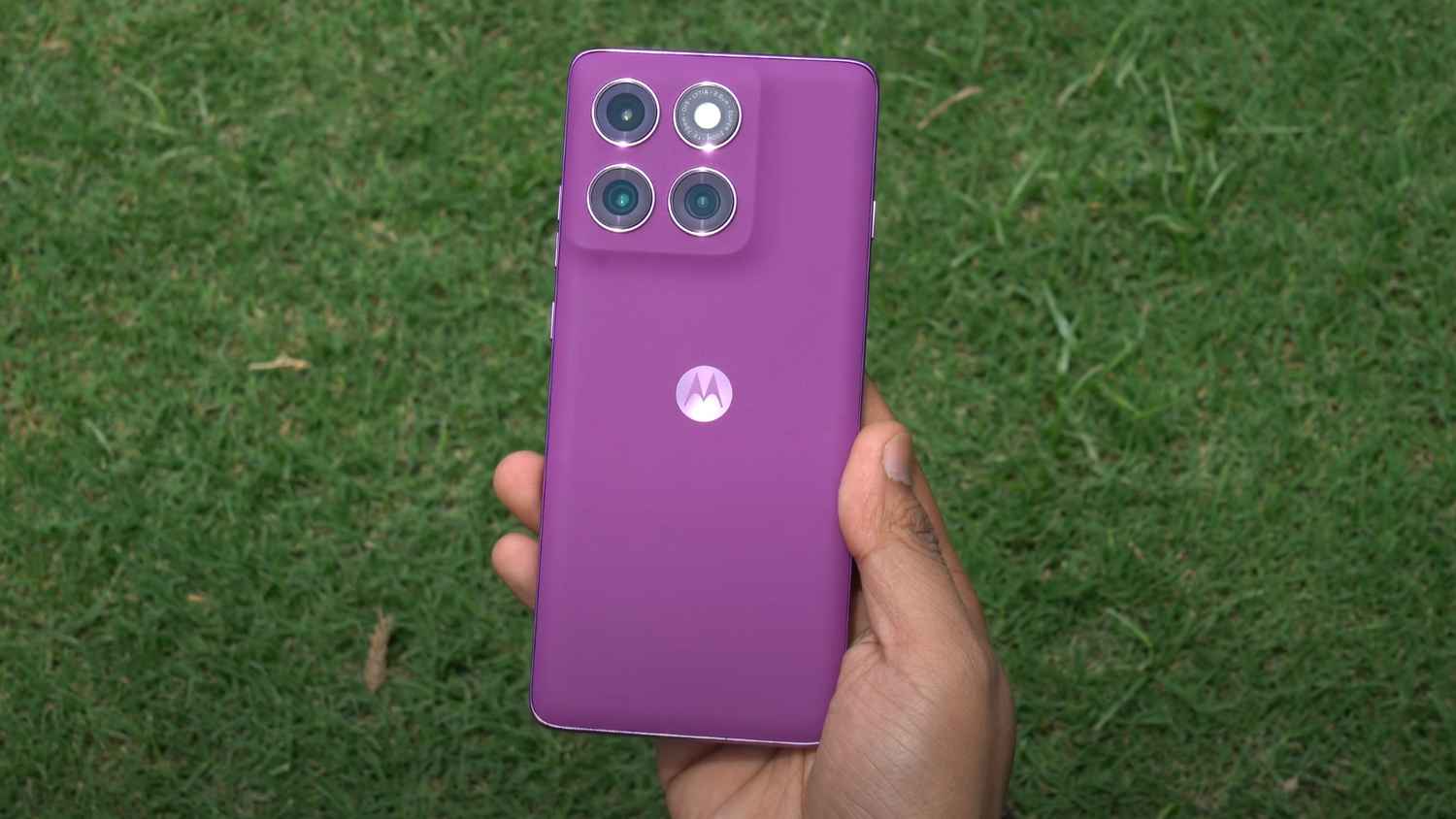
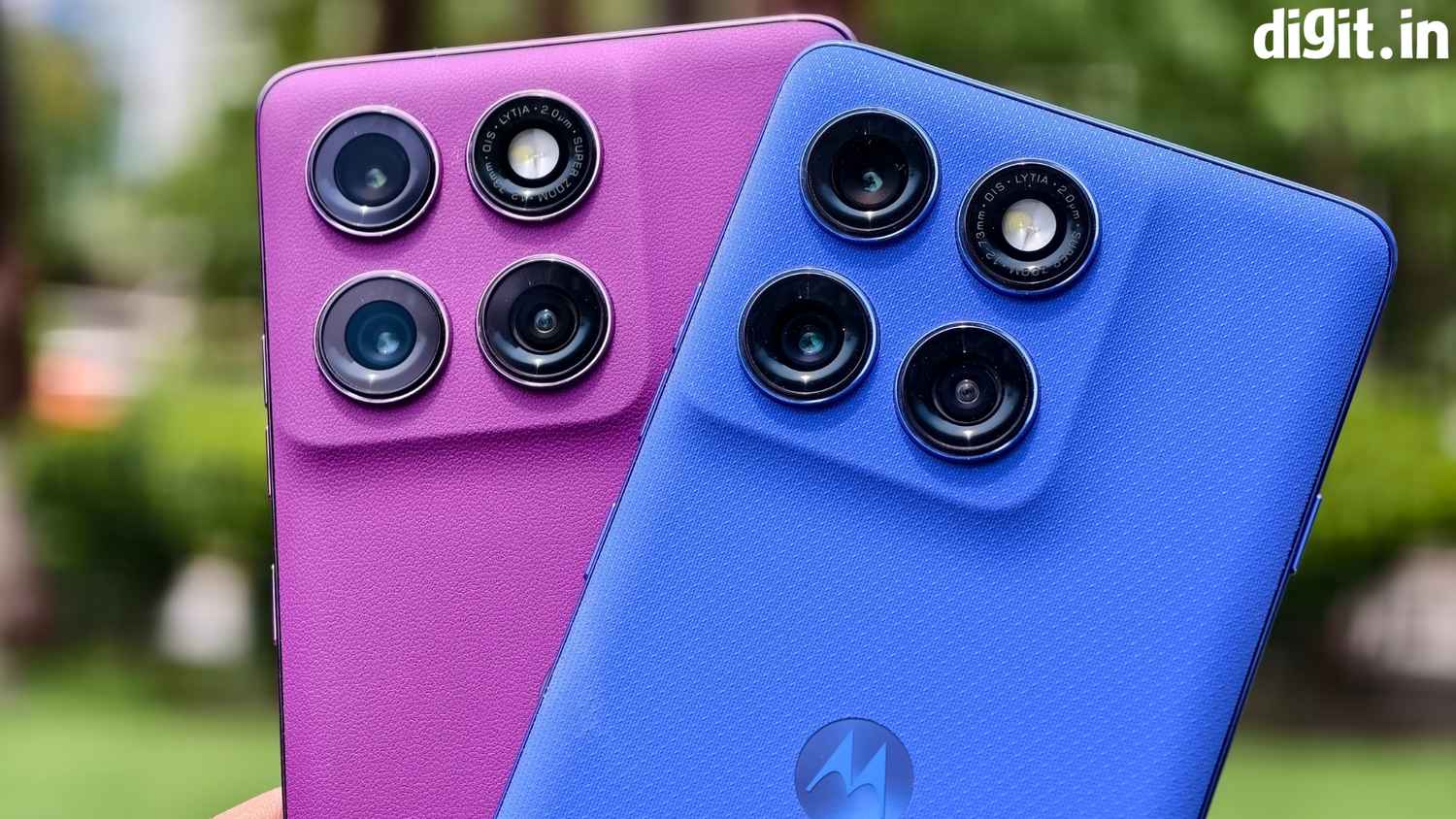
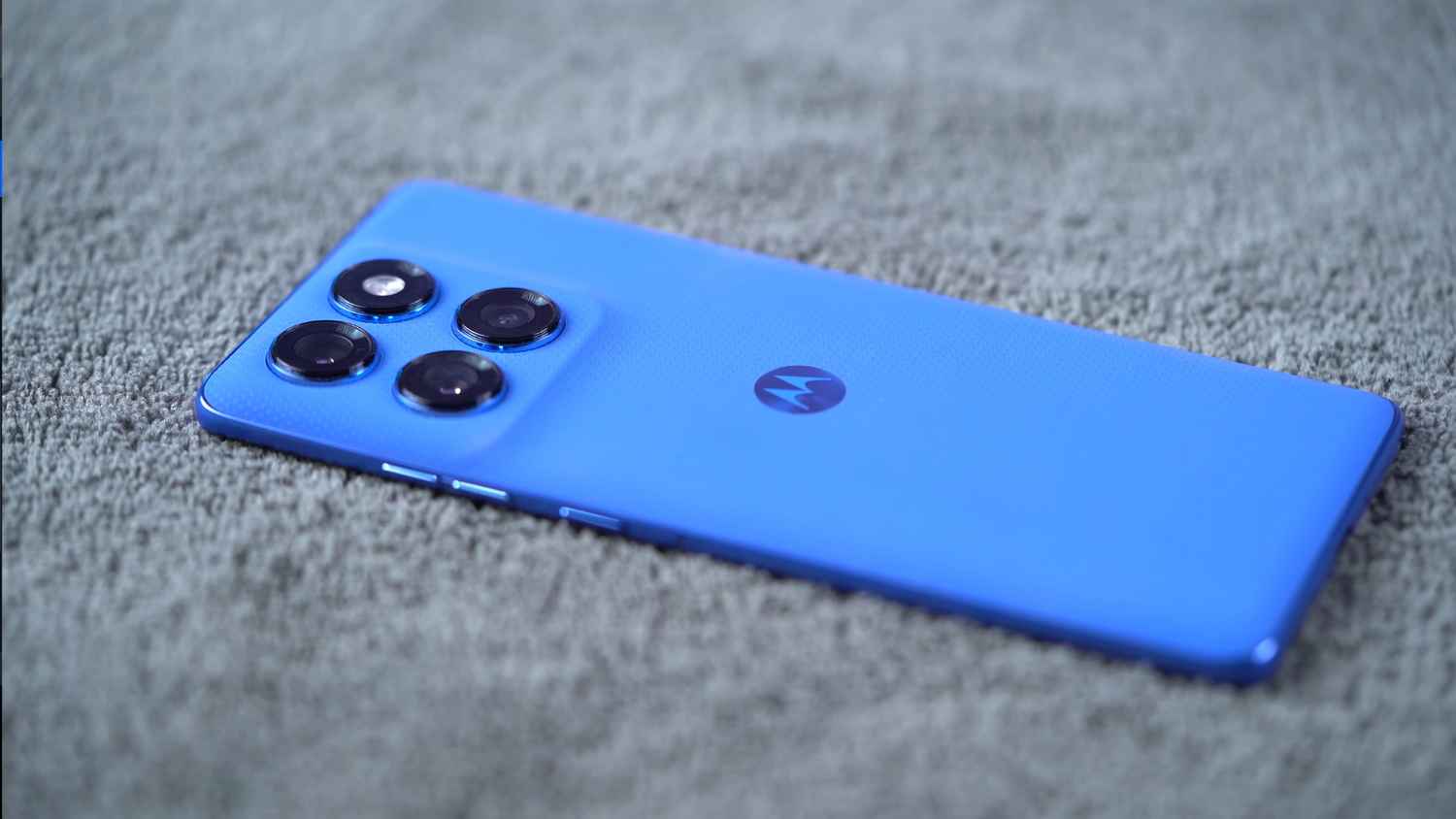
The Motorola Edge 60 Pro feels like it came from a team that still believes phones can have character. The edges taper on both sides, and depending on what colour you pick, you either get a textured fabric back (Dazzling Blue) or a soft-touch vegan leather (Sparkling Grape) that makes it feel more boutique than budget. Bonus: they don’t collect fingerprints like your phone collects useless screenshots.
But then you can’t drive your attention away from the plastic frame. It’s subtle, but it’s there, and look, I’m not a “metal or nothing” purist, but when you hold something that looks this premium, you kind of expect it to feel a certain way. And coming from the Edge 50 Pro’s aluminium frame, it is a downgrade. It doesn’t affect usage, but it does affect perception. Which, in tech, kind of is usage.
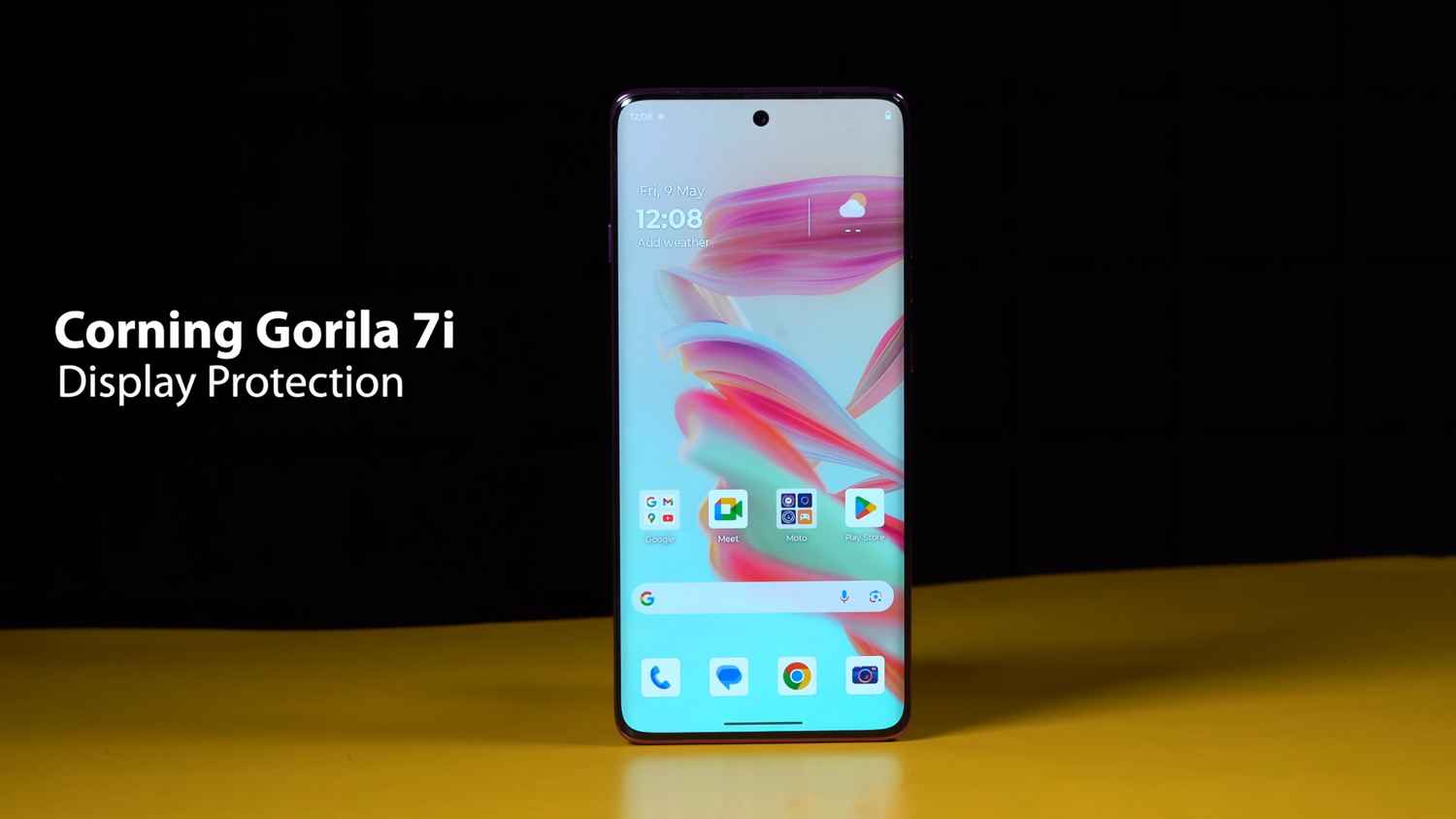
Still, Motorola’s pulled off something rare: IP68 and IP69 ratings, MIL-STD-810H compliance, and Gorilla Glass 7i protection, all while keeping it featherweight at 186g and just 8.2mm thick. It’s rugged but not rugged-looking, and that’s not easy to pull off. So, it does deserve some bonus points here.
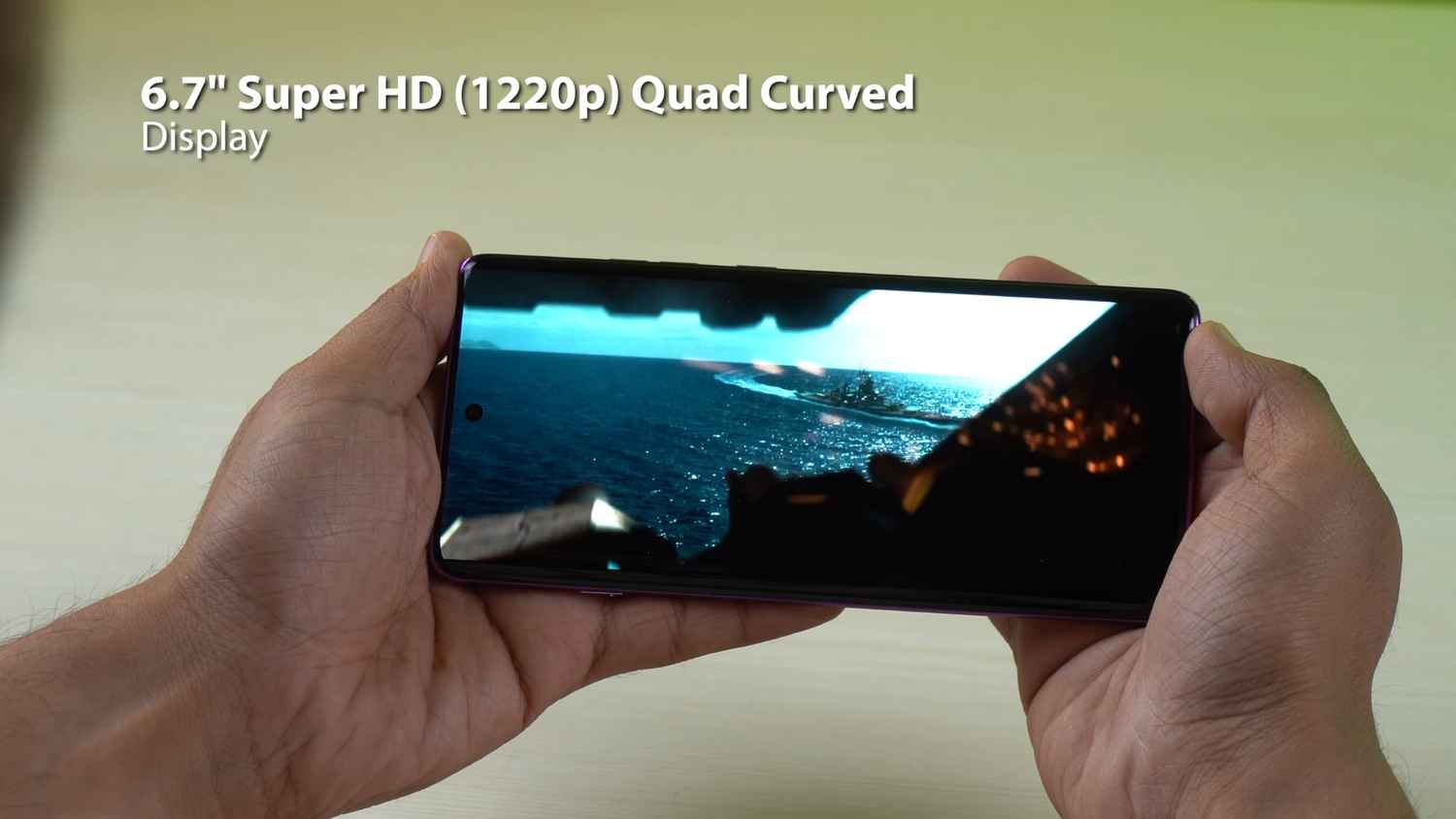
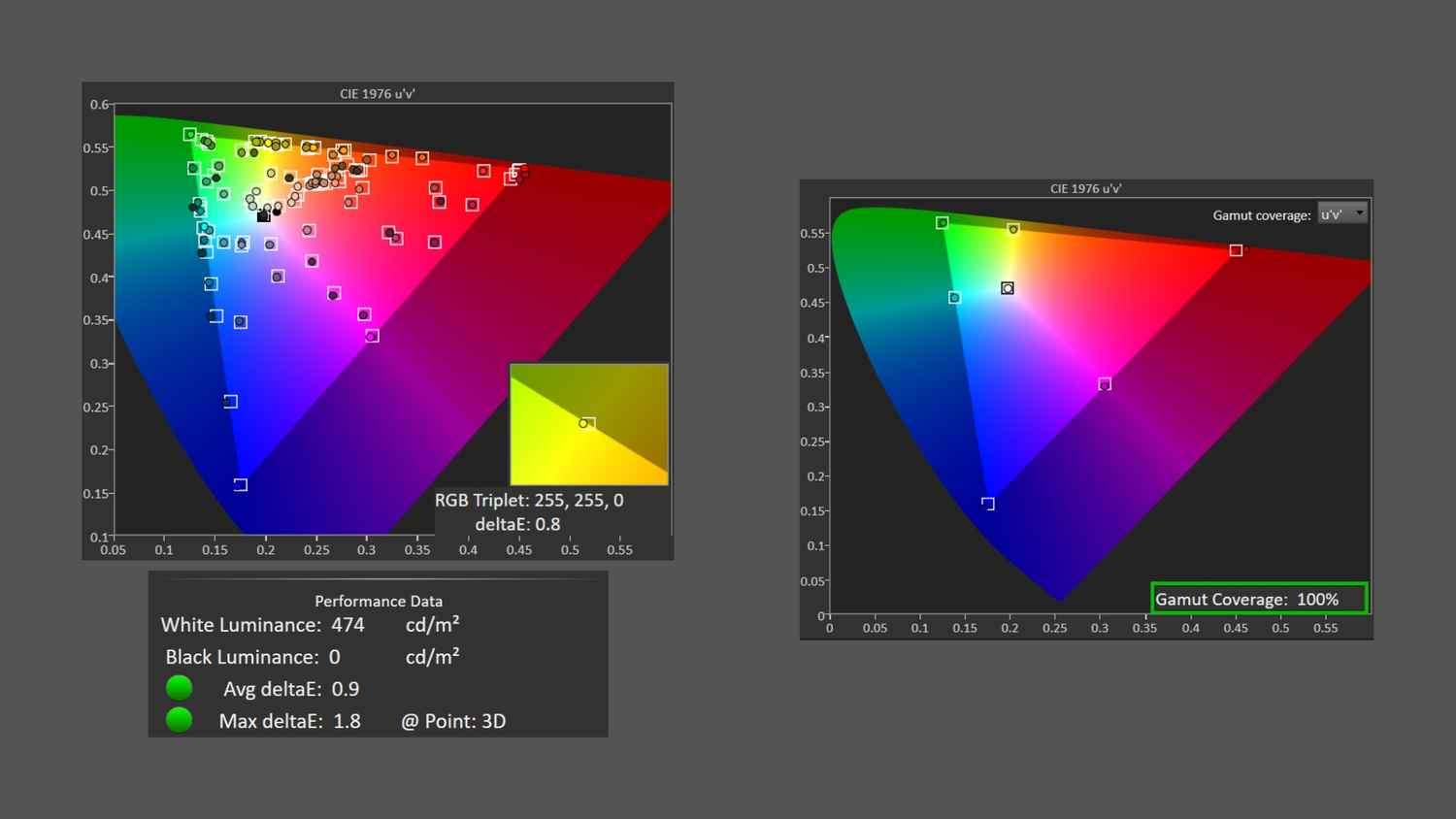
What the Edge 60 Pro does get very right is the screen. The 6.7-inch P-OLED display is one of the phone’s crown jewels. It’s crisp (1.5K resolution), colour-accurate (Delta E ~0.9, 100% sRGB), and super punchy for binge-watching. Motorola claims 4,500 nits, but we measured a more believable 2,380 nits in real-world scenarios which is decently manageable.
HDR10+ support is present and functional on YouTube, but Netflix doesn’t actually support HDR. It’s not a dealbreaker, just one of those little irritants that stick in your mind.
Then there’s the refresh rate. It maxes out at 120Hz. Which is fine, until you realise that the older Edge 50 Pro had a 144Hz panel. Why go backwards? So, Motorola told me that they found out their users kept the 144Hz refresh rate enabled at all times, which affected performance and battery efficiency, but still it stings if you’re the kind of person who notices those extra frames. That said, for watching content, reading, and scrolling, this display is flagship-grade, no notes here.
The Edge 60 Pro is powered by MediaTek’s Dimensity 8350 Extreme, a 4nm SoC that sits comfortably just below flagship territory. This is paired with up to 12GB LPDDR5X RAM and UFS 4.0 storage, and you get a phone that feels fast, multitasks effortlessly, and rarely gets bogged down.
Benchmarks? Let’s get nerdy:
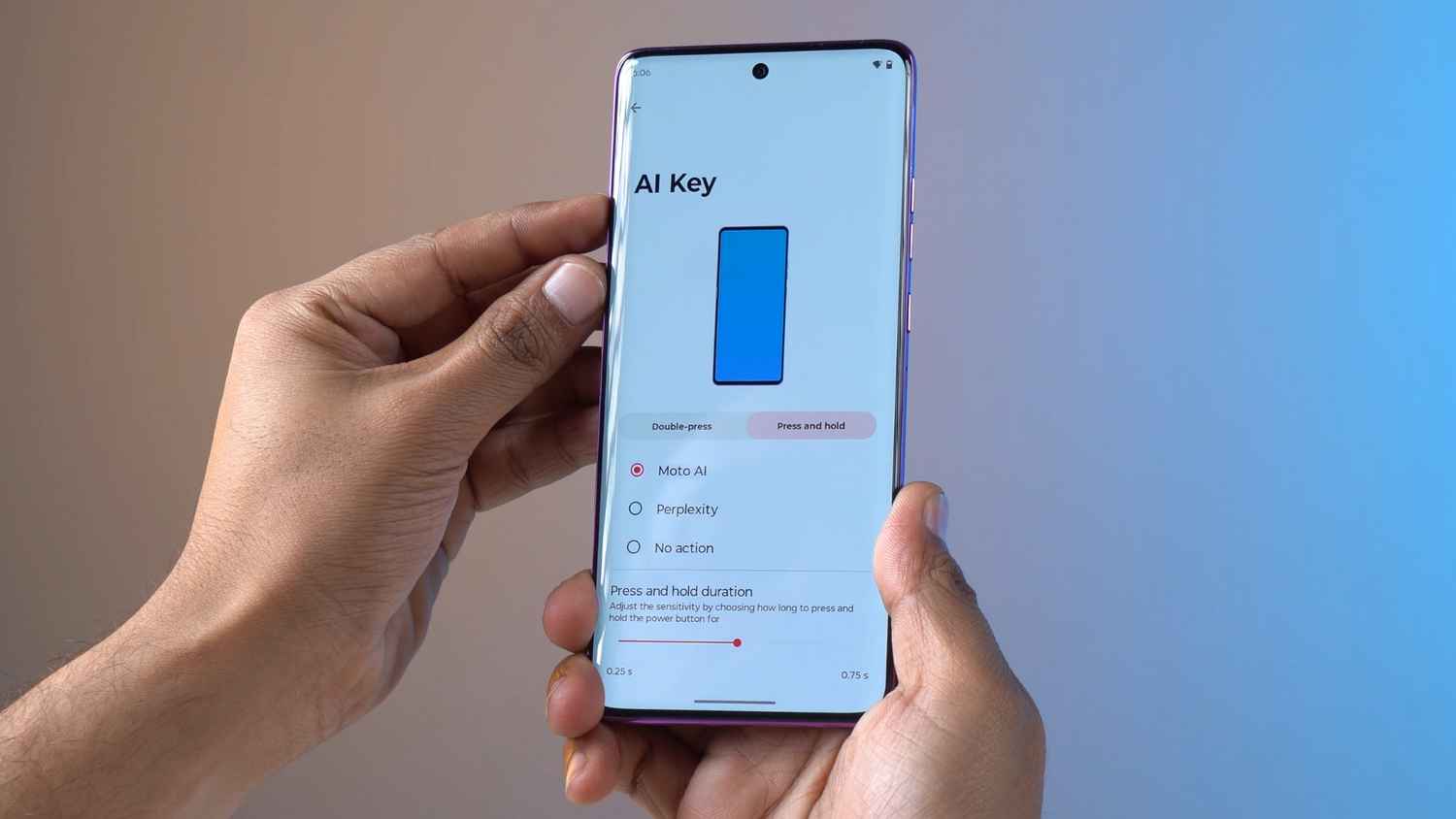
Day-to-day performance is solid, I’ve got no complaints. Apps open fast, animations are smooth, and Motorola’s Hello UI is just what Android should feel like, uncluttered and clean.
But if you’re really into gaming, this might not be your guy. It’s not a gaming phone, and during sustained load, CPU performance dropped to 85% of peak, not as stable as Neo 10R (91%) or the 3a Pro (94%). So if you’re planning long Genshin sessions, expect some drops, though temps stay under control.
One choice that really had me raising an eyebrow is USB 2.0 in 2024. On a phone that’s otherwise so… forward-thinking. That means no display-out via cable and glacial file transfers if you ever dare to plug this into your PC. I guess Motorola wanted to push their wireless Smart Connect features, but practically, it just ends up limiting the phone’s potential for anyone who wants to use it like a mini workstation.
The Edge 60 Pro has a 6,000mAh silicon carbon battery, a notable upgrade over the 4,500mAh unit in the previous generation without adding extra bulk, and it shows.
I didn’t charge this phone for an entire day, with normal usage, including Instagram, Spotify, Chrome, and a little YouTube, and the screen was set to 120Hz all day. It still had juice.
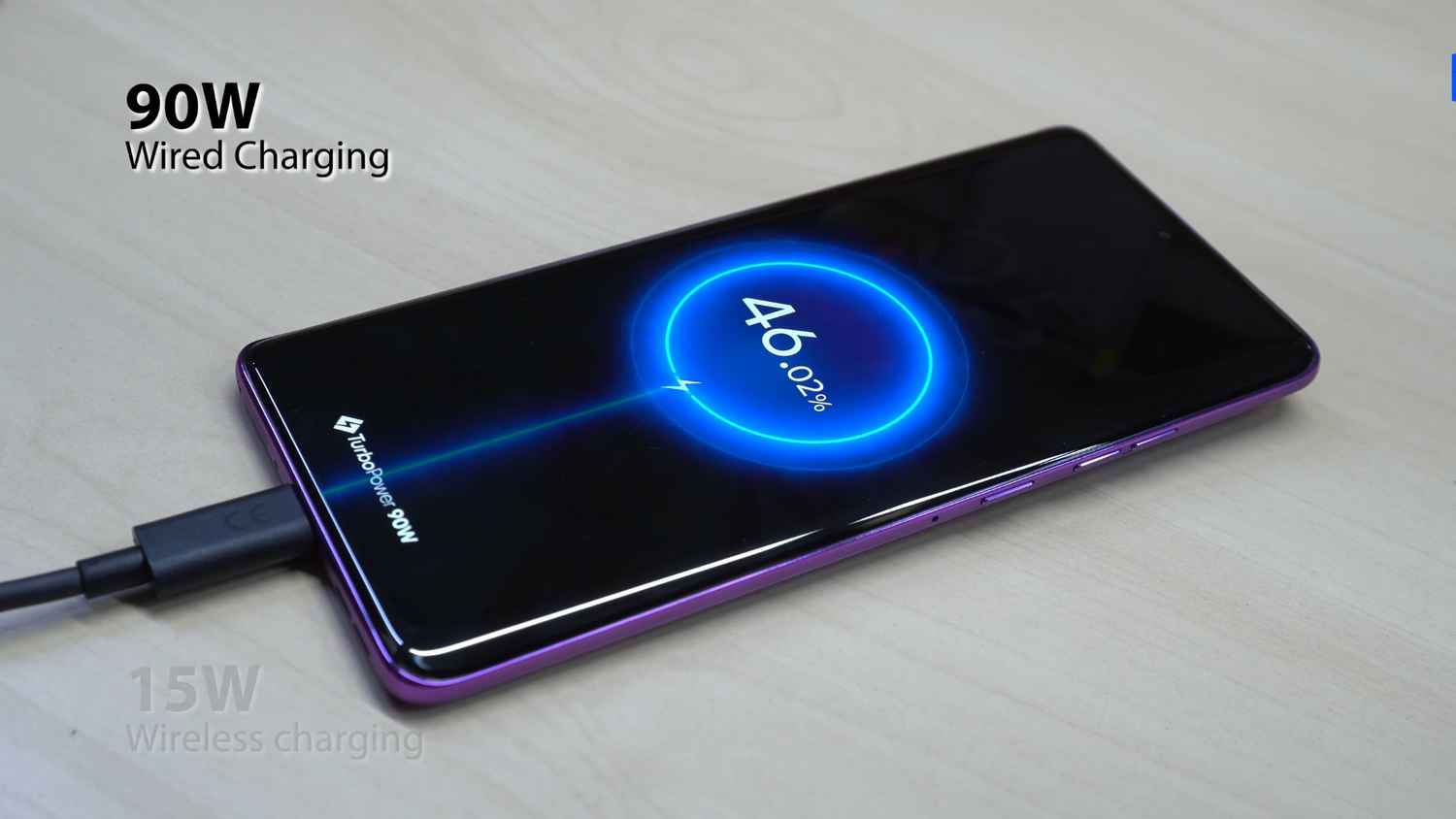
And despite the wired charging being downgraded from 125W to 90W, it still goes 0 to 100% in about 50 minutes. Wireless charging at 15W is a nice bonus. Especially since most phones in this price range don’t even bother.
This is where Motorola quietly got serious. No gimmicks, no meaningless 2MP fillers. Instead, we get:
Daylight shots are clean, the dynamic range is excellent, and the colours are surprisingly natural. The ultrawide is possibly the best in this price class. No distortion, great detail, and you can get impressively close for macro-style shots.
I really like the portrait mode as it does perfect subject segmentation without losing details and making images look artificial.
Low light is good, not great, especially on the ultrawide, which starts to soften up. But Motorola’s Night Mode is overly aggressive when it comes to highlight controls, and it starts to lose details with point-light sources and neon signages that look like it was AI-painted by DALL·E.
We also get 4K at 30fps (not 60fps) on all cameras. Stabilisation is decent, and colours stay consistent, but there’s some focus hunting in low light and HDR scenes, especially on the telephoto and ultrawide.
The 50-megapixel selfie camera is sharp with accurate colour tones, as long as your face is at the right distance. Get too close or try group selfies, and the lack of autofocus becomes very obvious, especially when the Edge 50 Pro has that sorted.
The Motorola Edge 60 Pro is a phone for people who don’t want to be lumped into the same boring slab of specs that every other Rs 29,999 phone is offering. It dares to have a personality, and in 2025, that’s a rare offering.
If you’re the kind of user who wants a phone that feels different, craves a clean Android experience and prioritises display, battery, and everyday fluidity over raw FPS, then this is your phone.
But if you play a lot of heavy games or want a phone that feels expensive in the hand, not just looks, then you might want to explore elsewhere.
Some choices like downgrading the USB port and charging speeds, removing autofocus from the selfie camera, and skipping a case in the box for Indian buyers aren’t dealbreakers, but they do reflect a few missed opportunities.
The Edge 60 Pro is a smart buy; it’s not perfect, but bold and honestly, we need more phones like this. Just know where you’re compromising