As something I also noted in my first impression of the iQOO 15R, the sub-Rs 50,000 smartphone space hasn’t felt all that interesting lately. Not that devices have suddenly disappeared in this segment, but ever since component prices have increased, smartphone pricing has been all over the place. As a result, phones in this segment don’t come with that ‘flagship killer’ instinct there once was. In the midst of all this, where phones with top-tier hardware have started costing upwards of Rs 70,000 to Rs 80,000, it’s good to see a phone like the iQOO 15R breathe fresh life into the sub-Rs 50,000 price segment.
When I first tested this phone in the Digit Test Labs, it felt like iQOO had tried to solve a common problem buyers have: not all high-end phones should be insanely expensive. Also, my early impressions of the iQOO 15R were positive. After spending more time with it, using it as my daily phone and, along the way, putting it through its paces in the Digit Test Labs, my initial impressions have only grown stronger. Will it be too much to say that this phone doesn’t just exist for the sake of it? It feels deliberate. Here’s my full review.
Also read: iQOO 15 review: From flagship killer to full-fledged flagship
Let me start with something simple. The size.
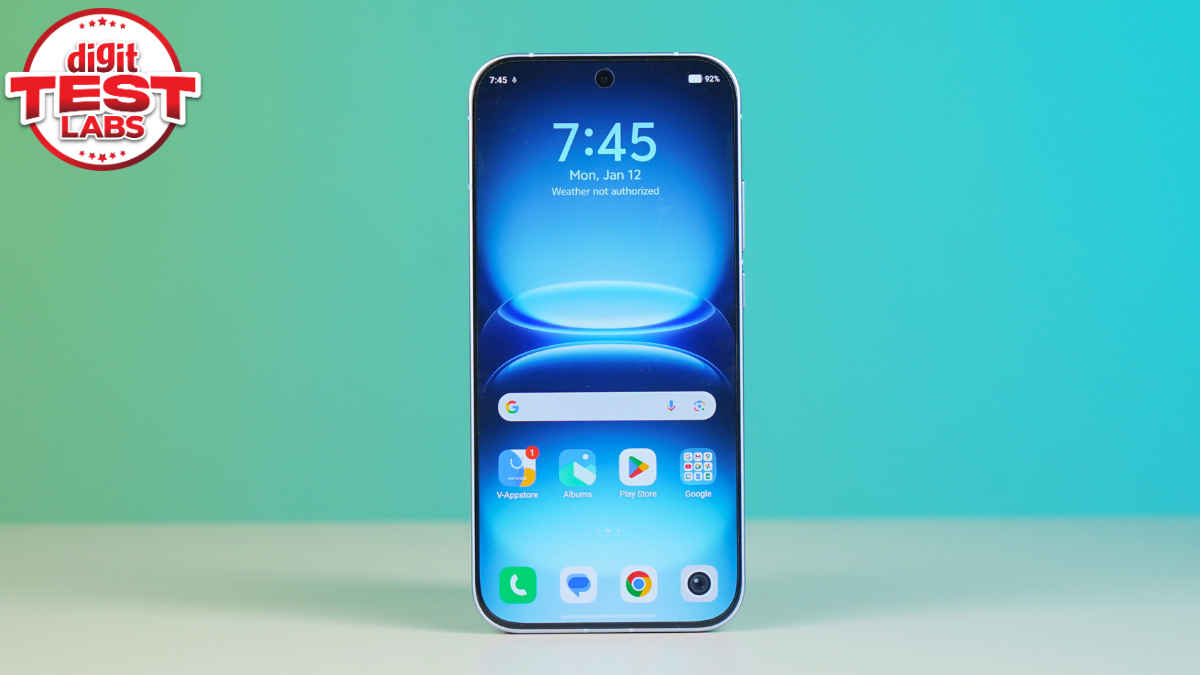
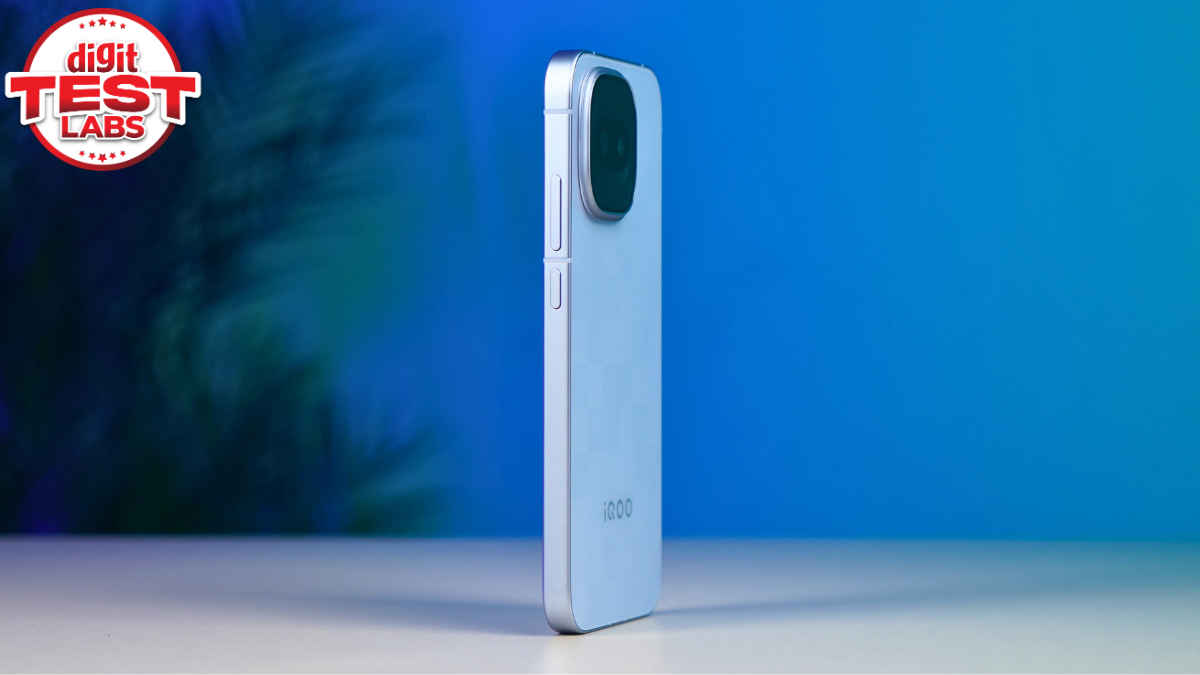
In 2026, a 6.6-inch phone, or 6.59 inches to be precise, almost feels modest, especially in the performance segment. Now, most of these phones are usually big and heavy. The iQOO 15R is not that. It sits comfortably in the hand. It doesn’t feel top or bottom-heavy. The weight distribution is well balanced, and that is what matters most.
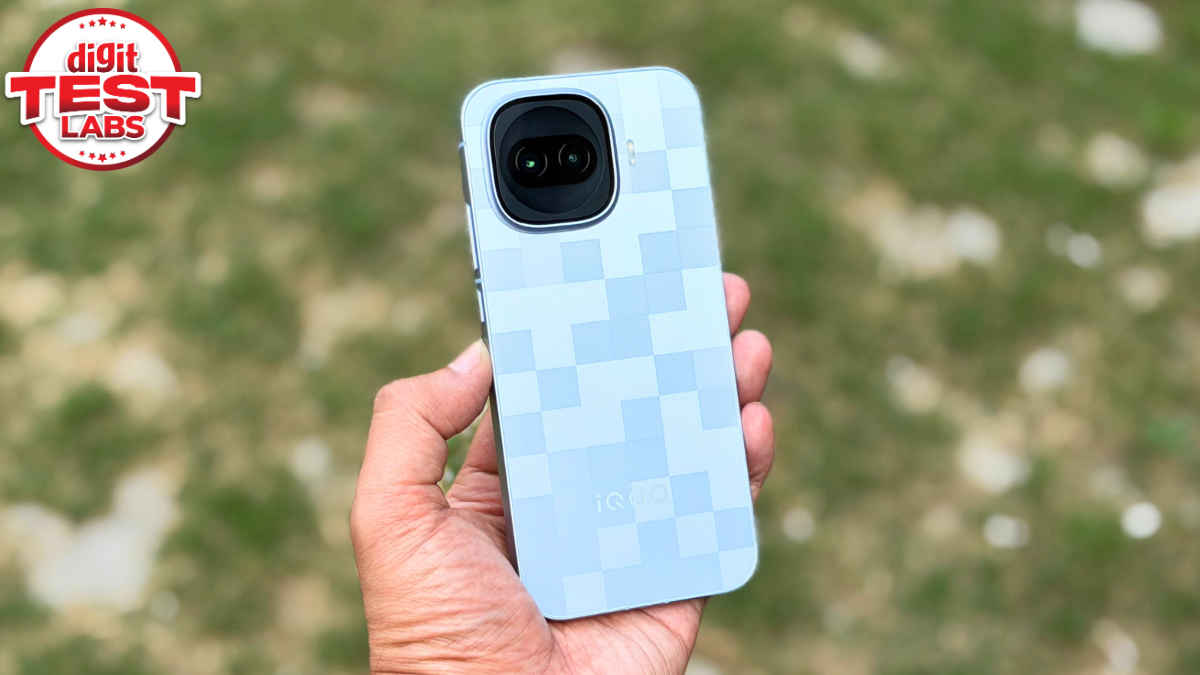
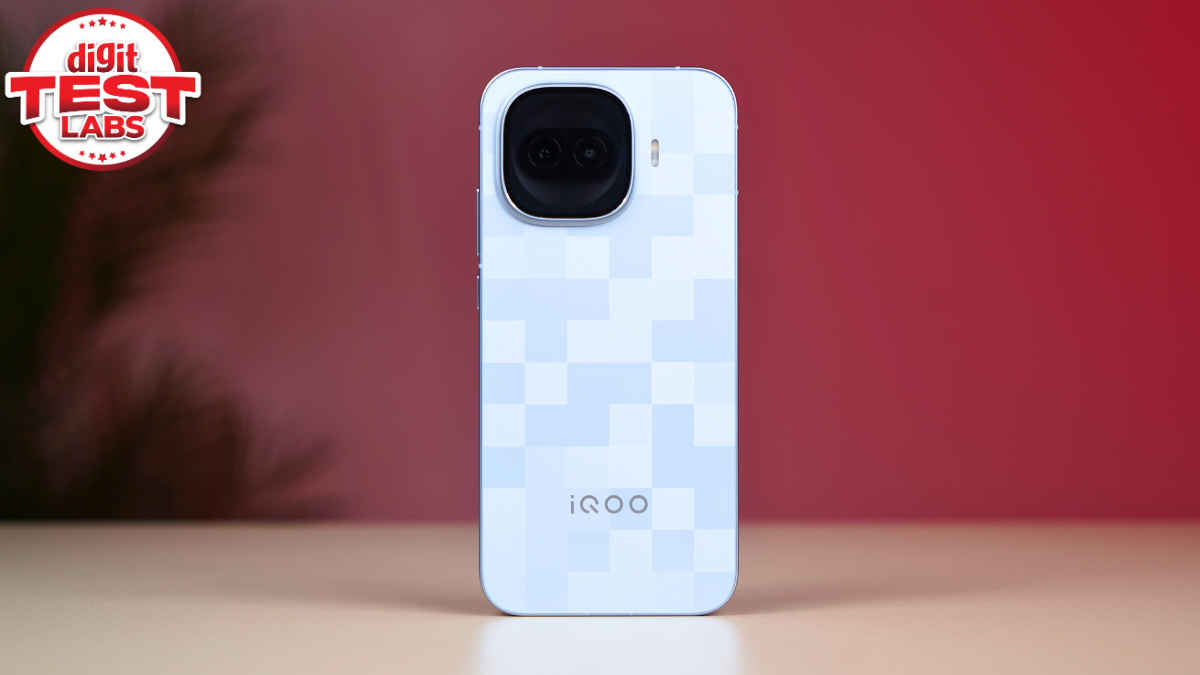
The Triumph Silver unit I have uses a glass back and a metal frame. It feels premium. The chequered pattern adds personality without being loud. I mean, I find it interesting rather than having a plain finish, but this is something that can be subjective. The camera module, though, follows iQOO’s usual styling, but the lens placement gives it a slightly refreshed look, as compared to. Some may even be reminded of the styling on the Nothing Phone 2a. It’s subtle, but it adds character.
There’s also an IP69 rating here, which gives peace of mind. You don’t expect that level of protection in this price band all the time.
Now here’s where things get interesting. Its most obvious rival is the OnePlus 15R. Pricing overlaps for the 12 GB + 256 GB and 12 GB + 512 GB variants. But iQOO goes one step further by offering an 8 GB + 256 GB option at Rs 44,999. That makes the entry point lower.
And yes, the naming is bold. Both are called 15R. Someone like me, who lives and breathes tech, will know the difference between the iQOO 15R and the OnePlus 15R. But an average buyer walking into a store with a Rs 50,000 budget might not. Again, I’m not undermining either phone, but confusion is possible. Interestingly, that may also mean both brands eat into each other’s audience. So, I am really not able to decide whether it’s a smart move or an oversmart one. Either way, the iQOO 15R nails the basics right.
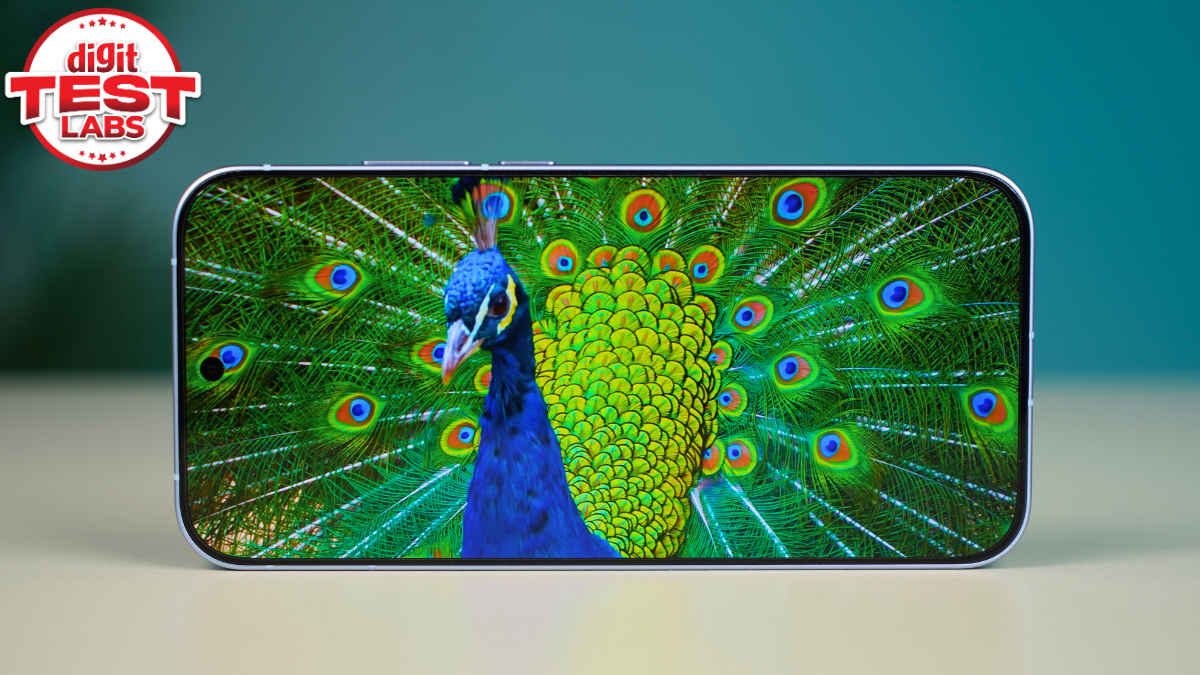
The 6.59-inch AMOLED display is genuinely one of the best in this segment. It’s a 1.5K panel with a 144Hz refresh rate. Bezels are slim and uniform. Indoors, it looks sharp and vibrant. Outdoors, it holds up very well. Now, the company talks about 5,000 nits peak brightness, which is more of a technical claim. In our testing at the Digit Test Labs, it reached 1,825 nits. That aligns closely with the promised 1,800 nits in High Brightness Mode. More importantly, it is a well-tuned panel. Colours on this 10-bit panel look rich without being overdone. Contrast is strong. Scrolling is, of course, fluid. It’s an LTPS panel, but a very efficient 144Hz LTPS implementation.
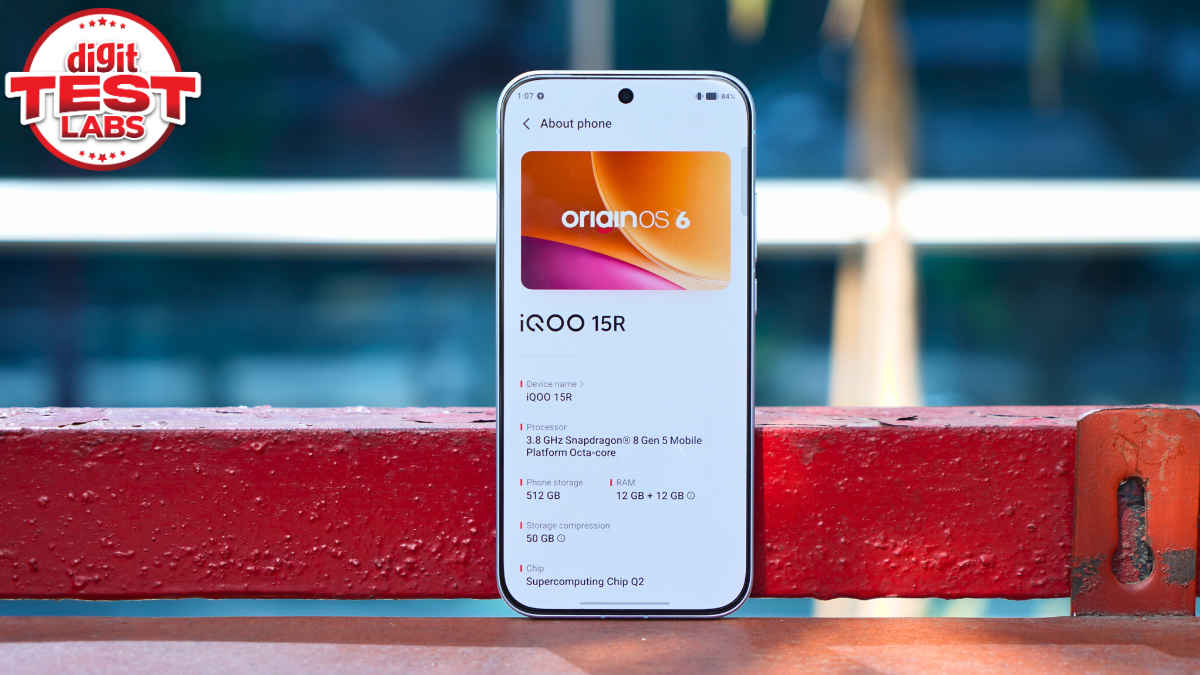
Under the hood, you get the Snapdragon 8 Gen 5 paired with LPDDR5X Ultra RAM and UFS 4.1 storage. My review unit has 12 GB RAM and 512 GB storage. On benchmarks, it delivers the kind of top-tier numbers that you’d expect from the 8 Gen 5 chip. But it does heat up while doing so, and this is expected when you’re stressing the chip continuously.
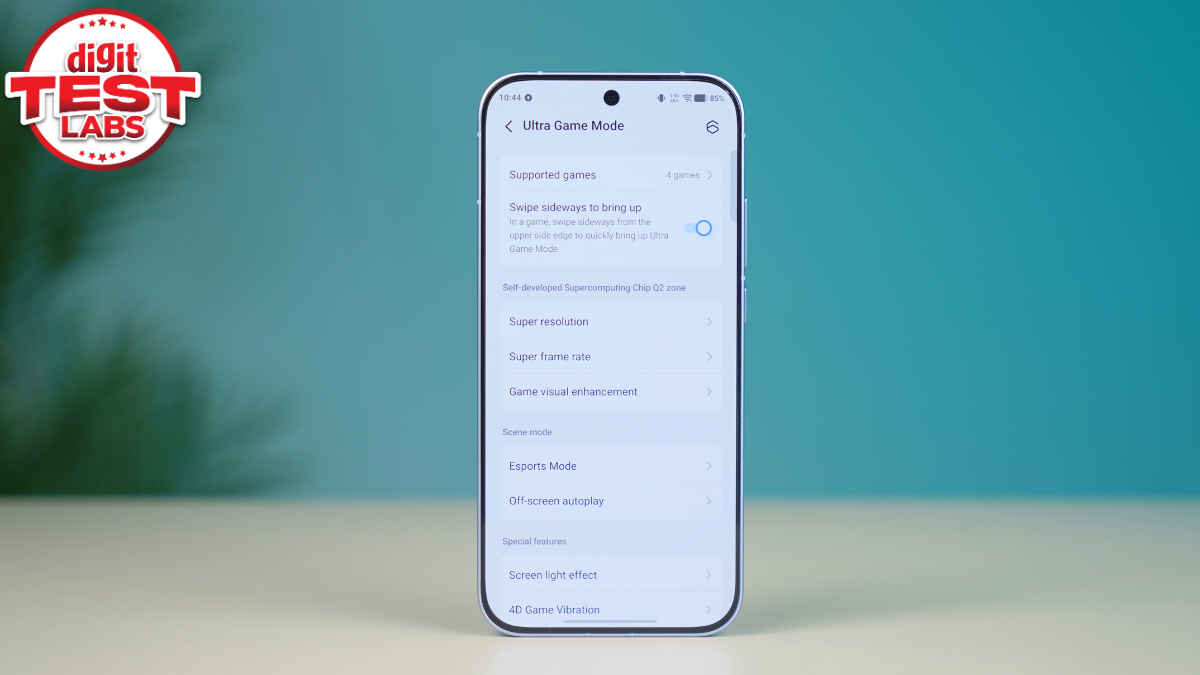
However, in real-world use, it’s a different story. Playing games such as COD: Mobile and BGMI at native 144fps, and Genshin Impact at 60fps, only made it lukewarm, which shows that while the thermals shoot up during synthetic benchmarks, in real-world use, the phone keeps things under control. Moreover, performance stays consistent, and that’s what actually matters.
Another thing that makes or breaks my smartphone experience is haptic feedback. On the iQOO 15R, haptics are tight and precise. There’s also an ultrasonic fingerprint reader, which is rare and welcome at this price. It’s fast, accurate, and just feels more premium than optical solutions.
The move from FuntouchOS to OriginOS 6 has helped. After having used and tested a bunch of OriginOS-powered phones, I am certain that the change in direction in terms of software is more than just the naming. The general experience, including smooth animations and fast app launches, has been great. Granted, there is bloatware, but most of it can be uninstalled. AI features like Circle to Search, AI summarisation, AI eraser and photo enhancement tools are present. Nothing out of the ordinary for this segment, but all the essentials are covered.
Here’s the part that genuinely impressed me. The 7,600 mAh battery. This is one of the largest on any phone around, unless you count something like the Realme P4 Power with its 10,000 mAh unit. So, packing this large battery into a relatively compact body is impressive on the part of iQOO.
In my usage, the iQOO 15R comfortably lasted two full days on moderate use. And I’m not a light user. I stream YouTube and Netflix. I use WhatsApp calls, including video. I browse, scroll Instagram, use Google services, click photos and play games. Twice during testing, I pushed it without charging and ended the second day with around 15% still left. The results in PCMark’s battery test were also impressive, as the phone delivered 28 hours, which is excellent.
If you drive to work and use Android Auto, you may rarely see it dip below 50% on a typical weekday. For people who are always near a charger, there’s no battery anxiety, and for those who are not, this phone is reassuring.
The iQOO 15R uses a 50 MP Sony LYT700 primary rear camera, an 8 MP ultra-wide and a 32 MP front camera.
The main camera does a very good job. In daylight, photos are detailed with good colour balance. HDR handling is strong. Even tricky backlit shots come out well. The 2x digital crop from the main sensor is also surprisingly usable.
The ultra-wide camera is where things dip slightly. Detail levels are lower, and there is noticeable colour disparity compared to the main sensor. It’s fine for occasional wide shots, but it’s not class-leading.
The front camera performs well, especially in HDR-heavy scenarios. Selfies captured against the sun retain good detail. Low-light shots are decent, though not exceptional.
Honestly, when it comes to the camera system, I would have really preferred a telephoto lens instead of the ultra-wide. A dedicated telephoto camera would have completed the near-flagship feel. Again, not that it’s a deal breaker, but it feels like a missed opportunity.
One more thing I kept thinking about is the USB port. With this much performance, a USB 3.2 port instead of USB 2.0 would have been nice for external display output and faster data transfer. If you’re building a performance-focused phone, small additions like that could elevate the experience further. But is it too much to ask?
I have been using the iQOO 15R for close to 20 days now, and as I mentioned earlier, this phone doesn’t just exist for the sake of it; it feels deliberate.
To count its pros, the iQOO 15R brings flagship-grade performance into a comfortable size. It delivers one of the best displays in its class. Battery life is excellent. The software experience is smooth. Haptics and the ultrasonic fingerprint sensor add polish.
Yes, the ultra-wide camera could be better. A telephoto lens would have made more sense. USB 3.2 would have been a welcome addition. But when you step back and look at the bigger picture, for someone who wants serious performance around the Rs 50,000 price point, this phone makes a lot of sense. And with the added 8 GB + 256 GB variant at Rs 44,999, it becomes even more accessible.
The iQOO 15R feels like iQOO remembering what made its earlier flagships exciting. Not just power for the sake of it, but power in a form factor you can afford and actually live with every day.
Also read: HyperX SoloCast 2 review: Better than a headset mic, but what else?